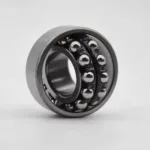
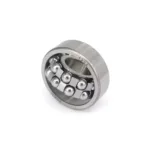
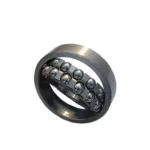
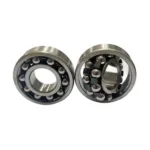
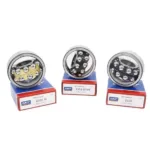
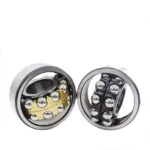
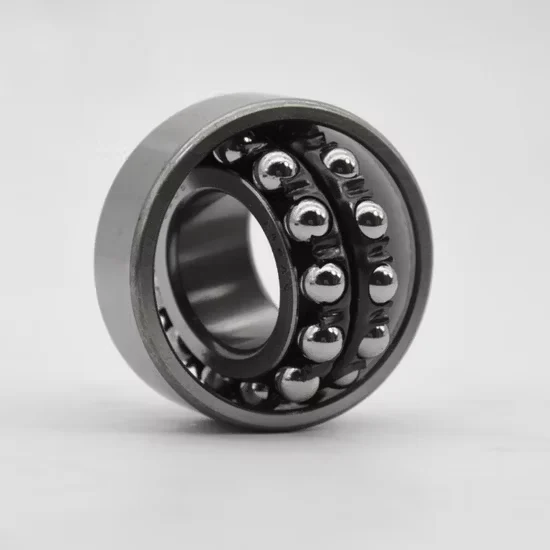
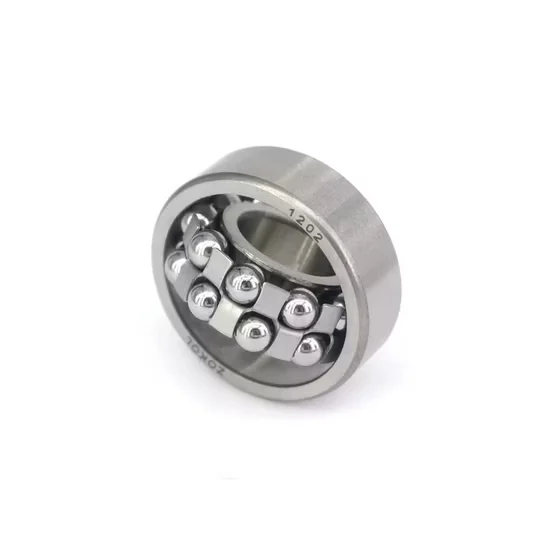
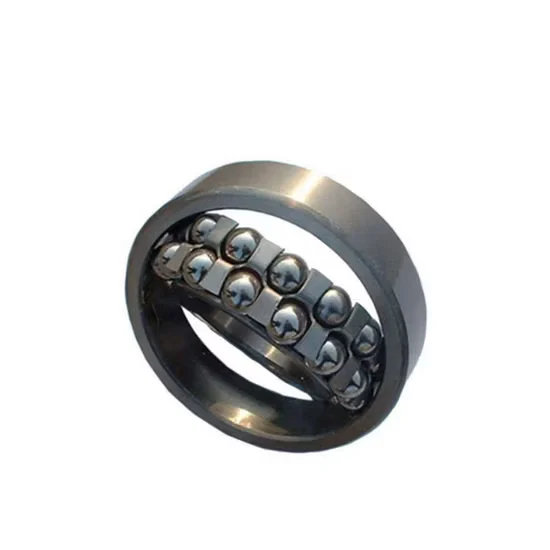
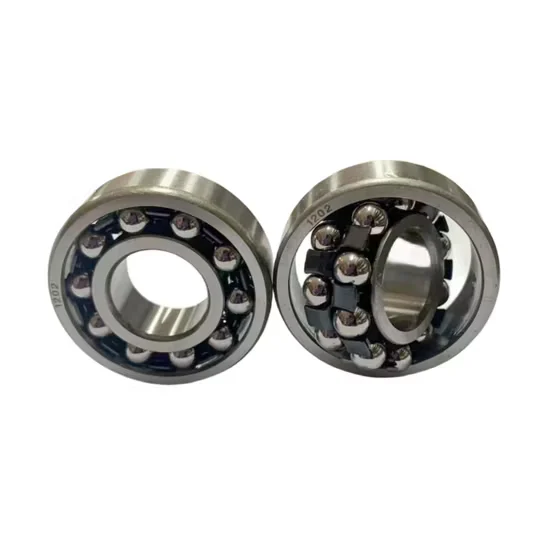
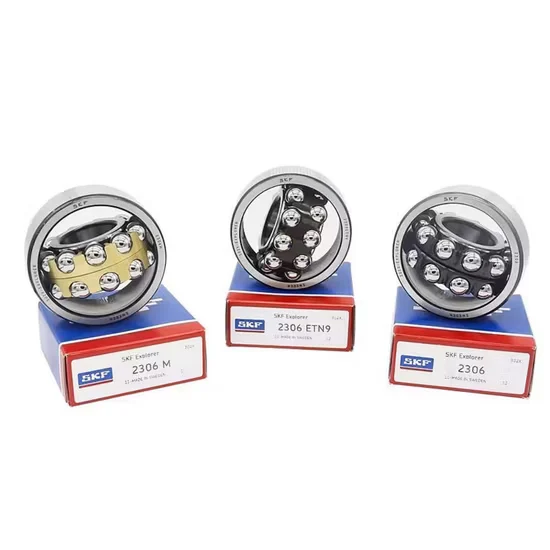
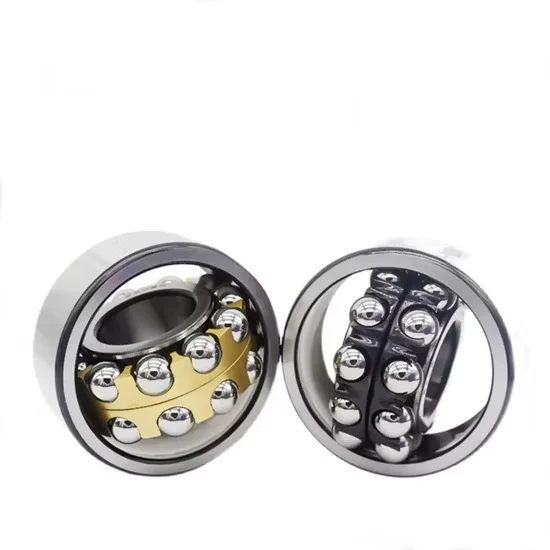
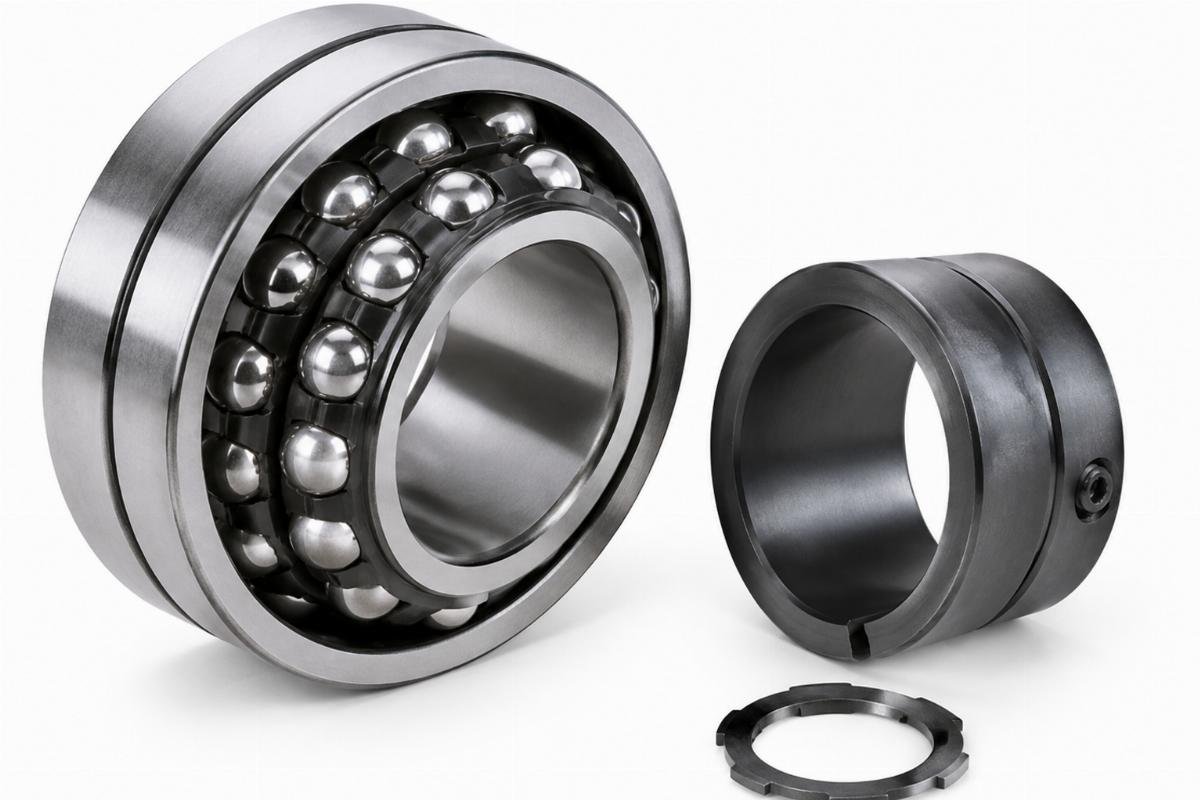
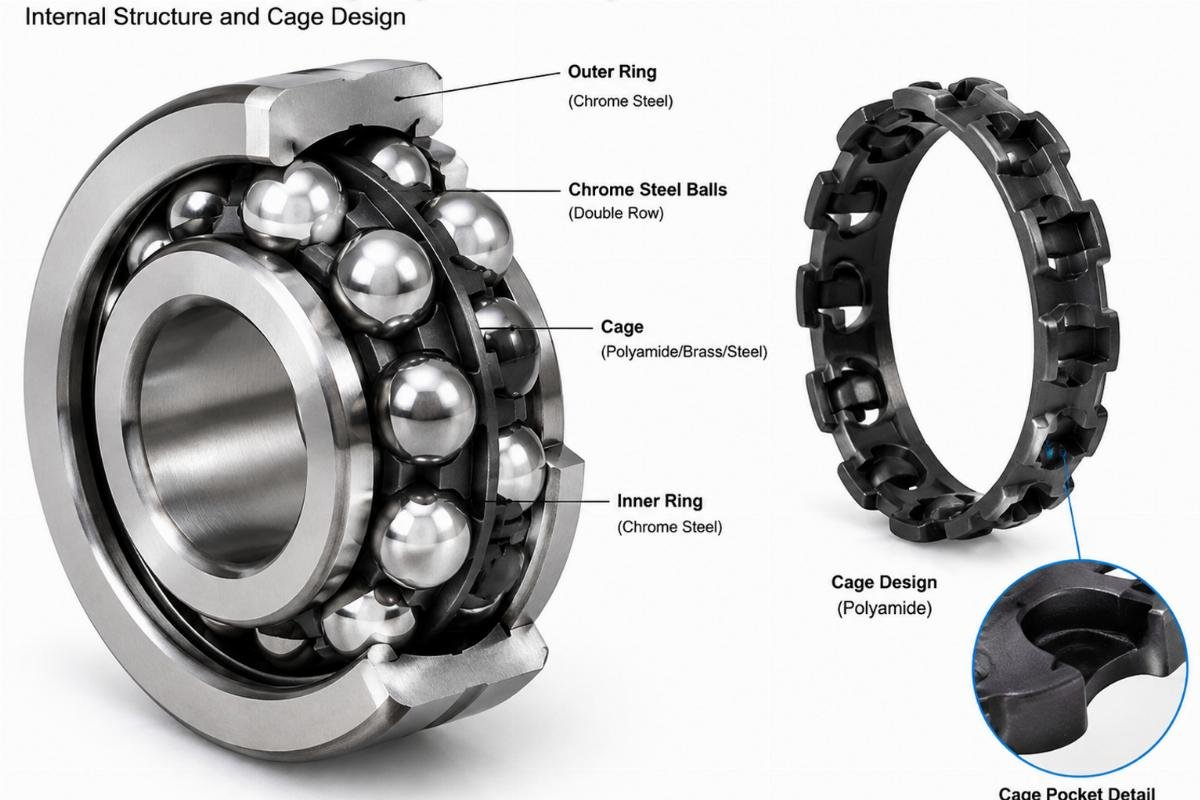
1516K+H316 Self-Aligning Ball Bearing features a 1:12 taper bore for secure adapter sleeve mounting and double-row Gcr15 chrome steel construction. It delivers reliable misalignment tolerance with a 12.7 kN dynamic load rating and 3.7 kN static load capacity for conveyors and agricultural machinery.
Always cross-reference internal clearance, cage material, and precision class against manufacturer catalogs before final procurement.
Cross-Reference Triad Alignment — We validate dimensional, load, and tolerance matches across OEM catalogs before shipping your mixed-brand orders.
Technical Specifications
Parameter
Value
Designation
1516K+H316
Bearing Type
Self-Aligning Ball Bearing
Number of Rows
Double-Row
Material
Chrome Steel Gcr15 / 100cr6
Dynamic Load Rating (C)
12.7 kN
Static Load Rating (C₀)
3.7 kN
Bore Type
1:12 taper bore (K suffix)
Origin
Shandong, China
Note: The H316 adapter sleeve designation requires manufacturer catalog confirmation for exact dimensional matching.
Application Suitability
Industry
Typical Applications
Material Handling
Conveyor belt return idlers and drive pulley shafts
Agriculture
Combine harvester threshing cylinders and auger drives
Textile
Spinning frame drafting rollers and loom beat-up mechanisms
General Manufacturing
MRO replacement for misaligned transmission shafts
Why Open Cages Fail Fast in Dusty Conveyor Environments
Unsealed races ingest abrasive particulates, turning the lubricant into a grinding paste that destroys the 1516K+H316 self-aligning ball bearing from the inside out.
In the harsh conditions of an Ethiopian sugar mill, I once watched a critical conveyor drive seize completely because an open-type bearing was specified for a high-dust bagasse environment. The fine particulate ingress jammed the steel cage within a few short weeks, causing catastrophic shaft scoring and halting production. Specifying the correct sealing arrangement or external housing protection is absolutely not optional when dealing with agricultural processing or bulk material handling dust. [NEED_CITE: particulate contamination as a primary cause of premature bearing failure]
Matching the Taper Bore to Conveyor Shaft Deflections
Conveyor shafts frequently bend under heavy bulk loads, creating angular misalignment that rigid bearings simply cannot tolerate. The 1516K+H316 self-aligning ball bearing accommodates these continuous shaft deflections through its spherical outer ring raceway. By utilizing the 1:12 taper bore with an adapter sleeve, maintenance teams can securely lock the inner ring onto standard straight shafts without needing precision-machined stepped shoulders. This drastically simplifies field replacements in remote mining or agricultural sites where specialized machining tools are unavailable.
Navigating Radial Loads and Particulate Ingress
This application profile demands high radial load capacity combined with severe contamination resistance. While the double-row design distributes radial forces evenly across the chrome steel rolling elements, the real challenge lies in keeping abrasive dust out of the raceway. In high-particulate environments, relying solely on standard open bearings leads to rapid lubricant degradation and surface wear. Engineers must carefully evaluate whether the existing housing provides adequate labyrinth seals, or if the operating temperature and rotational speed permit the use of integrated contact seals to block microscopic debris without generating excessive friction heat. [NEED_CITE: ISO 15243 classification for contamination-induced surface fatigue]
Decoding the Suffix and Material Specifications
The K suffix dictates a 1:12 tapered bore, which is critical for achieving the correct interference fit when driven up the adapter sleeve. This mounting method allows for precise control over the internal radial clearance; driving the inner ring too far up the taper will eliminate the necessary clearance, leading to thermal seizure under load. The Gcr15 / 100cr6 chrome steel construction provides the foundational hardness required for the rolling contact surfaces, ensuring the 12.7 kN dynamic load rating is maintained under continuous radial stress. Proper tightening of the adapter sleeve locknut is essential to prevent axial creep on the shaft during heavy startup torques, preserving the structural integrity of the assembly.
The Cascading Impact of Incorrect Clearance Settings
Failing to measure the residual clearance after mounting a taper bore bearing often results in severe unplanned downtime. If the internal clearance is entirely consumed during the sleeve tightening process, the rolling elements will skid rather than roll, generating localized heat that alters the steel microstructure. According to ISO 281 life calculation principles, operating with negative clearance drastically reduces the fatigue life, eventually leading to cage fracture and complete shaft lockup. This catastrophic damage usually extends beyond the bearing itself, requiring expensive machining of the conveyor shaft and housing, completely voiding any standard warranty coverage. [NEED_CITE: ISO 281 dynamic load rating and life calculation adjustments for clearance]
Sourcing Verification for Mixed-Brand MRO Packages
Procuring the exact taper bore geometry and sleeve thread pitch across different manufacturers is a common stumbling block in MRO consolidation. We cross-reference the dimensional envelope of your requested 1516K+H316 self-aligning ball bearing against multiple premium and domestic catalogs to ensure the adapter sleeve threads match perfectly. Every shipment includes original factory batch traceability, preventing the installation of mismatched sleeves that could strip during tightening. Our technical team verifies the internal clearance class before dispatch, ensuring the bearing performs correctly once driven onto the shaft in your specific operating environment, eliminating the guesswork from your maintenance schedule.
Documentation & Authenticity
Original factory batch numbers traced back to the specific Gcr15 steel heat lot.
Dimensional inspection reports verifying the 1:12 taper bore angle and diameter tolerances.
Certificate of Conformity confirming the 12.7 kN dynamic load rating material standards.
Adapter sleeve thread pitch validation documents to prevent cross-threading during mounting.
Storage, Handling & Mounting
Store the taper bore bearing and sleeve in original VCI packaging to prevent corrosion on the 1:12 mating surfaces.
Use a feeler gauge to measure residual radial clearance while tightening the adapter sleeve locknut.
Keep the double-row cage assembly clean; avoid exposing the open raceway to airborne dust before installation.
Apply the correct mounting force to the sleeve to prevent axial creep under heavy conveyor startup torques.
Inspect the shaft seating surface for burrs that could score the Gcr15 inner ring during the drive-up process.
Engineering Data Required for Technical Validation
To ensure the selected configuration survives your specific operating environment, please provide the exact radial and axial load profiles, along with the maximum operating temperature and shaft deflection angles. Sharing the OEM equipment serial numbers allows our engineering team to perform a precise cross-reference check and verify the adapter sleeve compatibility. If the environment involves heavy particulate ingress, detail the housing seal type so we can recommend the appropriate external protection or alternative sealing arrangements.
Frequently Asked Questions
Q: What does the K suffix indicate for mounting this bearing?
A: The K suffix designates a 1:12 tapered bore, meaning the inner ring diameter decreases along its width. This requires mounting with a matching adapter sleeve, allowing the bearing to be securely locked onto a standard straight shaft. It provides a tight interference fit and enables the adjustment of internal radial clearance during installation.
Q: How do I verify the correct internal clearance after mounting?
A: After driving the inner ring up the adapter sleeve, you must measure the remaining radial clearance using a feeler gauge between the unloaded rolling elements and the outer ring raceway. If the clearance is zero, the bearing was driven too far and must be loosened to prevent thermal seizure and premature fatigue failure under load.
Q: Can this bearing handle high axial loads in conveyor applications?
A: Self-aligning ball bearings are primarily engineered for radial loads and accommodating angular misalignment. While they can support light axial loads, heavy thrust forces typical in inclined conveyors require a different bearing type, such as a spherical roller bearing. Always verify the combined load ratio against the static and dynamic load ratings before finalizing the selection.
Q: How do you ensure the adapter sleeve matches the bearing bore?
A: We cross-reference the exact thread pitch and sleeve dimensions against the manufacturer’s catalog for the specific bearing brand. Our dispatch team verifies the physical thread engagement before shipping mixed-brand MRO packages, ensuring the locknut and tab washer fit perfectly without cross-threading or leaving dangerous axial play on the shaft during heavy operational cycles.
Shipping Information
EU Warehouse
3-7 working days (bonded stock)
Direct from China
Shanghai & Ningbo hubs (bulk / FCL)
Markets Served
DE · IT · PL · ES · NL · FR · EU+
Incoterms
DDP / DAP available on request
Minimum Order
Contact us for MOQ details
Documents Included with Every Shipment
EN and ISO Quality Certificates
Batch traceability and manufacturing standard
Material & Heat-Treatment Reports
Full material composition and process records
CE Declaration of Conformity
For bearing units and motion products
RoHS Compliance Declaration
Restriction of hazardous substances
EUR.1 Movement Certificate
Preferential origin for EU customs
Certificate of Origin
Country of manufacture documentation
Correct HS Codes
Pre-classified for smooth customs clearance
Commercial Invoice & Packing List
VAT-compliant intra-EU invoicing
Transparent Landed Cost with Tax Explanation
SKFEU provides full price transparency so EU buyers know exactly what they pay. No hidden duties, no surprise charges at customs.
VAT-Compliant Invoicing
All intra-EU transactions are invoiced with correct VAT treatment. B2B buyers with valid EU VAT numbers receive zero-rated invoices where applicable.
No Unexpected Import Duties
Goods shipped from our EU bonded warehouse arrive as intra-EU movements -- no import duties, no customs delays for EU-based buyers.
EUR.1 & Origin Docs Ready
For shipments direct from China, EUR.1 movement certificates and certificates of origin are prepared in advance to minimise customs clearance time.
DDP Pricing Available
Ask for Delivered Duty Paid quotations -- we absorb all import costs so your landed cost is fixed and predictable from day one.
Need a landed cost breakdown? Contact Sofia at
sofia@skfeu.com
or via WhatsApp for a full DDP quotation including freight, duties and VAT for your country.
Send Inquiry
Request Pricing & Availability
Share your requirements and Sofia will respond within one working day with pricing, lead time and full documentation details.