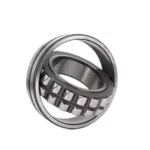
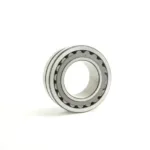
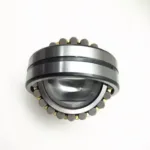
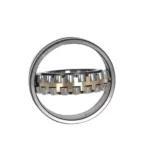
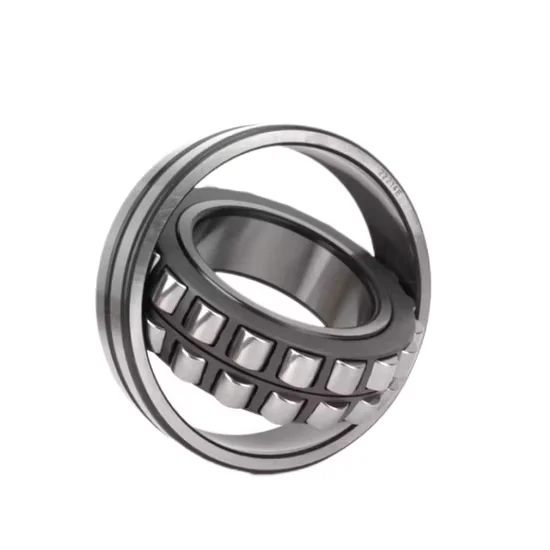
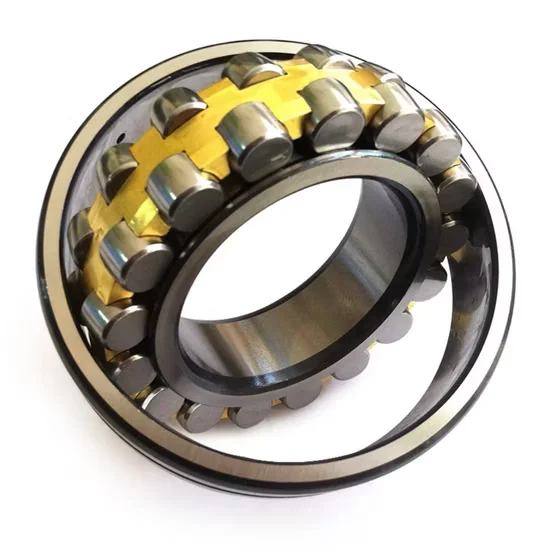
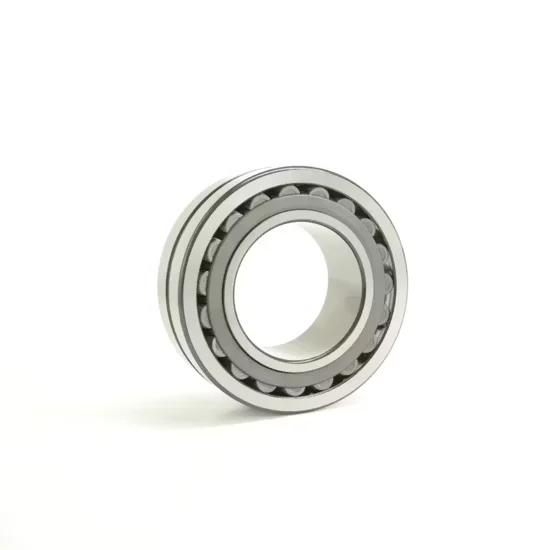
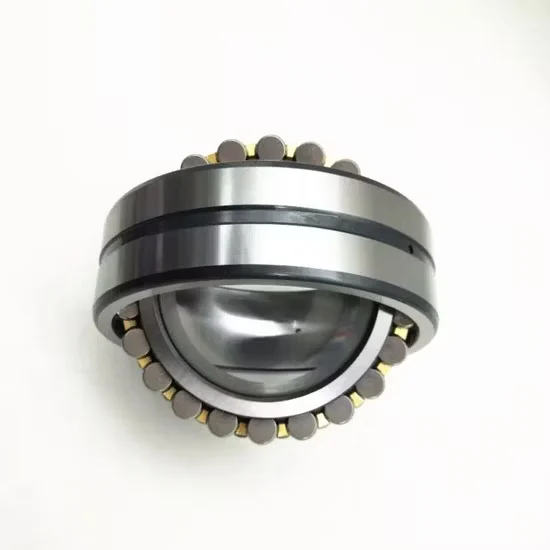
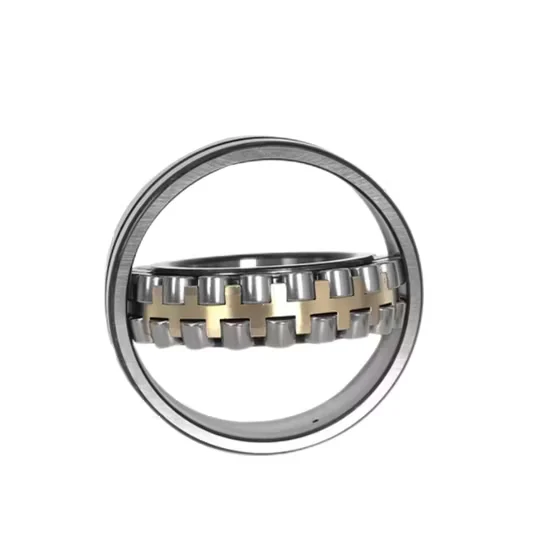
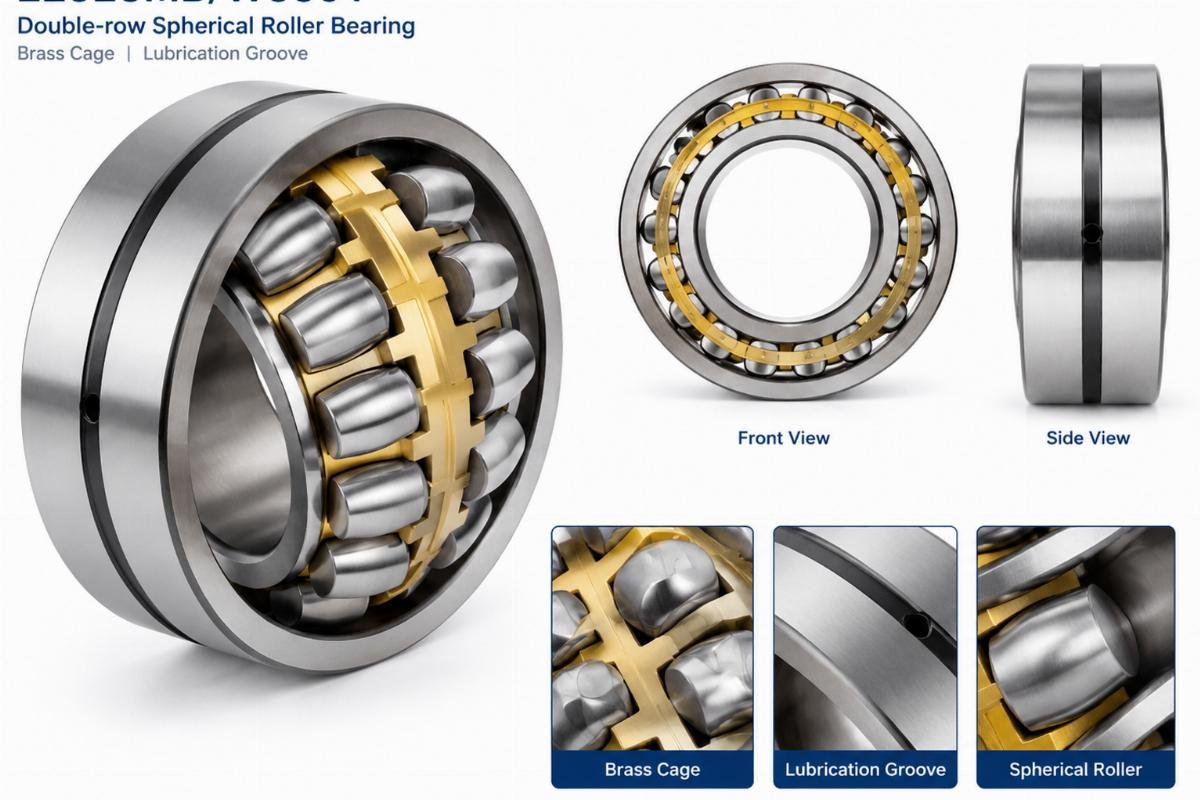
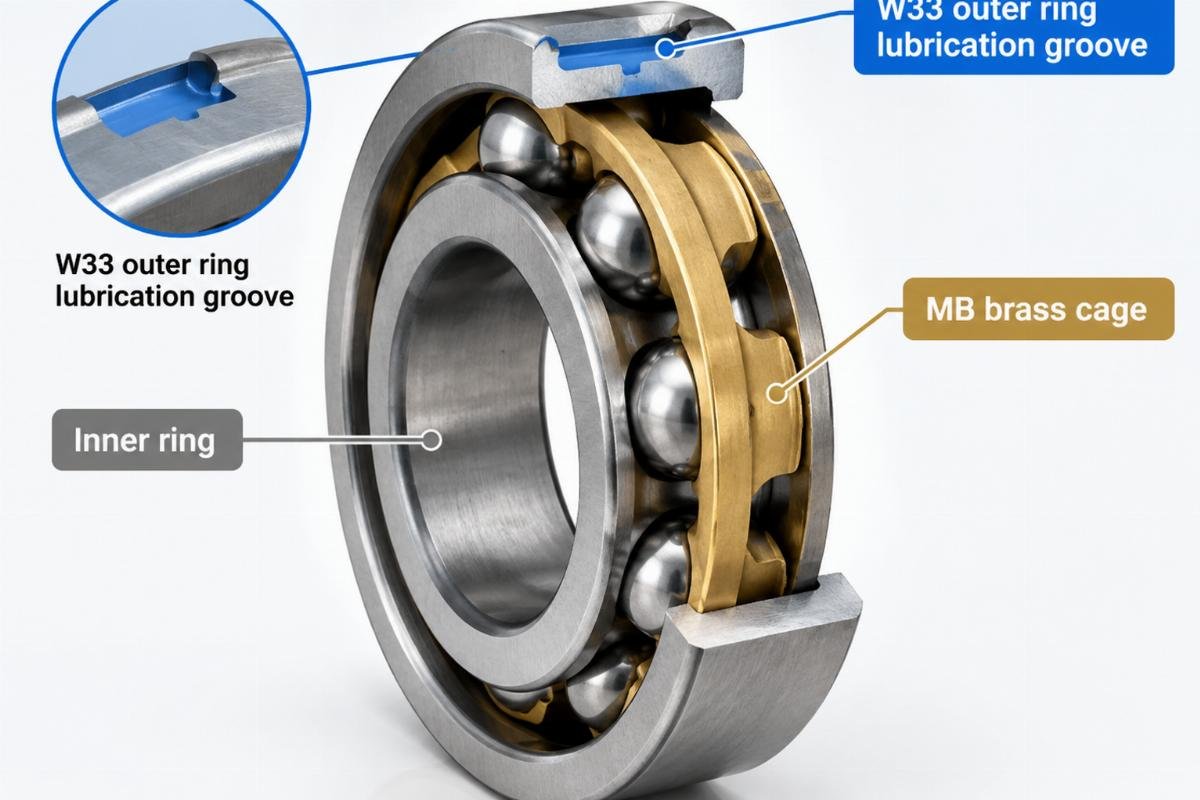
22328MB/W33c4 Spherical Roller Bearing — Double-row chrome steel Gcr15 construction with MB machined brass cage providing inner ring guidance for heavy-load and high-vibration conditions. W33 outer ring lubrication groove enables efficient relubrication, and c4 clearance accommodates extreme thermal expansion in mining and metallurgy operations.
Use the official app QR scan to confirm original batch traceability upon delivery.
Traceable Factory Batches — Every 22328MB/W33c4 spherical roller bearing ships with original mill heat numbers linking directly to the Gcr15 steel ladle analysis.
Technical Specifications
Parameter
Value
Designation
22328MB/W33c4
Bearing Type
Spherical Roller Bearing
Number of Rows
Double-Row
Material
Chrome Steel Gcr15
Cage Material
Machined Brass (Inner Ring Guided)
Lubrication Feature
Outer Ring Groove and Holes
Clearance Class
C4 Radial Internal Clearance
Origin
Shandong, China
Application Suitability
Industry
Typical Applications
Mining
Primary crusher main shafts, vibrating screens, conveyor pulleys
Metallurgy
Continuous casting machine rolls, rolling mill gearboxes
Why Crusher Shafts Seize Even With Heavy-Duty 22328MB/W33c4 spherical roller bearing Installations
Thermal expansion outpaces standard clearance limits when ambient and friction heat compound.
In West African mining sites, ambient temperatures easily push equipment beyond standard thermal thresholds. I once watched a primary crusher halt entirely because the installed bearings lacked the thermal compensation needed for the extreme friction heat generated at the main shaft. The inner rings expanded, eliminating the internal gap and causing catastrophic seizure within hours, halting the entire processing line and costing thousands in lost production [NEED_CITE: thermal seizure mechanisms in heavy machinery].
Aligning Misaligned Shafts Under Extreme Loads
Mining equipment rarely operates in perfect alignment due to foundation settling and structural flexing. The 22328MB/W33c4 spherical roller bearing accommodates significant angular misalignment while distributing massive radial loads across its double-row profile. Sourcing this specific configuration ensures your maintenance team receives exact OEM-equivalent geometry, eliminating the premature edge-loading that destroys standard cylindrical alternatives in heavy-duty applications.
Surviving Dust, Heat, and Heavy Shock Loads
Crusher environments subject components to severe shock loading, heavy axial thrust, and abrasive dust ingress. High operating temperatures drastically alter internal geometry, making standard clearances inadequate as the shaft expands faster than the housing. Effective relubrication becomes critical to flush out microscopic contaminants, requiring direct oil or grease pathways to the rolling elements rather than relying solely on sealed enclosures or external housing grease baths [NEED_CITE: contamination-induced wear in mining bearings].
Decoding the MB, W33, and c4 Suffixes
The MB designation specifies a machined brass cage guided by the inner ring, providing superior stability and vibration damping under heavy shock loads compared to pressed steel or polyamide alternatives. The W33 feature introduces a continuous lubrication groove and three distribution holes in the outer ring, allowing fresh grease to flow directly into the load zone during routine maintenance. Most critically, the c4 suffix indicates a larger-than-standard radial internal clearance, deliberately engineered to absorb the thermal expansion of the shaft without preload buildup at elevated operating temperatures, ensuring smooth rotation even when the housing reaches extreme heat levels.
The Downtime Penalty of Ignoring Clearance Specs
Substituting a standard CN or C3 clearance in high-heat applications leads to rapid internal preload as the shaft expands during operation. This unintentional preload spikes friction, generating even more heat in a destructive feedback loop that inevitably ends in cage failure, roller smearing, and severe shaft scoring. According to established failure analysis frameworks, thermal seizure and inadequate clearance selection account for a massive share of unplanned downtime and catastrophic component damage in mineral processing plants [NEED_CITE: bearing failure modes per ISO 15243].
Securing Exact Suffix Configurations from Global Inventory
Procuring the exact 22328MB/W33c4 spherical roller bearing is notoriously challenging because local distributors often substitute C3 for C4 or steel cages for brass when spot stock runs low. We maintain deep inventory of these precise suffix combinations across premium global brands and reliable domestic manufacturing lines. Our technical team verifies the MB cage guidance and W33 groove dimensions before dispatch, ensuring your replacement matches the original equipment manufacturer’s thermal and lubrication requirements perfectly without requiring you to coordinate with multiple separate suppliers.
Documentation & Authenticity
Mill heat number traceability linking the Gcr15 steel batch to the specific bearing rings.
Dimensional inspection reports confirming the C4 radial clearance falls within the precise tolerance band.
Material certification verifying the chrome steel composition and hardness profiles.
Cage verification documents proving the inner-ring guided MB brass construction.
Storage, Handling & Mounting
Store the W33 grooved bearings in original packaging to prevent dust from blocking the outer ring lubrication holes.
Use induction heaters for the inner ring mounting to preserve the exact C4 clearance without mechanical damage.
Keep the MB brass cage protected from corrosive chemicals during storage to maintain its structural integrity.
Align the W33 outer ring groove precisely with the housing lubrication port during installation for optimal grease flow.
Engineering Review for Your Specific Application
To ensure this configuration perfectly matches your machinery, share your operating temperatures, shaft speeds, and radial load profiles. Providing the OEM equipment number allows our engineers to cross-reference the exact clearance and cage requirements. We will validate the L10 life calculations and confirm whether the C4 clearance adequately compensates for your specific thermal expansion variables.
Frequently Asked Questions
Q: What is the practical difference between C3 and C4 clearance in crusher applications?
A: C3 provides extra clearance for moderate heat, but in high-temperature crusher shafts, thermal expansion can still eliminate the internal gap. The C4 clearance in this model offers a larger thermal buffer, preventing the inner ring from expanding into the rolling elements and causing thermal seizure under extreme friction and ambient heat.
Q: How does the W33 outer ring groove improve maintenance intervals?
A: The W33 feature provides a dedicated lubrication groove and holes directly through the outer ring. This allows maintenance crews to pump fresh grease straight into the bearing load zone, effectively flushing out abrasive mining dust and extending the relubrication intervals compared to bearings lacking this direct pathway.
Q: Why choose an MB machined brass cage over a pressed steel cage?
A: The MB cage is machined from solid brass and guided by the inner ring, offering superior structural integrity under heavy shock loads and high vibrations. Unlike pressed steel cages, the brass construction resists deformation and provides better vibration damping, which is critical for the erratic load profiles found in mining crushers.
Q: Can we cross-reference this exact suffix combination with other premium brands?
A: Yes, the MB, W33, and C4 suffix combination is a standardized configuration across major global manufacturers. When you provide your current OEM part number, our engineering team can cross-reference it to SKF, FAG, or NSK equivalents, ensuring the replacement matches the exact cage guidance and clearance specifications.
Shipping Information
EU Warehouse
3-7 working days (bonded stock)
Direct from China
Shanghai & Ningbo hubs (bulk / FCL)
Markets Served
DE · IT · PL · ES · NL · FR · EU+
Incoterms
DDP / DAP available on request
Minimum Order
Contact us for MOQ details
Documents Included with Every Shipment
EN and ISO Quality Certificates
Batch traceability and manufacturing standard
Material & Heat-Treatment Reports
Full material composition and process records
CE Declaration of Conformity
For bearing units and motion products
RoHS Compliance Declaration
Restriction of hazardous substances
EUR.1 Movement Certificate
Preferential origin for EU customs
Certificate of Origin
Country of manufacture documentation
Correct HS Codes
Pre-classified for smooth customs clearance
Commercial Invoice & Packing List
VAT-compliant intra-EU invoicing
Transparent Landed Cost with Tax Explanation
SKFEU provides full price transparency so EU buyers know exactly what they pay. No hidden duties, no surprise charges at customs.
VAT-Compliant Invoicing
All intra-EU transactions are invoiced with correct VAT treatment. B2B buyers with valid EU VAT numbers receive zero-rated invoices where applicable.
No Unexpected Import Duties
Goods shipped from our EU bonded warehouse arrive as intra-EU movements -- no import duties, no customs delays for EU-based buyers.
EUR.1 & Origin Docs Ready
For shipments direct from China, EUR.1 movement certificates and certificates of origin are prepared in advance to minimise customs clearance time.
DDP Pricing Available
Ask for Delivered Duty Paid quotations -- we absorb all import costs so your landed cost is fixed and predictable from day one.
Need a landed cost breakdown? Contact Sofia at
sofia@skfeu.com
or via WhatsApp for a full DDP quotation including freight, duties and VAT for your country.
Send Inquiry
Request Pricing & Availability
Share your requirements and Sofia will respond within one working day with pricing, lead time and full documentation details.