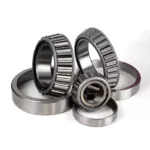
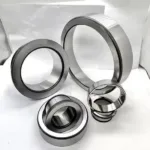
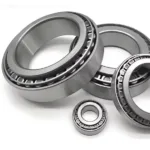
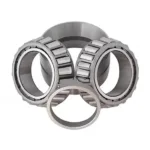
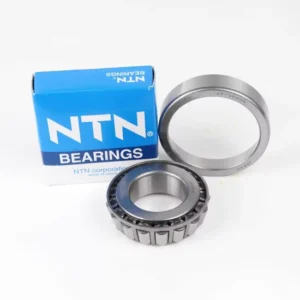
32205 Tapered Roller Bearing Single-Row Steel for Auto Industrial OEM Supply
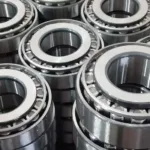
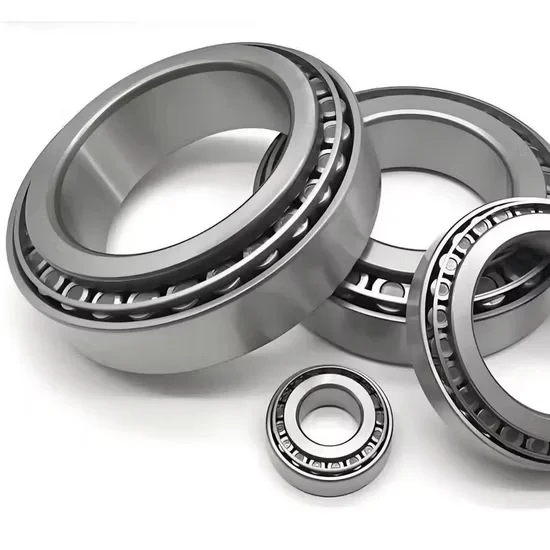
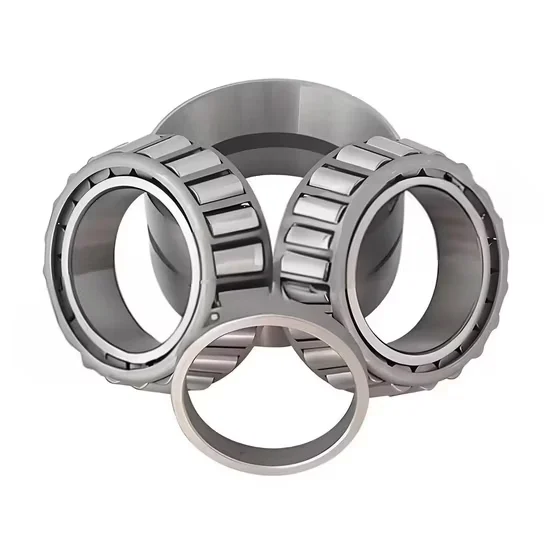
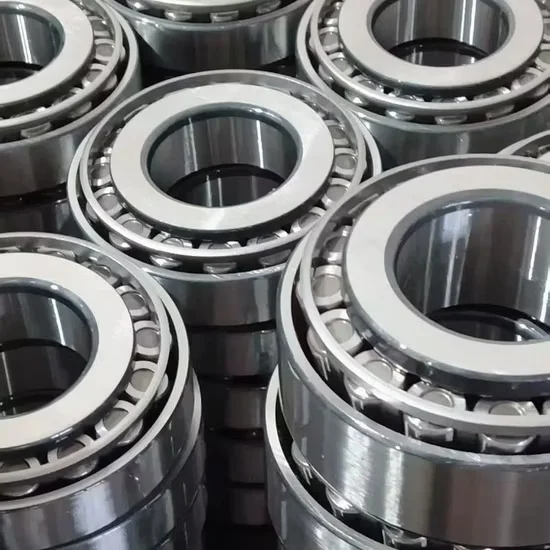
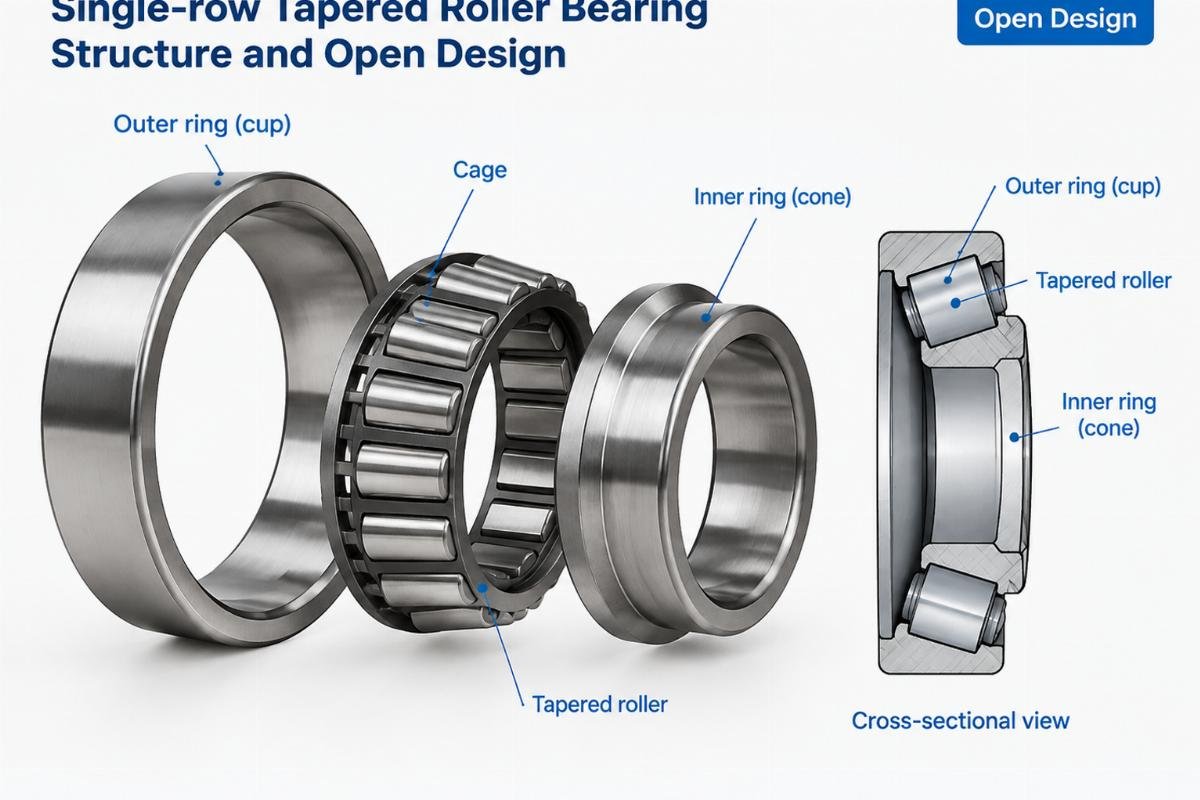
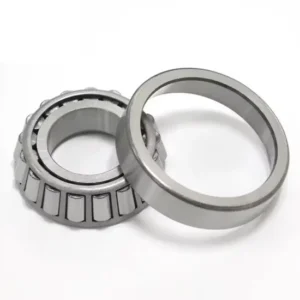
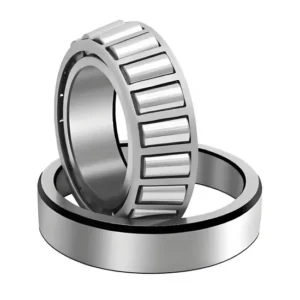
32205 Tapered Roller Bearing features an open design requiring external lubrication and sealing. Manufactured from bearing steel, this single-row unit delivers low friction torque and high-speed capability for automotive wheel hubs and industrial gearboxes. Normal P0 precision and standard clearance ensure reliable operation under combined radial and axial loads.
Verify batch authenticity via official brand QR apps for full traceability.
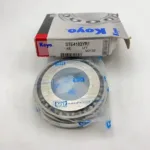
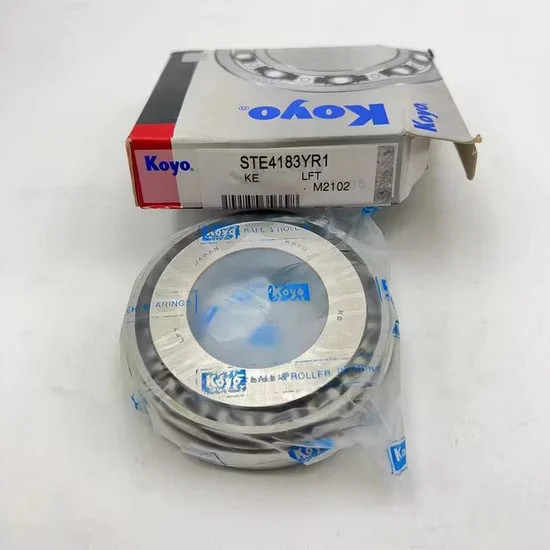
Multi-brand consolidated sourcing — Procure OZD, KOYO, NTN, and NSK variants of this single-row unit in one mixed shipment without juggling multiple vendors.
Technical Specifications
Parameter
Value
Designation
32205
Bearing Type
Tapered Roller Bearing
Material
Bearing Steel
Number of Rows
Single-Row
Friction Characteristic
Low Friction Torque
Performance Profile
Long Life / Low Noise
Design Features
High Speed and High Precision
Precision Class
Normal / P0
Clearance Class
Standard
Design
Open
Origin
Shandong, China
Application Suitability
Industry
Typical Applications
Automotive Manufacturing
Wheel hub assemblies and truck axle differentials
Industrial Machinery
Heavy-duty industrial gearboxes and power transmission units
Commercial Vehicles
Drive axles and steering mechanisms for transport fleets
Why Standard Clearance Fails in High-Heat Gearbox Environments for the 32205 tapered roller bearing
Thermal expansion traps the rolling elements when initial internal clearance is insufficient for the operating temperature.
Early in my field service days, I shipped standard clearance units to a mining site without verifying the ambient heat and friction load. The resulting thermal expansion caused catastrophic seizure, destroying the gear mesh. Now, evaluating the exact thermal profile is mandatory before confirming the internal geometry for any 32205 tapered roller bearing installation. [NEED_CITE: thermal expansion effects on internal bearing clearance]
Aligning Low Friction Torque with Automotive Drivetrain Demands
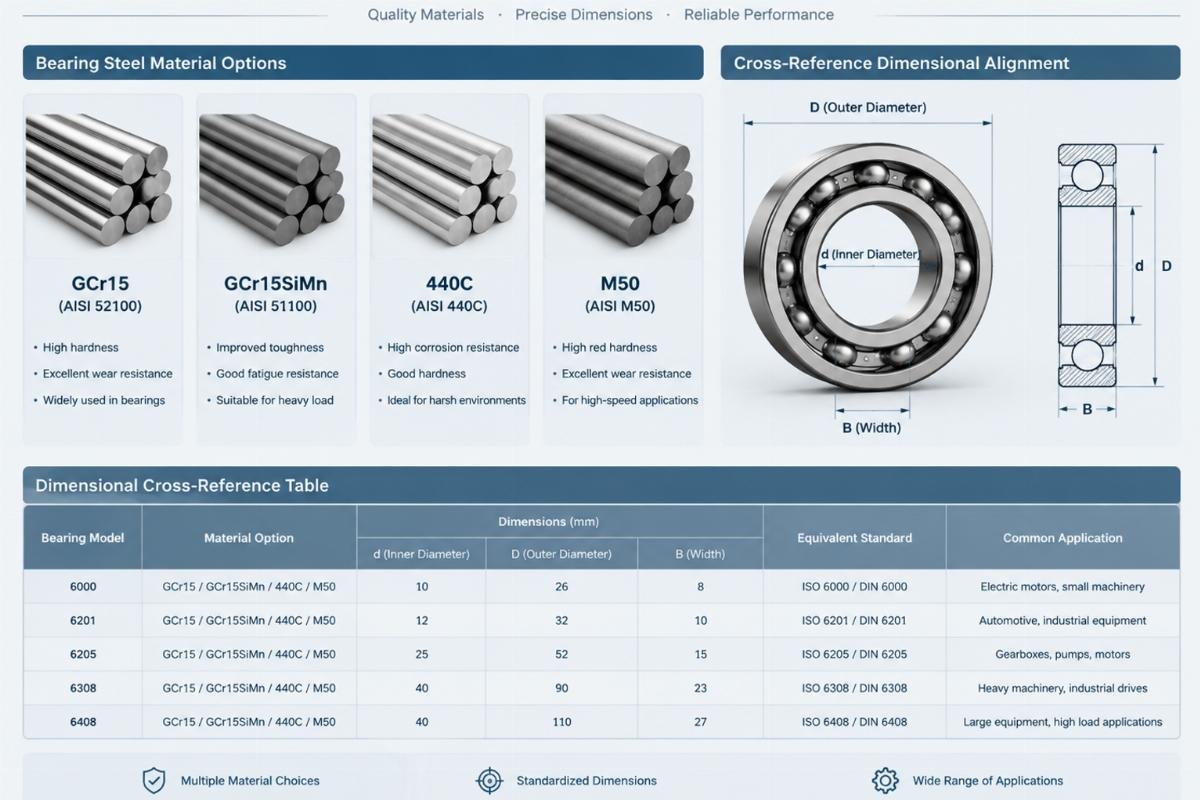
Automotive wheel hubs and truck axles demand components that minimize rotational resistance while handling combined loads. The low friction torque design of the 32205 tapered roller bearing ensures smooth power transfer and reduced heat generation in these high-speed applications. Our engineering team cross-references dimensional data across premium brands to ensure the selected unit perfectly matches the OEM drivetrain specifications.
Navigating Heavy Radial Loads and Contamination Risks
Truck axles and industrial gearboxes subject components to intense radial forces combined with significant axial thrust. Elevated operating temperatures can degrade standard lubricants, necessitating precise relubrication intervals for open-design units. Without integrated seals, preventing metallic debris and moisture ingress relies entirely on the housing sealing arrangement. Proper installation alignment is critical to prevent uneven load distribution across the single-row contact lines. [NEED_CITE: rolling bearing failure mode classification per ISO 15243]
Decoding the No-Suffix Configuration and Material Baseline
The absence of a suffix on this designation indicates normal P0 precision, standard internal clearance, and an open design without integrated seals. Standard clearance requires careful thermal management, as excessive heat will eliminate the internal play and cause binding. Available in standard bearing steel variants, the material provides the necessary core hardness and fatigue resistance for continuous automotive operation. Open designs allow for custom grease packing and direct oil bath lubrication within the gearbox housing. High-speed performance relies on the precise machining of the rollers and raceways to maintain low friction torque under dynamic loads.
The Cascading Impact of Improper Mounting and Clearance Loss
Applying direct flame heating during installation destroys the carefully engineered metallurgical structure, leading to premature spalling and raceway degradation. If the internal clearance is completely lost due to incorrect shaft interference or thermal gradients, the resulting friction generates runaway heat. This uncontrolled thermal cycle rapidly breaks down the lubricant film, causing metal-to-metal contact and catastrophic component seizure. Such failures often void equipment warranties and trigger extensive unplanned downtime across the entire production line. [NEED_CITE: mounting practices and metallurgical damage per ISO 281]
Securing Traceability and Technical Accuracy for Mixed Orders
Sourcing genuine components across OZD, KOYO, NTN, and NSK requires rigorous supply chain verification to avoid counterfeit parts that fail under axle loads. We provide complete batch traceability documentation for every 32205 tapered roller bearing shipped, ensuring authentic material properties. Our flexible consolidation allows you to mix this single-row unit with other drivetrain sizes in a single container. When substituting equivalents, our technical team verifies dimensional and load rating alignment to prevent fitment issues. Furthermore, our post-delivery support includes failure analysis guidance if unexpected wear patterns emerge in your gearboxes.
Documentation & Authenticity
Certificate of Conformity validating P0 precision tolerances for the single-row tapered geometry.
Original batch traceability records linking the bearing steel heat number to the manufacturer.
Dimensional inspection reports confirming bore and outside diameter limits before dispatch.
Official brand verification QR codes for authenticating KOYO, NTN, or NSK origins.
Material test certificates proving the metallurgical composition of the rings and rollers.
Storage, Handling & Mounting
Store the open-design units in original packaging to prevent moisture corrosion on the exposed bearing steel raceways.
Use induction heaters for mounting; direct flame heating destroys the heat-treated microstructure of the single-row rollers.
Maintain strict cleanliness during installation, as the lack of integrated seals leaves the low-friction contact zones vulnerable.
Verify the shaft interference fit carefully to preserve the standard internal clearance during automotive hub assembly.
Apply the specified gear oil or grease immediately after unboxing to protect the high-precision machined surfaces.
Preparing Your Technical Parameters for Order Verification
To ensure optimal selection, please share the exact radial and axial load profiles, operating speeds, and thermal conditions of your gearbox or axle. Provide the original equipment manufacturer part numbers so our engineers can perform a precise cross-reference check. Detailing the housing sealing arrangement will help us confirm if this open-design unit suits your contamination control strategy.
Frequently Asked Questions
Q: How do I verify the authenticity of multi-brand 32205 bearings from different manufacturers?
A: We supply comprehensive traceability documentation, including original batch records and Certificates of Conformity. You can also scan the official brand verification QR codes provided with KOYO, NTN, or NSK shipments. This ensures the bearing steel metallurgy and P0 precision tolerances meet genuine factory standards, protecting your automotive equipment from premature failure.
Q: What are the cross-reference considerations when substituting this model?
A: When evaluating cross-references, you must verify the exact internal clearance, precision class, and dimensional tolerances, not just the basic envelope dimensions. Our engineering team checks the load ratings and roller contact angles to ensure the substitute handles the specific combined loads of your truck axle or industrial gearbox without compromising service life.
Q: How should I manage lubrication for this open-design unit in a gearbox?
A: Since this configuration lacks integrated seals, it relies on the housing’s external sealing and the gearbox’s internal oil bath or circulating oil system. Ensure the lubricant viscosity matches the operating temperature and speed to maintain the low friction torque. Regular oil analysis is recommended to monitor contamination and prevent wear on the single-row contact paths.
Q: What is the proper installation method to preserve the standard clearance?
A: Avoid direct flame heating, which alters the bearing steel’s microstructure and causes dimensional instability. Use controlled induction heating for the inner ring and carefully measure the shaft interference fit. Excessive interference will reduce the standard internal clearance, leading to thermal expansion issues and potential seizure when the automotive wheel hub reaches operating temperatures.
Shipping Information
EU Warehouse
3-7 working days (bonded stock)
Direct from China
Shanghai & Ningbo hubs (bulk / FCL)
Markets Served
DE · IT · PL · ES · NL · FR · EU+
Incoterms
DDP / DAP available on request
Minimum Order
Contact us for MOQ details
Documents Included with Every Shipment
EN and ISO Quality Certificates
Batch traceability and manufacturing standard
Material & Heat-Treatment Reports
Full material composition and process records
CE Declaration of Conformity
For bearing units and motion products
RoHS Compliance Declaration
Restriction of hazardous substances
EUR.1 Movement Certificate
Preferential origin for EU customs
Certificate of Origin
Country of manufacture documentation
Correct HS Codes
Pre-classified for smooth customs clearance
Commercial Invoice & Packing List
VAT-compliant intra-EU invoicing
Transparent Landed Cost with Tax Explanation
SKFEU provides full price transparency so EU buyers know exactly what they pay. No hidden duties, no surprise charges at customs.
VAT-Compliant Invoicing
All intra-EU transactions are invoiced with correct VAT treatment. B2B buyers with valid EU VAT numbers receive zero-rated invoices where applicable.
No Unexpected Import Duties
Goods shipped from our EU bonded warehouse arrive as intra-EU movements -- no import duties, no customs delays for EU-based buyers.
EUR.1 & Origin Docs Ready
For shipments direct from China, EUR.1 movement certificates and certificates of origin are prepared in advance to minimise customs clearance time.
DDP Pricing Available
Ask for Delivered Duty Paid quotations -- we absorb all import costs so your landed cost is fixed and predictable from day one.
Need a landed cost breakdown? Contact Sofia at
sofia@skfeu.com
or via WhatsApp for a full DDP quotation including freight, duties and VAT for your country.
Send Inquiry
Request Pricing & Availability
Share your requirements and Sofia will respond within one working day with pricing, lead time and full documentation details.