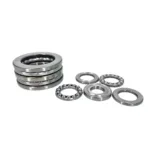
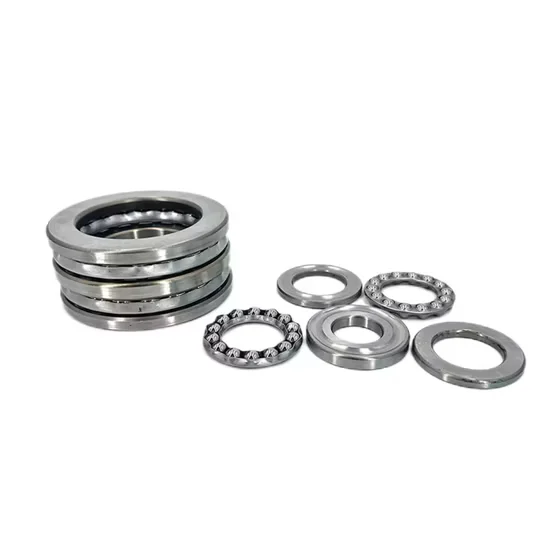
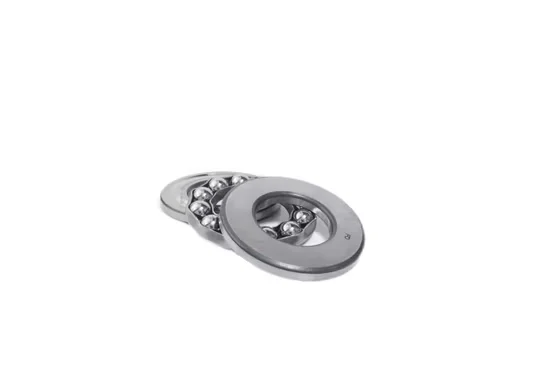
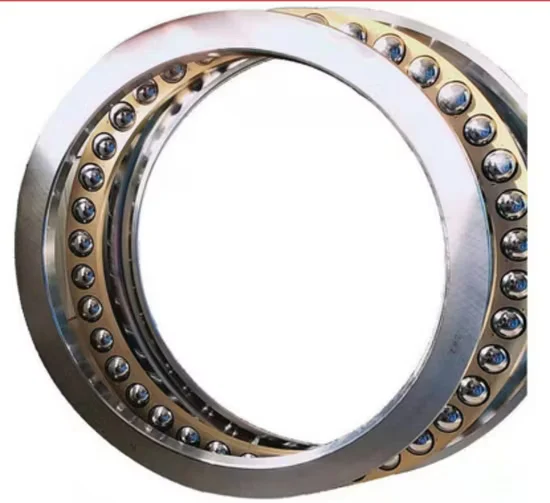
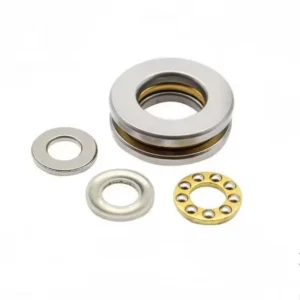
51101 Thrust Ball Bearing 12x26x9mm for Surf-Skate and CNC
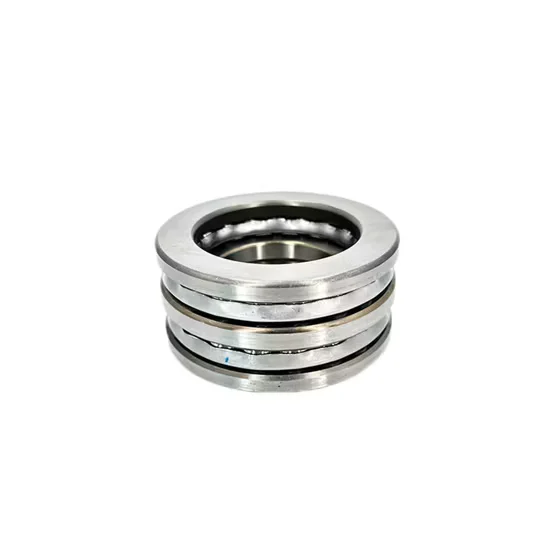
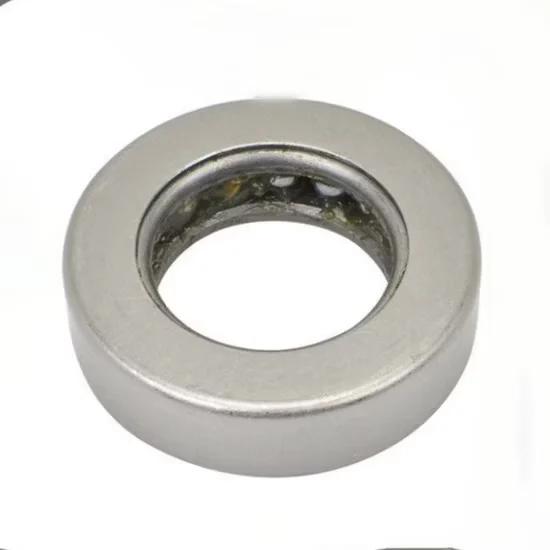
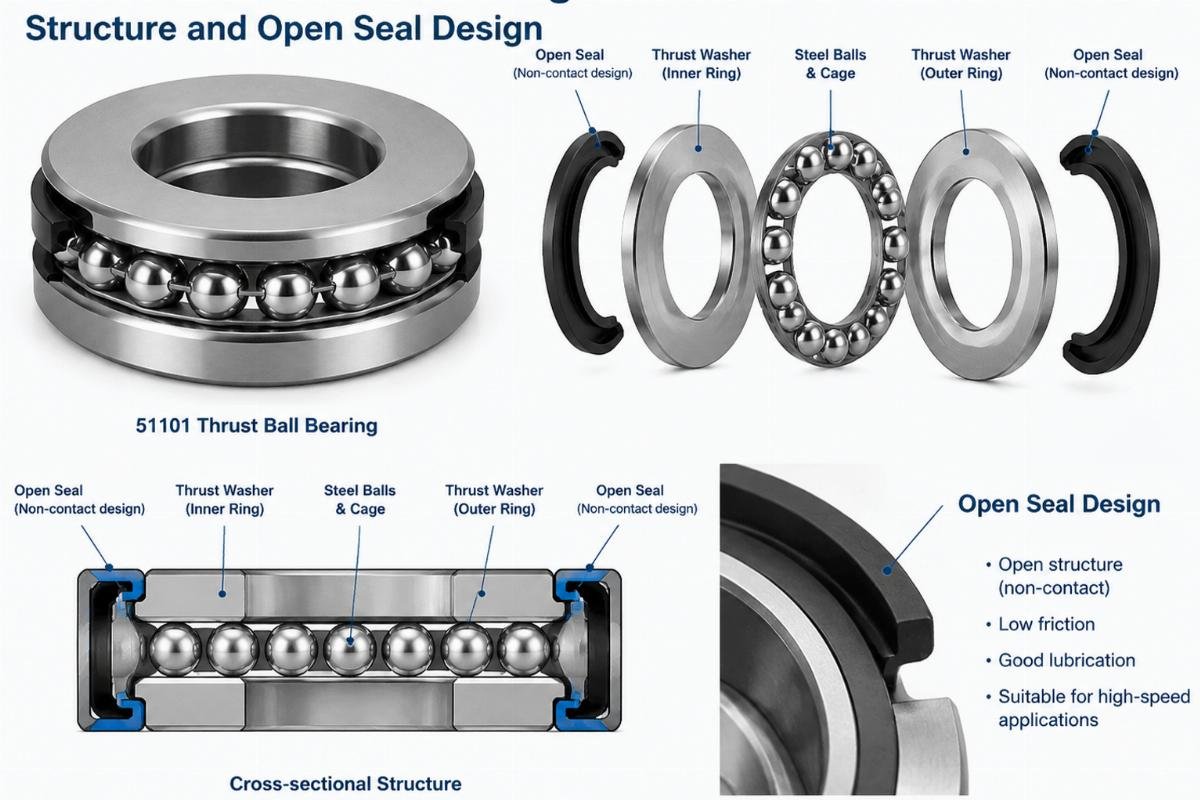
51101 Thrust Ball Bearing 12×26×9 mm — featuring open sealing for custom lubrication and stainless steel construction for reliable corrosion resistance in humid environments. This design supports moderate axial loads and is available in P0, P6, and P5 precision classes to match exact CNC or skate application tolerances.
Scan the QR code via our official app to instantly verify product authenticity and batch traceability.
Original Batch Traceability — Every 51101 shipment includes mill certificates linking the exact heat number to the forging facility.
Technical Specifications
Parameter
Value
Designation
51101
Bearing Type
Thrust Ball Bearing
Bore Diameter (d)
12 mm
Outside Diameter (D)
26 mm
Width (T)
9 mm
Number of Rows
Single Row / Double Row
Seal or Shield Type
Open
Material
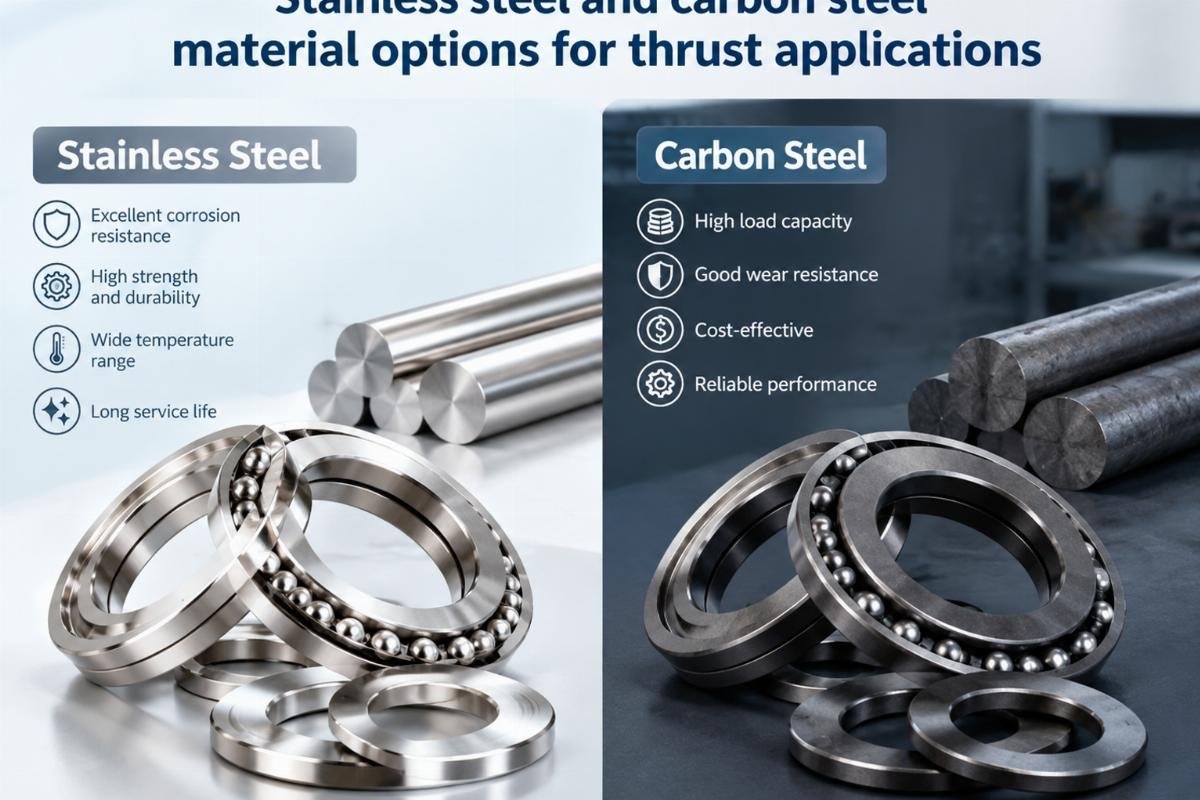
Stainless steel and carbon steel variants available
Precision Class
P0, P6, P5
Application Suitability
Industry
Typical Applications
Custom Sporting Goods
Surf-skate front truck pivot mechanisms
Precision Machining
Mini mill CNC vertical feed shafts
General Manufacturing
Machine tool vertical axis supports
Why Precision Tolerance Dictates Survival for the 51101 thrust ball bearing
Axial runout compounds rapidly under high-frequency micro-vibrations.
Years ago in Dubai, I supplied a batch of these exact bearings for a client’s mini mill CNC setup. We accidentally mixed in standard P0 tolerance units instead of the specified higher precision. The resulting spindle runout ruined an entire production run of machined parts. [NEED_CITE: spindle runout amplification in precision machining] That incident permanently changed how I verify axial tolerance stacks before dispatch.
Matching Axial Load Profiles to Custom Builds
When integrating a 51101 thrust ball bearing into a surf-skate front truck or a vertical CNC axis, the primary demand is handling pure axial loads without radial interference. Our engineering team cross-references your specific load vectors to ensure the selected variant handles the dynamic thrust without premature raceway spalling. We consolidate mixed-precision orders so you get exactly what the application demands.
Navigating Environmental and Friction Challenges
Vertical shafts and outdoor skate setups expose components to moisture and particulate ingress. Since the open sealing type lacks integrated contact seals, external contamination easily reaches the rolling elements, accelerating wear. [NEED_CITE: contamination impact on bearing fatigue life] Operators must establish strict relubrication intervals using compatible greases to flush out debris. Furthermore, choosing between stainless steel or standard carbon steel variants directly dictates how well the component resists corrosive outdoor elements or coolant splash in machine tools.
Decoding the Tolerance and Material Options
The available P0, P6, and P5 precision classes define the strictness of dimensional and running accuracy. While P0 suffices for general low-speed vertical supports, P6 and P5 are mandatory for mini mill CNC spindles where micrometer-level axial positioning is critical. The open design facilitates custom lubrication routines but requires external sealing solutions from the housing. Additionally, opting for stainless steel variants provides substantially higher corrosion resistance compared to standard bearing steel, making it ideal for marine or washdown environments.
The Hidden Toll of Compromised Specifications
Installing a lower precision class in a high-speed vertical axis leads to catastrophic vibration and premature failure. According to failure mode classifications per ISO 15243, inadequate tolerance matching frequently causes localized stress concentrations on the raceways. [NEED_CITE: rolling bearing failure mode classification per ISO 15243] This results in unplanned downtime, voided equipment warranties, and extensive secondary damage to adjacent spindle components.
Securing Your Supply Chain Against Counterfeits
Sourcing a genuine 51101 thrust ball bearing requires more than just a catalog. We provide complete traceability documentation for every unit, ensuring the precision class matches your CNC requirements. Our massive spot inventory covers thousands of standard part numbers, allowing flexible MOQ from single emergency spares to full container loads. We also offer cross-brand equivalent model consultation, ensuring you never compromise on axial accuracy when substituting unavailable OEM parts.
Documentation & Authenticity
Mill certificates linking heat numbers to the original forging facility.
Dimensional inspection reports confirming P5 or P6 axial runout limits.
Material certification verifying stainless steel grade corrosion resistance.
Original manufacturer batch traceability records for every shipped unit.
Storage, Handling & Mounting
Store open-type units in original packaging to prevent dust ingress before CNC installation.
Use clean gloves when handling stainless steel variants to avoid carbon steel cross-contamination.
Apply specified axial preload during mounting to eliminate internal clearance in vertical shafts.
Keep P5 precision units sealed until the exact moment of surf-skate truck assembly.
Engineering Review Requirements
To finalize the optimal configuration, please share your specific axial load calculations, operating speeds, and environmental exposure details. Providing the OEM equipment model number allows our technical team to perform precise cross-reference verification. This ensures the selected precision class and material variant perfectly align with your operational parameters.
Frequently Asked Questions
Q: How do I choose precision classes for a 51101 thrust ball bearing in CNC applications?
A: P0 is suitable for general low-speed vertical supports where strict positioning is unnecessary. For mini mill CNC vertical feed shafts, P6 or P5 is mandatory to prevent axial runout and ensure micrometer-level machining accuracy. Always match the tolerance class to your specific spindle vibration requirements.
Q: What are the lubrication recommendations for open-type stainless steel variants?
A: Open designs require external lubrication since they lack integrated seals. Use a high-quality, water-resistant grease compatible with stainless steel to prevent galvanic corrosion. Establish regular relubrication intervals to flush out particulate contamination, especially in outdoor surf-skate or washdown machine tool environments.
Q: Can this stainless steel version replace standard carbon steel variants directly?
A: Yes, the dimensional envelope remains identical, allowing direct physical replacement. However, stainless steel variants have different load capacity limits and thermal expansion characteristics compared to standard bearing steel. Verify that the dynamic thrust load of your application falls within the adjusted rating for the chosen material.
Q: How do I verify the authenticity of the precision class upon delivery?
A: Every shipment includes original manufacturer batch traceability records and dimensional inspection reports. These documents confirm the exact running accuracy and axial runout limits, ensuring the delivered units genuinely meet the specified P5 or P6 tolerance requirements before they are mounted into your equipment.
Shipping Information
EU Warehouse
3-7 working days (bonded stock)
Direct from China
Shanghai & Ningbo hubs (bulk / FCL)
Markets Served
DE · IT · PL · ES · NL · FR · EU+
Incoterms
DDP / DAP available on request
Minimum Order
Contact us for MOQ details
Documents Included with Every Shipment
EN and ISO Quality Certificates
Batch traceability and manufacturing standard
Material & Heat-Treatment Reports
Full material composition and process records
CE Declaration of Conformity
For bearing units and motion products
RoHS Compliance Declaration
Restriction of hazardous substances
EUR.1 Movement Certificate
Preferential origin for EU customs
Certificate of Origin
Country of manufacture documentation
Correct HS Codes
Pre-classified for smooth customs clearance
Commercial Invoice & Packing List
VAT-compliant intra-EU invoicing
Transparent Landed Cost with Tax Explanation
SKFEU provides full price transparency so EU buyers know exactly what they pay. No hidden duties, no surprise charges at customs.
VAT-Compliant Invoicing
All intra-EU transactions are invoiced with correct VAT treatment. B2B buyers with valid EU VAT numbers receive zero-rated invoices where applicable.
No Unexpected Import Duties
Goods shipped from our EU bonded warehouse arrive as intra-EU movements -- no import duties, no customs delays for EU-based buyers.
EUR.1 & Origin Docs Ready
For shipments direct from China, EUR.1 movement certificates and certificates of origin are prepared in advance to minimise customs clearance time.
DDP Pricing Available
Ask for Delivered Duty Paid quotations -- we absorb all import costs so your landed cost is fixed and predictable from day one.
Need a landed cost breakdown? Contact Sofia at
sofia@skfeu.com
or via WhatsApp for a full DDP quotation including freight, duties and VAT for your country.
Send Inquiry
Request Pricing & Availability
Share your requirements and Sofia will respond within one working day with pricing, lead time and full documentation details.