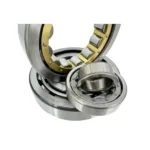
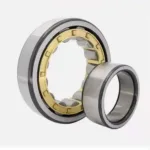
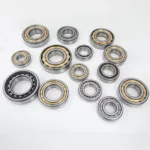
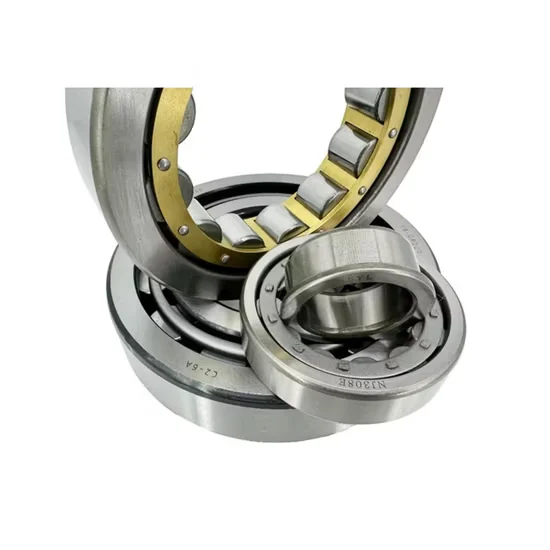
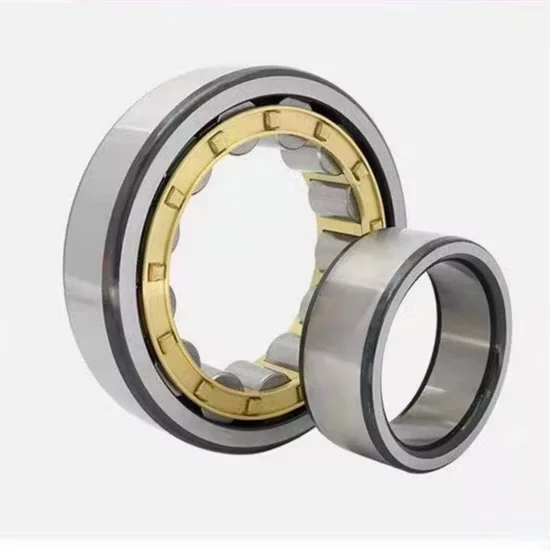
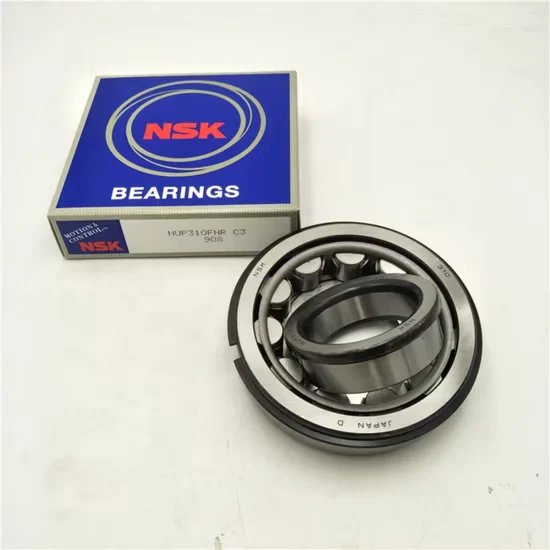
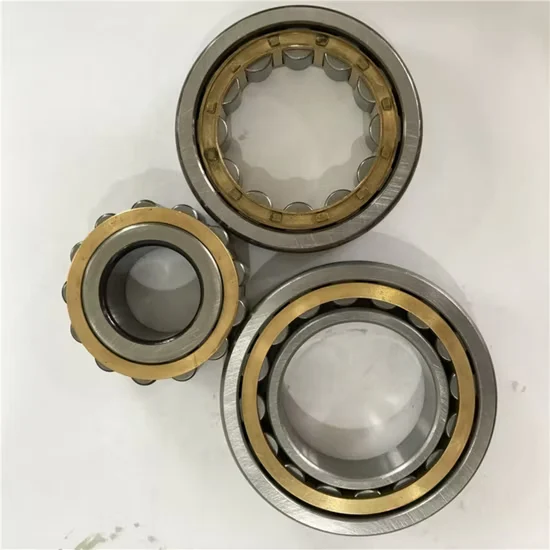
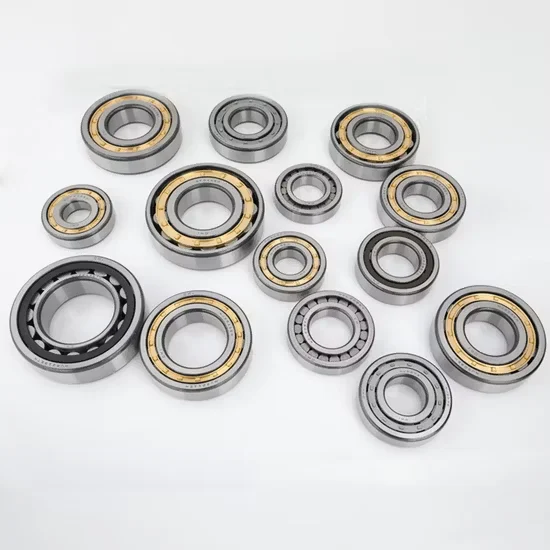
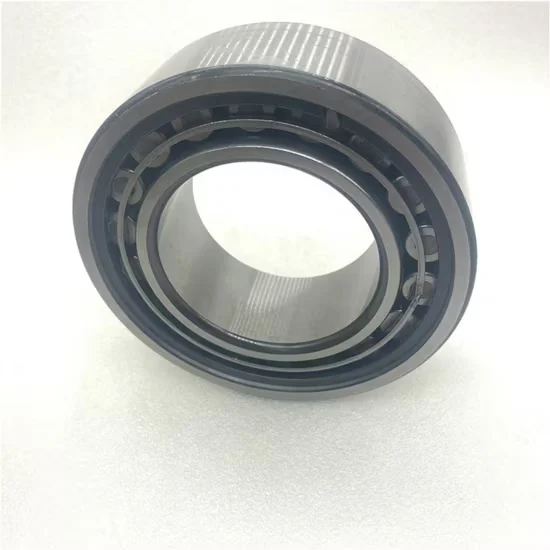
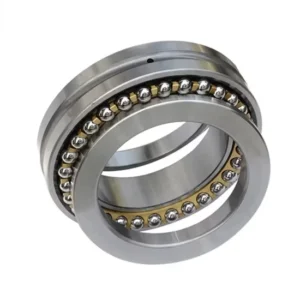
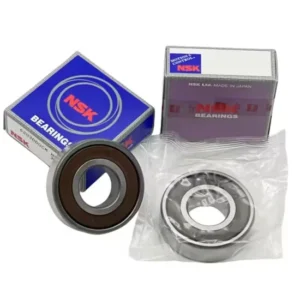
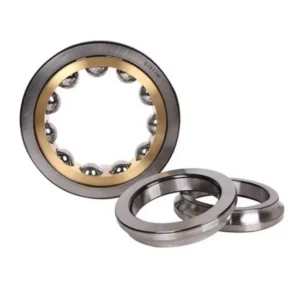
C3 C4 Clearance High Temperature Resistant Cylindrical Roller Bearing
High Temperature Resistant Cylindrical Roller Bearing — GCr15 chrome steel construction featuring C3/C4 clearance for thermal expansion in extreme heat.
Engineered for heavy-duty gearboxes and rolling mills, the rigid non-aligning structure handles massive radial loads.
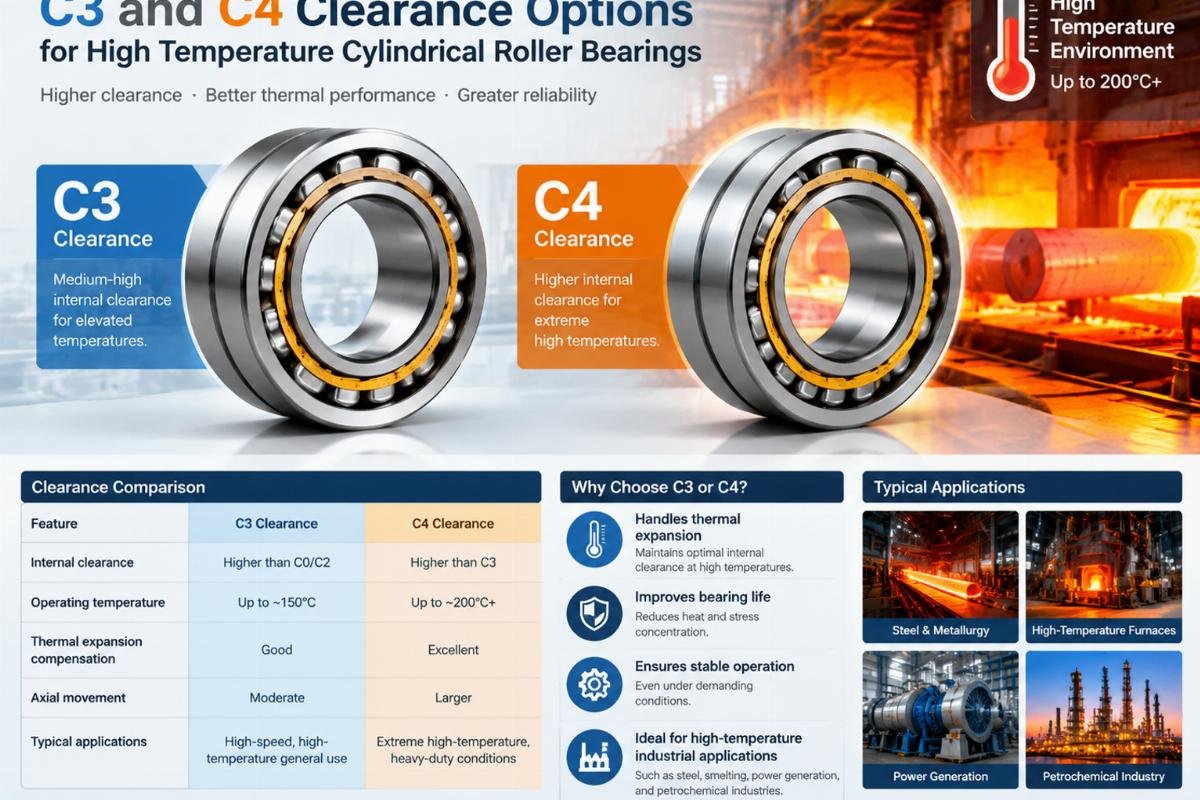
C3 and C4 internal clearances effectively prevent binding during high-temperature continuous operation.
Single and double-row configurations ship with complete original factory batch traceability documentation.
Replies within 1 working day · Dedicated account manager
Specifications
C3 ClearanceCylindrical Roller BearingGenuine BearingHeavy Duty GearboxHigh TemperatureIndustrial EquipmentTraction Motor
Lead Time
3-7 working days
EU bonded warehouse · Fast-moving stock
Compliance
Full EU package
EN · ISO · CE · RoHS · EUR.1
Traceable Batch Records — Every order from our high temperature resistant cylindrical roller bearing supplier network includes verifiable mill certificates linking back to the specific steel heat and machining lot.
Technical Specifications
Parameter
Value
Product Type
High Temperature Resistant Cylindrical Roller Bearing
Number of Rows
Single / Double-Row
Material
Chrome Steel GCr15 / 100Cr6
Clearance Class
C3 / C4
Alignment
Non-Aligning Bearings
Customization
Available
Origin
Shandong, China
Application Suitability
Industry
Typical Applications
Heavy Machinery
Heavy-duty gearboxes and rolling mill stands
Industrial Processing
High-temperature industrial equipment and traction motors
Why Standard Clearances Fail in High-Heat Rolling Mills
When standard CN clearance bearings are installed in high-heat environments, the inner ring expands faster than the housing. This thermal growth consumes the internal gap, leading to extreme friction and sudden lock-ups that halt entire production lines. I have witnessed firsthand how a simple clearance mismatch on a rolling mill stand can trigger a complete plant shutdown. Sourcing from a reliable high temperature resistant cylindrical roller bearing supplier ensures you receive C3 or C4 options specifically engineered to absorb these thermal shifts [NEED_CITE: thermal expansion effects on bearing internal clearance].
Matching Material Options to Extreme Thermal Demands
Selecting the right high temperature resistant cylindrical roller bearing supplier means securing access to specialized material variants. Our portfolio offers GCr15 and 100Cr6 chrome steel options, providing the necessary hardness and wear resistance for demanding environments. We cross-reference your exact operating temperatures to recommend the optimal steel grade and heat treatment combination. Proper material selection ensures the bearing maintains its structural integrity and load-carrying capacity even when subjected to continuous thermal cycling in heavy-duty industrial processing equipment.
Managing Radial Loads and Thermal Gradients
Rolling mill stands and traction motors subject bearings to immense radial loads combined with severe thermal gradients. Elevated temperatures degrade standard lubricants, requiring specialized high-temperature greases or oil circulation systems to maintain the protective film. Furthermore, the non-aligning rigid structure demands precise housing alignment to prevent edge loading on the rollers [NEED_CITE: rolling bearing failure mode classification per ISO 15243]. Misalignment in these high-load applications quickly accelerates fatigue spalling, drastically reducing the operational lifespan of the bearing assembly.
Decoding Clearance Classes and Row Configurations
The choice between single-row and double-row configurations depends entirely on the available installation space and the magnitude of the radial load. Single-row designs offer easier mounting and accommodate higher speeds, while double-row variants provide superior load-carrying capacity for compact gearbox designs. More critically, the clearance class dictates survival in high-heat zones. C3 clearance provides a larger internal gap than standard, accommodating moderate thermal expansion. For extreme heat applications where the inner ring reaches significantly higher temperatures than the outer ring, C4 clearance becomes mandatory to prevent operational binding. Selecting the correct clearance prevents the inner ring from expanding into the rollers during thermal soak, ensuring smooth rotation under peak operating temperatures.
The Operational Impact of Incorrect Clearance Selection
Installing a standard clearance bearing in a high-temperature zone guarantees premature failure through skidding and cage disintegration. According to ISO 15243 frameworks, this type of failure manifests as severe smearing on the roller surfaces and raceways [NEED_CITE: bearing damage classification per ISO 15243]. The resulting unplanned downtime far exceeds the initial cost savings of specifying the wrong part. Ultimately, catastrophic damage to the shaft and housing often requires complete assembly replacement rather than a simple bearing swap, multiplying the financial impact on the maintenance budget.
Securing Genuine Traceability for Critical Spares
Choosing an experienced high temperature resistant cylindrical roller bearing supplier requires absolute confidence in material authenticity and clearance accuracy. We provide complete traceability documentation, ensuring the GCr15 or 100Cr6 chrome steel meets exact metallurgical specifications. Our massive spot inventory covers thousands of standard and special part numbers, enabling rapid dispatch for urgent maintenance requirements. We also offer cross-brand equivalent model consultation, helping you transition smoothly if your original OEM brand faces extended lead times. Every shipment includes rigorous dimensional inspection reports verifying the precise C3 or C4 internal gaps before dispatch, eliminating the risk of receiving mislabeled stock.
Documentation & Authenticity
Certificate of Conformity verifying GCr15 or 100Cr6 material composition.
Mill heat numbers linking each bearing to its specific steel batch.
Dimensional inspection reports confirming exact C3 or C4 internal clearance.
Running accuracy test results validating the non-aligning rigid structure.
Origin certificates confirming manufacturing location for customs compliance.
Storage, Handling & Mounting
Store C3 and C4 clearance bearings in original packaging to prevent dust ingress affecting internal gaps.
Use induction heating for inner ring mounting to preserve the precise chrome steel hardness.
Keep single and double-row variants separated to avoid mix-ups during urgent maintenance.
Apply high-temperature compatible lubricants immediately after unsealing to protect the GCr15 surfaces.
Verify housing alignment before pressing the non-aligning outer ring to prevent edge loading.
Defining Your Application Parameters
To ensure accurate model selection, please provide your equipment specifications, including the exact operating temperature range and radial load profiles. Share the available installation space dimensions and current lubrication methods so our engineering team can determine the optimal single or double-row configuration. Detailing the environmental exposure, such as dust or moisture levels, will help us recommend the most suitable material and clearance combination. Supplying the original equipment manufacturer data allows us to perform precise cross-referencing and validate the technical requirements for your specific machinery.
Frequently Asked Questions
Q: How do I determine whether my application requires C3 or C4 clearance?
A: The decision depends on the temperature differential between the inner and outer rings during operation. C3 clearance accommodates moderate thermal expansion typical in standard industrial heating. However, if the shaft temperature significantly exceeds the housing temperature, C4 clearance is necessary to prevent the internal gap from closing completely and causing seizure.
Q: What are the common failure modes for these bearings in high-heat environments?
A: In high-temperature applications, inadequate clearance typically leads to thermal seizure, resulting in severe smearing and cage disintegration. Additionally, standard lubricants can oxidize or carbonize, causing abrasive wear. Ensuring proper clearance selection and utilizing specialized high-temperature lubricants are critical steps to mitigate these specific failure mechanisms.
Q: Should I choose a single-row or double-row configuration for my gearbox?
A: Single-row cylindrical roller bearings are generally preferred when higher speeds and easier mounting are required. Conversely, double-row configurations are selected for heavy-duty gearboxes where space is limited but the radial load capacity demands are exceptionally high. Your specific installation envelope and load magnitude will dictate the correct choice.
Q: How can I verify the material quality of the chrome steel used?
A: We provide comprehensive traceability documentation with every shipment. This includes material certificates detailing the exact chemical composition of the GCr15 or 100Cr6 chrome steel, along with mill heat numbers. These documents ensure the steel meets the required hardness and wear resistance standards for high-temperature operations.
Shipping Information
EU Warehouse
3-7 working days (bonded stock)
Direct from China
Shanghai & Ningbo hubs (bulk / FCL)
Markets Served
DE · IT · PL · ES · NL · FR · EU+
Incoterms
DDP / DAP available on request
Minimum Order
Contact us for MOQ details
Documents Included with Every Shipment
EN and ISO Quality Certificates
Batch traceability and manufacturing standard
Material & Heat-Treatment Reports
Full material composition and process records
CE Declaration of Conformity
For bearing units and motion products
RoHS Compliance Declaration
Restriction of hazardous substances
EUR.1 Movement Certificate
Preferential origin for EU customs
Certificate of Origin
Country of manufacture documentation
Correct HS Codes
Pre-classified for smooth customs clearance
Commercial Invoice & Packing List
VAT-compliant intra-EU invoicing
Transparent Landed Cost with Tax Explanation
SKFEU provides full price transparency so EU buyers know exactly what they pay. No hidden duties, no surprise charges at customs.
VAT-Compliant Invoicing
All intra-EU transactions are invoiced with correct VAT treatment. B2B buyers with valid EU VAT numbers receive zero-rated invoices where applicable.
No Unexpected Import Duties
Goods shipped from our EU bonded warehouse arrive as intra-EU movements -- no import duties, no customs delays for EU-based buyers.
EUR.1 & Origin Docs Ready
For shipments direct from China, EUR.1 movement certificates and certificates of origin are prepared in advance to minimise customs clearance time.
DDP Pricing Available
Ask for Delivered Duty Paid quotations -- we absorb all import costs so your landed cost is fixed and predictable from day one.
Need a landed cost breakdown? Contact Sofia at
sofia@skfeu.com
or via WhatsApp for a full DDP quotation including freight, duties and VAT for your country.
Send Inquiry
Request Pricing & Availability
Share your requirements and Sofia will respond within one working day with pricing, lead time and full documentation details.