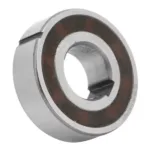
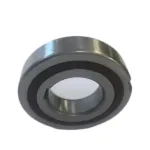
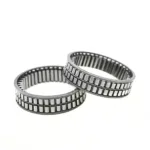
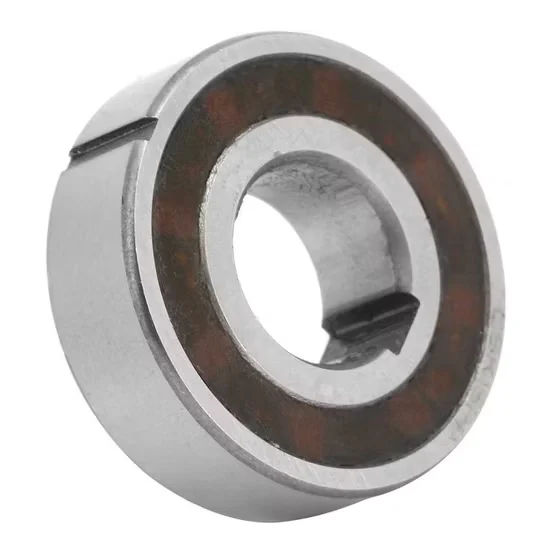
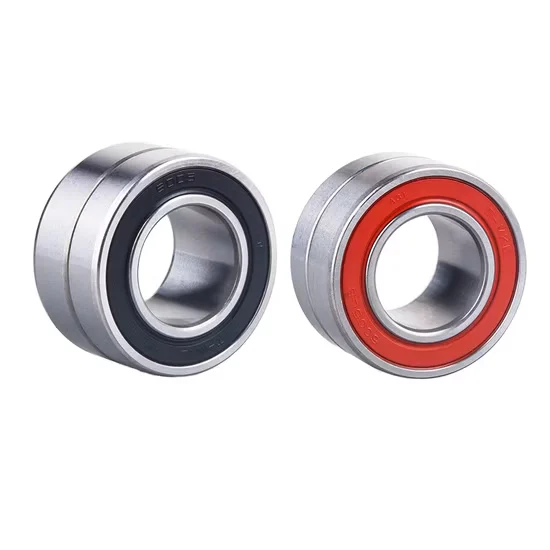
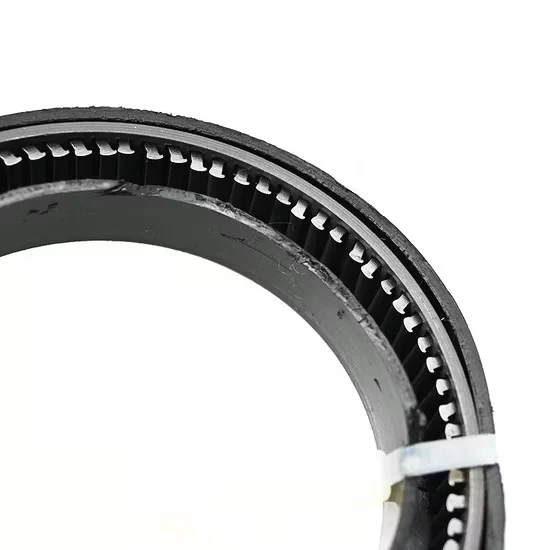
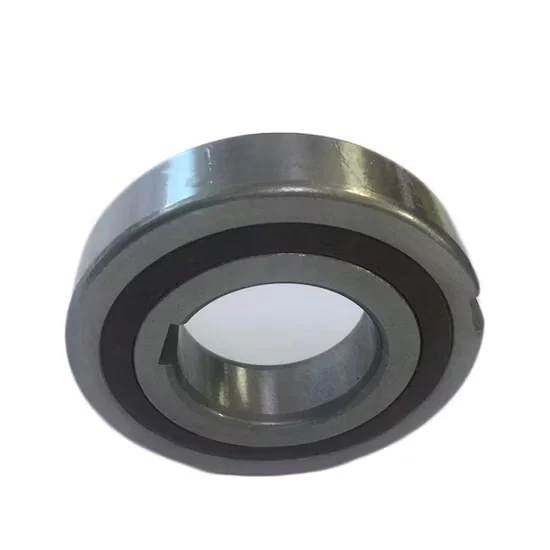
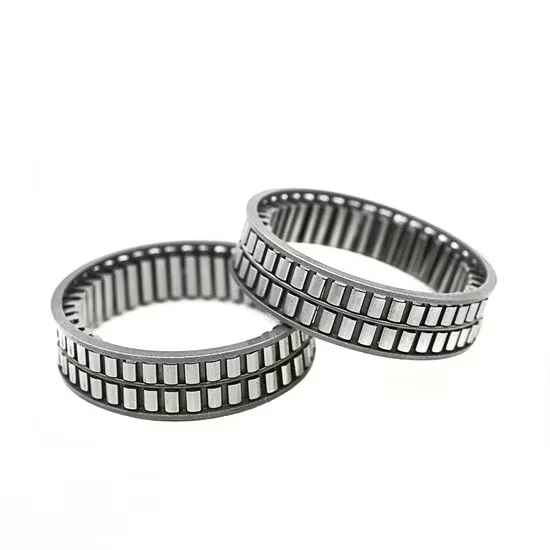
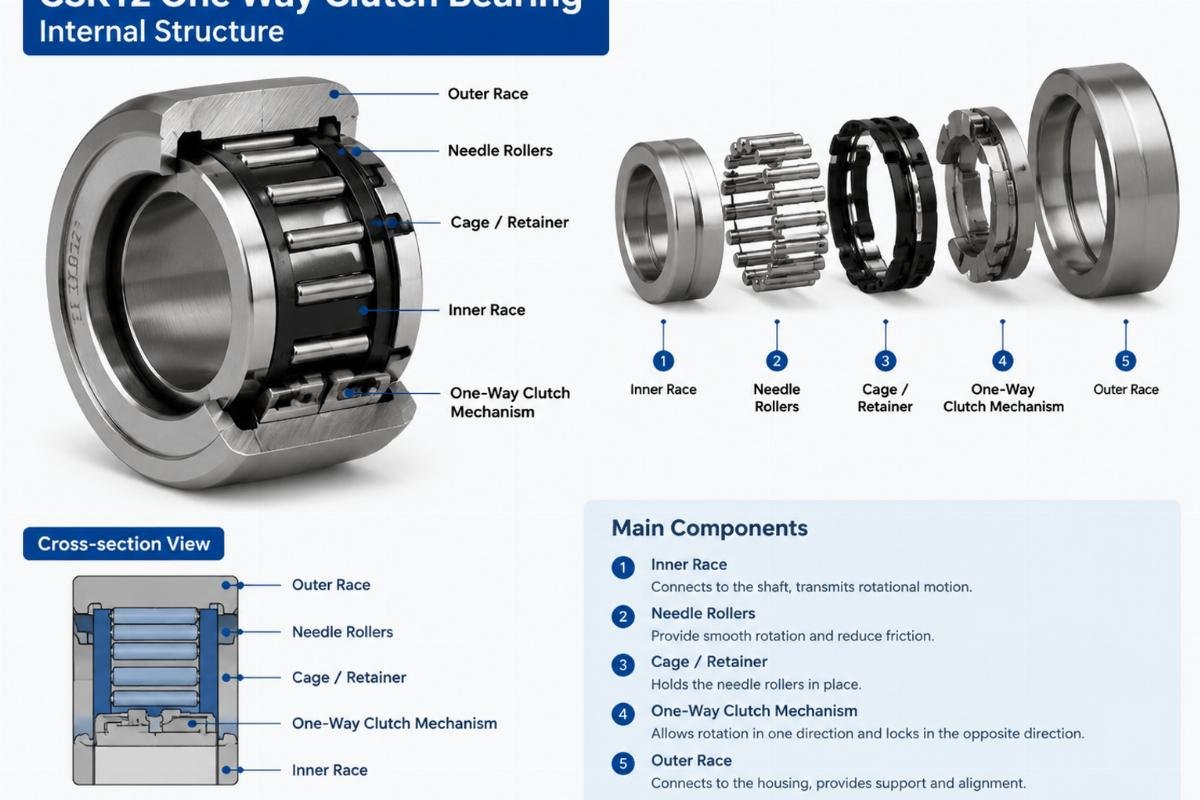
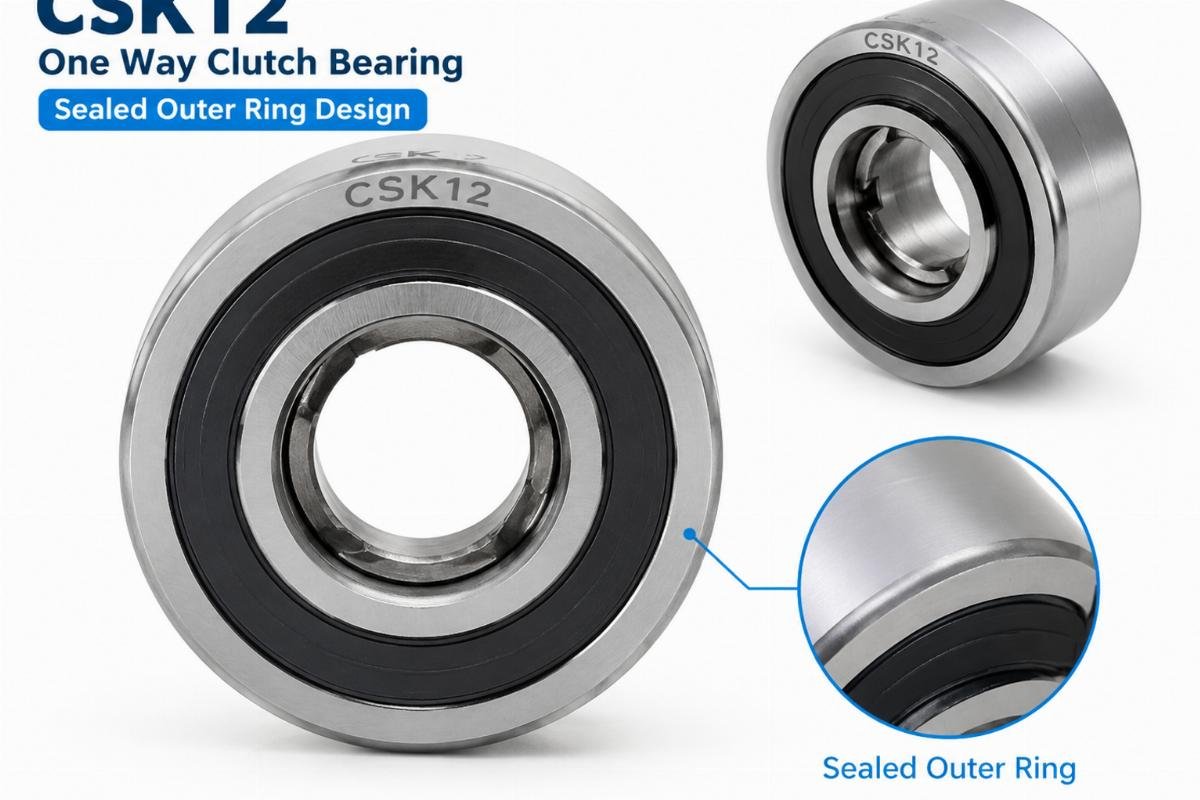
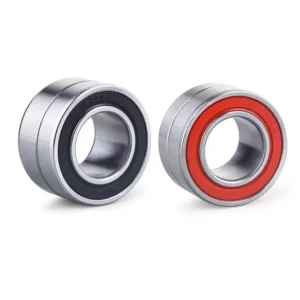
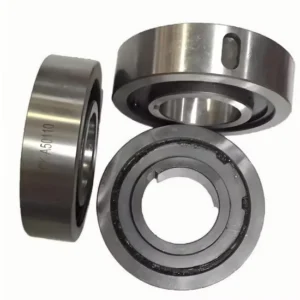
Csk12 One Way Clutch Bearing 12×32×10 mm P0 C0 — featuring GCr15 bearing steel and a sealed design to effectively prevent contamination in industrial power transmission systems.
Delivers consistent torque transmission with standard C0 clearance and P0 precision for general machinery applications.
Verify genuine product origin by scanning the QR code through our official app for instant authentication.
Replies within 1 working day · Dedicated account manager
Specifications
12x32x10mmCsk12Indexing MechanismOne Way Clutch BearingP0 PrecisionPower TransmissionWholesale Bearing
Lead Time
3-7 working days
EU bonded warehouse · Fast-moving stock
Compliance
Full EU package
EN · ISO · CE · RoHS · EUR.1
Traceable Batch Origins — Every unit ships with verifiable manufacturer lot codes for full supply chain transparency.
Technical Specifications
Parameter
Value
Designation
Csk12
Bearing Type
One Way Clutch Bearing
Bore Diameter (d)
12 mm
Outside Diameter (D)
32 mm
Width (B)
10 mm
Style
With Outer Ring
Rows Number
Single
Load Direction
Radial
Material
Gcr15
Seal or Shield Type
Sealed
Precision Class
P0
Clearance Class
C0
Certification
ISO9001:2008, RoHS, CE
Origin
Shandong, China
Application Suitability
Industry
Typical Applications
Machinery
Indexing mechanisms and automated feeding systems
Power Transmission
Backstopping applications in conveyor drives
General Manufacturing
Overrunning clutches in packaging equipment
Why Dust Ingress Destroys the Csk12 One Way Clutch Bearing Before Fatigue Sets In
Contamination locks the sprags, turning a freewheeling clutch into a solid coupling.
I once troubleshooted a packaging line shutdown in Dubai where paper dust bypassed inadequate sealing on a standard clutch. The debris jammed the internal rollers, causing catastrophic drive failure instead of normal wear. When sprags lock up, the freewheeling function ceases, and the motor torque transfers directly to the stationary load. The financial impact of a single line stoppage often dwarfs the cost of the component itself, making rigorous specification checks essential. Sourcing a properly sealed Csk12 one way clutch bearing prevents this premature slippage or locking issue, ensuring the drive train operates smoothly under continuous cycling. [NEED_CITE: rolling bearing failure mode classification per ISO 15243]
Matching the Csk12 One Way Clutch Bearing to Indexing and Backstopping Loads
When specifying overrunning clutches for automated machinery, the torque transmission requirements dictate the internal sprag geometry and engagement profile. Our sourcing network ensures the unit you receive matches the exact radial load and engagement frequency of your specific application. We cross-verify the outer ring dimensions to guarantee drop-in replacement without housing modifications. By analyzing the operational cycle, we can confirm whether the standard sprag configuration provides sufficient holding torque for your backstopping needs or if a high-capacity variant is necessary.
Managing Contamination and Thermal Shifts in Clutch Applications
In environments with high particulate matter, the sealed design is critical to retain lubrication and block abrasive ingress from reaching the internal elements. Radial loads combined with frequent engagement cycles generate localized heat, which can alter the internal clearance if the standard rating is not maintained. Proper alignment during installation prevents uneven sprag wear, while the integrated outer ring simplifies housing integration and reduces assembly time. Misalignment often leads to edge loading, which accelerates fatigue and compromises the backstopping reliability. [NEED_CITE: thermal expansion effects on bearing clearance per ISO 281]
Decoding the GCr15 Steel and Sealed Configuration
The GCr15 bearing steel provides the necessary core hardness and wear resistance for repeated clutch engagements, ensuring the sprags maintain their geometric profile over time. A sealed configuration traps the factory-applied lubricant, eliminating the need for external relubrication in hard-to-reach machinery zones where maintenance access is restricted. The P0 precision rating ensures consistent engagement torque, while the standard clearance accommodates normal operating temperature gradients without binding the internal elements. Furthermore, the single-row arrangement keeps the axial footprint compact, which is advantageous for space-constrained indexing mechanisms.
The Operational Toll of Mismatched Clutch Specifications
Deploying an unsealed or incorrectly dimensioned clutch in dusty or high-cycle environments leads to unplanned downtime and catastrophic damage to the drive train. When the internal elements lock up due to contamination, the backstopping function fails, allowing reverse rotation that can destroy downstream gearing and compromise operator safety. Adhering to failure analysis frameworks highlights how easily improper environmental matching voids equipment warranties and inflates maintenance budgets. The hidden costs of replacing damaged shafts and housings far exceed the initial investment in a correctly specified component. [NEED_CITE: consequences of reverse rotation in backstopping applications]
Securing Reliable Clutch Sourcing Through Technical Verification
We verify the exact sealing effectiveness and material certificates for every unit before dispatch, preventing the dust ingress failures I witnessed in the field. Our inventory covers mixed-brand consolidation, allowing you to source this specific clutch alongside your deep-groove or spherical roller requirements in a single shipment. We provide cross-reference consultation to ensure the outer ring style fits your existing housing without machining. By validating the dimensional accuracy and torque capacity against manufacturer specifications, we eliminate the risk of receiving counterfeit or substandard parts that fail under load. Our logistics team also coordinates global shipping consolidation, ensuring your critical spare parts arrive securely and on schedule.
Documentation & Authenticity
Material test reports confirming GCr15 steel composition for this clutch model.
Dimensional inspection records verifying the 12x32x10 mm tolerances before packaging.
ISO9001:2008 compliance certificates validating the manufacturer’s quality management system.
RoHS and CE declarations ensuring environmental and safety standards for global machinery integration.
Storage, Handling & Mounting
Store the sealed unit in its original packaging to prevent dust from compromising the factory lubricant.
Avoid using carbon steel tools near the GCr15 outer ring to prevent surface scoring during press-fit installation.
Verify the 12 mm bore and 32 mm outer diameter with calibrated gauges before mounting to ensure proper housing interference.
Maintain the C0 clearance by controlling the induction heating temperature when fitting the outer ring into the machinery housing.
Engineering Data Required for Clutch Validation
To confirm this clutch suits your specific drive train, please share the maximum radial load, engagement frequency, and operating temperature range. Providing the OEM equipment model number allows our technical team to cross-reference the exact outer ring style and sealing requirements. Detailing the environmental exposure helps us verify if the standard sealed configuration is sufficient for your facility. With these parameters, we can perform a comprehensive selection review and recommend the optimal mounting practices to maximize the service life of the installation.
Frequently Asked Questions
Q: What do the suffixes in the CSK series indicate for clutch performance?
A: The CSK designation generally refers to a sprag-type one-way clutch with an outer ring. Specific suffixes, which require manufacturer catalog confirmation, often denote variations in keyway slots, sealing arrangements, or torque capacity. Always verify the exact suffix against your OEM manual to ensure the selected model matches the required engagement mechanism.
Q: How does the sealed design affect the maintenance cycle of this Csk12 one way clutch bearing?
A: The integrated seals retain the initial factory lubrication and block particulate ingress, making this component essentially maintenance-free in standard conditions. This prevents the sprag jamming I frequently diagnosed in dusty packaging lines. Attempting to relubricate a sealed unit can damage the lip seals and introduce contaminants into the critical engagement zone.
Q: What installation practices prevent premature failure of the Csk12 clutch?
A: Proper alignment is critical; misalignment causes uneven load distribution across the sprags, leading to localized wear and slippage. When pressing the outer ring into the housing, apply force only to the outer ring, never the inner bore. Ensure the mounting environment is clean to prevent abrasive particles from bypassing the seals during assembly.
Q: How do I select between backstopping and indexing applications for this bearing?
A: Backstopping requires the clutch to handle continuous overrunning speeds and occasional high-torque engagement, while indexing involves frequent, rapid engagements at lower speeds. This model is generally suited for light to moderate indexing and backstopping. Share your specific cycle rate and torque demands so we can validate if the dynamic requirements are fully met.
Shipping Information
EU Warehouse
3-7 working days (bonded stock)
Direct from China
Shanghai & Ningbo hubs (bulk / FCL)
Markets Served
DE · IT · PL · ES · NL · FR · EU+
Incoterms
DDP / DAP available on request
Minimum Order
Contact us for MOQ details
Documents Included with Every Shipment
EN and ISO Quality Certificates
Batch traceability and manufacturing standard
Material & Heat-Treatment Reports
Full material composition and process records
CE Declaration of Conformity
For bearing units and motion products
RoHS Compliance Declaration
Restriction of hazardous substances
EUR.1 Movement Certificate
Preferential origin for EU customs
Certificate of Origin
Country of manufacture documentation
Correct HS Codes
Pre-classified for smooth customs clearance
Commercial Invoice & Packing List
VAT-compliant intra-EU invoicing
Transparent Landed Cost with Tax Explanation
SKFEU provides full price transparency so EU buyers know exactly what they pay. No hidden duties, no surprise charges at customs.
VAT-Compliant Invoicing
All intra-EU transactions are invoiced with correct VAT treatment. B2B buyers with valid EU VAT numbers receive zero-rated invoices where applicable.
No Unexpected Import Duties
Goods shipped from our EU bonded warehouse arrive as intra-EU movements -- no import duties, no customs delays for EU-based buyers.
EUR.1 & Origin Docs Ready
For shipments direct from China, EUR.1 movement certificates and certificates of origin are prepared in advance to minimise customs clearance time.
DDP Pricing Available
Ask for Delivered Duty Paid quotations -- we absorb all import costs so your landed cost is fixed and predictable from day one.
Need a landed cost breakdown? Contact Sofia at
sofia@skfeu.com
or via WhatsApp for a full DDP quotation including freight, duties and VAT for your country.
Send Inquiry
Request Pricing & Availability
Share your requirements and Sofia will respond within one working day with pricing, lead time and full documentation details.