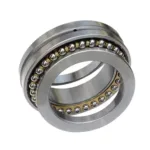
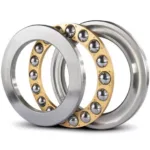
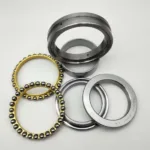
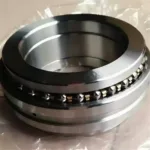
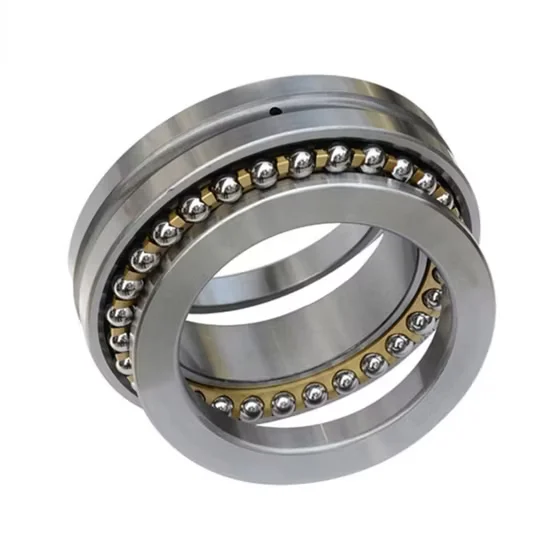
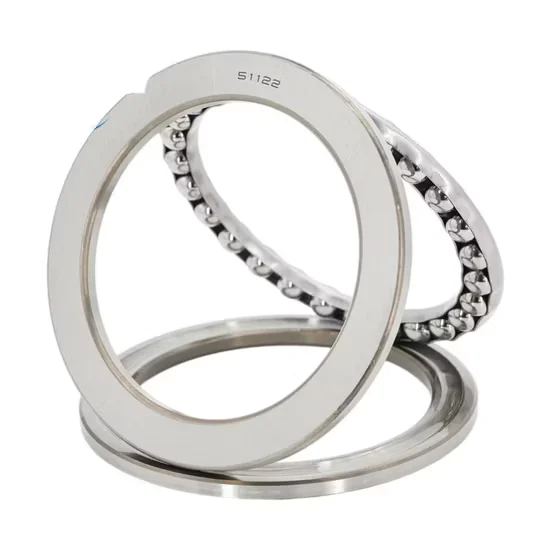
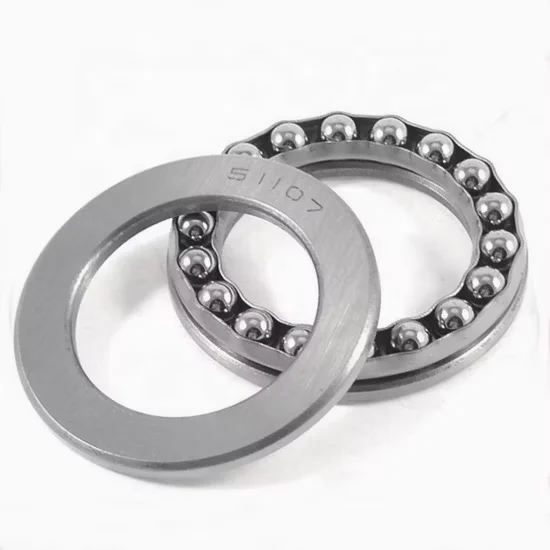
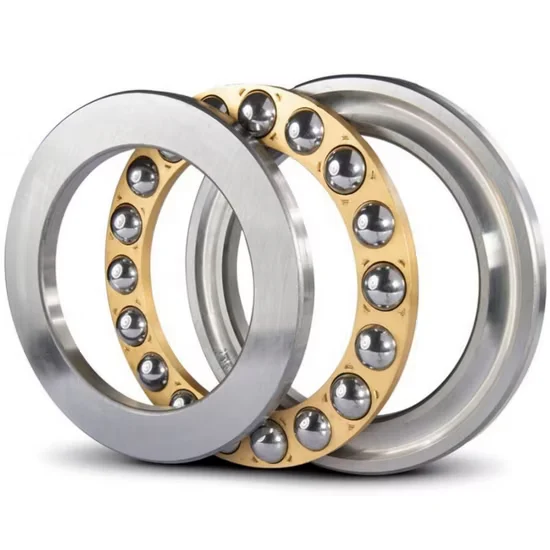
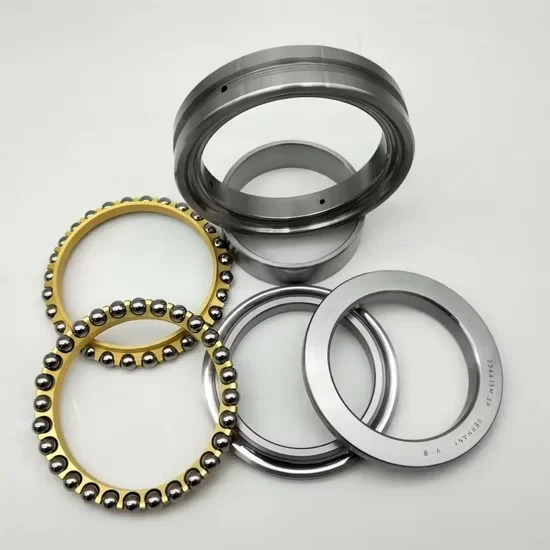
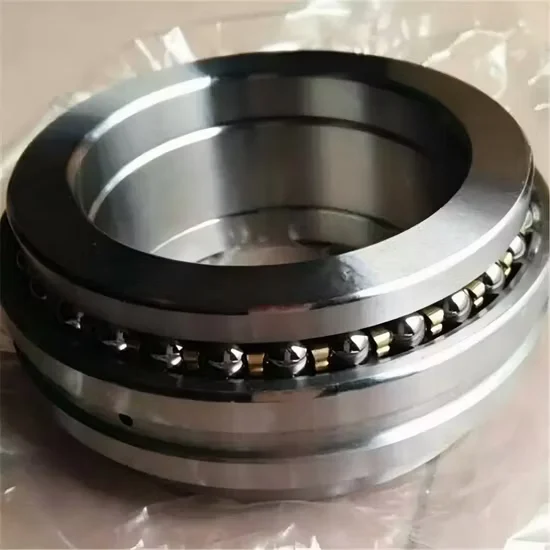
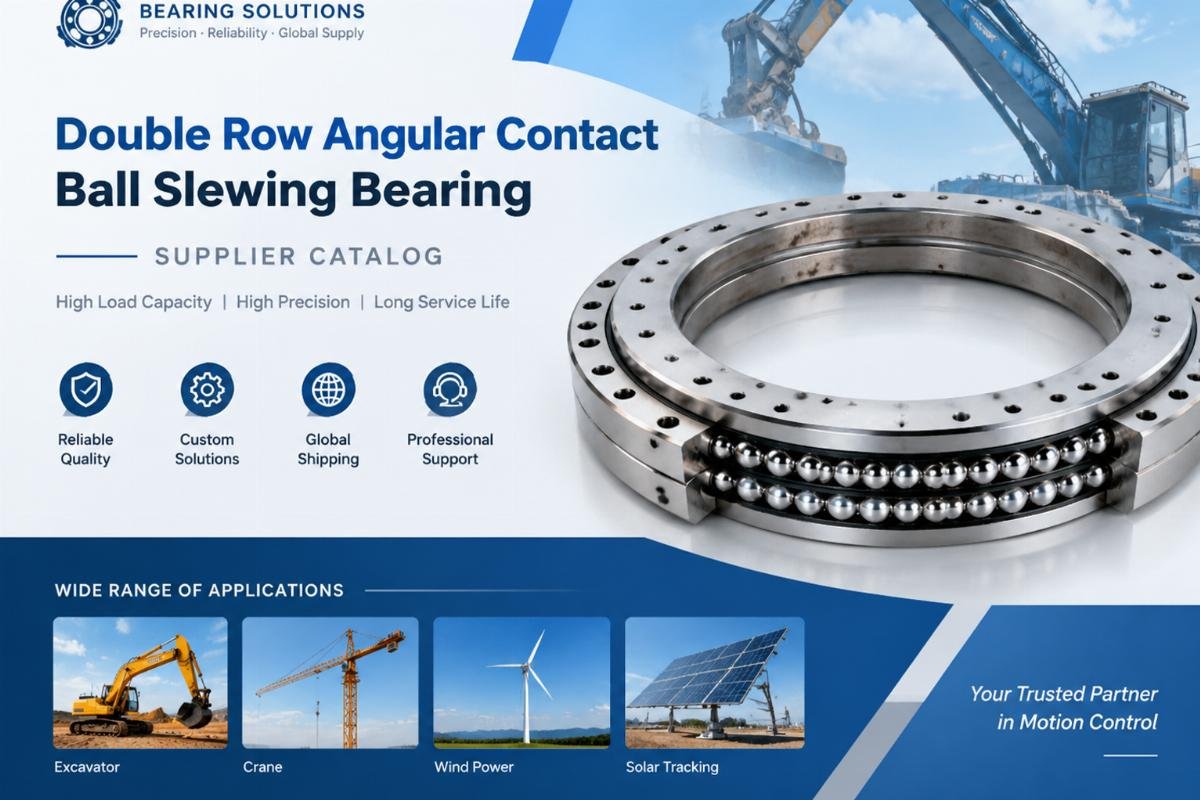
Double Row Angular Contact Ball Slewing Bearing with Cross Roller Thrust Features
Double Row Angular Contact Ball Slewing Bearing for Heavy Machinery — built with GCr15 bearing steel to withstand shock loads in cranes and excavators.
Features 55°, 60°, or 62° contact angles and P0 to P2 precision classes for optimized axial and radial load capacity.
Every shipment includes complete documentation packages with material test certificates and dimensional inspection reports.
Cross-Reference Alignment Verified — We validate mounting hole patterns, gear parameters, and structural dimensions before dispatching any replacement slewing ring to ensure flawless integration.
Inadequate sealing in abrasive environments turns microscopic particles into catastrophic raceway scoring.
Early in my career supporting construction machinery, I specified an open or lightly sealed variant for a mining excavator without thoroughly investigating the site’s actual dust load. The abrasive ingress penetrated the rolling elements, completely locking the ring and causing massive, unplanned downtime. That incident fundamentally changed how I evaluate component specifications. When vetting a double row angular contact ball slewing bearing supplier, procurement engineers must prioritize application-specific sealing configurations and precise internal clearance over basic catalog dimensions. Ignoring the environmental reality of the job site guarantees premature failure, turning a minor maintenance task into a catastrophic equipment breakdown. [NEED_CITE: premature failure mechanisms in heavy-duty slewing rings per ISO 15243]
Matching Structural Configurations to Heavy Machinery Demands
Selecting the right configuration requires carefully balancing axial thrust, radial forces, and overturning moments. As a reliable double row angular contact ball slewing bearing supplier, we provide both single and double row structures with varying contact angles, such as 55°, 60°, or 62°, to optimize load distribution across the raceways. This structural flexibility ensures that high-shock applications, like excavator swing mechanisms, receive the exact geometric support needed to prevent localized raceway deformation. Matching the specific contact angle to the predominant load vector significantly extends the operational lifespan of the rotating assembly.
Managing Shock Loads and Contamination in the Field
Heavy equipment constantly faces severe combined loading, where sudden shock impacts from digging or lifting challenge the structural integrity of the entire rotation joint. Open seal designs demand rigorous external lubrication protocols to actively flush out contaminants, whereas sealed variants require careful friction management to prevent overheating during continuous operation. Furthermore, thermal expansion generated by heavy friction dictates strict clearance tolerances to prevent internal binding under peak loads. Proper grease selection and precise relubrication intervals are absolutely critical to maintaining the protective elastohydrodynamic film under extreme boundary pressure conditions. [NEED_CITE: lubrication failure modes in slow-oscillating heavy bearings]
Decoding Material and Precision Options for Slewing Rings
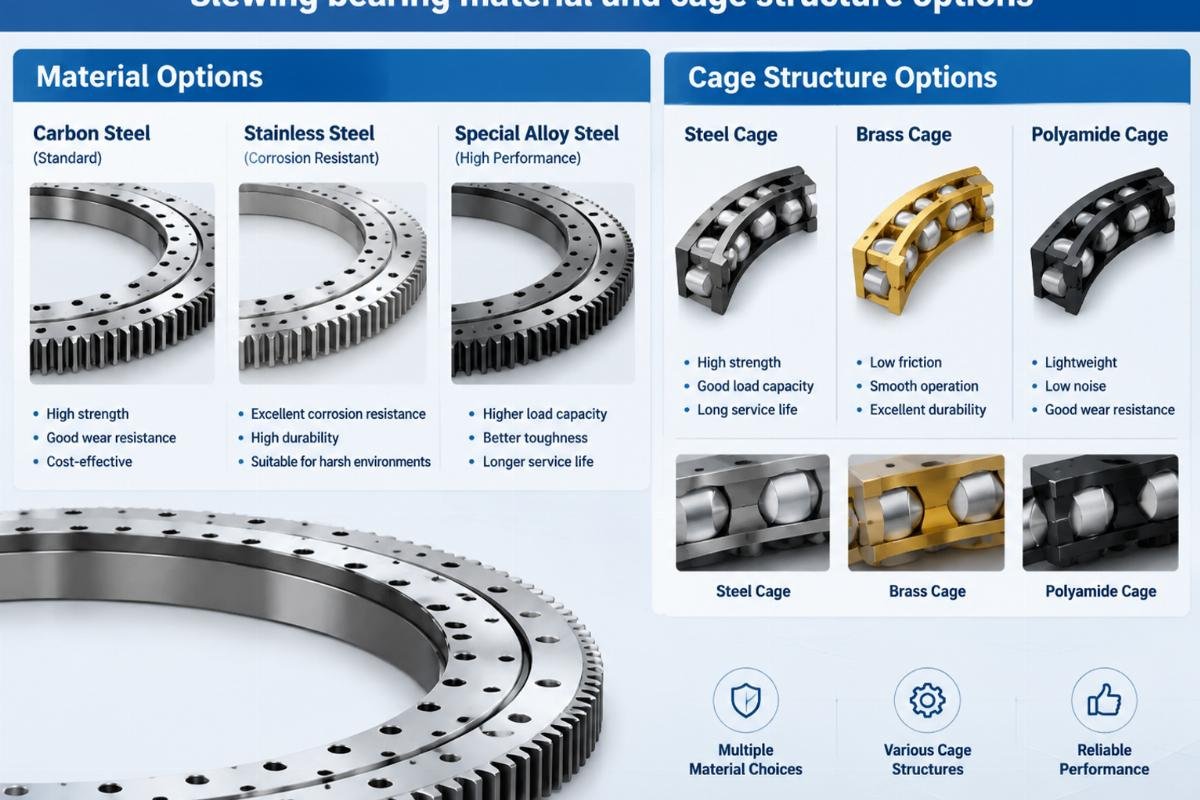
The choice of material directly dictates the component’s survival in harsh, unforgiving environments. While standard GCr15 (SUJ2) bearing steel offers excellent contact fatigue strength for typical construction machinery, alternative stainless or specialized alloy variants are available for highly corrosive marine or chemical exposures. Cage selection also plays a pivotal role in dynamic performance; brass cages handle heavy vibrations and severe shock loads effectively, whereas nylon options reduce overall weight and operating noise in precision rotating platforms. Precision classes ranging from P0 up to P2 allow engineers to perfectly align the ring’s running accuracy with the specific rotational tolerances required by wind turbine pitch drives or radar antennas. Selecting the optimal combination of these material and precision options ensures long-term reliability without unnecessarily over-engineering the assembly.
The Operational Toll of Incorrect Clearance and Seal Selection
Misjudging the internal clearance or ignoring environmental contamination leads to rapid raceway spalling and eventual mechanical seizure of the entire drive system. Such premature failures trigger extensive unplanned downtime and cause costly collateral damage to adjacent motors, gearboxes, and structural mounts. According to established failure classification frameworks like ISO 15243, abrasive wear and fatigue spalling heavily dominate when seals and internal clearances are mismatched to the actual operating envelope. Furthermore, warranty claims are frequently voided when post-mortem metallurgical analysis reveals improper specification rather than inherent manufacturing defects. [NEED_CITE: rolling bearing failure mode classification per ISO 15243]
Sourcing Advantages for Complex Slewing Applications
We maintain massive spot inventory covering thousands of standard and special slewing ring dimensions, enabling rapid dispatch for urgent maintenance scenarios. Our engineering team provides comprehensive cross-brand equivalent model consultation, ensuring strict three-way alignment of mounting holes, gear parameters, and structural types when replacing obsolete parts. Every single shipment includes complete batch traceability documentation, giving MRO managers absolute confidence in the material pedigree and heat treatment history. We offer highly flexible order quantities, readily accommodating everything from single-unit emergency replacements to full-container project consolidations. Additionally, our global shipping consolidation and long-term technical support for failure analysis keep your heavy machinery running smoothly across diverse international job sites.
Documentation & Authenticity
Certificate of Conformity validating the specific precision class and material grade for each slewing ring.
Original factory batch traceability records linking the GCr15 steel heat number to the final machined component.
Material Test Certificates confirming the chemical composition and hardenability of the bearing steel.
Dimensional and running accuracy inspection reports verifying P-series tolerances before wooden box packaging.
Anti-rust treatment and transportation condition logs ensuring the open-type raceways remain uncontaminated during transit.
Storage, Handling & Mounting
Store the unsealed raceways in a climate-controlled environment to prevent microscopic corrosion on the GCr15 steel surfaces.
Use clean, lint-free gloves when handling the open-type bearing to avoid introducing skin oils into the precision-machined grooves.
Apply the specified anti-rust coating immediately upon unboxing if the installation is delayed beyond the initial protection period.
Ensure the mounting surface is perfectly flat to prevent structural distortion that could alter the specified 55° or 60° contact angle.
Follow strict bolt pre-tightening torque sequences to maintain uniform load distribution across the unseparated ring structure.
Flush the open seal design with the recommended grease to purge any transit contaminants before the first operational rotation.
Preparing Your Technical Parameters for Model Selection
To determine the exact slewing ring configuration, please provide your specific equipment model, available mounting space, and detailed load spectra including axial, radial, and moment forces. Specify the operational environment, particularly dust levels and temperature ranges, so we can recommend the appropriate seal type and internal clearance. Supplying these precise parameters allows our engineering team to perform accurate cross-referencing and confirm the optimal structural design for your application.
Frequently Asked Questions
Q: How do I determine the specific slewing bearing model and clearance based on my equipment’s load parameters?
A: Share your maximum axial, radial, and moment loads along with the operating speed and temperature range. Our engineering team uses these parameters to calculate the required static and dynamic safety factors, ultimately recommending the exact row configuration, contact angle, and internal clearance to prevent raceway spalling under your specific shock conditions.
Q: What are the common failure modes for slewing bearings operating under heavy-load and tilted conditions?
A: Tilted operations combined with heavy shock loads often cause uneven load distribution, leading to localized raceway spalling and premature fatigue. Contamination ingress through inadequate seals accelerates abrasive wear, while insufficient lubrication results in smearing. Regular inspection of gear mesh and bolt torque helps mitigate these failure modes according to ISO 15243 guidelines.
Q: How do I choose between single-row four-point contact and double-row angular contact structures?
A: Single-row designs are compact and handle moderate combined loads efficiently, making them suitable for standard cranes. Double-row angular contact structures distribute heavy axial and moment loads across separate raceways, offering superior rigidity and load capacity for demanding mining excavators and large wind turbine pitch mechanisms where structural deflection must be minimized.
Q: Can you help replace discontinued original parts through cross-brand equivalent consultation?
A: Yes, we specialize in cross-referencing obsolete slewing rings to current production equivalents. By verifying the three-way alignment of mounting hole patterns, gear tooth parameters, and structural dimensions, we ensure the replacement fits perfectly. We also provide full batch traceability and material certificates for the newly sourced equivalent component.
Q: What are the on-site installation standards and lubrication maintenance cycles for large open-type slewing bearings?
A: Installation requires a machined, flat mounting surface and strict adherence to bolt pre-tightening torque sequences to avoid ring distortion. For open-type bearings, initial flushing with clean grease is mandatory to remove transit preservatives. Subsequent relubrication cycles depend on the operational dust load and hours of use, typically requiring frequent purging to expel contaminants from the raceway.
Shipping Information
EU Warehouse
3-7 working days (bonded stock)
Direct from China
Shanghai & Ningbo hubs (bulk / FCL)
Markets Served
DE · IT · PL · ES · NL · FR · EU+
Incoterms
DDP / DAP available on request
Minimum Order
Contact us for MOQ details
Documents Included with Every Shipment
EN and ISO Quality Certificates
Batch traceability and manufacturing standard
Material & Heat-Treatment Reports
Full material composition and process records
CE Declaration of Conformity
For bearing units and motion products
RoHS Compliance Declaration
Restriction of hazardous substances
EUR.1 Movement Certificate
Preferential origin for EU customs
Certificate of Origin
Country of manufacture documentation
Correct HS Codes
Pre-classified for smooth customs clearance
Commercial Invoice & Packing List
VAT-compliant intra-EU invoicing
Transparent Landed Cost with Tax Explanation
SKFEU provides full price transparency so EU buyers know exactly what they pay. No hidden duties, no surprise charges at customs.
VAT-Compliant Invoicing
All intra-EU transactions are invoiced with correct VAT treatment. B2B buyers with valid EU VAT numbers receive zero-rated invoices where applicable.
No Unexpected Import Duties
Goods shipped from our EU bonded warehouse arrive as intra-EU movements -- no import duties, no customs delays for EU-based buyers.
EUR.1 & Origin Docs Ready
For shipments direct from China, EUR.1 movement certificates and certificates of origin are prepared in advance to minimise customs clearance time.
DDP Pricing Available
Ask for Delivered Duty Paid quotations -- we absorb all import costs so your landed cost is fixed and predictable from day one.
Need a landed cost breakdown? Contact Sofia at
sofia@skfeu.com
or via WhatsApp for a full DDP quotation including freight, duties and VAT for your country.
Send Inquiry
Request Pricing & Availability
Share your requirements and Sofia will respond within one working day with pricing, lead time and full documentation details.