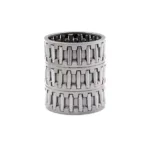
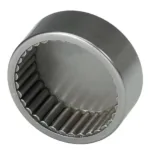
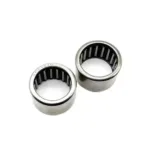
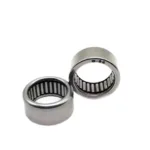
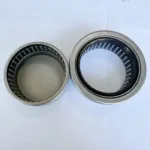
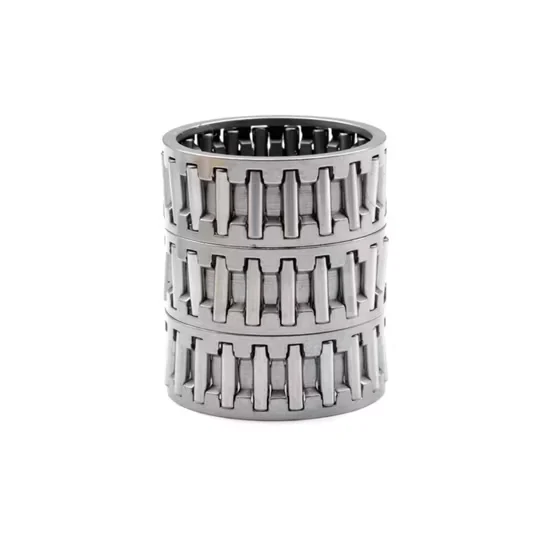
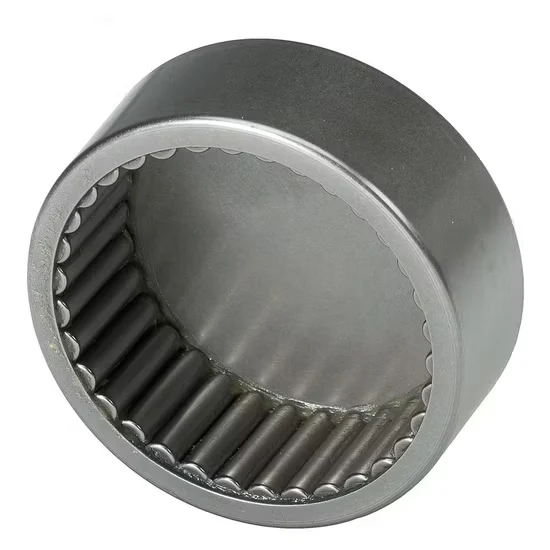
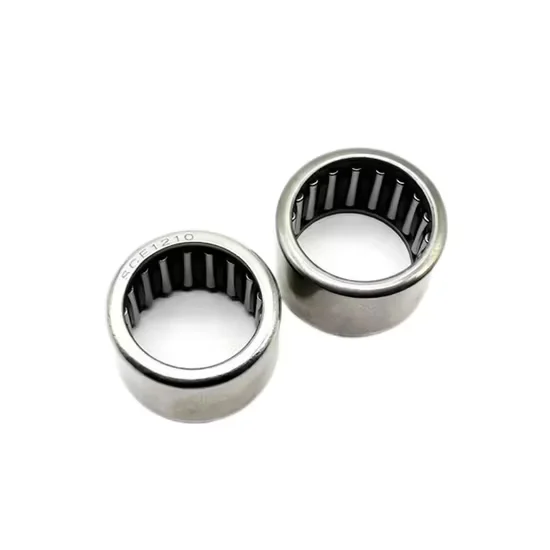
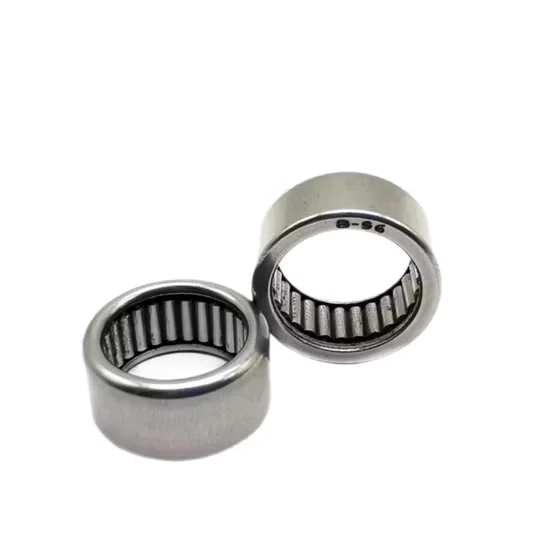
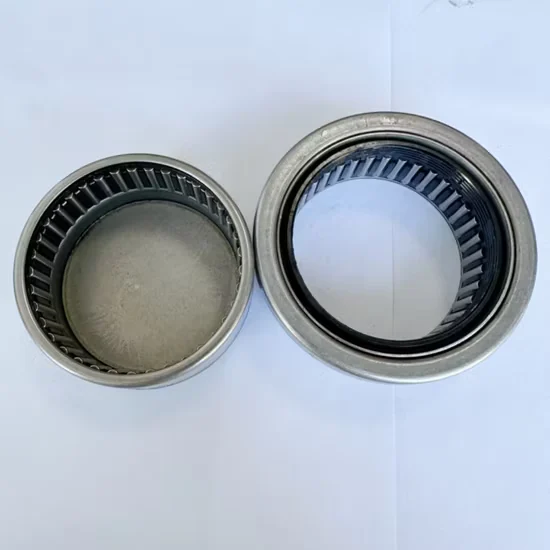
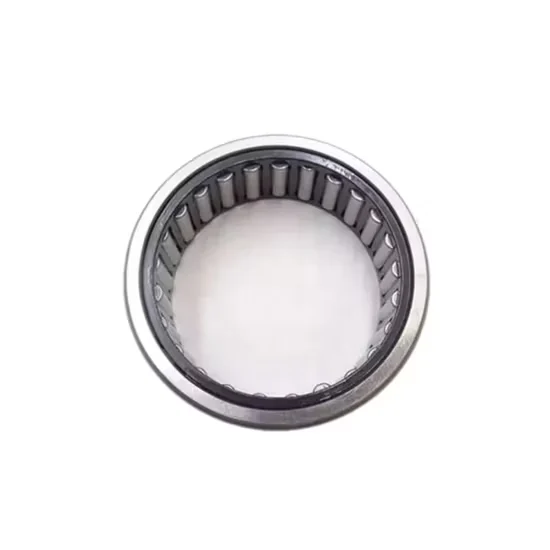
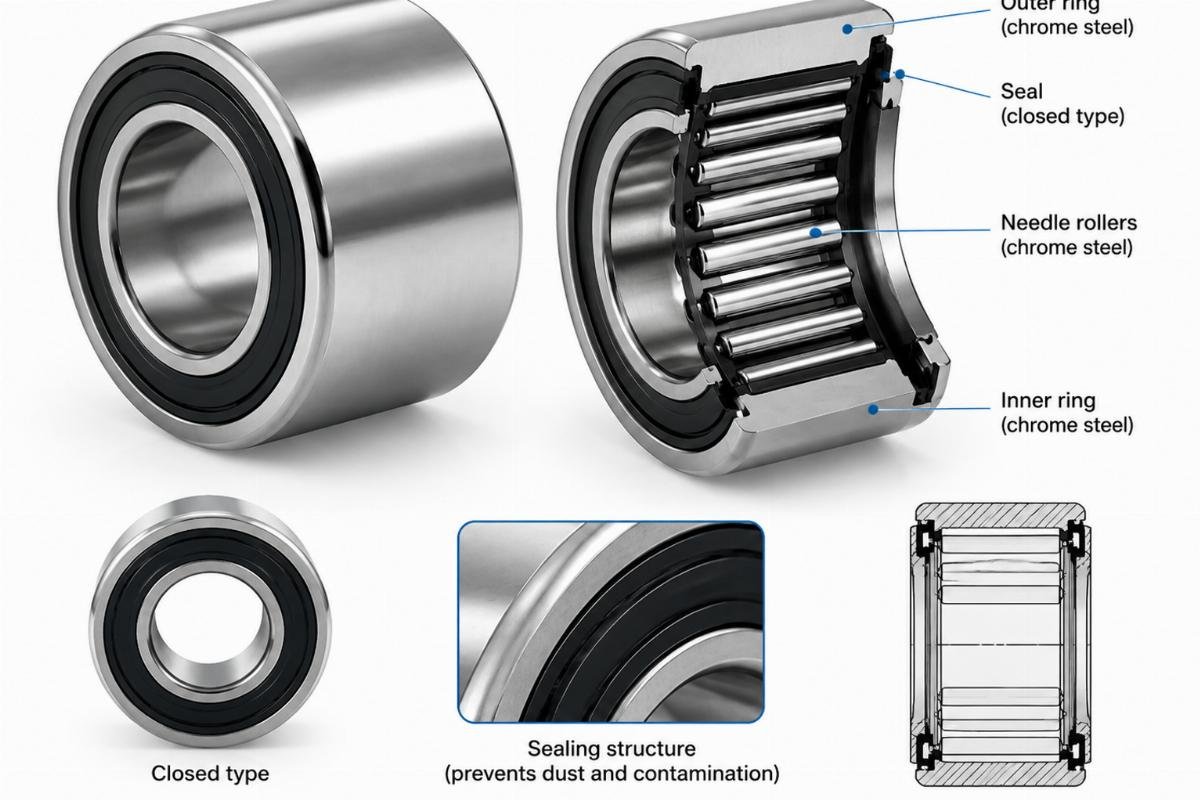
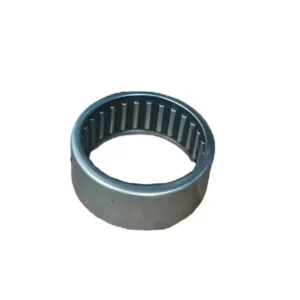
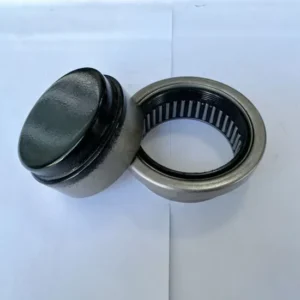
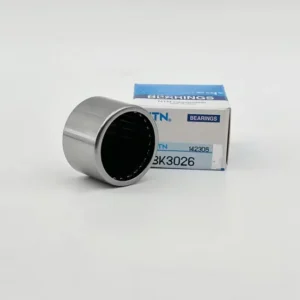
HK222930 Needle Roller Bearing P0/P6/P5 — closed type design in chrome steel retains lubrication and protects internal elements for oil mill machinery.
Offers P0, P6, and P5 precision classes to match specific equipment tolerances.
Cross-references 223014, 2512, 2514, and 2516 for flexible MRO replacement.
Every shipment includes complete original factory batch traceability documentation for guaranteed authenticity.
Unified Multi-Brand Sourcing — Consolidate your OZD, KOYO, NTN, and NSK requirements into a single shipment without juggling multiple vendor accounts.
Technical Specifications
Parameter
Value
Designation
HK222930
Product Type
Needle Roller Bearing
Material
Chrome Steel
Type
Closed
Precision Rating
P0 / P6 / P5
Cross Reference
223014, 24307.5, 2512, 2514, 2516
Application Suitability
Industry
Typical Applications
Oil Mill Machinery
Press rollers, extraction shafts, and heavy-duty crushing mechanisms
Building Material Processing
Kiln feed conveyors, mixer drive shafts, and vibratory screen pivots
Machinery Repair (MRO)
Emergency replacement for legacy equipment gearboxes and pivot joints
Why Oil Mill Presses Destroy Standard Needle Bearings Prematurely
Thermal expansion and cage deformation are the actual culprits behind sudden seizure, not just radial overload.
When maintaining extraction equipment, maintenance teams often swap out failed units only to face repeated breakdowns. The intense friction and ambient heat inside pressing chambers push standard components beyond their thermal limits. If the internal cage material cannot withstand these compounded stresses, it deforms and locks the rolling elements [NEED_CITE: rolling bearing failure mode classification per ISO 15243]. Sourcing a genuine OZD KOYO NTN NSK HK222930 needle roller bearing ensures the metallurgy matches the extreme operational demands of your specific press line.
Matching the HK222930 to High-Friction Extraction Environments
Extracting oil from seeds or nuts generates immense localized heat and shock loads. The closed-type design of this OZD KOYO NTN NSK HK222930 needle roller bearing retains factory lubrication while keeping abrasive organic dust out of the raceway. By selecting the appropriate precision class, plant engineers can minimize vibration transfer to the main drive shaft, ensuring smoother operation and reducing the frequency of unplanned maintenance stops across the processing facility. Proper alignment during installation further protects the internal components from edge loading.
Navigating Thermal and Contamination Challenges in Processing Plants
The operating environment inside an oil mill introduces severe contamination risks and fluctuating thermal cycles. Fine particulate matter from crushed materials easily infiltrates open bearing arrangements, accelerating wear. Furthermore, the continuous heavy radial loads combined with elevated ambient temperatures demand a cage design that resists deformation under stress. Proper lubrication intervals are critical, as the thick organic residues can degrade standard greases, necessitating components that maintain structural integrity even when lubrication film thickness decreases. Monitoring operating temperatures helps predict maintenance windows accurately [NEED_CITE: lubrication film breakdown under heavy load and high temperature].
Decoding the Core Engineering Specifications
When specifying an OZD KOYO NTN NSK HK222930 needle roller bearing, the chrome steel construction provides the necessary core hardness to resist brinelling under the heavy static loads typical of press rollers. The closed-end configuration acts as an integral shield, preventing contaminants from entering the needle roller assembly from one side, which is crucial when the bearing is mounted in a blind housing. Available in P0, P6, and P5 precision ratings, the selection depends on the rotational speed and vibration tolerance of the specific machinery shaft. Higher precision classes ensure tighter running accuracy, which directly translates to reduced noise and extended service life in high-speed gearbox applications.
The Hidden Downtime Costs of Ignoring Cage Material Differences
Substituting a seemingly identical part without verifying the internal cage material often leads to catastrophic seizure. When a stamped steel cage is used in an application requiring a high-temperature resistant design, the cage deforms under thermal stress, causing the needles to skew and jam. This results in severe shaft scoring and collateral damage to the housing, turning a simple component swap into a major rebuild. Selecting the correct OZD KOYO NTN NSK HK222930 needle roller bearing prevents such misapplications, as following ISO 15243 failure analysis protocols reveals that ignoring cage specs accounts for a significant share of premature failures [NEED_CITE: root cause analysis of bearing cage deformation].
Securing Exact Replacements Through Rigorous Cross-Referencing
Finding the exact equivalent for legacy equipment can be frustrating when original part numbers are obsolete. We verify cross-references like 223014, 2512, 2514, and 2516 against actual dimensional and precision parameters, ensuring the replacement fits perfectly. Our quality team specifically checks for cage material variations that generic catalogs often overlook, preventing the high-temperature seizure issues common in oil mills. Every shipment includes full traceability, so you know exactly which manufacturer’s production facilities produced your specific batch.
Documentation & Authenticity
Certificate of Conformity verifying the exact P0, P6, or P5 precision class for your specific HK222930 order.
Original manufacturer batch traceability codes linking the chrome steel material to its specific heat lot.
Official brand QR verification to confirm the authenticity of KOYO, NTN, or NSK sourced units.
Dimensional inspection reports confirming the closed-type outer shell tolerances before dispatch.
Storage, Handling & Mounting
Store the closed-type units in their original anti-corrosion packaging until installation to protect the chrome steel surfaces from mill humidity.
Use clean, lint-free gloves when handling the P5 precision variants to prevent skin oils from degrading the raceway finish.
Do not wash the pre-lubricated closed-end bearings; solvent exposure will strip the factory grease meant for initial run-in.
Ensure the blind housing bore is completely clean before pressing the HK222930 into place to avoid misalignment and cage stress.
Verify the cross-reference part number on the box matches the physical unit to prevent mixing up 2512 and 2514 variants.
Requesting Technical Validation for Your Application
To ensure the selected precision class and cross-reference equivalent perfectly match your equipment, please provide the operating temperature range and radial load estimates. Sharing the OEM equipment model number allows our engineering team to verify dimensional clearances and confirm the correct closed-type configuration. This technical review prevents costly misapplications and guarantees the supplied units meet your specific oil mill maintenance requirements.
Frequently Asked Questions
Q: How do I verify the cross-reference equivalents like 2512 or 2514 for my machinery?
A: Cross-referencing requires matching not just the outer dimensions, but also the internal cage design and precision class. We verify equivalents like 223014, 2512, and 2516 against the original manufacturer specifications to ensure the load capacity and thermal limits align with your oil mill equipment. Always request dimensional inspection reports to confirm physical compatibility before installation.
Q: What causes sudden seizure in oil mill press bearings despite correct sizing?
A: Sudden seizure in high-heat environments often stems from cage deformation rather than inadequate load ratings. If the internal cage material cannot withstand the elevated temperatures generated by friction and ambient heat, it will warp and lock the rolling elements. We prioritize verifying cage material specifications during cross-referencing to prevent these catastrophic thermal failures in extraction machinery.
Q: How should I select between P0, P6, and P5 precision ratings for my gearbox?
A: The precision rating depends on the rotational speed and vibration tolerance of your specific shaft. P0 is generally sufficient for slow-moving press rollers, while P6 or P5 is necessary for high-speed gearboxes where running accuracy minimizes noise and vibration. Provide your operational RPM and load data so we can recommend the most cost-effective precision class.
Q: Why is the closed-type design critical for building material processing equipment?
A: Building material processing generates severe abrasive dust that easily infiltrates open bearing arrangements. The closed-type design of this unit acts as an integral shield, retaining factory lubrication and blocking particulate contamination from entering the needle roller assembly. This structural feature significantly extends maintenance intervals in dusty environments like kiln feed conveyors and vibratory screens.
Shipping Information
EU Warehouse
3-7 working days (bonded stock)
Direct from China
Shanghai & Ningbo hubs (bulk / FCL)
Markets Served
DE · IT · PL · ES · NL · FR · EU+
Incoterms
DDP / DAP available on request
Minimum Order
Contact us for MOQ details
Documents Included with Every Shipment
EN and ISO Quality Certificates
Batch traceability and manufacturing standard
Material & Heat-Treatment Reports
Full material composition and process records
CE Declaration of Conformity
For bearing units and motion products
RoHS Compliance Declaration
Restriction of hazardous substances
EUR.1 Movement Certificate
Preferential origin for EU customs
Certificate of Origin
Country of manufacture documentation
Correct HS Codes
Pre-classified for smooth customs clearance
Commercial Invoice & Packing List
VAT-compliant intra-EU invoicing
Transparent Landed Cost with Tax Explanation
SKFEU provides full price transparency so EU buyers know exactly what they pay. No hidden duties, no surprise charges at customs.
VAT-Compliant Invoicing
All intra-EU transactions are invoiced with correct VAT treatment. B2B buyers with valid EU VAT numbers receive zero-rated invoices where applicable.
No Unexpected Import Duties
Goods shipped from our EU bonded warehouse arrive as intra-EU movements -- no import duties, no customs delays for EU-based buyers.
EUR.1 & Origin Docs Ready
For shipments direct from China, EUR.1 movement certificates and certificates of origin are prepared in advance to minimise customs clearance time.
DDP Pricing Available
Ask for Delivered Duty Paid quotations -- we absorb all import costs so your landed cost is fixed and predictable from day one.
Need a landed cost breakdown? Contact Sofia at
sofia@skfeu.com
or via WhatsApp for a full DDP quotation including freight, duties and VAT for your country.
Send Inquiry
Request Pricing & Availability
Share your requirements and Sofia will respond within one working day with pricing, lead time and full documentation details.