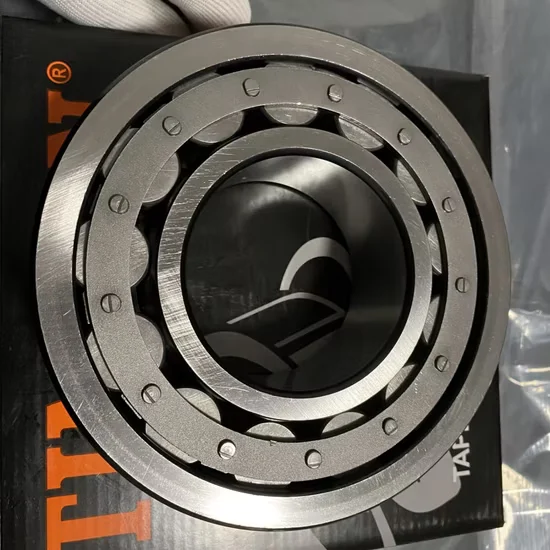
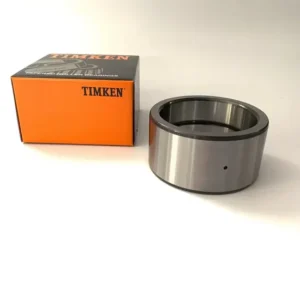
Nj204em Nu204em Nup204em Cylindrical Roller Bearings for Mining Machinery Automobiles
Nj204em Cylindrical Roller Bearing features an enhanced internal design (E suffix) for optimized load distribution and a machined brass cage (M suffix) ensuring stability under heavy vibrations.
Chrome steel Gcr15 construction delivers exceptional hardness for mining machinery and automotive applications.
Every order includes a complete documentation package with material test certificates and dimensional inspection reports.
Cross-reference alignment verified — Every Nj204em cylindrical roller bearing order undergoes strict suffix, clearance, and dimensional matching against OEM cross-references.
Technical Specifications
Parameter
Value
Designation
Nj204em
Bearing Type
Cylindrical Roller Bearing
Material
Chrome Steel Gcr15 / 100cr6
Cage Material
Machined Brass (M suffix)
Internal Design
Enhanced (E suffix)
Spherical
Non-Aligning Bearings
Origin
Shandong, China
Application Suitability
Industry
Typical Applications
Mining Machinery
Heavy-duty gearboxes, traction motors
Automobiles
Transmission systems, drivetrain components
Rolling Mills
Work roll necks, guide rollers
Why Stamped Cages Shatter Before the Nj204em cylindrical roller bearing Reaches Fatigue Limit
Machined brass cages prevent catastrophic fragmentation under extreme vibration and thermal cycling.
Years ago, I shipped a batch of bearings to a Dubai mining site and overlooked the cage suffix, accidentally mixing in stamped steel variants. Under intense heat and high vibration, those cages fractured early, halting the entire production line. Premature cage failure is a leading cause of unplanned downtime in heavy equipment [NEED_CITE: rolling bearing failure mode classification per ISO 15243]. When a stamped cage breaks apart, the fragments get trapped between the rollers and raceways, causing immediate and catastrophic scoring. Verifying the exact cage material is non-negotiable for continuous operation, as the cost of replacing a destroyed gearbox far outweighs the initial savings of a cheaper component. Buyers must scrutinize the suffix codes to avoid these devastating operational interruptions.
Matching the Bearing to High-Load Mining Environments
Supplying the correct Nj204em cylindrical roller bearing requires more than just matching the basic outer dimensions and bore diameter. Our sourcing protocol strictly verifies the E and M suffixes to ensure the internal geometry and cage material can withstand severe shock loads typical in mineral extraction. This rigorous validation prevents the early fatigue failures commonly seen in poorly specified replacement parts that lack the necessary structural enhancements. By aligning the specific design features with the harsh realities of the mining sector, we ensure that the installed components deliver reliable performance throughout their expected service lifecycle.
Operational Challenges and Performance Demands
Mining gearboxes subject cylindrical roller bearings to heavy radial loads combined with severe shock impacts from irregular rock processing. Elevated operating temperatures can degrade standard lubricants and alter internal clearance, making the correct clearance class critical for accommodating thermal expansion. Furthermore, heavily contaminated environments demand strict attention to external housing seals to prevent abrasive particle ingress, as the open design of this bearing relies on the housing for protection [NEED_CITE: contamination impact on bearing life per ISO 281]. Proper lubrication intervals must also be strictly maintained to protect the machined brass cage from wear and ensure the enhanced roller profiles operate with minimal friction. Neglecting these operational parameters quickly accelerates wear and compromises the overall reliability of the drivetrain.
Decoding the E and M Suffix Engineering
The E suffix indicates an enhanced internal design that optimizes roller contact stress distribution, significantly increasing the radial load capacity without altering the external envelope dimensions. Meanwhile, the M suffix specifies a machined brass cage, which provides superior stability at high speeds and excellent resistance to shock loads compared to stamped steel alternatives. This specific combination ensures the bearing maintains structural rigidity under the demanding conditions of traction motors and heavy-duty gearboxes. The Gcr15 / 100cr6 chrome steel construction delivers the necessary core hardness and wear resistance for prolonged service life. Understanding these suffix nuances allows maintenance engineers to specify the exact variant required for their unique operational challenges, avoiding the pitfalls of generic replacements.
The Hidden Costs of Incorrect Suffix Selection
Selecting a bearing without verifying the cage and internal design suffixes often leads to catastrophic damage and voided equipment warranties. When a stamped steel cage is mistakenly installed in a high-vibration application, it typically fragments, causing secondary damage to the rollers and raceways. Such unplanned downtime results in massive financial losses far exceeding the initial component cost, especially when critical production lines are forced to a standstill. Adhering to ISO 15243 failure analysis frameworks helps identify these root causes before they escalate into systemic machinery failures [NEED_CITE: bearing damage analysis per ISO 15243]. Procurement teams must prioritize exact suffix matching to protect their operational budgets and maintain strict maintenance schedules.
Why Source This Designation Through Our Network
We maintain massive spot inventory covering thousands of standard part numbers, ensuring rapid dispatch for urgent maintenance requirements across global mining operations. Our technical team provides cross-brand equivalent model consultation, strictly verifying that the E and M suffixes align perfectly with your OEM specifications before dispatch. Every shipment includes complete traceability documentation to guarantee genuine original products, eliminating the risk of counterfeit components entering your supply chain. We offer flexible consolidation shipments, allowing you to mix this designation with other required MRO components in a single container to optimize freight costs. Our long-term after-sales support includes detailed failure analysis to guide future application improvements and refine your maintenance strategies.
Documentation & Authenticity
Certificate of Conformity confirming genuine Gcr15 / 100cr6 material composition.
Original factory batch traceability records linked to the specific Nj204em production run.
Dimensional and running accuracy inspection reports verifying tolerance compliance.
Material test certificates validating the machined brass cage alloy specifications.
Storage, Handling & Mounting
Store the Nj204em in its original packaging to protect the machined brass cage from ambient moisture and corrosion.
Use induction heating for mounting, ensuring the temperature does not exceed the thermal limit of standard bearing steel.
Keep the enhanced internal design clean; use lint-free gloves to prevent abrasive contamination during installation.
Verify the shaft and housing tolerances before pressing the non-aligning cylindrical roller bearing into place.
Requesting Technical Validation
To ensure optimal performance, please share your specific radial and axial load profiles, operating speeds, and ambient temperature ranges for the intended application. Providing the exact OEM equipment number allows our engineering team to perform a precise cross-reference verification and calculate the expected L10 life under your specific conditions. This operational data ensures the selected clearance class and internal design perfectly match your machinery demands. Supplying detailed environmental parameters also helps us recommend the most appropriate lubrication and sealing strategies to maximize the service interval of the installed components.
Frequently Asked Questions
Q: What is the functional difference between the E and standard internal designs?
A: The E suffix denotes an enhanced internal geometry that optimizes the contact stress distribution between the rollers and raceways. This design modification noticeably increases the dynamic load rating and extends the fatigue life of the bearing, making it highly suitable for heavy-duty gearboxes and mining machinery where radial loads are exceptionally high.
Q: Why choose a machined brass cage over a stamped steel cage for this application?
A: Machined brass cages offer superior structural integrity and damping characteristics under high vibration and shock loads. Unlike stamped steel variants, which can fracture under extreme thermal cycling, brass maintains its stability and guides the rollers precisely, preventing premature failure in demanding environments like traction motors and rolling mills.
Q: How do NJ, NU, and NUP structures differ in axial locating capability?
A: NU designs allow axial displacement in both directions, acting as non-locating bearings. NJ types can accommodate axial loads in one direction, while NUP bearings feature a loose rib ring to locate the shaft axially in both directions. Selecting the correct structure depends entirely on the specific axial positioning requirements of your machinery.
Q: What clearance class is recommended for high-temperature mining applications?
A: Elevated operating temperatures cause thermal expansion of the shaft and housing, which can reduce internal clearance and lead to excessive preload. For high-temperature environments, a C3 or C4 clearance class is typically specified to compensate for this thermal growth, ensuring the bearing operates without binding and maintains optimal lubrication film thickness.
Q: How should I verify the authenticity of the received bearings?
A: Authenticity is confirmed by cross-checking the factory batch traceability documents and reviewing the material test certificates provided with the shipment. We also recommend inspecting the physical markings on the bearing rings and verifying the packaging security features to ensure the components are genuine and sourced through authorized channels.
Shipping Information
EU Warehouse
3-7 working days (bonded stock)
Direct from China
Shanghai & Ningbo hubs (bulk / FCL)
Markets Served
DE · IT · PL · ES · NL · FR · EU+
Incoterms
DDP / DAP available on request
Minimum Order
Contact us for MOQ details
Documents Included with Every Shipment
EN and ISO Quality Certificates
Batch traceability and manufacturing standard
Material & Heat-Treatment Reports
Full material composition and process records
CE Declaration of Conformity
For bearing units and motion products
RoHS Compliance Declaration
Restriction of hazardous substances
EUR.1 Movement Certificate
Preferential origin for EU customs
Certificate of Origin
Country of manufacture documentation
Correct HS Codes
Pre-classified for smooth customs clearance
Commercial Invoice & Packing List
VAT-compliant intra-EU invoicing
Transparent Landed Cost with Tax Explanation
SKFEU provides full price transparency so EU buyers know exactly what they pay. No hidden duties, no surprise charges at customs.
VAT-Compliant Invoicing
All intra-EU transactions are invoiced with correct VAT treatment. B2B buyers with valid EU VAT numbers receive zero-rated invoices where applicable.
No Unexpected Import Duties
Goods shipped from our EU bonded warehouse arrive as intra-EU movements -- no import duties, no customs delays for EU-based buyers.
EUR.1 & Origin Docs Ready
For shipments direct from China, EUR.1 movement certificates and certificates of origin are prepared in advance to minimise customs clearance time.
DDP Pricing Available
Ask for Delivered Duty Paid quotations -- we absorb all import costs so your landed cost is fixed and predictable from day one.
Need a landed cost breakdown? Contact Sofia at
sofia@skfeu.com
or via WhatsApp for a full DDP quotation including freight, duties and VAT for your country.
Send Inquiry
Request Pricing & Availability
Share your requirements and Sofia will respond within one working day with pricing, lead time and full documentation details.