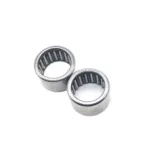
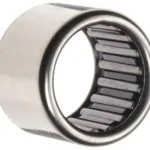
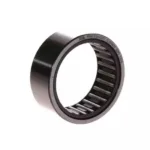
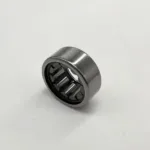
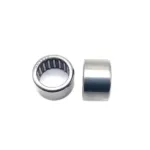
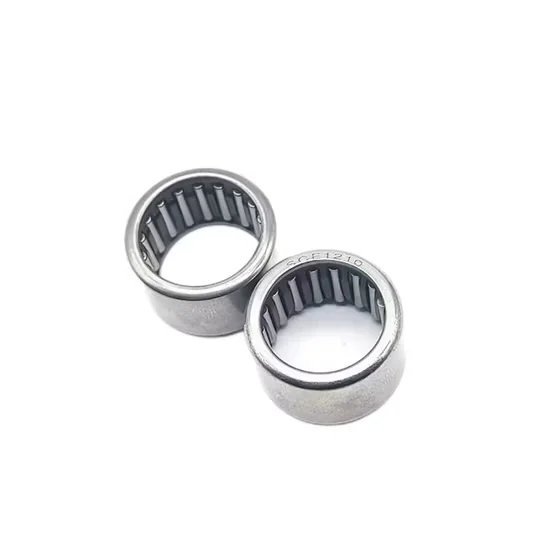
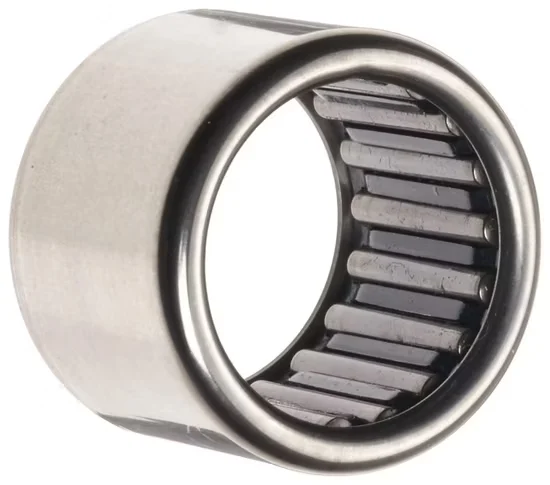
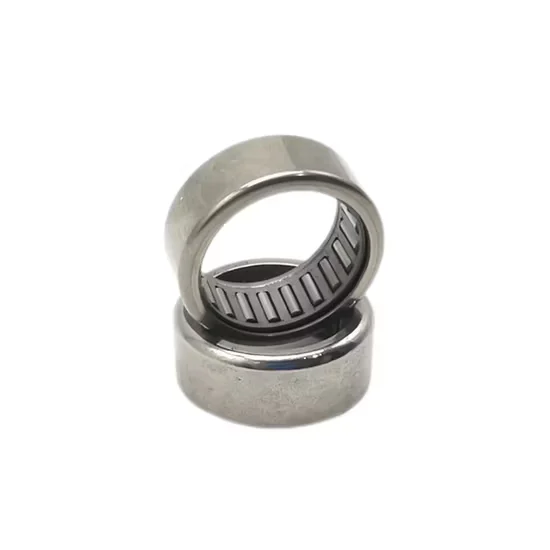
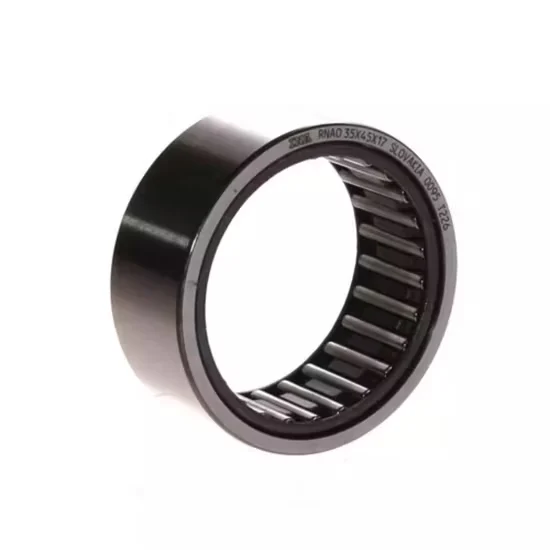
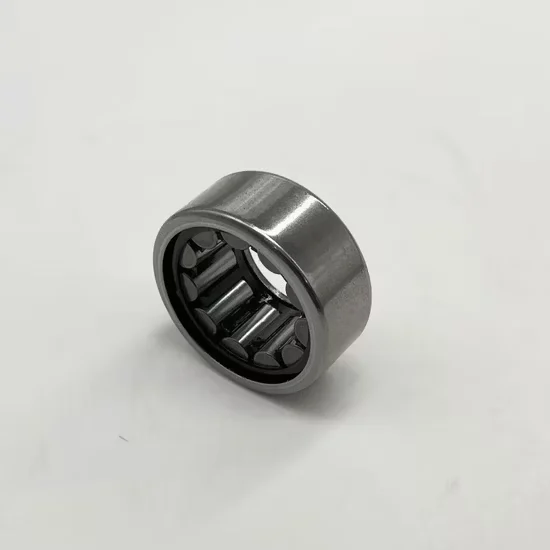
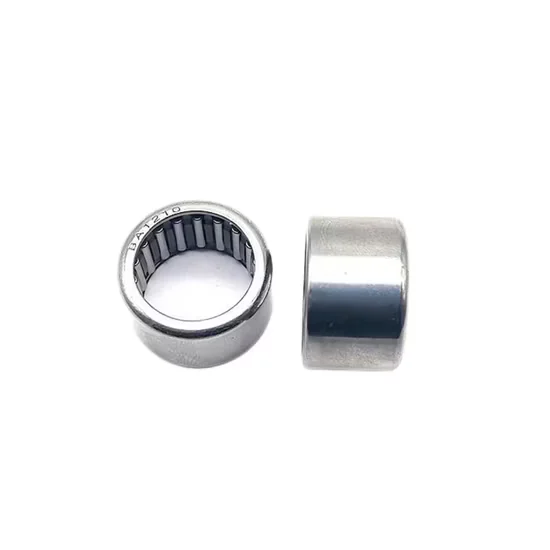
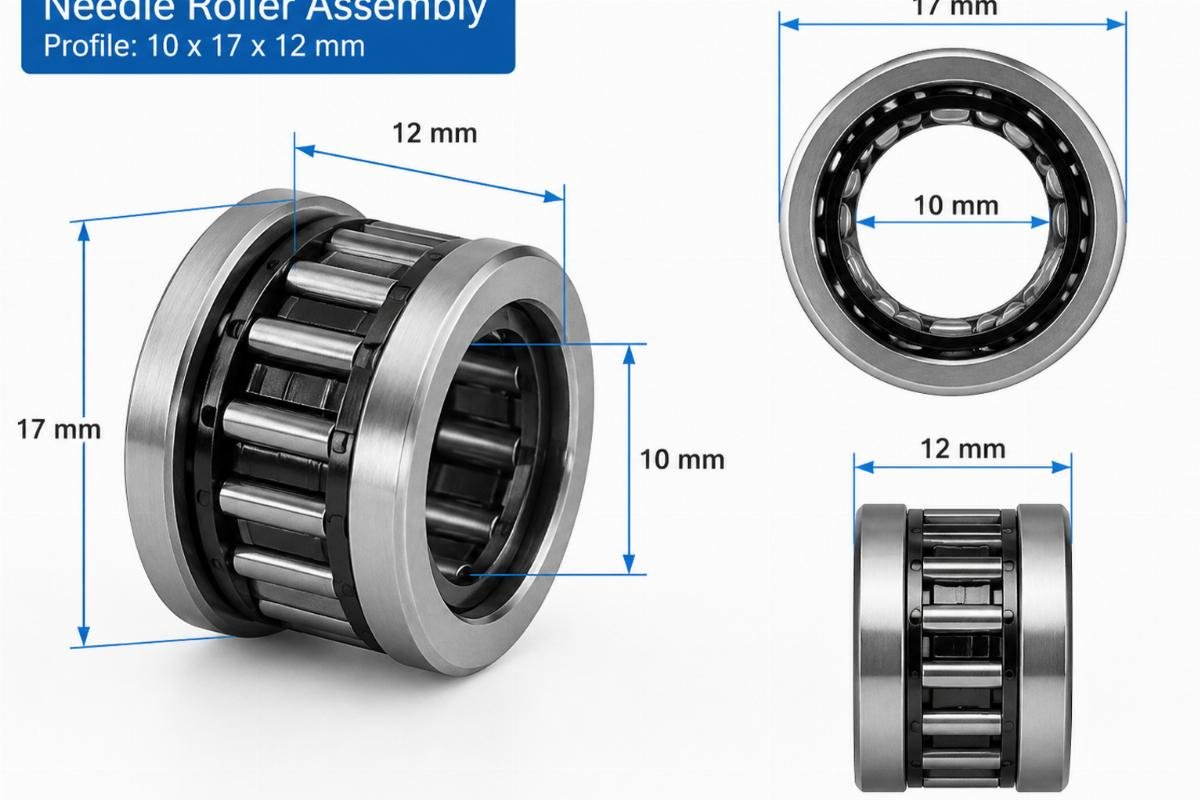
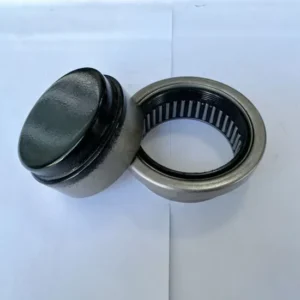
Nk10/12 Needle Roller Bearing 10×17×12 mm — chrome steel construction ensures reliable high-speed and low-noise operation in compact radial spaces. Offered in P0, P6, and P5 precision grades for varied industrial tolerance needs.
Sourced from premium global brands with full origin traceability
Shipped with complete material certificates and dimensional inspection reports
Cross-Reference Alignment Verified — We validate dimensional, load, and speed equivalents across premium brands before shipping your compact needle rollers.
Technical Specifications
Parameter
Value
Designation
Nk10/12
Bearing Type
Needle Roller Bearing
Bore Diameter (d)
10 mm
Outside Diameter (D)
17 mm
Width (B)
12 mm
Material
Chrome Steel
Precision Class
P0, P6, P5
Feature
High Speed, Low Noise
Origin
Shandong, China
Application Suitability
Industry
Typical Applications
Automotive Transmissions
Gearbox shaft support and planetary gear sets
Machine Tools
Spindle positioning mechanisms and feed drives
Pumps
Rotor shaft alignment and internal gear pump supports
Machinery Repair Shops
Compact radial space replacements in MRO overhauls
Why Housing Coaxiality Dictates the Survival of Your Nk10/12 needle roller bearing
Misaligned housings crush the thin outer profiles of compact needle rollers long before fatigue sets in.
Early in my failure analysis career, I sectioned a batch of seized needle rollers from textile machinery. The root cause was not material defect but housing coaxiality deviation squeezing the outer ring until the needles fractured. When sourcing mixed-brand compact units for urgent maintenance, verifying the machining precision of the surrounding housing is just as critical as checking the bearing’s basic dimensions. Ignoring these geometric realities leads to rapid degradation, turning a simple replacement into a recurring maintenance nightmare. [NEED_CITE: rolling bearing failure mode classification per ISO 15243]
Matching Compact Radial Constraints in High-Speed Drives
Space-constrained assemblies in automotive gearboxes and machine tool spindles demand a minimal radial footprint without sacrificing load capacity. The Nk10/12 needle roller bearing delivers this by utilizing a high length-to-diameter ratio of its rolling elements within a tight 10x17x12mm envelope. Our global sourcing network ensures you receive genuine chrome steel units that maintain low-noise operation even when integrated into high-speed transmission layouts. By securing exact dimensional matches, we prevent the radial play issues that typically plague poorly sourced compact replacements.
Navigating Thermal and Lubrication Boundaries in Confined Spaces
Operating within narrow housings restricts oil flow and complicates heat dissipation, making high-speed capability heavily dependent on precise internal clearances. Inadequate lubrication in these tight 17mm outer diameter profiles quickly elevates local temperatures, degrading the grease and accelerating surface wear. Engineers must balance the friction generated by the needle tips against the cage, ensuring the selected P0, P6, or P5 precision class aligns with the specific tolerance stack-up of the shaft and housing. Overlooking these thermal boundaries inevitably compromises the operational lifespan of the entire drive assembly. [NEED_CITE: thermal limits of standard bearing grease in confined assemblies]
Decoding the 10x17x12mm Envelope and Precision Tiers
The 10mm bore and 12mm width define a highly compact radial section, ideal for applications where shaft rigidity is paramount but radial space is strictly limited. Chrome steel construction provides the necessary core hardness to resist brinelling under static loads, while the high-speed design relies on optimized needle end profiles to minimize friction at the guide surfaces. Selecting between P0, P6, and P5 precision classes dictates the running accuracy; higher precision tiers significantly reduce vibration amplitudes. This reduction is essential for achieving the low-noise performance required in precision machine tools and automated pump systems, preventing resonance from propagating through the equipment frame.
The Hidden Toll of Ignoring Housing Tolerances
Specifying a high-precision unit without verifying the mating shaft and housing geometry inevitably leads to unplanned downtime. When the housing bore is out of round or misaligned, the thin outer ring deforms, creating localized stress concentrations that trigger premature spalling on the raceway. According to failure analysis frameworks, this geometric mismatch causes catastrophic damage to the needle tips and cage, voiding warranties and forcing complete assembly teardowns far earlier than the calculated L10 life. Such hidden costs quickly erase any initial savings from skipping proper housing verification. [NEED_CITE: geometric mismatch induced failures per ISO 15243]
Securing Traceable Compact Needle Rollers Across Premium Brands
Sourcing the exact 10x17x12mm profile across different premium brands often results in mixed batches with varying internal clearances. We consolidate genuine OZD, KOYO, NTN, and NSK equivalents into single shipments, verifying that each unit meets the specified precision class before dispatch. Our technical team cross-checks the housing machining requirements for these specific compact models, preventing the exact coaxiality failures I documented in early textile machinery teardowns. Every batch ships with complete traceability documentation, ensuring your MRO and project orders maintain strict quality continuity without requiring you to manage multiple supplier relationships.
Documentation & Authenticity
Certificate of Conformity validating the specific P0, P6, or P5 precision tier for your 10mm bore units.
Original batch traceability records linking the 17mm outer diameter chrome steel rings to the manufacturer’s production facilities.
Dimensional inspection reports confirming the strict 12mm width tolerance prior to global freight consolidation.
Material test certificates verifying the core hardness and metallurgical purity of the high-speed needle elements.
Storage, Handling & Mounting
Store the 10x17x12mm units in original moisture-barrier packaging to prevent micro-corrosion on the exposed chrome steel needle surfaces.
Use clean, lint-free gloves when handling the 10mm bore to avoid transferring skin acids that compromise high-speed lubrication.
Verify housing coaxiality with a dial indicator before pressing the 17mm outer profile into the machinery repair assembly.
Apply the recommended high-speed grease evenly across the needle elements, as the compact 12mm width limits internal oil splash circulation.
Engineering Data Required for Precision Verification
To ensure the selected precision class and internal geometry match your specific application, please provide the exact radial loads, operating speeds, and continuous temperature profiles. Sharing the OEM equipment model numbers allows our engineering team to perform accurate cross-reference checks and verify housing tolerance stack-ups. This technical review prevents installation failures and guarantees the low-noise performance your assembly requires.
Frequently Asked Questions
Q: How do I cross-reference the Nk10/12 needle roller bearing with other premium brands?
A: Cross-referencing requires matching the 10x17x12mm dimensions, the specific precision class, and the internal cage design. We provide verified equivalents across KOYO, NTN, and NSK, ensuring the replacement maintains the exact radial load capacity and high-speed limits of your original equipment without altering the housing fit.
Q: What is the difference between P0, P6, and P5 precision classes in needle bearings?
A: P0 is the standard class suitable for general machinery, while P6 and P5 offer progressively tighter tolerances on bore, outer diameter, and running accuracy. Selecting P5 for this 10mm bore unit minimizes vibration and ensures the low-noise operation critical for high-speed machine tool spindles and precision automotive transmissions.
Q: How does housing design affect the installation of this compact needle roller?
A: The thin outer ring of the 17mm diameter profile is highly sensitive to housing bore distortions. If the housing lacks adequate rigidity or exhibits coaxiality errors, the outer ring deforms during press-fitting, crushing the needle elements and causing immediate seizure, a failure mode I frequently observed in early textile machinery audits.
Q: What are the recommended lubrication practices for high-speed needle roller bearings?
A: Due to the tight 12mm width and dense needle arrangement, oil splash or forced circulation is preferred for high-speed applications to manage heat. If grease is used, it must be applied sparingly to prevent churning losses, ensuring the high-speed feature is not compromised by excessive internal friction and thermal buildup.
Shipping Information
EU Warehouse
3-7 working days (bonded stock)
Direct from China
Shanghai & Ningbo hubs (bulk / FCL)
Markets Served
DE · IT · PL · ES · NL · FR · EU+
Incoterms
DDP / DAP available on request
Minimum Order
Contact us for MOQ details
Documents Included with Every Shipment
EN and ISO Quality Certificates
Batch traceability and manufacturing standard
Material & Heat-Treatment Reports
Full material composition and process records
CE Declaration of Conformity
For bearing units and motion products
RoHS Compliance Declaration
Restriction of hazardous substances
EUR.1 Movement Certificate
Preferential origin for EU customs
Certificate of Origin
Country of manufacture documentation
Correct HS Codes
Pre-classified for smooth customs clearance
Commercial Invoice & Packing List
VAT-compliant intra-EU invoicing
Transparent Landed Cost with Tax Explanation
SKFEU provides full price transparency so EU buyers know exactly what they pay. No hidden duties, no surprise charges at customs.
VAT-Compliant Invoicing
All intra-EU transactions are invoiced with correct VAT treatment. B2B buyers with valid EU VAT numbers receive zero-rated invoices where applicable.
No Unexpected Import Duties
Goods shipped from our EU bonded warehouse arrive as intra-EU movements -- no import duties, no customs delays for EU-based buyers.
EUR.1 & Origin Docs Ready
For shipments direct from China, EUR.1 movement certificates and certificates of origin are prepared in advance to minimise customs clearance time.
DDP Pricing Available
Ask for Delivered Duty Paid quotations -- we absorb all import costs so your landed cost is fixed and predictable from day one.
Need a landed cost breakdown? Contact Sofia at
sofia@skfeu.com
or via WhatsApp for a full DDP quotation including freight, duties and VAT for your country.
Send Inquiry
Request Pricing & Availability
Share your requirements and Sofia will respond within one working day with pricing, lead time and full documentation details.