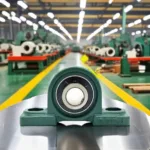
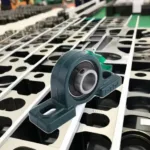
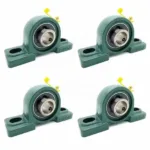
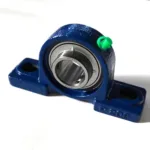
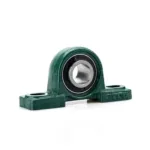
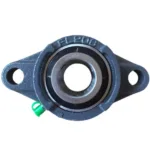
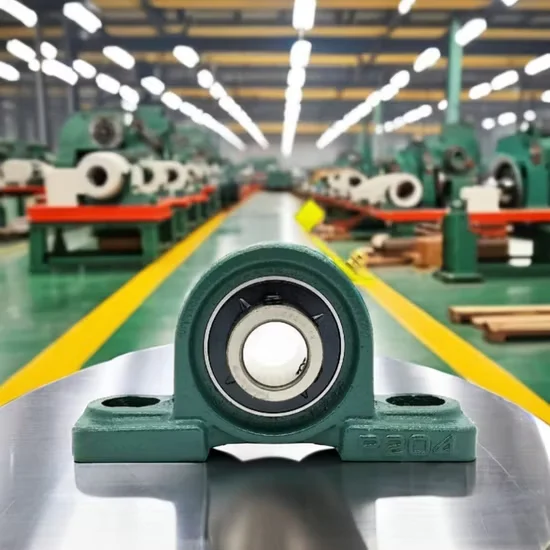
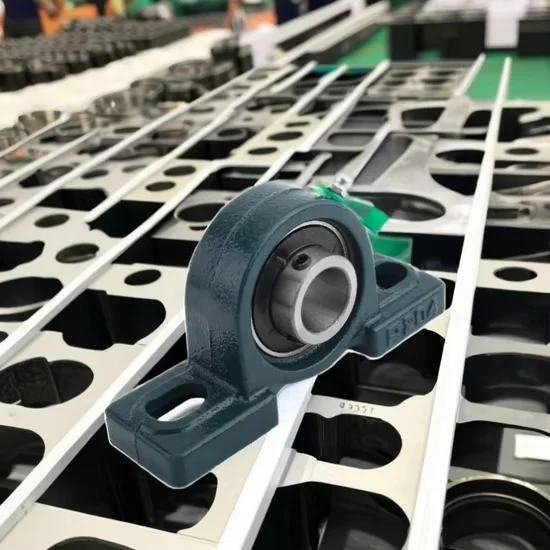
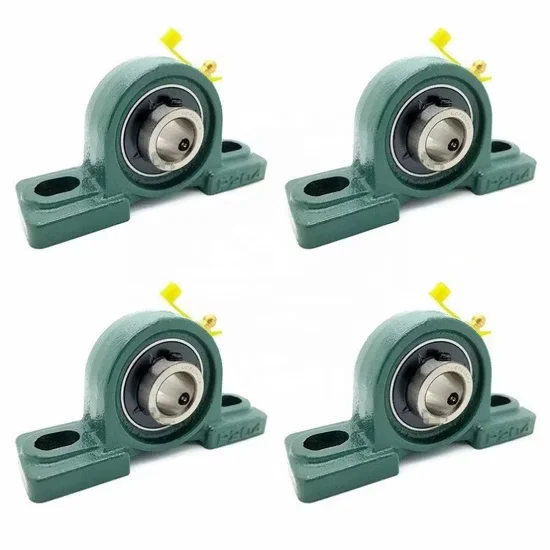
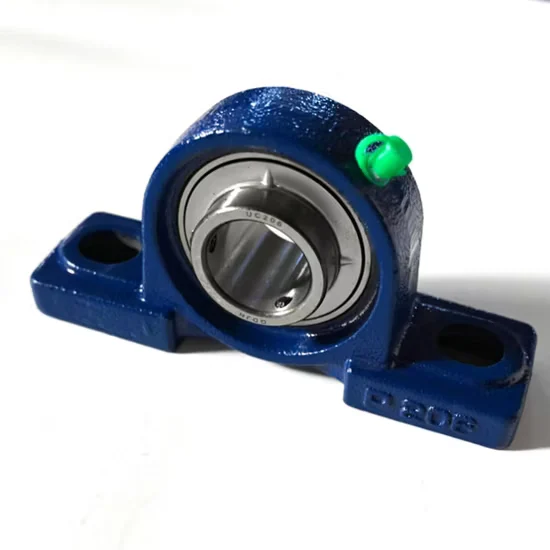
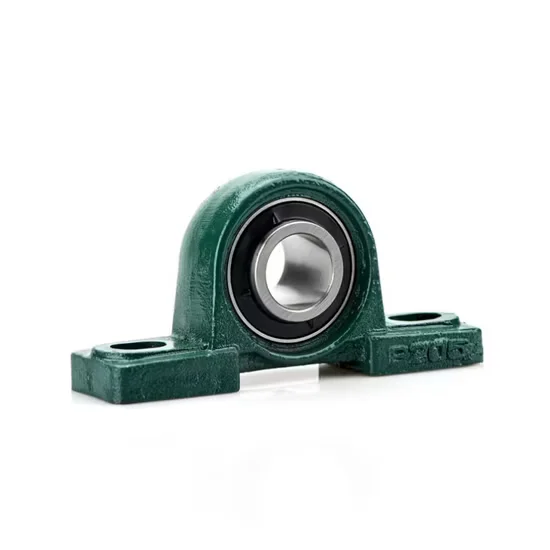
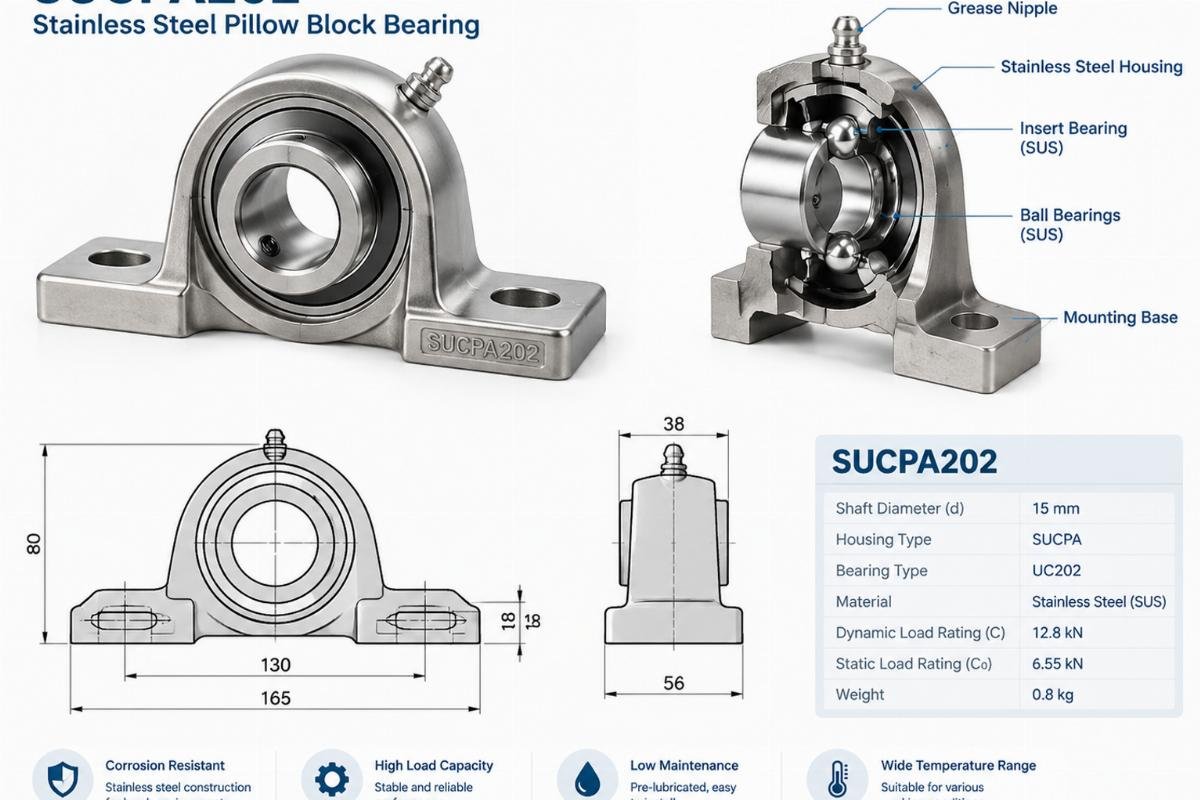
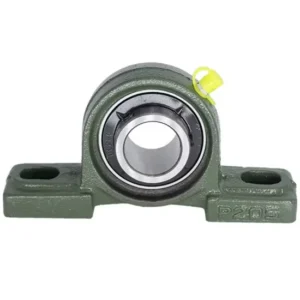
Sucpa202 Stainless Steel Pillow Block Bearing P0 — featuring a deep groove raceway and aligning design for stable operation in demanding environments.
Constructed with genuine stainless steel housing for excellent corrosion resistance in food processing and agricultural applications.
Every shipment includes complete original factory batch traceability documentation to guarantee authenticity and reliable performance.
Why Washdown Bearings Fail Before the Housing Corrodes
Seal degradation and grease emulsion cause the majority of hygiene-related breakdowns.
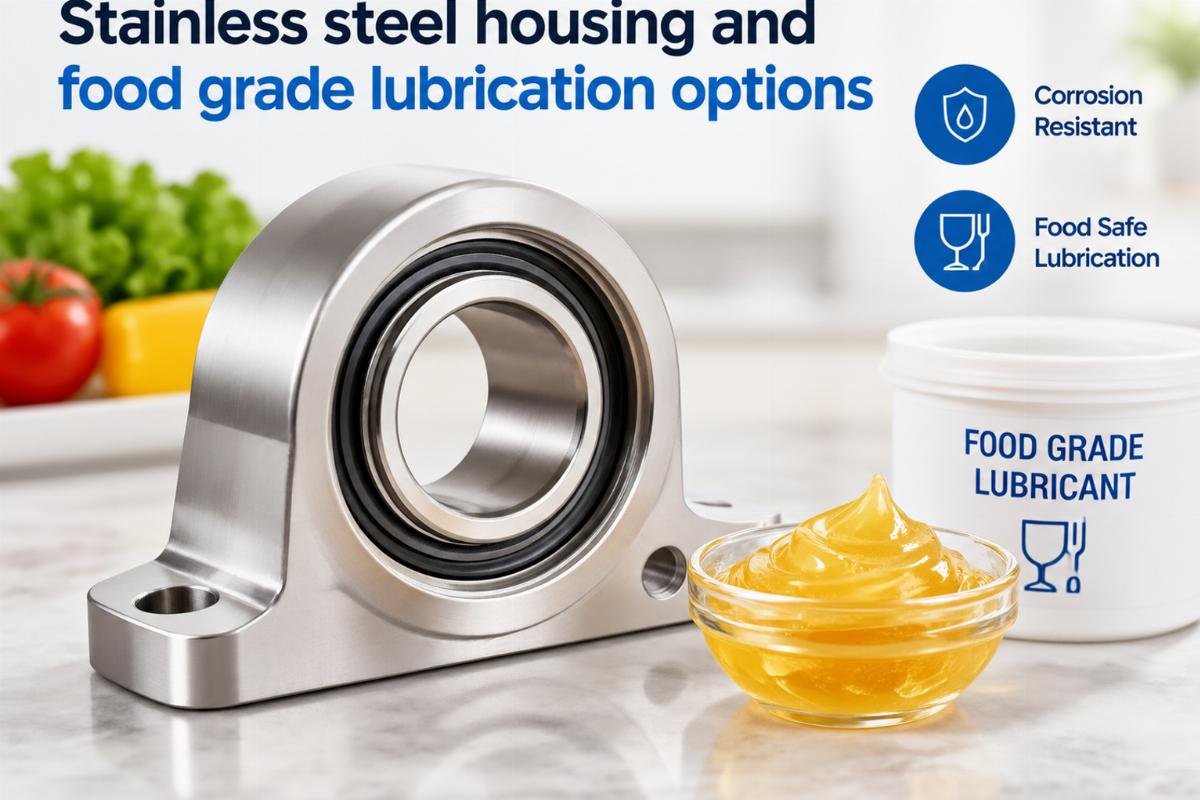
I recall an early bottling line project where standard nitrile seals and lithium grease completely washed out during rigorous CIP cycles, halting production entirely. The hot water and caustic sanitizers penetrated the seal lip, turning the grease into a milky emulsion that stripped the raceway of protection. Using the right Sucpa202 stainless steel pillow block bearing with silicone seals prevents this exact emulsion failure, keeping the internal rolling elements fully protected against aggressive washdown chemicals. [NEED_CITE: bearing failure modes in food processing environments per ISO 15243]
Matching Hygienic Requirements in Wet Processing
When specifying components for food-grade conveyors, the Sucpa202 stainless steel pillow block bearing provides the necessary corrosion resistance and washdown survival. Our supply chain ensures these units arrive with verifiable traceability, allowing maintenance teams to confidently deploy them in high-moisture zones without risking audit compliance. By securing genuine components with proper documentation, facility managers avoid the severe regulatory penalties associated with undocumented or non-compliant materials in direct food contact areas.
Navigating CIP Cycles and Thermal Shock
High-pressure washdowns introduce severe thermal cycling and chemical exposure that quickly degrade standard seals and compromise structural integrity. [NEED_CITE: thermal shock effects on bearing seals in washdown applications] The lubrication must resist emulsification while the housing withstands aggressive sanitizers without pitting. Furthermore, the deep groove raceway handles the moderate radial loads typical of conveyor drives, while the aligning feature compensates for minor shaft misalignments common in modular framing. The thermal expansion differences between the shaft and the housing during hot water rinses also necessitate appropriate internal clearance to prevent binding.
Decoding the Housing and Insert Configuration
The P-type block model offers a standard base mounting footprint, simplifying retrofits on existing conveyor lines and ensuring bolt-hole compatibility. Inside, the single-row deep groove insert manages radial forces efficiently while accommodating slight axial displacements. The unverified suffixes in the Sucpa202 stainless steel pillow block bearing designation require catalog confirmation to ensure exact seal and clearance matching before finalizing bulk orders. Food-grade lubrication paired with silicone rubber seals is critical here, as standard lithium grease would immediately emulsify under hot water exposure. The P0 precision rating ensures smooth, quiet operation suitable for packaging areas where noise limits apply, balancing performance with cost-effectiveness.
The Financial Impact of Premature Washdown Failures
Selecting cast iron housings instead of a genuine Sucpa202 stainless steel pillow block bearing for food zones inevitably leads to unplanned downtime and catastrophic line stoppages. When grease emulsifies, the resulting friction destroys the raceway, voiding warranties and triggering emergency air-freight replacement costs. Adhering to proper material selection guidelines prevents these cascading failures and protects the overall equipment effectiveness. [NEED_CITE: cost implications of unplanned downtime in continuous manufacturing] A single seized bearing on a main conveyor can halt an entire packaging hall, leading to significant product spoilage and missed shipment deadlines.
Securing Traceable Hygienic Components
Sourcing authentic food-grade units often involves dealing with a maze of unverified distributors who lack proper documentation and technical support. We consolidate mixed-brand packages, meaning you can order this specific insert alongside your regular SKF or FAG maintenance stock in one single shipment, drastically reducing administrative overhead. Our technical team cross-checks the stainless steel material certificates against the manufacturer’s original batch records to guarantee authenticity. This prevents the costly mistake of receiving painted cast iron disguised as corrosion-resistant alloy, ensuring your washdown infrastructure remains fully compliant and your maintenance inventory is accurately documented for future audits.
Documentation & Authenticity
Original factory batch traceability linking the P-block housing to its specific stainless steel melt.
Material inspection report verifying 304 grade alloy composition for washdown compliance.
Running accuracy inspection confirming P0 tolerance limits before dispatch.
Certificate of Conformity detailing the food-grade lubricant fill and silicone seal specifications.
Storage, Handling & Mounting
Keep the food-grade lubricant sealed in original packaging until mounting to prevent moisture contamination.
Use dedicated stainless steel tools to avoid carbon steel cross-contamination on the P-block housing.
Verify the aligning insert seating before tightening the P-housing bolts to prevent binding.
Store in a dry, climate-controlled environment to protect the silicone seals from UV degradation.
Preparing Your Technical Specifications
To ensure precise cross-referencing and accurate L10 life calculations, please share your conveyor shaft diameters, operating speeds, and detailed radial load estimates. Detailing the specific CIP chemical concentrations and maximum washdown temperatures allows our engineering team to thoroughly verify the seal and lubrication compatibility. Providing the OEM equipment model number helps us confirm the exact housing footprint and bolt spacing, while sharing the shaft tolerance class ensures the insert fits securely without excessive press-fit stress that could reduce internal clearance.
Frequently Asked Questions
Q: How do I verify the authenticity of the stainless steel housing material?
A: We provide a material inspection report confirming the 304 alloy composition, backed by original factory batch traceability. This ensures the housing meets food-grade washdown standards and prevents the common industry issue of receiving painted cast iron disguised as stainless steel.
Q: What cross-reference precautions apply to this insert bearing?
A: When cross-referencing to equivalent models from other brands, you must verify the seal material and lubrication type. Standard industrial equivalents often use nitrile seals and lithium grease, which will fail rapidly in CIP washdown environments compared to the required silicone and food-grade setup.
Q: How does the P0 precision rating affect conveyor operation?
A: The P0 precision class provides standard running accuracy, which is entirely sufficient for typical conveyor and agricultural drive applications. It ensures smooth rotation and minimizes vibration without the unnecessary cost premium associated with ultra-high precision classes used in machine tool spindles.
Q: What is the correct relubrication approach for food-grade inserts?
A: Units pre-filled with food-grade lubricant and equipped with specialized seals are often designed for maintenance-free operation in washdown zones. If relubrication ports are present, you must strictly use compatible food-grade grease to avoid chemical breakdown and maintain hygiene compliance.
Shipping Information
EU Warehouse
3-7 working days (bonded stock)
Direct from China
Shanghai & Ningbo hubs (bulk / FCL)
Markets Served
DE · IT · PL · ES · NL · FR · EU+
Incoterms
DDP / DAP available on request
Minimum Order
Contact us for MOQ details
Documents Included with Every Shipment
EN and ISO Quality Certificates
Batch traceability and manufacturing standard
Material & Heat-Treatment Reports
Full material composition and process records
CE Declaration of Conformity
For bearing units and motion products
RoHS Compliance Declaration
Restriction of hazardous substances
EUR.1 Movement Certificate
Preferential origin for EU customs
Certificate of Origin
Country of manufacture documentation
Correct HS Codes
Pre-classified for smooth customs clearance
Commercial Invoice & Packing List
VAT-compliant intra-EU invoicing
Transparent Landed Cost with Tax Explanation
SKFEU provides full price transparency so EU buyers know exactly what they pay. No hidden duties, no surprise charges at customs.
VAT-Compliant Invoicing
All intra-EU transactions are invoiced with correct VAT treatment. B2B buyers with valid EU VAT numbers receive zero-rated invoices where applicable.
No Unexpected Import Duties
Goods shipped from our EU bonded warehouse arrive as intra-EU movements -- no import duties, no customs delays for EU-based buyers.
EUR.1 & Origin Docs Ready
For shipments direct from China, EUR.1 movement certificates and certificates of origin are prepared in advance to minimise customs clearance time.
DDP Pricing Available
Ask for Delivered Duty Paid quotations -- we absorb all import costs so your landed cost is fixed and predictable from day one.
Need a landed cost breakdown? Contact Sofia at
sofia@skfeu.com
or via WhatsApp for a full DDP quotation including freight, duties and VAT for your country.
Send Inquiry
Request Pricing & Availability
Share your requirements and Sofia will respond within one working day with pricing, lead time and full documentation details.