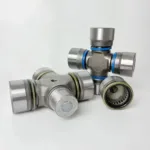
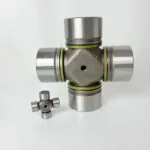
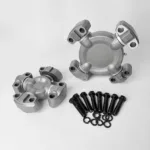
[WARN] draft identifier mismatch Cross Universal Joint Bearing Gumz-32*57/89 Gut-24 for Car Truck
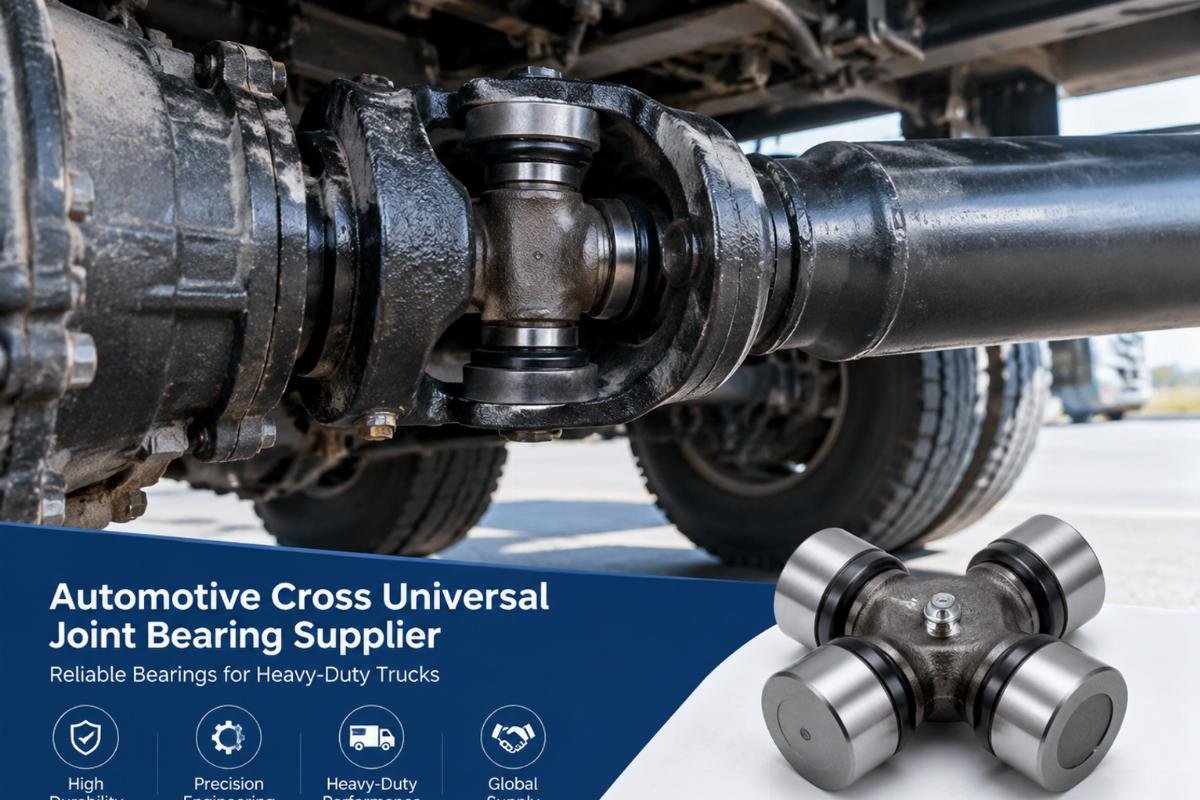
Cross Universal Joint Bearing for Automotive Drivetrains — durable carbon steel construction rated for heavy-duty torque transmission in car and truck drive shafts.
Manufactured to ABEC 1 standard with P0 tolerance, ensuring precise dimensional accuracy for steering systems.
ISO9001 certified production guarantees consistent reliability under continuous rotational stress and impact loads.
Every shipment includes complete original factory batch traceability documentation for strict quality verification.
Multi-Brand Sourcing Alignment — We consolidate OZD, KOYO, NTN, and NSK universal joints into single mixed-brand shipments without juggling multiple vendors.
Technical Specifications
Parameter
Value
Product Type
Cross Universal Joint Bearing
Material
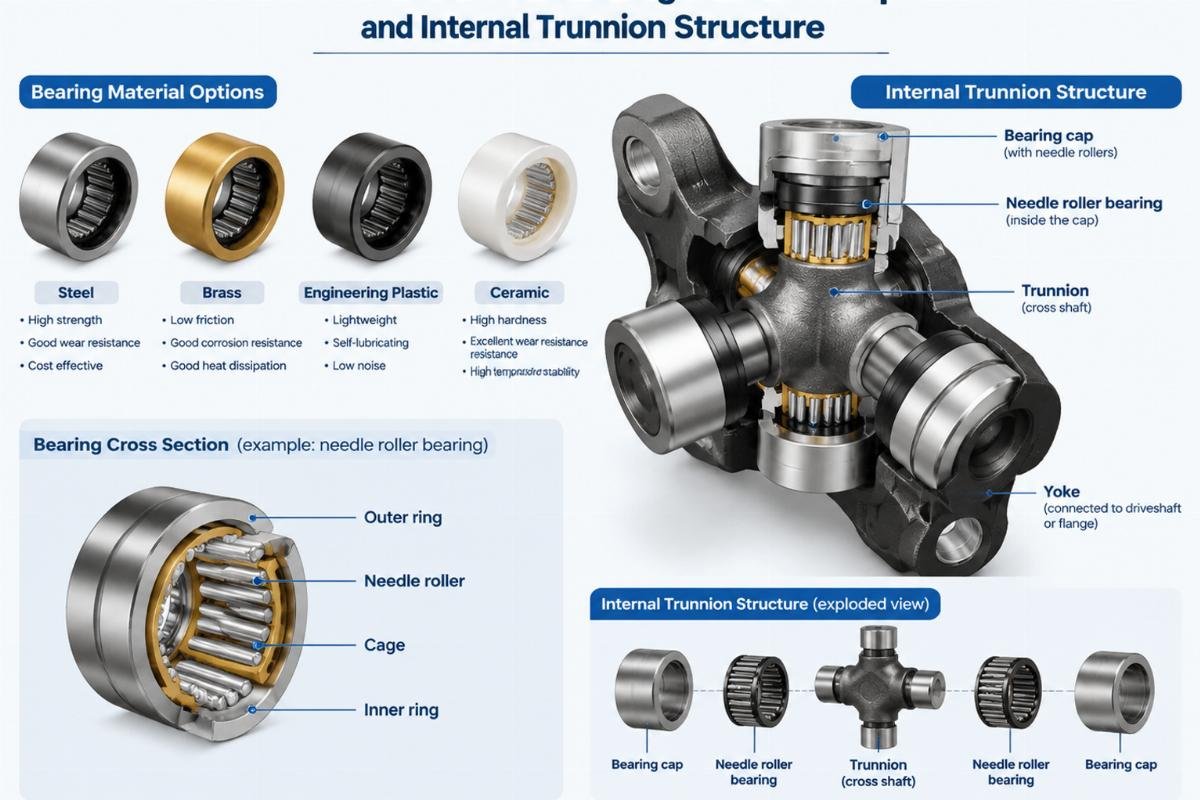
Carbon steel construction, with stainless steel or alloy variants available
Tolerance
P0 precision class
Certification
ISO9001 compliant manufacturing
Standard
ABEC 1 standard dimensional accuracy
Origin
Shandong, China
Warranty
One year coverage against manufacturing defects
Application Suitability
Industry
Typical Applications
Automotive
Car drive shafts and steering column linkages
Commercial Transport
Heavy-duty truck propeller shafts and drivetrains
Off-Highway Vehicles
Agricultural tractor PTO shafts and construction equipment steering
Drivetrain Torque Transfer and the Hidden Risks of Joint Misalignment
During a site visit in Riyadh, I witnessed a heavy-haul truck drivetrain fail because a universal joint seized under extreme high-temperature dust exposure. When sourcing components for commercial vehicles, procurement teams often overlook these specific operational stresses. An incorrectly specified automotive cross universal joint bearing supplier might provide parts that fail to handle the angular misalignment and shock loads typical in off-road or heavy-haul scenarios [NEED_CITE: rolling bearing failure mode classification per ISO 15243]. This oversight leads to premature wear in the trunnion caps, needle bearing degradation, and eventual seizing of the cross assembly, causing unplanned downtime and costly secondary damage to the transmission or differentials.
Matching Material Options to Drivetrain Demands
Selecting the right material variant is critical for ensuring operational longevity and preventing unexpected breakdowns. While carbon steel provides the necessary yield strength and surface hardness for standard torque transmission, stainless steel or specialized alloy options are available for environments with high moisture, corrosive road salts, or chemical exposure. As an experienced automotive cross universal joint bearing supplier, we guide buyers through these material choices to ensure the cross and bearing cups withstand the specific environmental and mechanical stresses of their fleet operations. Matching the material to the exact working environment prevents surface pitting and subsequent seal failure, which are primary drivers of premature joint degradation in harsh operating conditions.
Operational Stresses and Lubrication Realities in Drive Shafts
Drivetrain universal joints endure complex combined loading, primarily high torsional shear combined with radial forces from shaft weight and continuous angular deflection. Operating temperatures fluctuate significantly based on ambient conditions, vehicle speed, and internal friction, which directly impacts grease viscosity and protective film thickness. Adequate lubrication is paramount for survival; sealed variants require high-quality factory-filled grease that resists thermal degradation, while greasable designs demand strict maintenance intervals to purge contaminants and replenish the film [NEED_CITE: lubrication failure mechanisms in universal joints per ISO 281]. Dust, mud, and water ingress rapidly accelerate trunnion wear and needle bearing spalling if the sealing lips are compromised or if the grease purge schedule is neglected by maintenance crews.
Decoding Precision and Material Specifications for Joint Longevity
The ABEC 1 standard and P0 tolerance class ensure that the bearing cups and cross trunnions maintain precise dimensional accuracy, minimizing internal clearances that could lead to destructive vibration at high rotational speeds. Carbon steel remains the baseline for high strength and wear resistance, but buyers must carefully evaluate alternative material options when dealing with marine, agricultural, or highly corrosive environments. The ISO9001 certification guarantees that the heat treatment and machining processes are consistently controlled across every production batch. This strict process control prevents soft spots on the trunnion journals or inconsistent case hardening depths, which would otherwise lead to rapid spalling, brinelling, and structural collapse under the heavy shock loads encountered during sudden acceleration or braking.
The Operational Cost of Incorrect Joint Sizing
Specifying a joint with inadequate torque capacity, incorrect angular limits, or mismatched spline counts results in accelerated fatigue and catastrophic drivetrain failure. According to established failure analysis frameworks, operating a universal joint beyond its designed angular deflection causes severe edge loading on the needle bearings housed inside the cups [NEED_CITE: edge loading and fatigue failure per ISO 15243]. This localized stress concentration not only destroys the joint itself but can also induce severe harmonic vibrations that travel through the driveline. These vibrations ultimately damage the transmission output bearings and rear axle pinion seals, leading to extensive warranty voidance, massive repair bills, and prolonged vehicle out-of-service periods that disrupt critical supply chain logistics.
Why Engineering Verification Matters for Your Sourcing
We focus heavily on exact cross-reference compatibility, ensuring the replacement joints perfectly match the OEM spline counts, flange dimensions, and snap ring configurations. Our technical team rigorously verifies material certificates for carbon steel composition and reviews heat treatment logs before any dispatch occurs. We provide highly flexible consolidation services, mixing different joint sizes, applications, and brands like KOYO, NTN, or NSK into a single container to optimize your freight costs. Furthermore, we supply detailed dimensional inspection reports confirming ABEC 1 tolerances and P0 precision, actively preventing the installation of out-of-spec parts that cause immediate drivetrain vibration and premature wear upon commissioning.
Documentation & Authenticity
ISO9001 certificate confirming standardized heat treatment for carbon steel trunnions
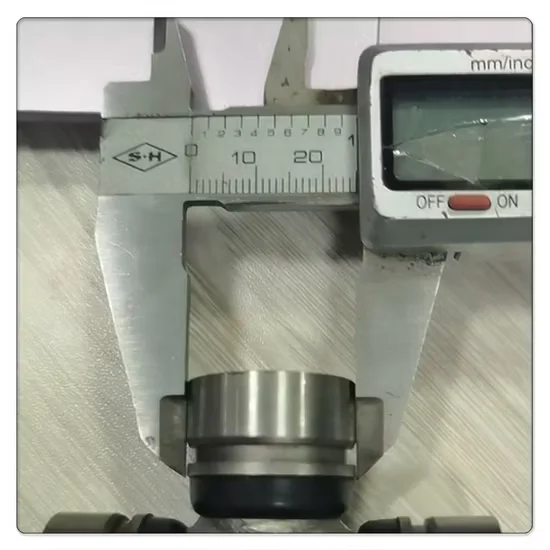
Dimensional inspection reports verifying P0 tolerance and ABEC 1 cup accuracy
Material test reports detailing carbon steel composition and hardness validation
Batch traceability documents linking each joint to its specific manufacturing run
Origin certificates confirming Shandong production facilities for customs clearance
Storage, Handling & Mounting
Store carbon steel joints in original packaging to prevent surface corrosion before installation
Use clean gloves when handling to avoid transferring moisture to the trunnion journals
Verify spline count and flange dimensions against the drive shaft before pressing cups
Follow manufacturer torque specs for cap retention bolts to prevent cup distortion
Ensure greasable variants are purged with fresh grease until it extrudes from all seals
Technical Data Required for Accurate Joint Selection
To ensure exact fitment and optimal operational lifespan, please provide the specific vehicle make, model, year, and drive shaft assembly number. Share the maximum operating torque, expected angular deflection, and typical operating environment so our engineering team can recommend the appropriate material variant and sealing configuration for your application. Supplying the exact OEM part number allows us to perform a precise cross-reference check against our available inventory, ensuring you receive components that integrate flawlessly into your existing maintenance workflows without requiring modifications or adapters.
Frequently Asked Questions
Q: How do I determine the correct universal joint size and model for my specific vehicle parameters?
A: Provide the vehicle make, model, drive shaft assembly number, and OEM part number. Our engineering team will cross-reference these details to identify the exact spline count, flange dimensions, and torque capacity required, ensuring the selected joint matches your specific drivetrain configuration without guesswork.
Q: What are the common failure modes of universal joints in heavy-duty truck applications?
A: Heavy-duty trucks typically experience failure due to inadequate lubrication, seal contamination, or operating beyond the maximum angular deflection. These conditions cause edge loading on the internal bearings, leading to trunnion wear, brinelling, and eventual seizing, which can induce severe drivetrain vibrations and secondary component damage.
Q: How does carbon steel material compare to alloy or stainless variants for universal joint durability?
A: Carbon steel offers excellent yield strength and wear resistance for standard torque transmission in typical environments. Stainless or specialized alloy options are available and recommended for applications exposed to high moisture, road salts, or marine conditions, providing substantially higher corrosion resistance to prevent trunnion pitting and seal degradation.
Q: What is the recommended maintenance and lubrication cycle for cross universal joint bearings?
A: Maintenance depends on the joint design and operating environment. Greasable variants require regular purging to expel contaminants, especially in dusty or wet conditions, while sealed units rely on factory-filled grease and must be replaced once internal wear occurs. Always follow the vehicle manufacturer’s specified mileage or hourly intervals.
Q: How can I verify the authenticity and quality traceability of the supplied universal joints?
A: We provide comprehensive documentation including ISO9001 certificates, material test reports verifying carbon steel composition, and dimensional inspection reports confirming ABEC 1 and P0 tolerances. Batch traceability documents are also supplied, linking each joint directly to its manufacturing run for complete quality assurance.
Shipping Information
EU Warehouse
3-7 working days (bonded stock)
Direct from China
Shanghai & Ningbo hubs (bulk / FCL)
Markets Served
DE · IT · PL · ES · NL · FR · EU+
Incoterms
DDP / DAP available on request
Minimum Order
Contact us for MOQ details
Documents Included with Every Shipment
EN and ISO Quality Certificates
Batch traceability and manufacturing standard
Material & Heat-Treatment Reports
Full material composition and process records
CE Declaration of Conformity
For bearing units and motion products
RoHS Compliance Declaration
Restriction of hazardous substances
EUR.1 Movement Certificate
Preferential origin for EU customs
Certificate of Origin
Country of manufacture documentation
Correct HS Codes
Pre-classified for smooth customs clearance
Commercial Invoice & Packing List
VAT-compliant intra-EU invoicing
Transparent Landed Cost with Tax Explanation
SKFEU provides full price transparency so EU buyers know exactly what they pay. No hidden duties, no surprise charges at customs.
VAT-Compliant Invoicing
All intra-EU transactions are invoiced with correct VAT treatment. B2B buyers with valid EU VAT numbers receive zero-rated invoices where applicable.
No Unexpected Import Duties
Goods shipped from our EU bonded warehouse arrive as intra-EU movements -- no import duties, no customs delays for EU-based buyers.
EUR.1 & Origin Docs Ready
For shipments direct from China, EUR.1 movement certificates and certificates of origin are prepared in advance to minimise customs clearance time.
DDP Pricing Available
Ask for Delivered Duty Paid quotations -- we absorb all import costs so your landed cost is fixed and predictable from day one.
Need a landed cost breakdown? Contact Sofia at
sofia@skfeu.com
or via WhatsApp for a full DDP quotation including freight, duties and VAT for your country.
Send Inquiry
Request Pricing & Availability
Share your requirements and Sofia will respond within one working day with pricing, lead time and full documentation details.