Bearing Brand Tiers: Wholesale Supplier for European Distributors
Master Bearing Brand Tiers for European distributors by prioritizing strict customs compliance over mere pricing. Undeclared brand substitutions trigger IP seizures, while transparent documentation prevents costly delays. Learn to build compliant mixed-brand sourcing strategies that ensure smooth clearance and protect your supply chain.


Bearing Brand Tiers: Wholesale Supplier for European Distributors
Identical part numbers do not guarantee identical customs treatment.
For European distributors, defining Bearing Brand Tiers and managing alternative substitutions require strict customs compliance and transparent documentation, not just competitive pricing. Undeclared brand swaps trigger intellectual property seizures, while opaque documentation causes financial losses far exceeding the value of the goods. Success in this market depends on treating brand hierarchy as a legal and logistical framework, not merely a pricing strategy.
My first major lesson in this industry did not come from a textbook, but from a shipping container stuck at the Port of Hamburg. I was supplying a German distributor with tapered roller bearings. The client requested SKF units, but due to stock constraints, we substituted them with ZWZ equivalents. Technically, the dimensions and load ratings matched. I assumed the part number was the only identifier that mattered. I did not explicitly declare the substitution as an “Alternative” in the commercial invoice or packing list. Customs officials detained the entire container. They flagged it for potential trademark infringement because the physical goods did not match the declared brand on the paperwork. The delay lasted several weeks. We eventually had to compensate the client with genuine original parts to resolve the dispute. That incident revealed a critical truth: in the European market, the paper trail is as important as the steel itself. Understanding Bearing Brand Tiers is not just about quality; it is about navigating the legal landscape of international trade [NEED_CITE: EU Customs IP enforcement regulations for industrial components].
How Are Bearing Brands Tiered for the European Market?
Brand tiering is a structural classification based on manufacturing origin, quality consistency, and market positioning, not just price.
European distributors often struggle to explain why two bearings with the same ISO dimensions have vastly different costs. A clear tier matrix helps clients make informed sourcing decisions without compromising on compliance. The market generally divides into three distinct levels. Premium global brands represent the top tier, known for extensive R&D and consistent high-precision output. Standard international brands offer a balance of reliability and cost, often serving as direct replacements in non-critical applications. Economy domestic brands provide cost-effective solutions for high-volume, low-stress environments.
| Tier Level | Brand Examples | Quality Consistency | Traceability Documentation | Typical Application |
|---|---|---|---|---|
| Premium Global | SKF, FAG, NSK, TIMKEN | Certified High | Full batch-level, verifiable | High-speed spindles, wind turbines |
| Standard International | NTN, KOYO, NACHI | Standard | Sample-level, self-reported | General industrial motors, pumps |
| Economy Domestic | ZWZ, HRB, LYC | Basic | Not provided / Limited | Agricultural machinery, low-speed conveyors |
This matrix is not static. A bearing from a premium brand may reach P5 precision, while an economy brand might only guarantee P0. However, the key differentiator for distributors is documentation. Premium brands provide full traceability, including material certificates and heat treatment logs. Economy brands often lack this depth. When sourcing as a Bearing Brand Tiers specialist, you must align the tier with the application risk. Using an economy bearing in a high-speed turbine is a technical failure waiting to happen. Using a premium bearing in a slow-moving agricultural conveyor is a financial inefficiency.
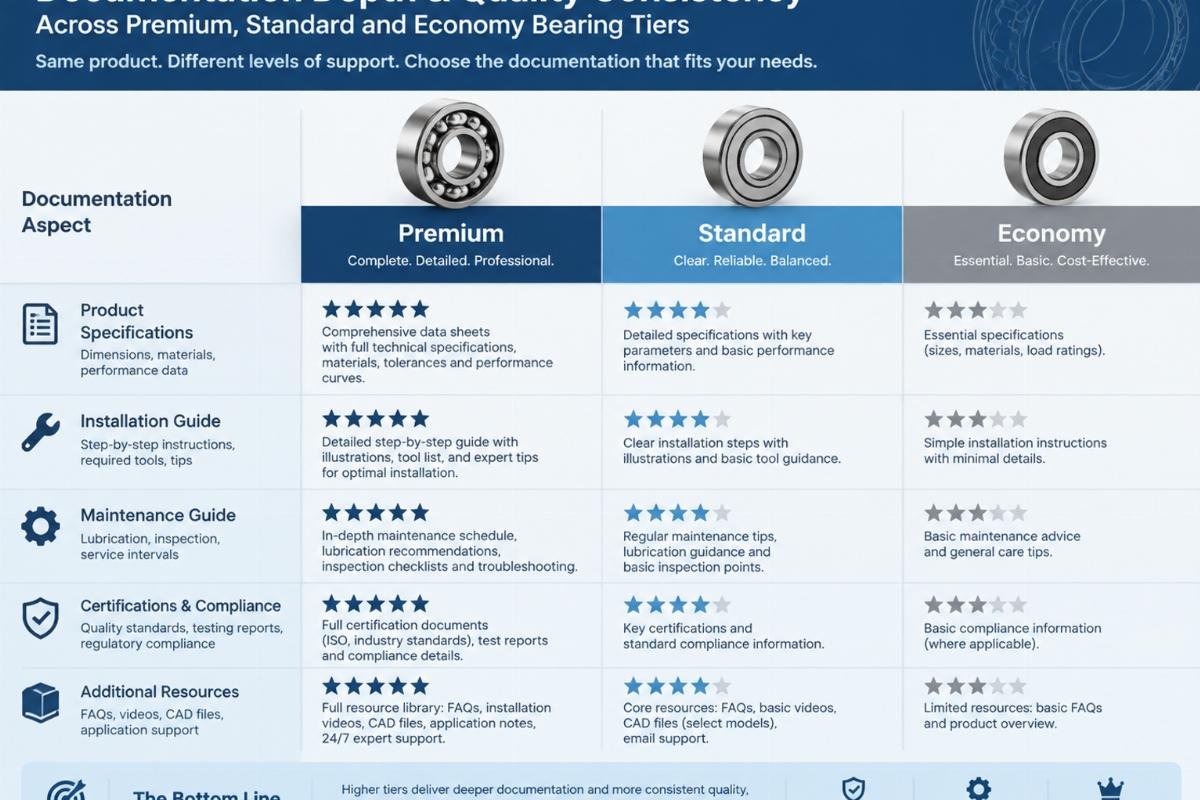
The risk arises when these tiers are mixed without clarity. A Middle East steel mill once ordered a mixed container. They wanted premium bearings for their main drive systems and economy bearings for auxiliary fans. Without a clear declaration of which box contained which tier, the entire shipment faced scrutiny. By clearly labeling each pallet with its corresponding tier and brand, we ensured smooth clearance. This approach transforms Bearing Brand Tiers from a marketing concept into a logistical safeguard.
Why Do Undeclared Alternatives Trigger Customs Seizures?
Customs authorities view undeclared brand substitutions as potential counterfeiting, not cost-saving measures.
Many buyers assume that if the part number matches, the brand is irrelevant. This is a dangerous misconception. Intellectual property rights are strictly enforced at European borders. If a commercial invoice declares “SKF” but the physical goods are “ZWZ,” customs officers may seize the goods under suspicion of trademark violation. Even if the goods are genuine Chinese products, the mismatch in documentation creates a legal liability. The cost of detention, storage, and potential destruction of goods far outweighs any savings from using a cheaper alternative.
The root cause of these seizures is often poor communication between the supplier and the buyer. Suppliers may substitute brands to meet delivery deadlines, assuming the buyer will not notice or care. However, distributors are responsible for the accuracy of their import declarations. An undeclared substitution breaks the chain of custody. It raises questions about the origin and authenticity of the product. In one case, a French wholesaler received a shipment where thirty percent of the boxes contained alternative brands. Because the paperwork did not reflect this mix, the entire container was held for inspection. The delay disrupted their supply chain for months.

To avoid this, every substitution must be transparent. If a premium brand is unavailable, the invoice should clearly state “Alternative: [Brand Name]” next to the original part number. This honesty allows customs to verify the goods correctly. It also protects the distributor from claims of fraud. As a Bearing Brand Tiers advisor, I emphasize that transparency is the only viable strategy. Hiding substitutions does not save money; it invites disaster. The goal is to build a relationship of trust with both the client and the regulatory authorities. This requires meticulous attention to detail in every document, from the proforma invoice to the bill of lading.
How to Build a Compliant Mixed-Brand Sourcing Strategy?
A compliant strategy integrates brand tier selection with rigorous documentation protocols from the outset.
Mixing brands in a single container is common for MRO clients who need a variety of specifications. However, this practice increases complexity. A successful strategy begins with categorizing items by tier before packing. Premium items should be packed separately from economy items. Each group should have its own packing list. This segregation simplifies inspection and reduces the risk of cross-contamination in documentation.
The next step is to establish a clear declaration protocol. Every item in the shipment must be linked to its specific brand and tier. If an alternative is used, it must be noted. This process requires close collaboration between the supplier and the distributor. The supplier must provide accurate data on the origin and specifications of each bearing. The distributor must ensure this data is reflected in their import filings.
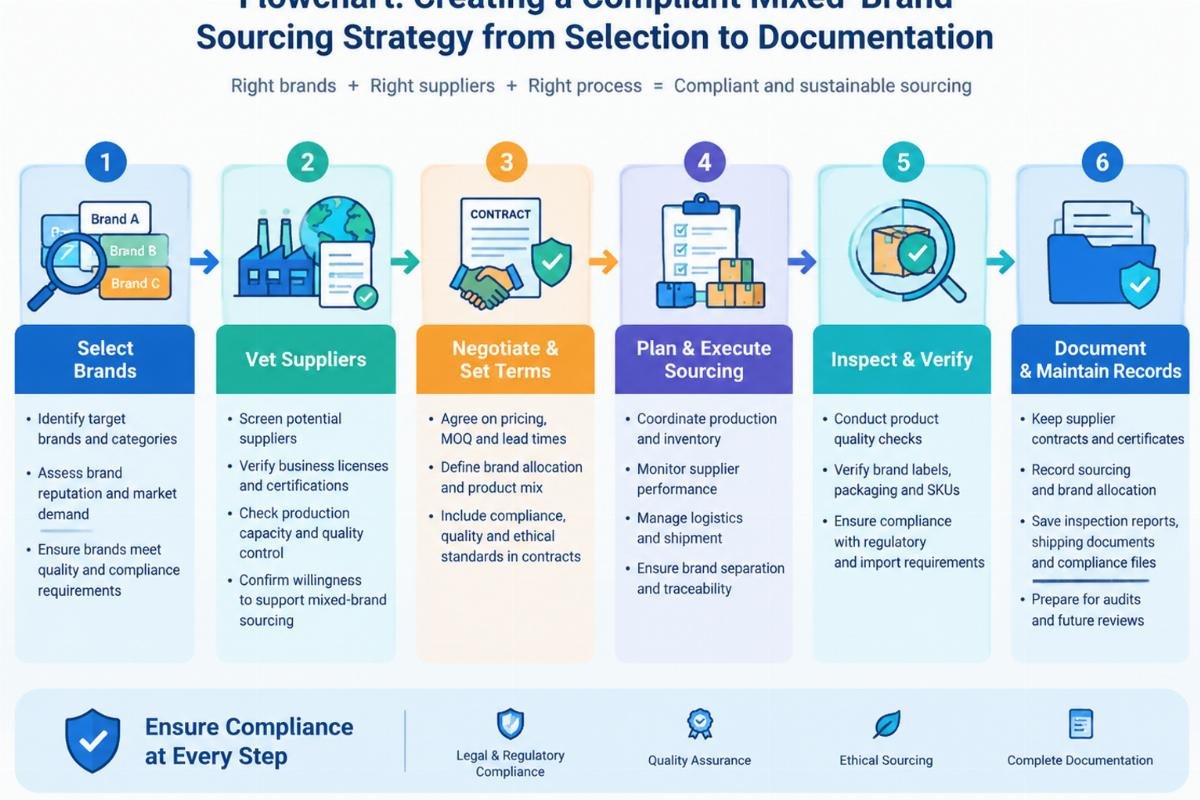
Consider a scenario involving a mining equipment operator in Africa. They needed urgent replacements for various machines. Some required high-precision spherical roller bearings, while others could use standard deep-groove ball bearings. We consolidated these into a single shipment. By clearly marking the high-precision items as “Premium Tier” and the standard items as “Economy Tier,” we allowed the client to prioritize their inventory management. They could install the premium bearings in critical crushers and use the economy ones in less demanding conveyors. This approach maximized value while maintaining compliance. It also demonstrated the practical utility of understanding Bearing Brand Tiers. It is not just about buying cheap; it is about buying right.
What Documentation Guarantees Smooth Customs Clearance?
Complete and accurate documentation is the primary defense against customs delays and seizures.
The essential documents include the commercial invoice, packing list, certificate of origin, and any relevant quality certificates. For mixed-brand shipments, the packing list must be detailed. It should list the brand, part number, quantity, and tier for each item. If an alternative is used, this must be explicitly stated. The certificate of origin must match the actual manufacturer. If a bearing is made in China, the certificate must say China. Misrepresenting the origin is a serious offense.
Additionally, providing technical datasheets can help customs officers understand the nature of the goods. These documents show that the bearings are legitimate industrial components, not counterfeit luxury goods. They provide context for the value and purpose of the shipment. In some cases, a letter of explanation from the supplier can clarify why alternatives were used. This letter should reference the specific part numbers and the reasons for substitution, such as stock availability or client request.

A European automotive supplier once faced issues with a shipment of needle bearings. The packaging did not clearly indicate the brand. Customs suspected they were fake. We provided the original purchase orders from the manufacturer, along with the quality control reports. These documents proved the authenticity of the goods. The shipment was released within days. This experience highlights the importance of having a complete paper trail. It is not enough to have good products; you must have good proof. As a Bearing Brand Tiers partner, we ensure that every shipment is accompanied by the necessary documentation. This proactive approach minimizes risk and ensures business continuity.
Conclusion
Compliance is the foundation of sustainable bearing distribution in Europe.
Success in this sector relies on more than just competitive pricing. It demands a deep understanding of brand hierarchies and a commitment to transparent documentation. By treating Bearing Brand Tiers as a strategic tool, distributors can optimize their sourcing while avoiding costly legal pitfalls. Clear declarations, accurate paperwork, and honest communication are the keys to smooth operations.
Tagged

Written by
author
Editor covering global sourcing, supplier verification, and industrial product knowledge. Content is compiled from manufacturer specifications, industry standards, and hands-on experience with international B2B buyers. Every article is fact-checked before publishing to help procurement professionals make informed decisions.


