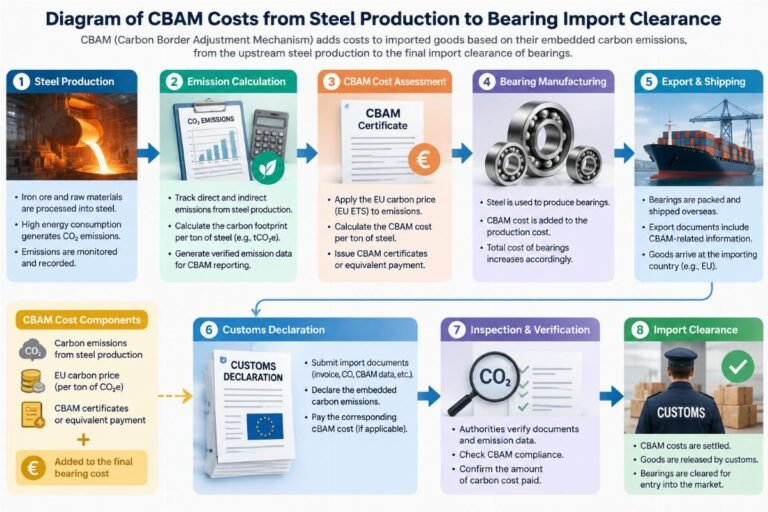
European Bearing Market 2026: Genuine SKF FAG NSK Wholesale Supplier
Navigate the European Bearing Market 2026 by prioritizing anti-corrosion packaging and full traceability over unit price to prevent costly rust damage. Secure genuine SKF, FAG, and NSK inventory with flexible consolidation services that mitigate supply chain risks and ensure operational continuity for critical industrial applications.


European Bearing Market 2026: Genuine SKF FAG NSK Wholesale Supplier
Premium specifications mean nothing if the bearing is rusted before installation.
The 2026 European bearing market is defined not just by demand volume from green energy and heavy industry upgrades, but by a critical shift in supply chain resilience where anti-corrosion packaging integrity and full traceability documentation have become the primary determinants of operational success. Buyers must prioritize verified moisture-proof standards over unit price to avoid hidden costs of unplanned downtime.
I still remember the smell of salt and oxidized steel when we opened a container at the port of Valparaiso years ago. It was a shipment of high-precision spherical roller bearings destined for a copper mining operation. On paper, every spec sheet was perfect. The brands were top-tier, the tolerances were within P5 class, and the paperwork looked immaculate. But the reality inside the crates was a disaster. The VCI (Volatile Corrosion Inhibitor) paper had been applied loosely, and the long transit time across the Pacific, combined with high humidity fluctuations, had turned pristine steel into scrap. The client refused the entire batch. That loss was not due to manufacturing defects; it was a failure of preservation logistics. Since then, my approach to sourcing has shifted from merely checking part numbers to obsessing over the physical condition of the packaging and the chain of custody. [NEED_CITE: impact of humidity on bearing storage per ISO standards]
This experience shapes how I view the current landscape. As we navigate the complexities of the European Bearing Market 2026, the gap between theoretical availability and actual usable inventory has widened. Distributors and MRO operators are no longer just buying metal rings; they are buying assurance that the component will survive the journey and perform under load.
What are the main demand drivers in the 2026 European bearing market?
Renewable energy projects and heavy machinery modernization are the dominant forces shaping procurement volumes.
The push toward decarbonization across Europe has created a surge in demand for large-diameter spherical roller bearings and specialized thrust bearings used in wind turbine main shafts and gearboxes. Unlike standard industrial applications, these components operate under extreme variable loads and require batch-to-batch consistency that only premium manufacturers can guarantee. [NEED_CITE: European wind energy capacity growth trends 2026]
Simultaneously, the heavy industry sector, including mining and metallurgy, is undergoing significant upgrades to improve efficiency and reduce environmental impact. This drives the need for high-load capacity bearings that can withstand harsh conditions. However, the demand is not uniform. It is highly specific to application environments. A bearing suitable for a clean food-processing line is vastly different from one required for a wet, abrasive mining crusher.
In my recent interactions with equipment dealers in Northern Europe, I have observed a trend toward mixed-brand consolidation. Operators are no longer loyal to a single brand for all applications. Instead, they seek the best-in-class solution for each specific node in their machinery. For instance, they might prefer SKF for high-speed spindle applications but opt for FAG or NSK for heavy-duty pillow block units. This fragmentation requires suppliers to hold diverse, genuine stock rather than relying on a single source.
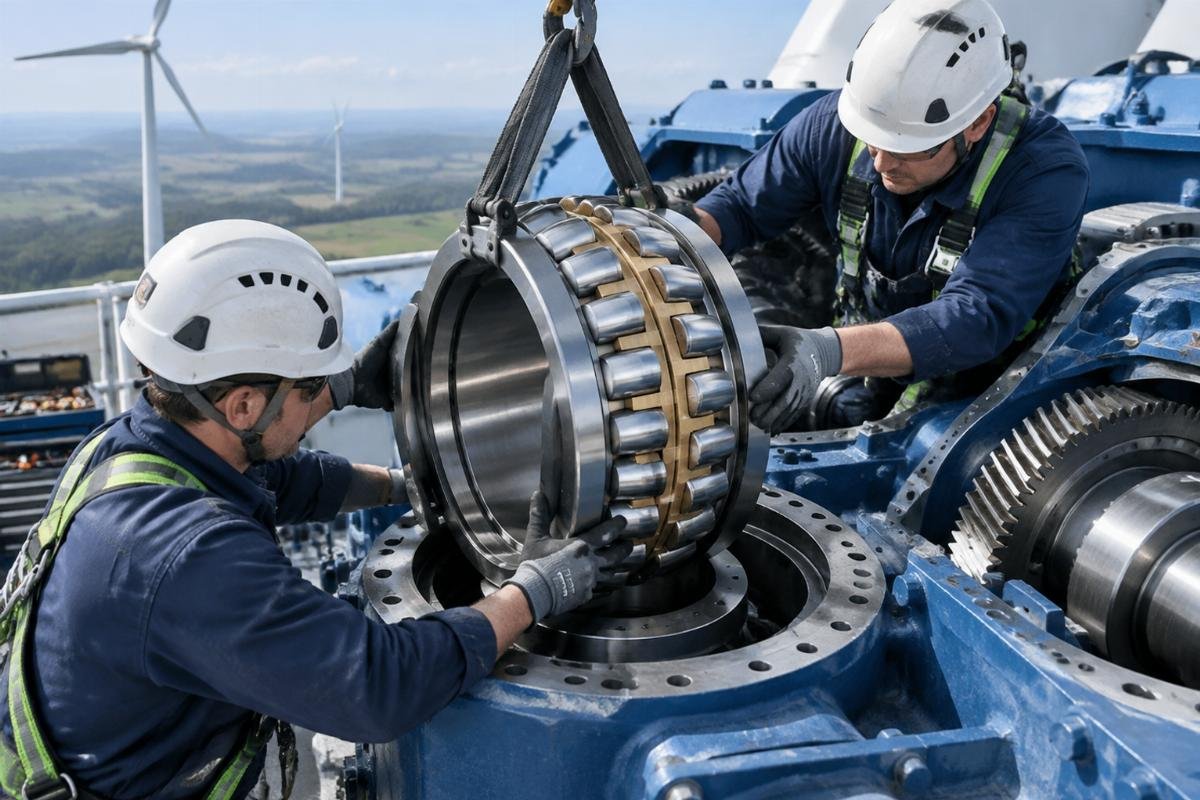
The European Bearing Market 2026 is thus characterized by a bifurcation: high-volume, standardized demand for general industrial use, and low-volume, high-specification demand for critical infrastructure. Suppliers who cannot offer both breadth and depth in their inventory will struggle to meet the nuanced needs of modern MRO strategies.
How are supply chain shifts affecting lead times and availability?
Global logistics bottlenecks have made spot inventory and flexible minimum order quantities crucial for maintaining operational continuity.
The era of just-in-time delivery for critical spare parts is largely over for many heavy industries. Unpredictable shipping delays and port congestions have forced buyers to rethink their inventory strategies. The risk of a single missing bearing causing weeks of production downtime now outweighs the cost of holding additional stock. [NEED_CITE: global logistics lead time volatility reports 2025-2026]
From a sourcing perspective, this means that availability is more valuable than marginal price differences. A buyer might find a slightly lower unit price from a distant supplier, but if the lead time is uncertain, the total cost of ownership skyrockets. I have seen cases where a mine in South America waited months for a specific tapered roller bearing, losing significant revenue while the equipment sat idle. In contrast, having access to a supplier with massive spot inventory allowed another client to receive the same part within days, minimizing disruption.
Flexibility in order quantity is also key. Large OEMs may order by the container, but MRO operators often need single units or small batches for emergency repairs. Suppliers who insist on high minimum order quantities fail to serve the urgent needs of the aftermarket. The ability to consolidate mixed-brand, mixed-size packages into a single shipment is a significant advantage. It reduces customs complexity and shipping costs for buyers who need to replenish diverse stock levels.
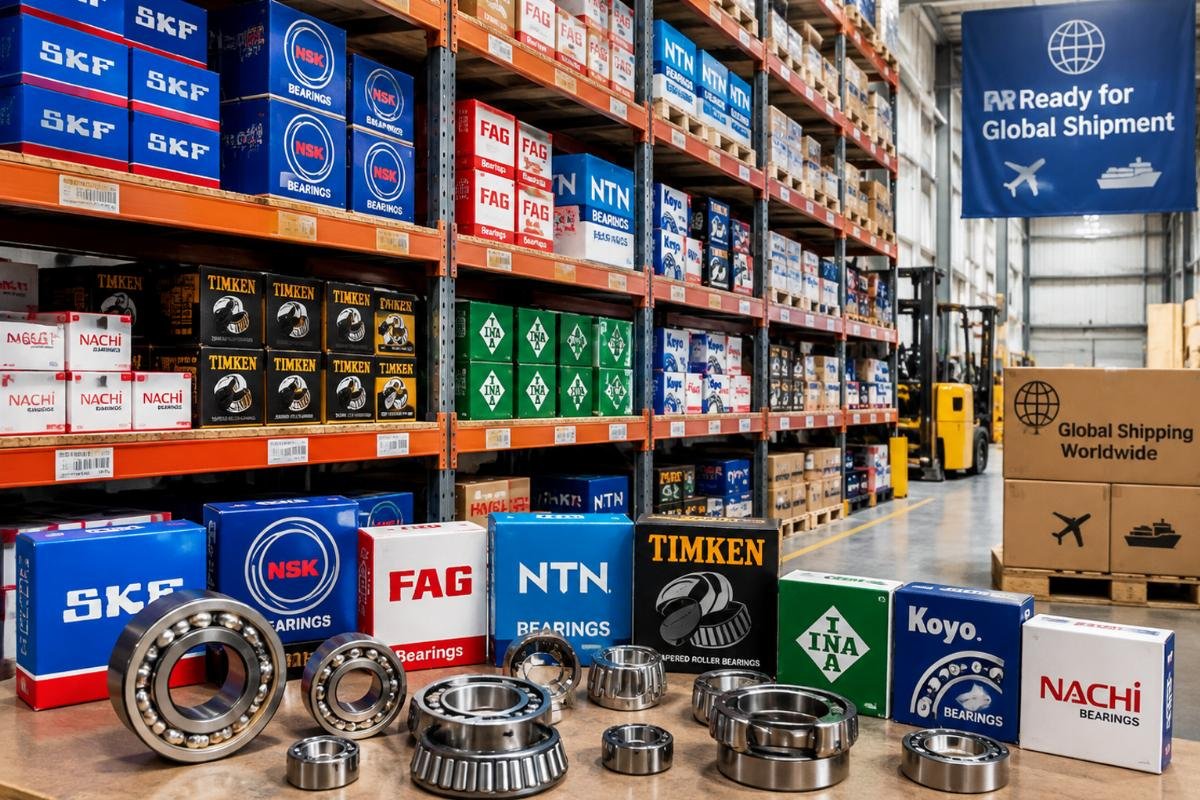
In the context of the European Bearing Market 2026, supply chain resilience is not just about having products; it is about having the right products, in the right condition, available at the right time. This requires a supplier network that is deeply integrated with global logistics and capable of rapid response.
Why do field failures occur despite premium bearing specifications?
Inadequate anti-corrosion packaging and poor traceability lead to premature rust and rejection, regardless of initial quality.
It is a common misconception that a premium brand guarantees longevity. However, bearings are highly susceptible to environmental damage during storage and transit. If the protective packaging is compromised, moisture and contaminants can penetrate the seal, leading to corrosion before the bearing is even installed. This is particularly relevant for shipments to regions with high humidity or saline atmospheres. [NEED_CITE: ISO standards for bearing packaging and preservation]
I recall a case involving a steel plant in Southeast Asia. They purchased high-grade cylindrical roller bearings from a reputable source, but the supplier used standard cardboard boxing without proper VCI treatment. Upon arrival, several units showed signs of surface rust. While the rust appeared superficial, it compromised the precision of the rolling elements and raceways. The plant had to reject the batch, incurring significant replacement costs and delay.
Traceability is equally critical. Without proper documentation, it is impossible to verify the origin and history of a bearing. Counterfeit or refurbished parts often enter the supply chain through unauthorized channels. These parts may look identical to genuine products but lack the material integrity and heat treatment required for heavy-duty applications. Failure to verify traceability documents can lead to catastrophic equipment failure.
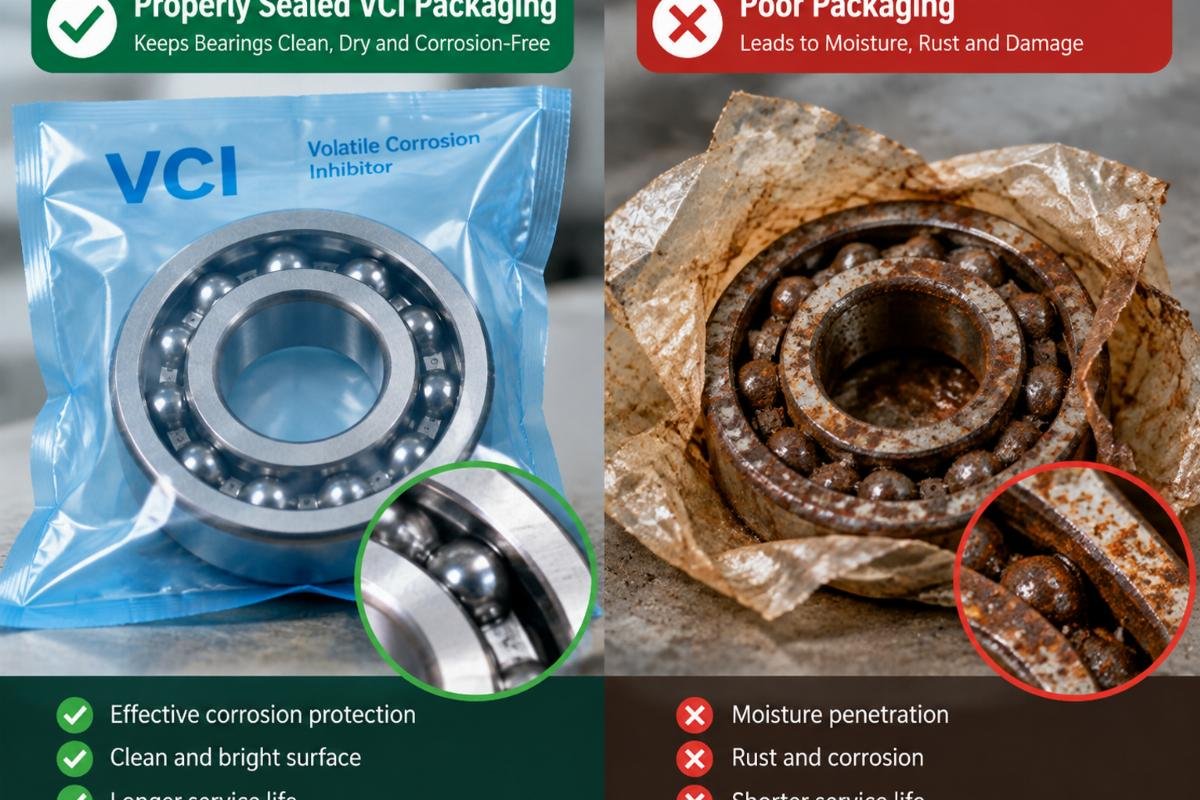
Therefore, in the European Bearing Market 2026, buyers must look beyond the brand name. They must inspect the packaging specifications and demand full traceability documentation. This includes mill certificates, heat treatment records, and proof of authorized distribution. Only then can they ensure that the premium specifications they paid for are actually present in the product they receive.
How can buyers secure genuine bearings amid market fluctuations?
Prioritize full traceability documentation and professional consolidation services to mitigate risks of counterfeit and damaged goods.
Securing genuine bearings requires a proactive approach to verification. Buyers should request detailed traceability documents for every batch, including serial numbers and manufacturing dates. These documents should be cross-referenced with the manufacturer’s database whenever possible. [NEED_CITE: best practices for verifying genuine industrial bearings]
Additionally, working with a supplier who offers professional consolidation services can significantly reduce risk. Such suppliers act as a quality gate, inspecting goods before shipment and ensuring that packaging meets international standards. They can also provide technical support for model selection, helping buyers choose the right equivalent models when specific parts are unavailable. This cross-brand equivalent selection capability is vital in a tight market.
For regional distributors, this means partnering with suppliers who understand the nuances of local markets. A supplier based in China with a global reach can offer competitive sourcing costs compared to direct official brand channels, while still maintaining strict quality control. They can handle the complexities of mixed-brand orders, providing a one-stop solution for diverse maintenance needs.
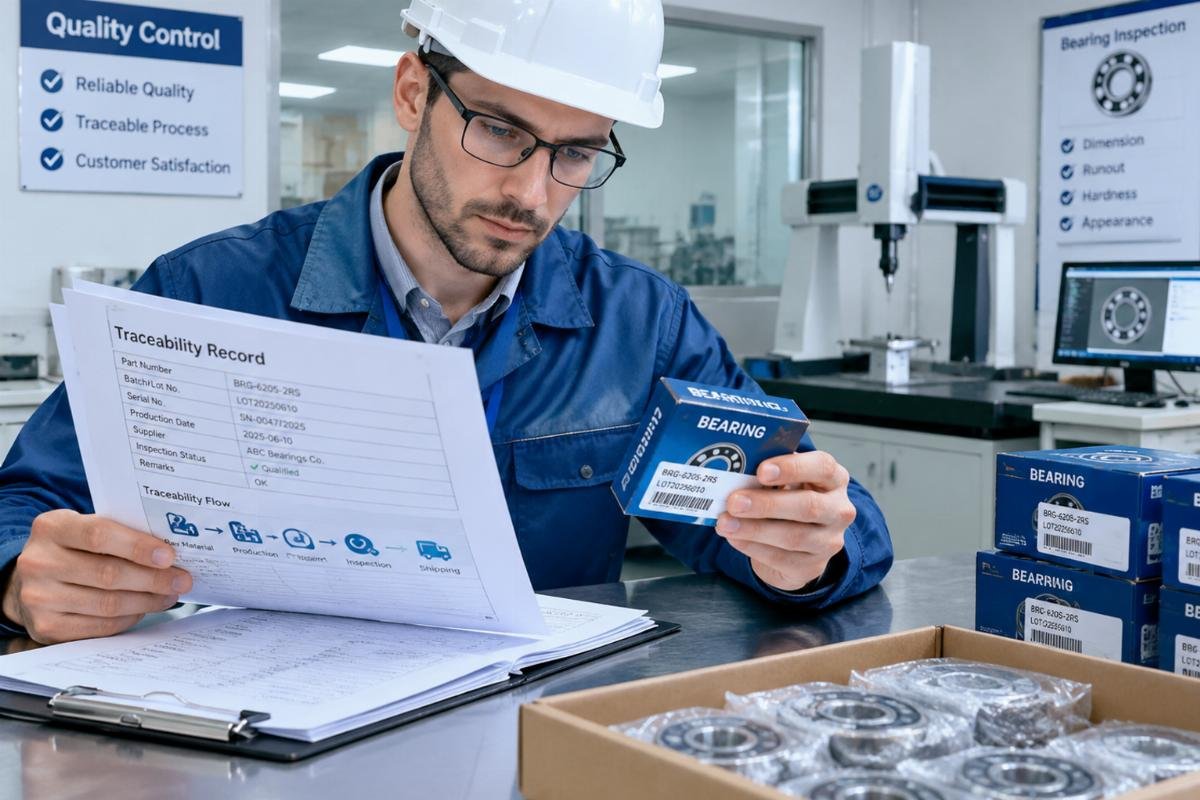
In the evolving European Bearing Market 2026, trust is built on transparency and reliability. Buyers who invest in verifying the authenticity and condition of their bearings will reap the benefits of reduced downtime and extended equipment life. It is not enough to simply buy a bearing; one must buy the certainty that it will perform as expected.
Conclusion
Genuine quality is verified by documentation and preservation, not just brand labels.
The European Bearing Market 2026 demands a sophisticated approach to sourcing that balances demand drivers with supply chain realities. By focusing on traceability, packaging integrity, and flexible inventory solutions, buyers can secure the genuine components needed for operational success.
Tagged

Written by
author
Editor covering global sourcing, supplier verification, and industrial product knowledge. Content is compiled from manufacturer specifications, industry standards, and hands-on experience with international B2B buyers. Every article is fact-checked before publishing to help procurement professionals make informed decisions.