Genuine Bearings for Greece Island & Port Logistics: Wholesale Supplier
Sourcing bearings for Greek island and port logistics demands prioritizing anti-corrosion specs over standard load ratings. Learn why salt-fog corrosion causes failure and how VCI packaging prevents transit rust. Discover marine-grade specifications and flexible MRO strategies to ensure equipment reliability in high-salinity Mediterranean environments.

Genuine Bearings for Greece Island & Port Logistics: Wholesale Supplier
Standard deep-groove ball bearings fail in Greek island ports not because of load capacity, but due to salt-fog corrosion.
Sourcing bearings for Greek island and port logistics requires prioritizing anti-corrosion specifications and specialized maritime packaging over standard industrial parameters. The core challenge is not mechanical wear but environmental degradation caused by high salinity and humidity inherent to Mediterranean marine environments.
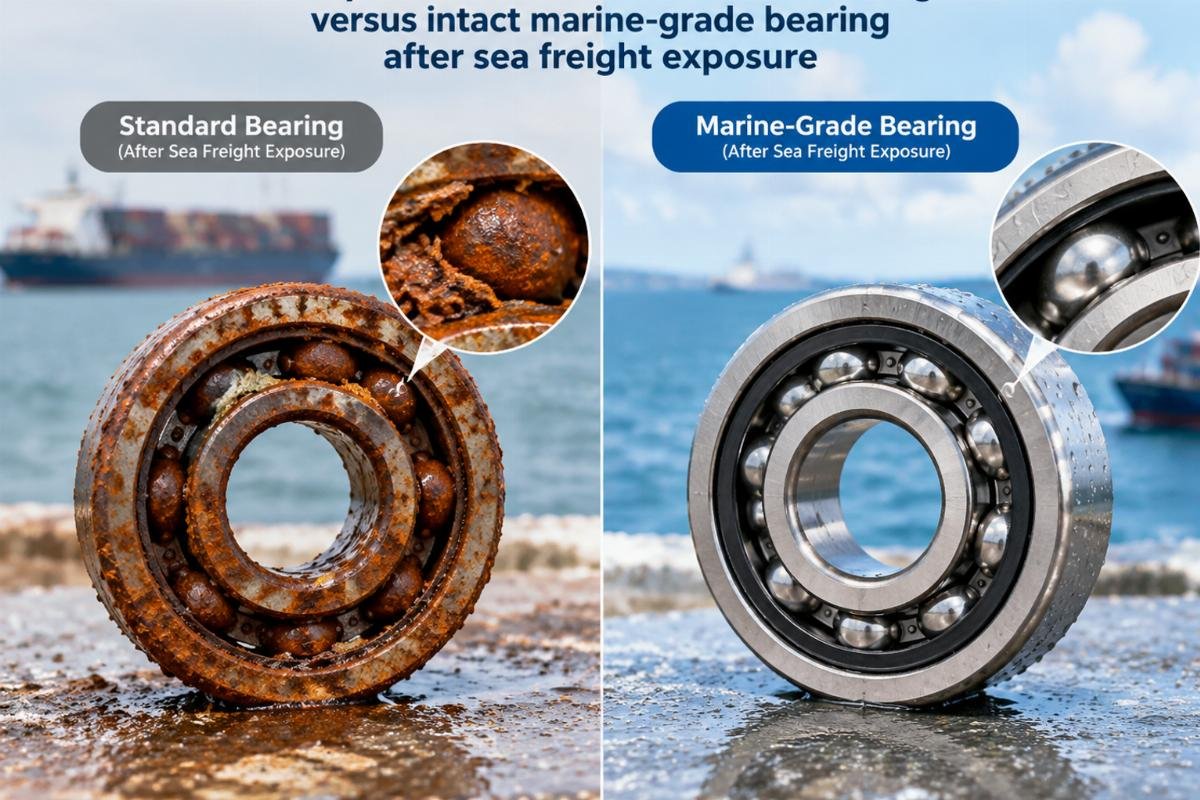
I still remember the silence on the phone line after a shipment arrived at a small port in the Aegean. The order was for a port crane maintenance project. I had specified standard deep-groove ball bearings, assuming the technical data sheet’s load ratings were sufficient. When the container was opened, the keepers were already spotted with rust. It was not seawater splash that caused it, but condensation formed during sea freight due to temperature differences. That incident cost us a mid-six-figure loss in emergency air freight and reputational damage. Now, when I review orders for buying bearings in Greece, I look past the basic dimensions. I check the sealing integrity and the packaging material first. This shift in perspective is critical for anyone managing MRO operations in coastal zones.
The Mediterranean climate presents a unique set of challenges for industrial components. High humidity combined with salt aerosols creates an aggressive corrosive environment that standard industrial bearings are not designed to withstand. Understanding this distinction is the first step in securing reliable supply chains for port equipment and island logistics.
Why Standard Bearings Fail in Greek Island Ports?
Standard industrial bearings are engineered for controlled factory environments or general machinery applications where contamination levels are low. In contrast, Greek island ports and coastal facilities operate in what international standards classify as highly corrosive atmospheres. The failure mode here is rarely fatigue from overload; it is almost always corrosion-induced seizure or premature wear.
The primary culprit is salt fog. Salt particles are hygroscopic, meaning they attract and hold moisture. When these particles settle on bearing surfaces, they create localized electrolytic cells that accelerate rust formation. This process attacks not just the outer ring but can penetrate through inadequate seals to damage the rolling elements and raceways inside. [NEED_CITE: ISO 12944 corrosion resistance categories for marine environments]
Another overlooked factor is the micro-climate within port cranes and heavy machinery. These structures often experience significant temperature fluctuations between day and night. During cooler nights, moisture in the air condenses on metal surfaces. If the bearing housing is not properly sealed or if the grease has lost its water-resistant properties, this condensation enters the bearing assembly. Over time, this leads to washout of lubricants and direct metal-to-metal contact in a corrosive medium.
I have observed that many procurement teams focus heavily on load ratings and speed limits, which are important, but secondary to environmental protection in these settings. A bearing with perfect dynamic load capacity will fail within months if its seals cannot repel salt-laden moisture. This is why specifying marine bearings for Greek ports requires a different evaluation criteria than inland industrial applications. The emphasis must shift from pure mechanical performance to environmental resilience.
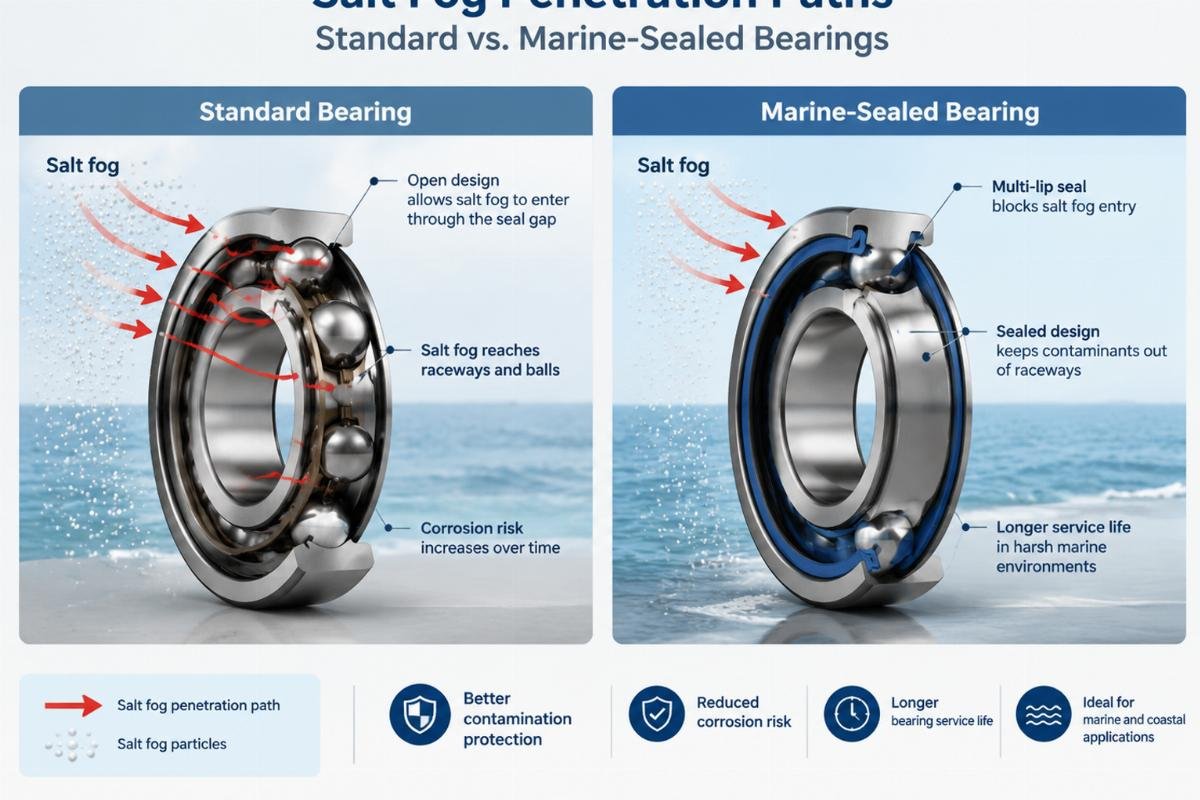
Specification Matrix: Standard vs. Marine-Grade Bearings
Selecting the right bearing for port cranes, ship loaders, and other heavy equipment in Greece requires a detailed comparison of specifications. Below is a matrix highlighting the key differences between standard industrial bearings and those suitable for marine and port logistics applications.
| Feature | Standard Industrial Bearing | Marine-Grade/Port Specification |
|---|---|---|
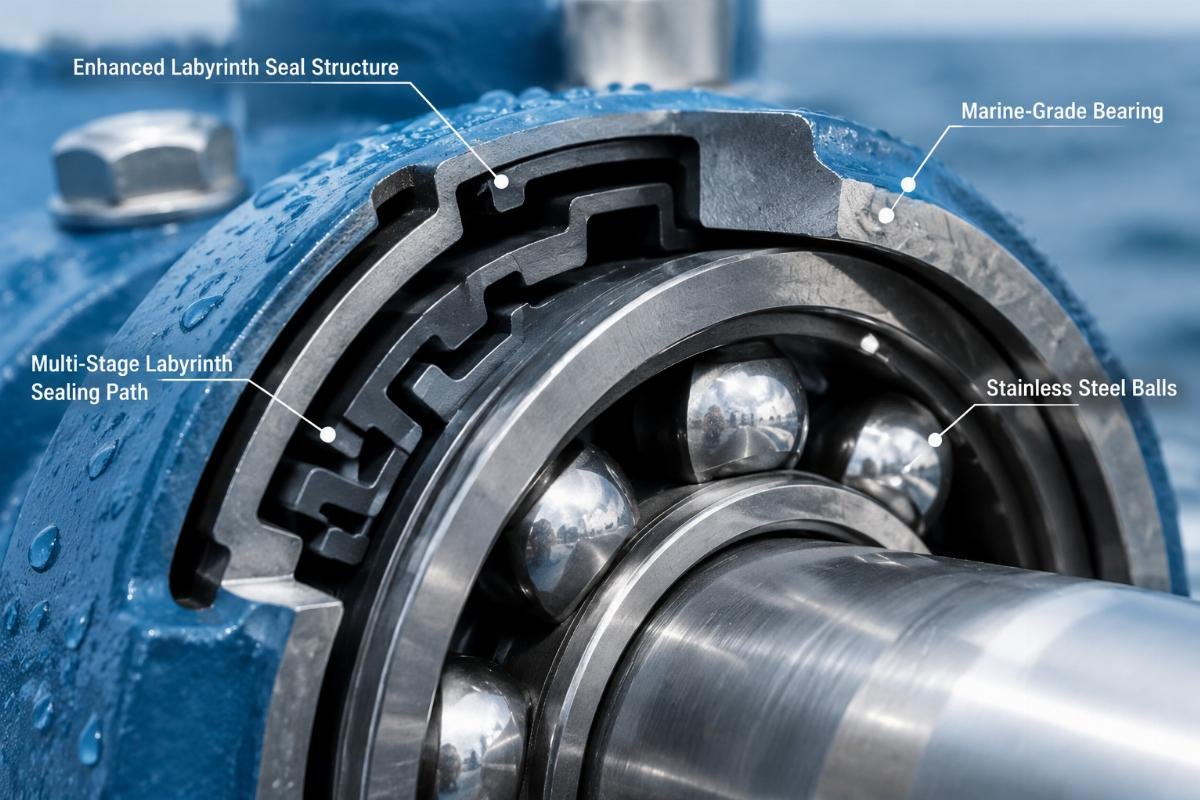
| Sealing Type | Basic rubber shields or open design | Enhanced labyrinth seals or IP65/66 rated units |
| Grease Type | General purpose lithium-based | Water-resistant, high-adhesion synthetic grease |
| Corrosion Protection | Standard phosphate coating | Zinc-rich or specialized anti-corrosion coatings |
| Material Grade | Standard chrome steel | Stainless steel variants or coated high-carbon steel |
| Packaging | Standard paper/plastic wrap | VCI (Vapor Corrosion Inhibitor) treated packaging |
[NEED_CITE: IP65/66 sealing ratings definition and application in harsh environments]
The table above illustrates that the difference lies in the protective layers rather than the fundamental geometry. For instance, standard bearings often use simple rubber shields that can degrade under UV exposure and salt attack. Marine-grade specifications demand seals that can withstand continuous exposure to wet and salty conditions without losing elasticity or sealing force.
Grease selection is equally critical. Standard lithium greases may emulsify when exposed to water, losing their lubricating film. In port applications, greases with high water washout resistance are essential to maintain a protective barrier between rolling elements. [NEED_CITE: Global bearing application guidelines for marine lubrication]
When sourcing anti-corrosion deep groove ball bearings, buyers should verify the coating technology. Some manufacturers offer zinc-flake coatings that provide sacrificial protection, similar to galvanizing. Others use stainless steel components, which offer inherent resistance but may have lower load capacities compared to hardened chrome steel. The choice depends on the specific load requirements of the equipment, such as quay cranes versus smaller harbor tugs.
Navigating Island Logistics & Sea Freight Risks
Logistics to Greek islands involves multiple handling stages and prolonged exposure to maritime conditions. A common misconception is that bearings are robust enough to withstand any shipping condition. However, sea freight introduces specific risks that can compromise bearing integrity before they even reach the site.
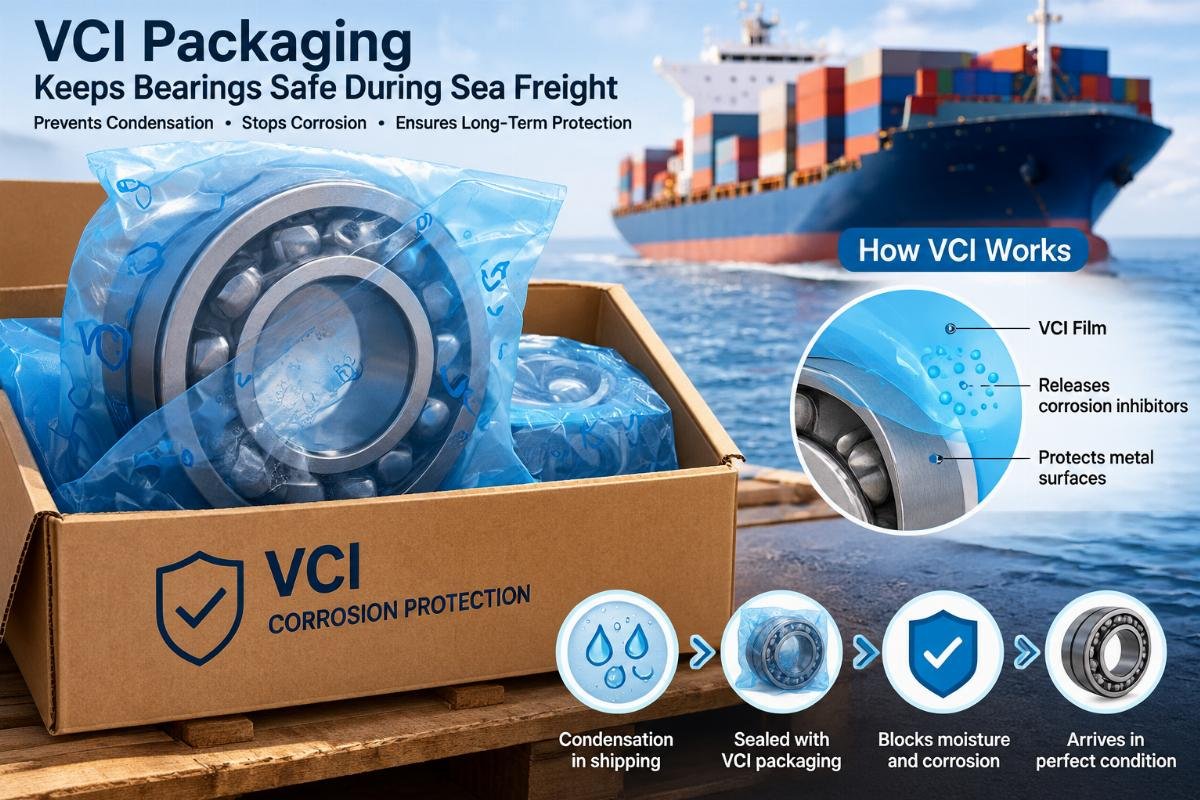
Condensation is the silent killer of bearings in transit. Containers act as greenhouses, heating up during the day and cooling down at night. This cycle causes moisture in the air inside the container to condense on cooler metal surfaces, including bearing packages. If the packaging is not designed to mitigate this, rust can form rapidly. [NEED_CITE: VCI packaging standards for maritime shipping]
To combat this, proper packaging is non-negotiable. Standard paper wrapping offers little protection against humidity. Instead, suppliers should use Vapor Corrosion Inhibitor (VCI) papers or films. These materials release volatile compounds that form a microscopic protective layer on metal surfaces, preventing oxidation even in high-humidity environments. For island logistics bearing supply, insisting on VCI-packaged units is a simple yet effective risk mitigation strategy.
Additionally, the physical handling of goods in port environments can be rough. Bearings should be packed in sturdy, moisture-resistant outer cartons with adequate internal cushioning to prevent impact damage. Palletization should ensure stability during crane loading and unloading operations typical in Greek ports.
I once reviewed a case where a batch of bearings arrived in perfect condition externally, but internal rust was found upon inspection. The root cause was traced back to standard plastic wrapping that trapped moisture against the metal surface during a humid sea voyage. Switching to breathable VCI packaging resolved the issue entirely. This highlights the importance of looking beyond the product itself to the entire supply chain process when buying bearings in Greece.
Sourcing Strategy for Port MRO & Emergency Spares
Maintenance, Repair, and Operations (MRO) in port environments often require urgent responses to equipment failures. Downtime in port operations can lead to significant financial losses, making the availability of spare parts a critical factor. However, sourcing genuine bearings quickly while maintaining quality standards can be challenging.
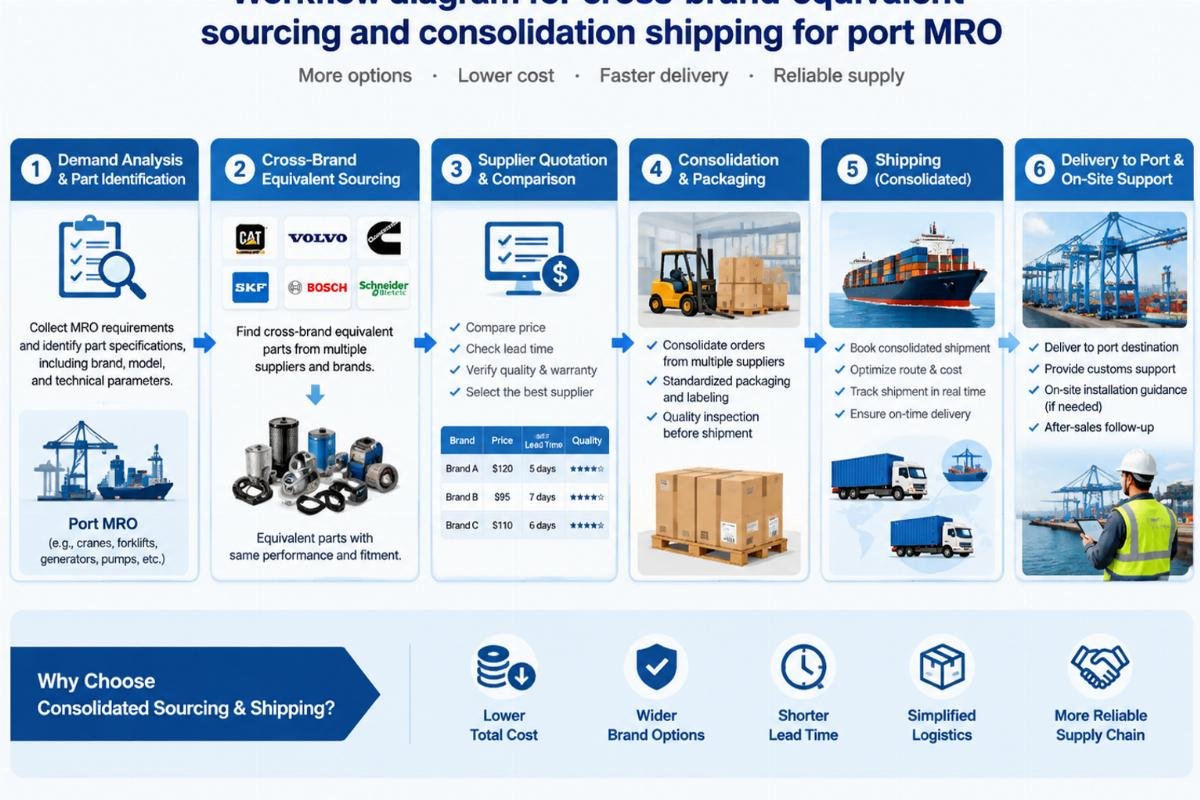
One effective strategy is to establish relationships with suppliers who offer cross-brand equivalent sourcing. In emergency situations, waiting for a specific brand’s original part may not be feasible. Knowing which alternative brands offer compatible dimensions and performance characteristics can drastically reduce lead times. [NEED_CITE: International maritime standards for interchangeable bearing components]
For example, if a specific SKF bearing is out of stock, a reputable supplier can identify an equivalent FAG or NSK model that meets the same ISO dimensions and load ratings. This flexibility requires deep technical knowledge and access to a broad inventory. Suppliers who specialize in buying bearings in Greece for port projects often maintain mixed-brand inventories to cater to such urgent needs.
Another consideration is the minimum order quantity (MOQ). Large distributors may require bulk purchases, which is impractical for emergency spares. Working with suppliers who offer flexible MOQs allows port operators to purchase single units or small batches as needed. This approach reduces inventory holding costs while ensuring critical spares are available.
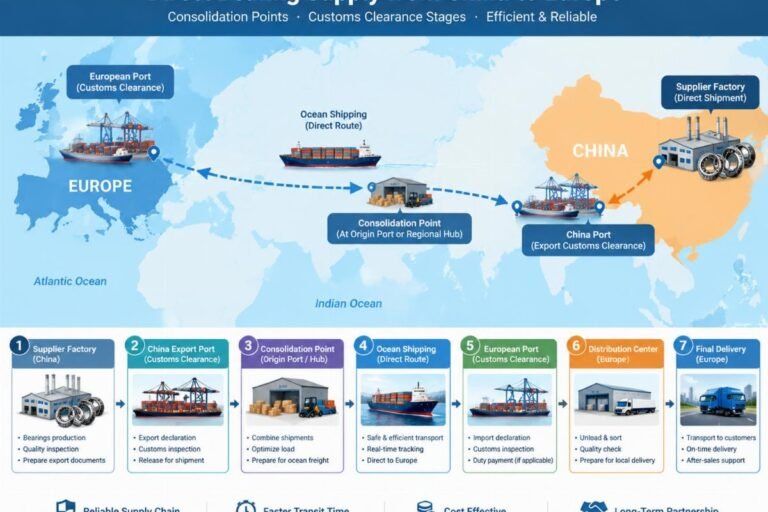
Consolidation shipping is also beneficial for Greek buyers. By combining orders for various bearing types and brands into a single shipment, buyers can optimize logistics costs and simplify customs clearance. This is particularly useful for island destinations where freight frequency may be lower. A supplier with global consolidation capabilities can streamline this process, ensuring timely delivery to remote port locations.
Conclusion
Success in Greek port logistics depends on treating bearings as environmental components, not just mechanical ones.
Prioritizing anti-corrosion specs, VCI packaging, and flexible sourcing strategies ensures reliability in high-salinity Mediterranean environments. By focusing on these critical factors, operators can minimize downtime and extend the service life of their heavy equipment.
Tagged

Written by
author
Editor covering global sourcing, supplier verification, and industrial product knowledge. Content is compiled from manufacturer specifications, industry standards, and hands-on experience with international B2B buyers. Every article is fact-checked before publishing to help procurement professionals make informed decisions.