Pharma & Food Plant Bearings Ireland: Genuine SKF FAG NSK Wholesale Supplier
Sourcing genuine Bearings in Ireland for Pharma and Food Plants requires full traceability to prevent FDA fines and line shutdowns. Learn to verify authentic SKF, FAG, and NSK parts through strict document checks and select food-grade seals that resist washdown contamination.

Pharma & Food Plant Bearings Ireland: Genuine SKF FAG NSK Wholesale Supplier
Low price saves money; true cost is FDA fines and line shutdowns.
Sourcing bearings for Irish pharma and food plants demands genuine parts with full traceability to prevent contamination and FDA compliance failures. The core requirement is not just mechanical fit, but documented authenticity from brands like SKF, FAG, and NSK, ensuring every component meets strict hygiene standards. Without verifiable batch records and material certifications, even a minor seal failure can lead to catastrophic product recalls and regulatory penalties.
I still remember the cold sweat during a routine audit at a European food processing plant. A batch of seemingly standard deep-groove ball bearings had been installed to cut costs. Within weeks, the lubricant began to bleed, contaminating the production line. The issue was not the bearing design, but the lack of food-grade certification and the use of counterfeit seals that degraded under washdown conditions. That incident highlighted a harsh reality: in regulated industries, the paper trail is as vital as the steel itself. [NEED_CITE: FDA 21 CFR requirements for indirect food additives]
Why standard bearings fail in food plants?
Standard industrial bearings often lack the specific sealing and lubrication properties required for hygienic environments.
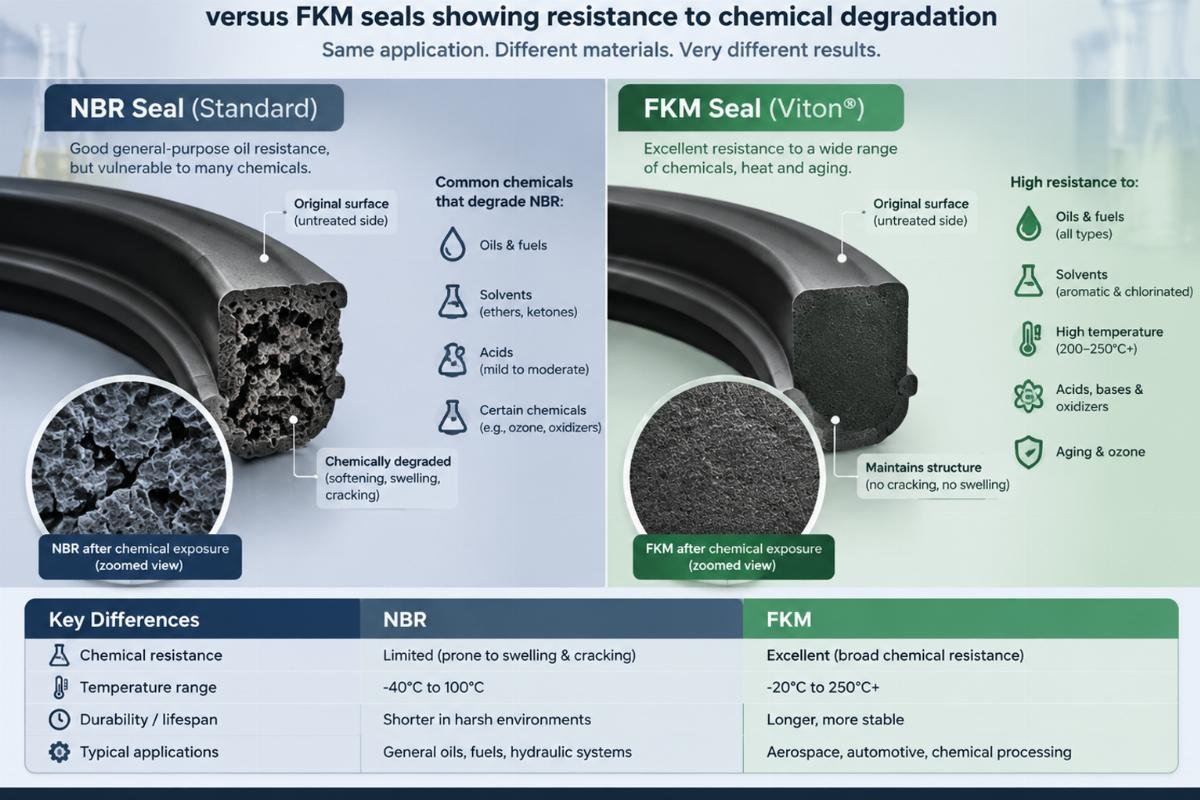
In food and pharmaceutical manufacturing, equipment undergoes frequent high-pressure washdowns with aggressive cleaning agents. Standard bearings, designed for general industrial use, typically feature NBR (Nitrile Butadiene Rubber) seals and mineral-based greases. These materials are vulnerable to chemical attack and thermal cycling common in sanitation processes. When seals degrade, they allow external contaminants like water and bacteria to enter, while internal grease leaks out, posing a direct risk to product safety. [NEED_CITE: EHEDG guidelines on hygienic design of equipment]
The failure mode is rarely immediate catastrophic seizure. Instead, it manifests as gradual lubricant leakage. This “grease bleed” creates a reservoir for microbial growth on machine surfaces. For an Irish procurement manager, the visible cost is the cleanup; the hidden cost is the potential violation of FDA or EU hygiene regulations. Genuine bearings designed for these sectors use FKM (Fluoroelastomer) or PTFE seals that resist steam and chemicals, paired with NSF H1 registered lubricants that are safe for incidental food contact.
| Feature | Standard Industrial Bearing | Food & Pharma Grade Bearing |
|---|---|---|
| Seal Material | NBR (Vulnerable to steam/chemicals) | FKM/PTFE (Resistant to washdown) |
| Lubricant | Mineral oil based (Not food safe) | NSF H1 Registered (Incidental contact safe) |
| Surface Finish | Standard machined | Polished/Corrosion resistant coating |
| Traceability | Basic batch number | Full material certification (EN 10204 3.1) |
| Compliance Risk | High in regulated zones | Compliant with FDA/EU standards |
Selecting the right components requires moving beyond basic dimensional specs. It involves verifying that the bearing assembly, including the cage and rolling elements, is made from stainless steel or coated carbon steel to prevent rust particles from entering the product stream. This is where sourcing genuine SKF, FAG, or NSK products becomes critical, as their specialized lines are engineered specifically for these harsh conditions.
How to verify genuine SKF/FAG/NSK bearings?
Traceability documents and batch checking are the only reliable methods to confirm authenticity.
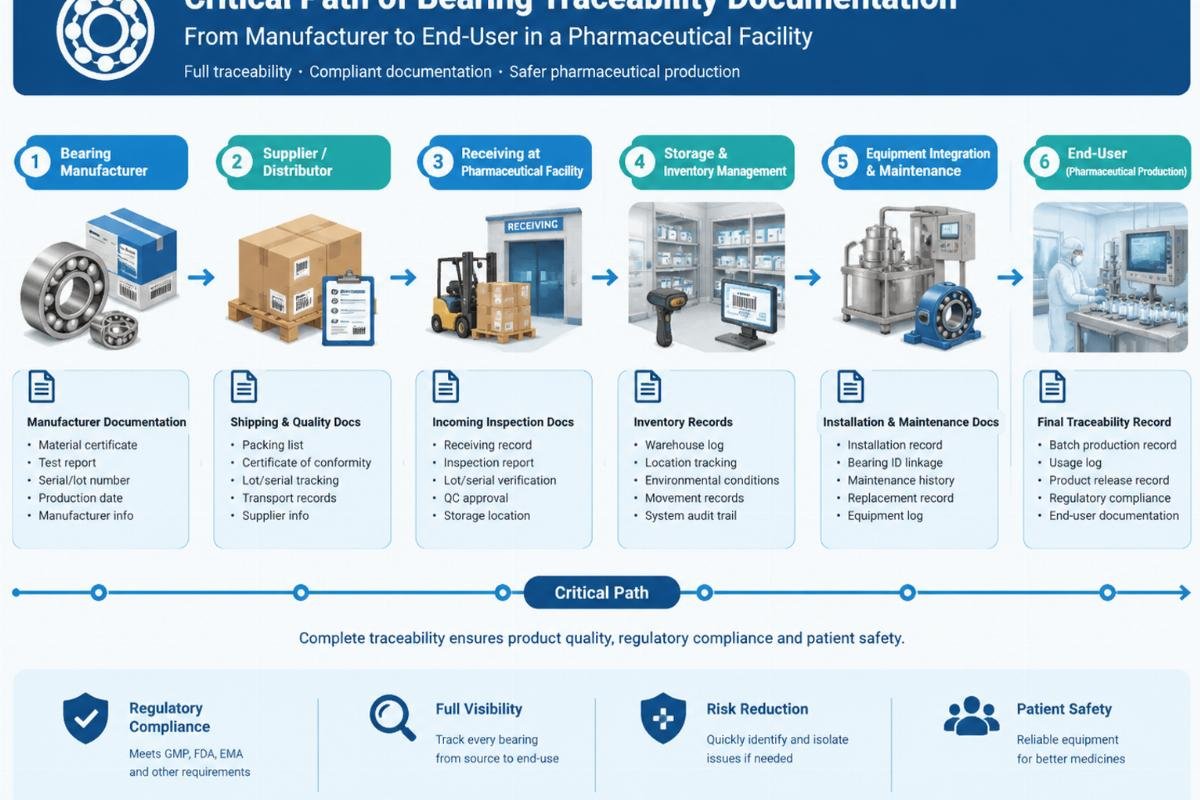
Counterfeit bearings are a pervasive issue in the global supply chain. They often look identical to genuine parts but use inferior steel and poor-quality seals. For Irish buyers, the risk is amplified by the distance from major manufacturing hubs. Verifying authenticity requires a rigorous document check. Every genuine bearing should come with a certificate of conformity that links the physical part to its production batch. [NEED_CITE: ISO 9001 quality management requirements for traceability]
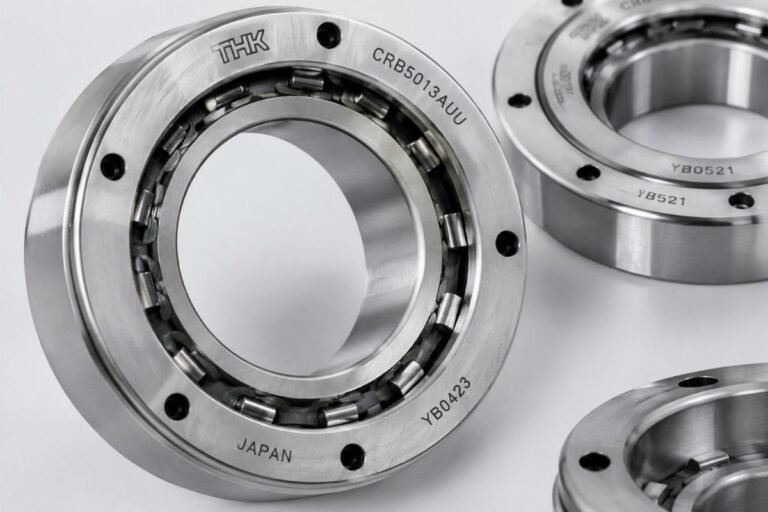
A robust verification process starts with the packaging. Genuine SKF, FAG, and NSK bearings feature specific holographic labels and QR codes that can be scanned to verify the product origin. However, packaging can be faked. The definitive proof lies in the material certificates. For critical applications, request an EN 10204 3.1 certificate, which provides independent verification of the material’s chemical composition and mechanical properties. This document must match the batch number stamped on the bearing ring.
| Verification Step | Action Required | Expected Outcome |
|---|---|---|
| Visual Inspection | Check holographic labels and print quality | Clear, sharp printing; valid hologram |
| Digital Check | Scan QR code on packaging | Redirects to official brand verification portal |
| Document Review | Request EN 10204 3.1 certificate | Certificate matches batch number on part |
| Physical Check | Verify surface finish and marking font | Consistent font style; smooth, polished surfaces |
| Supplier Audit | Review supplier’s authorization status | Valid distributor agreement with brand owner |
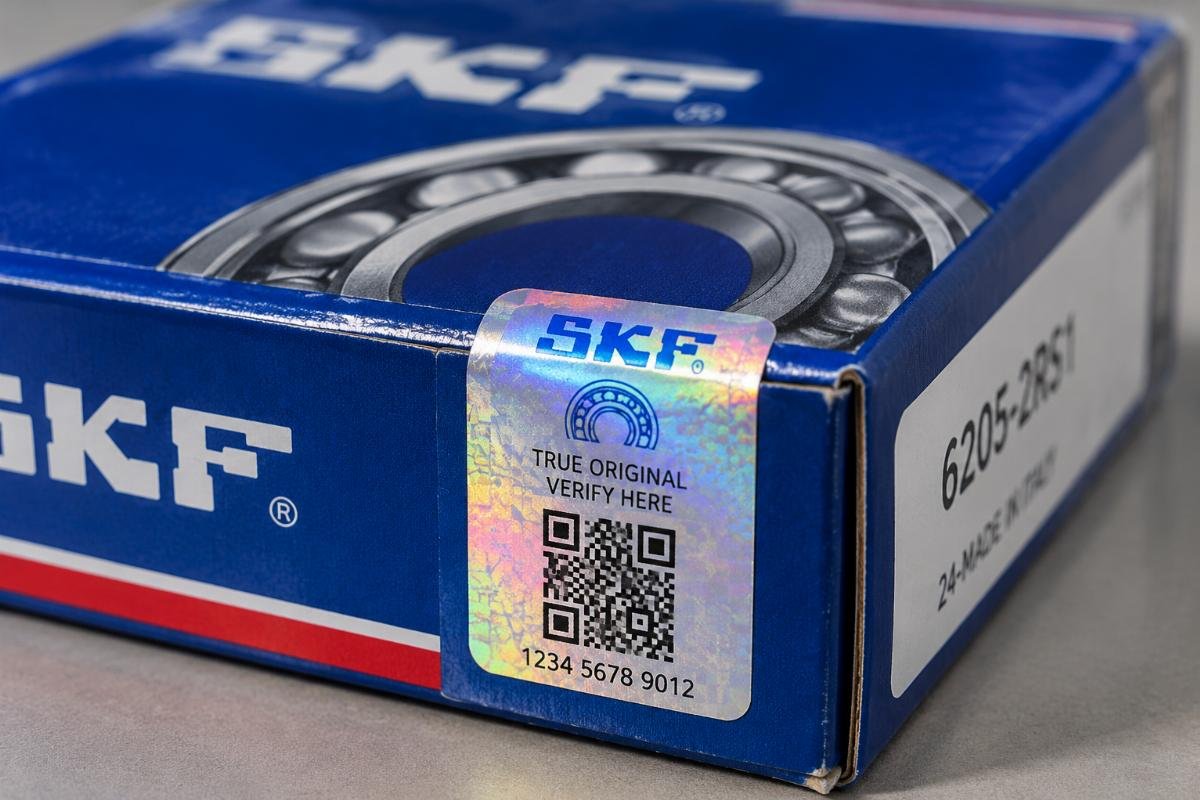
In my experience, suppliers who hesitate to provide full traceability documentation are often dealing in gray market or refurbished goods. A reputable supplier will have these documents ready before shipment. For Irish pharma plants, this paperwork is not just administrative; it is a legal shield during regulatory audits. Ensuring that your genuine SKF bearings Ireland source provides this level of transparency is non-negotiable.
Which seal and grease suit pharma lines?
Food-grade lubricants and specific clearance are essential to prevent grease bleed and contamination.
The choice of seal and grease is dictated by the operating environment. In pharmaceutical lines, where sterility is paramount, the bearing must withstand frequent sterilization cycles using steam or chemical agents. Standard greases can break down under these conditions, leading to leakage. Therefore, NSF H1 registered lubricants are mandatory. These lubricants are formulated to be non-toxic and odorless, ensuring that any incidental contact with the product does not compromise safety. [NEED_CITE: NSF International standards for H1 lubricants]
Seal material selection is equally critical. While NBR is cost-effective, it swells and degrades when exposed to steam and caustic cleaners. FKM seals offer superior chemical resistance and can withstand higher temperatures, making them ideal for washdown areas. For extreme conditions, PTFE seals provide the highest level of protection, though at a higher cost. The correct combination of seal and grease ensures that the bearing remains sealed and lubricated throughout its service life, preventing the ingress of contaminants and the egress of lubricant.
| Application Zone | Recommended Seal | Recommended Grease | Key Benefit |
|---|---|---|---|
| General Processing | NBR | Standard Lithium Complex | Cost-effective for dry areas |
| Washdown Areas | FKM | NSF H1 Synthetic | Resists steam and chemicals |
| Sterilization Zones | PTFE | NSF H1 High-Temp | Withstands high heat and pressure |
| Cold Storage | Special Low-Temp NBR | NSF H1 Low-Temp | Remains flexible in freezing temps |
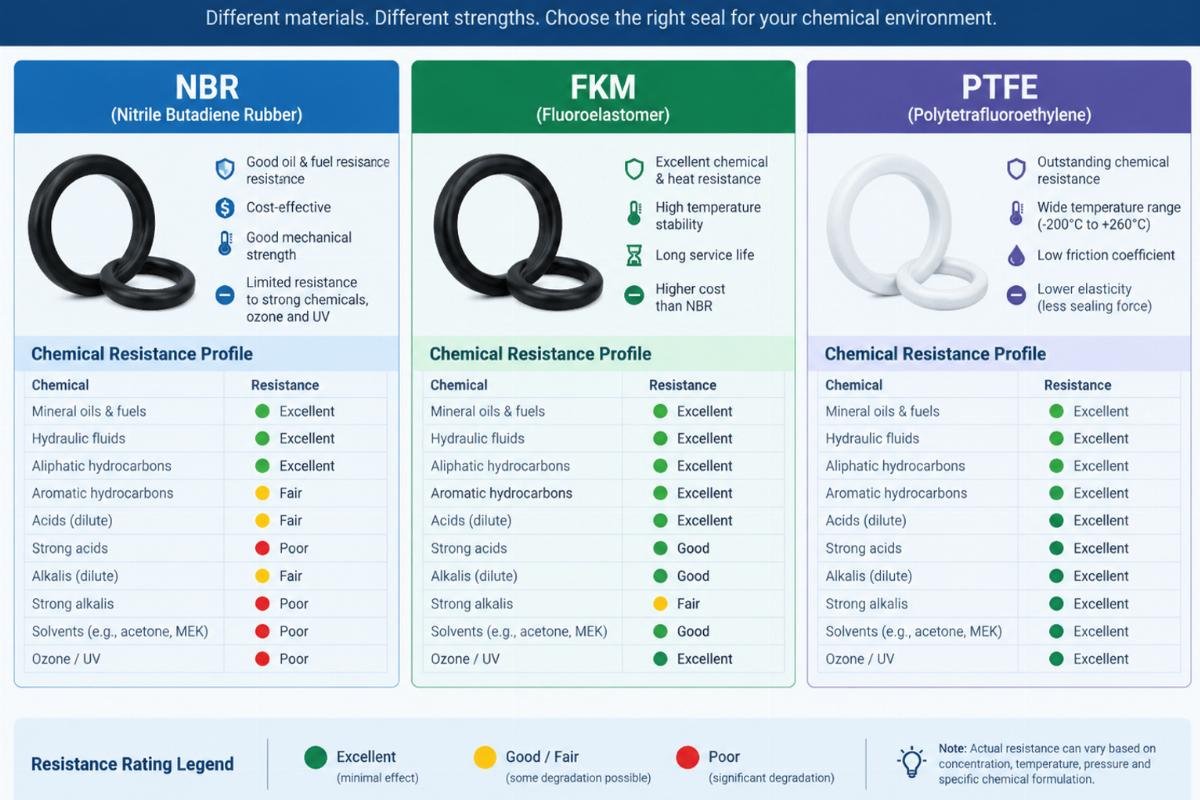
When sourcing food grade bearing suppliers, it is important to specify the exact environmental conditions. A one-size-fits-all approach often leads to premature failure. By selecting the appropriate seal and grease combination, facilities can extend bearing life and maintain compliance with hygiene standards. This precision in specification is what separates a reliable operation from one prone to costly downtime.
How to streamline mixed-brand sourcing?
One-stop consolidation reduces lead times and simplifies inventory management for urgent MRO.
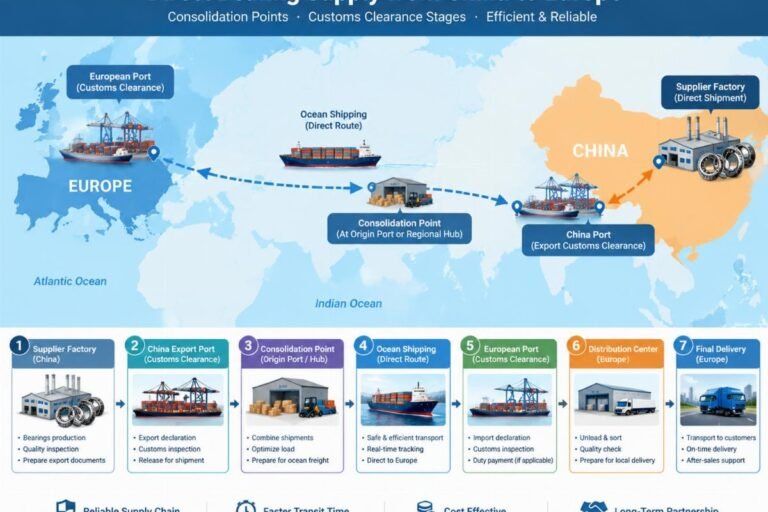
Managing multiple suppliers for different bearing brands creates logistical complexity and increases the risk of delays. For Irish maintenance teams, waiting for separate shipments from various distributors can mean extended downtime. Consolidating orders for SKF, FAG, NSK, and other premium brands through a single supplier simplifies procurement. This approach allows for bulk shipping, reducing freight costs and customs clearance time. [NEED_CITE: Supply chain efficiency metrics for consolidated shipping]
A professional supplier with a broad inventory can offer cross-brand equivalent consultation. If a specific FAG model is out of stock, they can recommend a technically equivalent SKF or NSK alternative, ensuring that production continues without compromise. This flexibility is crucial for MRO scenarios where time is of the essence. Furthermore, a single point of contact simplifies the tracking of traceability documents, ensuring that all parts, regardless of brand, meet the required compliance standards.
| Sourcing Model | Lead Time | Documentation Complexity | Inventory Risk |
|---|---|---|---|
| Multi-Supplier | High (Multiple shipments) | High (Separate certs per supplier) | High (Stockouts common) |
| Consolidated Supplier | Low (Single shipment) | Low (Unified documentation) | Low (Broad spot inventory) |
| Direct from Brand | Variable (Often long) | Medium (Brand-specific portals) | Medium (Limited SKU range) |
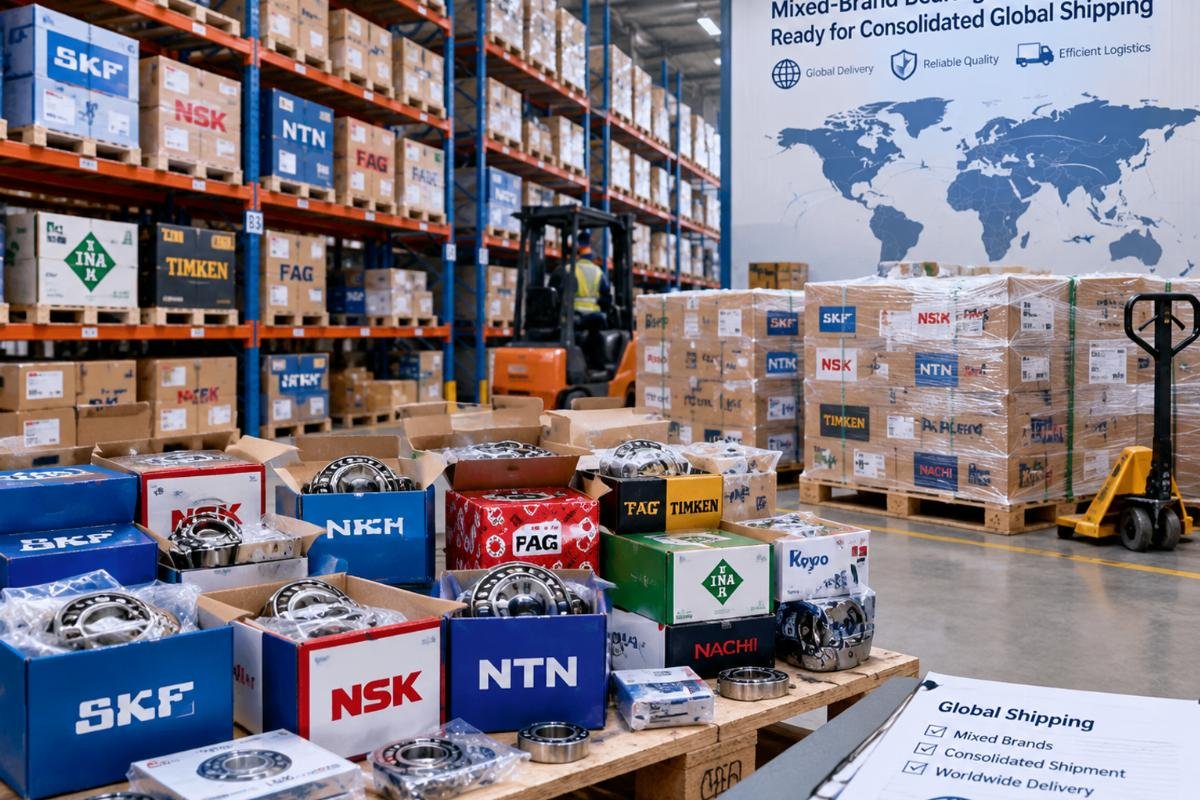
By leveraging a supplier with a massive spot inventory and global shipping capabilities, Irish buyers can secure pharma bearing traceability and rapid delivery simultaneously. This strategy not only reduces administrative burden but also ensures that critical spare parts are always available, minimizing the risk of unplanned shutdowns. The ability to source FDA compliant bearings from a single, reliable partner transforms procurement from a reactive chore into a strategic advantage.
Conclusion
Authenticity and traceability are the foundations of safe and efficient pharma and food production.
Sourcing bearings for these regulated industries requires a shift in mindset from cost minimization to risk mitigation. Genuine components with full documentation protect against contamination and regulatory penalties. By choosing verified genuine SKF bearings Ireland partners and consolidating supplies, facilities can ensure operational continuity and compliance. The true value of a bearing lies not just in its steel, but in the certainty it provides.
Tagged

Written by
author
Editor covering global sourcing, supplier verification, and industrial product knowledge. Content is compiled from manufacturer specifications, industry standards, and hands-on experience with international B2B buyers. Every article is fact-checked before publishing to help procurement professionals make informed decisions.