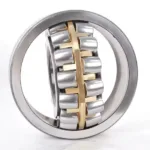
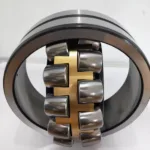
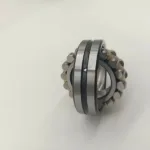
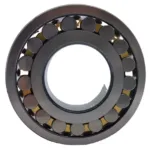
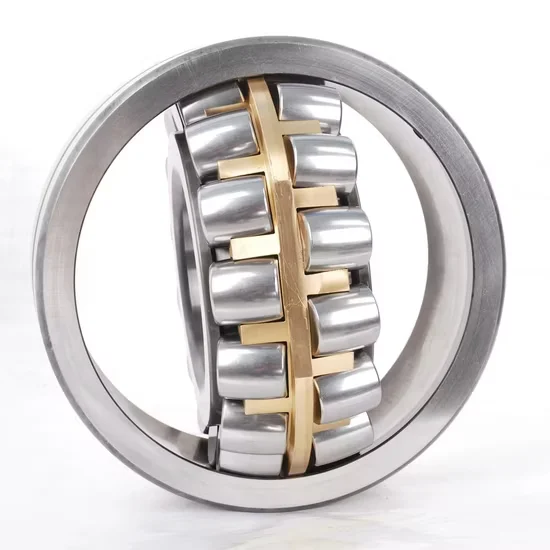
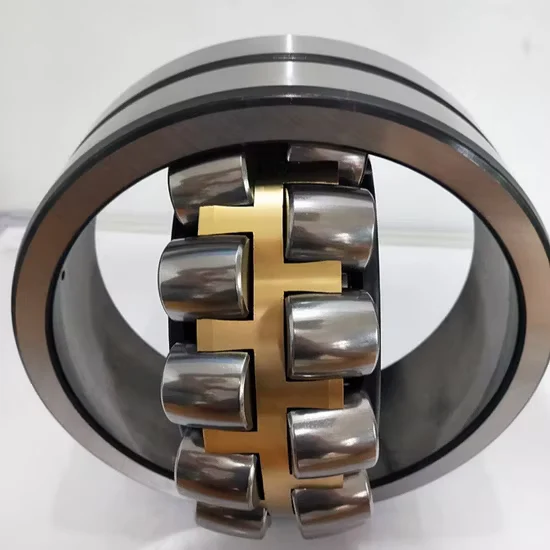
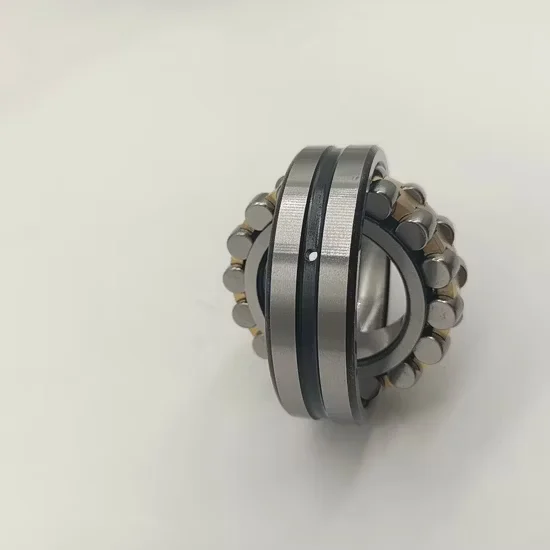
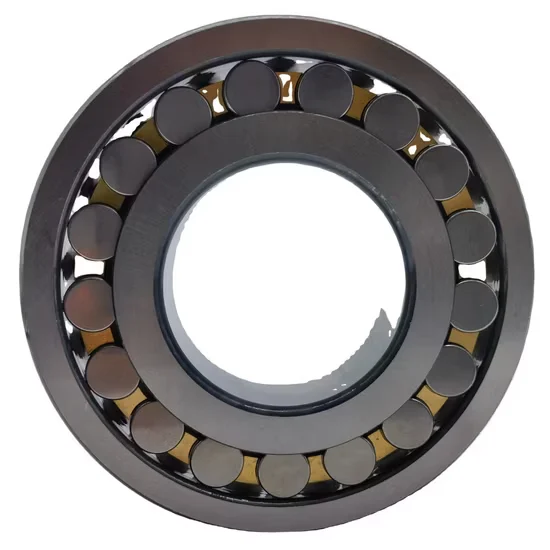
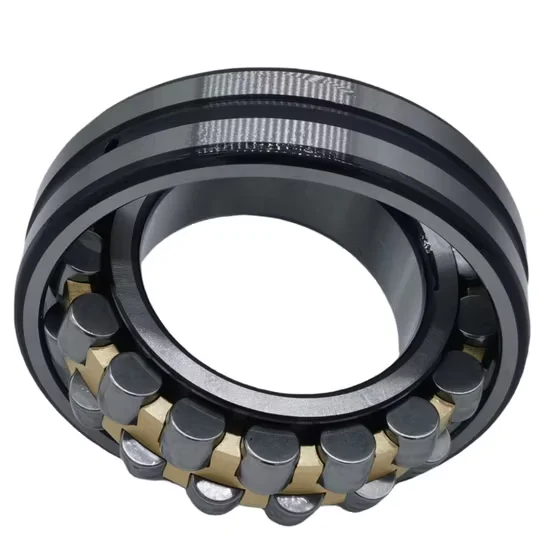
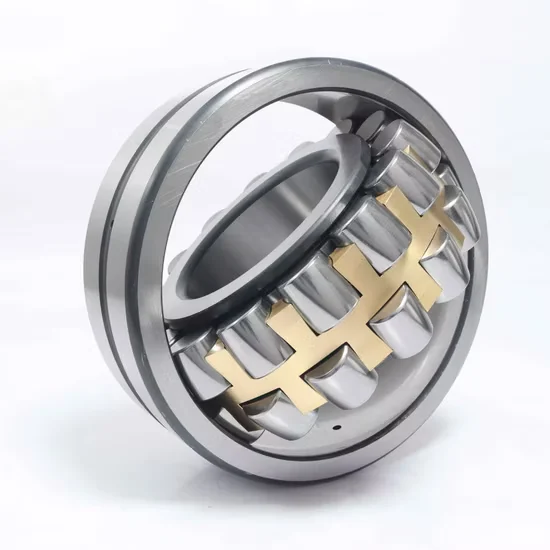
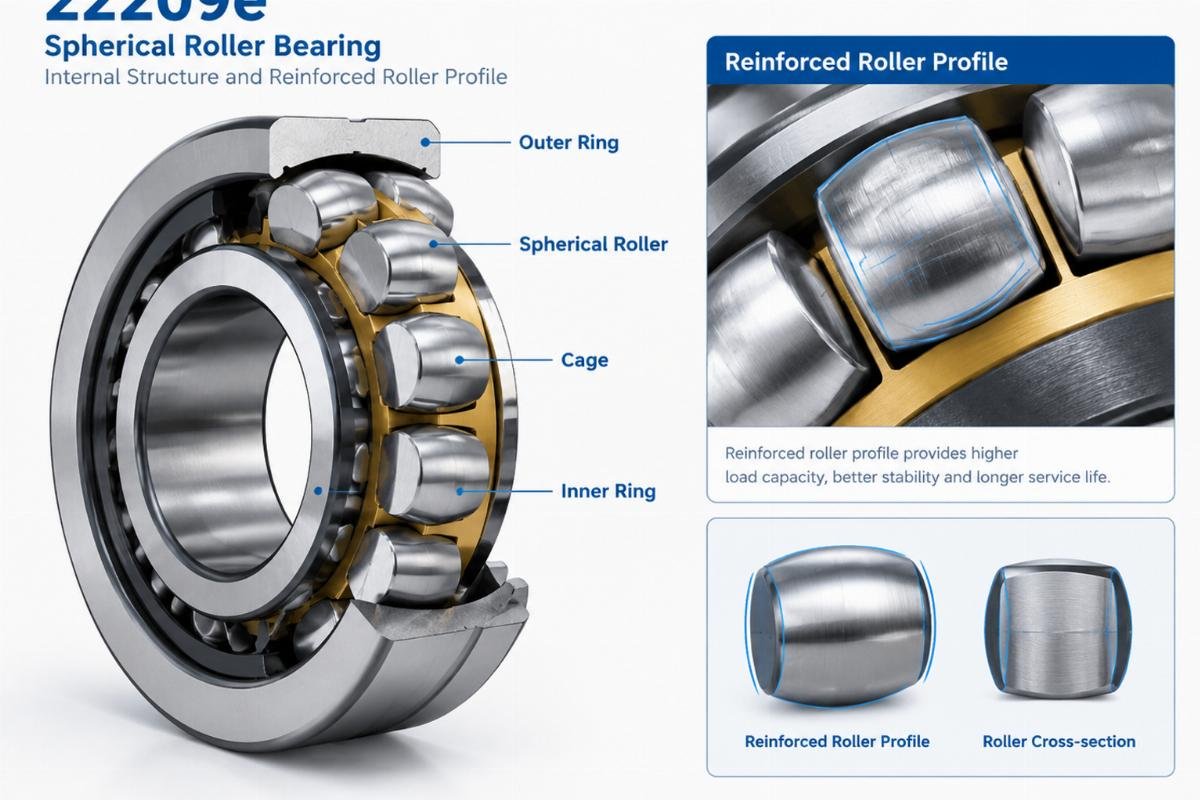
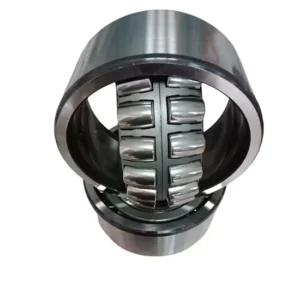
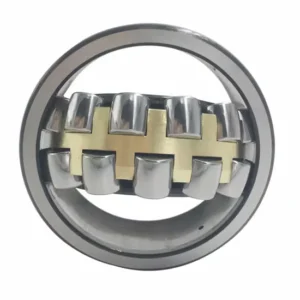
22209e Spherical Roller Bearing features a reinforced internal design and double-row structure crafted from Gcr15 chrome steel, delivering high radial load capacity and self-aligning performance.
Ideal for mining and metallurgy machinery, it automatically compensates for shaft deflection under harsh operating conditions.
We guarantee strict cross-reference alignment of internal clearance, cage material, and precision class for reliable equipment integration.
Official App Verification — Scan the packaging QR code to instantly authenticate the metallurgical batch of your 22209e spherical roller bearing.
Technical Specifications
Parameter
Value
Designation
22209e
Product Type
Spherical Roller Bearing
Number of Rows
Double-Row
Material
Chrome Steel Gcr15
Structure
Self-Aligning Roller
Internal Design
Reinforced (e suffix)
Origin
Shandong, China
Application Suitability
Industry
Typical Applications
Mining
Vibrating screens and heavy-duty crushers
Metallurgy
Steel mill continuous casting equipment
Agriculture
Heavy agricultural machinery drive shafts
Paper Manufacturing
Paper machine dryer section rollers
Why the 22209e spherical roller bearing Seizes in Continuous Casters
Thermal expansion traps the rollers when standard internal clearance meets extreme operational heat.
During my early failure analysis days in Qingdao, I investigated a steel mill continuous caster where standard clearance bearings locked up completely. The intense ambient heat caused the inner ring to expand, eliminating the operational gap and leading to catastrophic seizure. [NEED_CITE: thermal expansion effects on bearing internal clearance] This taught me that matching the correct clearance class to the thermal environment is non-negotiable for heavy machinery.
Matching the Reinforced Profile to Heavy Radial Loads
The 22209e spherical roller bearing utilizes a reinforced internal geometry specifically engineered to distribute massive radial forces across the double-row contact area. When sourcing for vibrating screens or crushers, our technical team cross-references your load profiles to ensure this optimized roller-to-raceway contact prevents edge stressing. This targeted matching significantly extends service intervals in high-impact environments.
Managing Misalignment and Contamination in Harsh Environments
Heavy mining equipment frequently suffers from shaft deflection, demanding a self-aligning structure that automatically compensates for housing angular errors without inducing edge loads. In metallurgy, elevated temperatures drastically alter lubrication viscosity, requiring high-temperature grease formulations and precise re-lubrication cycles to prevent metal-to-metal contact. Furthermore, the open design necessitates effective external sealing housings to block abrasive dust ingress, which rapidly accelerates raceway wear. [NEED_CITE: impact of particulate contamination on bearing fatigue life] Proper installation alignment remains critical to fully utilize the self-aligning capability without pre-loading the bearing internally.
Decoding the Reinforced Internal Geometry and Material Selection
The “e” suffix denotes a reinforced internal design, optimizing the roller and raceway contact profile to substantially increase the dynamic load rating and operational stability under heavy loads. While the standard configuration utilizes Chrome Steel Gcr15 for high contact fatigue strength, alternative material options such as specialized heat-treated alloys are available for extreme thermal environments. The double-row configuration inherently boosts radial load capacity, but selecting the appropriate internal clearance—such as C3 or C4 instead of standard CN—is vital when thermal gradients cause differential expansion between the shaft and housing. Precision in the cage design ensures smooth roller guidance during high-vibration cycles. Understanding these geometric and metallurgical nuances prevents premature spalling and ensures the bearing survives the brutal forces inside a crusher or vibrating screen.
The Downtime Penalty of Ignoring Clearance and Geometry
Specifying a standard clearance bearing for a high-temperature application inevitably leads to thermal seizure, resulting in unplanned downtime and catastrophic damage to adjacent shaft components. Similarly, ignoring the reinforced geometry requirements for high-vibration screens accelerates fatigue spalling, triggering frequent replacement cycles. According to failure mode classifications, improper internal clearance and inadequate load capacity are primary drivers of early operational collapse. [NEED_CITE: rolling bearing failure mode classification per ISO 15243] These hidden costs far outweigh the initial procurement savings of an incorrectly specified component.
Securing Traceability and Technical Accuracy for Your Fleet
We provide complete original batch traceability documentation, ensuring every unit can be verified back to the manufacturer’s production facilities. Our flexible sourcing accommodates everything from single-unit emergency MRO orders to full-container project consolidations, maintaining competitive costs against direct official channels. For the 22209e, our engineering team specifically verifies the internal clearance and cage material against your operational data to prevent the costly mismatch errors I frequently saw in the field. We also offer cross-brand equivalent model consultation, ensuring exact alignment of basic dimensions and internal geometry when substituting alternative premium brands. Massive spot inventory covering thousands of standard part numbers guarantees rapid dispatch to keep your critical machinery running.
Documentation & Authenticity
Original batch traceability certificates linking the specific heat number to the Gcr15 material spectrometry analysis.
Dimensional and running accuracy inspection reports confirming the reinforced internal geometry tolerances before dispatch.
Certificate of Conformity validating the manufacturing origin and compliance with international quality standards.
Official manufacturer app QR codes on packaging for instant digital authentication of the units.
Storage, Handling & Mounting
Store the double-row units in their original unopened packaging to protect the Gcr15 chrome steel surfaces from ambient humidity.
Use induction heating for the inner ring mounting, strictly monitoring the temperature to preserve the material’s structural integrity.
Keep the reinforced rollers clean during installation; abrasive dust ingress during mounting will instantly compromise the optimized raceway contact profile.
Verify shaft tolerances before pressing, as excessive interference fit will eliminate the necessary internal clearance required for thermal expansion.
Engineering Data Required for Precise Selection
To ensure the optimal configuration for your machinery, please share your specific radial and axial load profiles, operational speeds, and ambient temperature ranges. Providing the OEM equipment model numbers allows our technical team to perform accurate cross-reference verifications and L10 life calculations. Detailing the installation space constraints and environmental exposure helps us finalize the correct internal clearance and sealing recommendations for your application.
Frequently Asked Questions
Q: What specific design optimization does the “e” suffix represent in this model?
A: The “e” suffix indicates a reinforced internal design, which optimizes the roller and raceway contact profile. This geometric enhancement significantly increases the dynamic load rating and improves operational stability, making it highly suitable for heavy-duty applications like vibrating screens and crushers where massive radial forces are constant.
Q: How do I select the appropriate internal clearance for high-temperature environments?
A: In high-heat environments like metallurgy, the inner ring expands more than the outer ring, reducing internal clearance. Selecting a C3 or C4 clearance class instead of standard CN compensates for this thermal expansion, preventing the rollers from binding and seizing during continuous operation at elevated temperatures.
Q: What are the common failure modes in mining vibrating screen applications?
A: Vibrating screens subject bearings to high centrifugal forces and severe misalignment. Common failure modes include cage fracture, roller edge stressing, and premature fatigue spalling. Utilizing a reinforced internal design and ensuring precise shaft alignment during installation are critical steps to mitigate these specific high-vibration failure mechanisms.
Q: How does cage material impact performance in heavy machinery?
A: Cage material dictates the speed limits, vibration resistance, and lubrication requirements. Brass cages offer superior durability and vibration damping for heavy, low-speed loads, while pressed steel cages are lighter and suitable for higher speeds. Selecting the correct cage ensures stable roller guidance under the specific dynamic forces of your equipment.
Shipping Information
EU Warehouse
3-7 working days (bonded stock)
Direct from China
Shanghai & Ningbo hubs (bulk / FCL)
Markets Served
DE · IT · PL · ES · NL · FR · EU+
Incoterms
DDP / DAP available on request
Minimum Order
Contact us for MOQ details
Documents Included with Every Shipment
EN and ISO Quality Certificates
Batch traceability and manufacturing standard
Material & Heat-Treatment Reports
Full material composition and process records
CE Declaration of Conformity
For bearing units and motion products
RoHS Compliance Declaration
Restriction of hazardous substances
EUR.1 Movement Certificate
Preferential origin for EU customs
Certificate of Origin
Country of manufacture documentation
Correct HS Codes
Pre-classified for smooth customs clearance
Commercial Invoice & Packing List
VAT-compliant intra-EU invoicing
Transparent Landed Cost with Tax Explanation
SKFEU provides full price transparency so EU buyers know exactly what they pay. No hidden duties, no surprise charges at customs.
VAT-Compliant Invoicing
All intra-EU transactions are invoiced with correct VAT treatment. B2B buyers with valid EU VAT numbers receive zero-rated invoices where applicable.
No Unexpected Import Duties
Goods shipped from our EU bonded warehouse arrive as intra-EU movements -- no import duties, no customs delays for EU-based buyers.
EUR.1 & Origin Docs Ready
For shipments direct from China, EUR.1 movement certificates and certificates of origin are prepared in advance to minimise customs clearance time.
DDP Pricing Available
Ask for Delivered Duty Paid quotations -- we absorb all import costs so your landed cost is fixed and predictable from day one.
Need a landed cost breakdown? Contact Sofia at
sofia@skfeu.com
or via WhatsApp for a full DDP quotation including freight, duties and VAT for your country.
Send Inquiry
Request Pricing & Availability
Share your requirements and Sofia will respond within one working day with pricing, lead time and full documentation details.