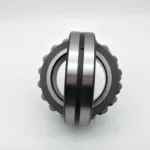
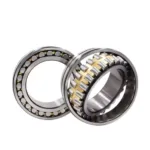
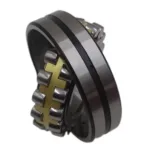
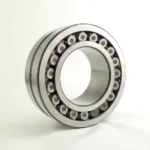
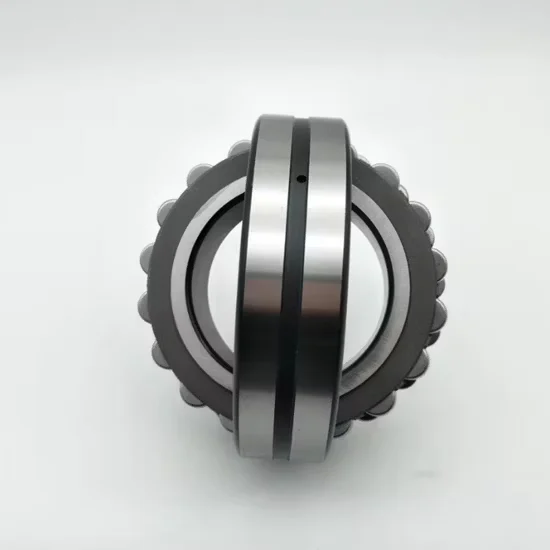
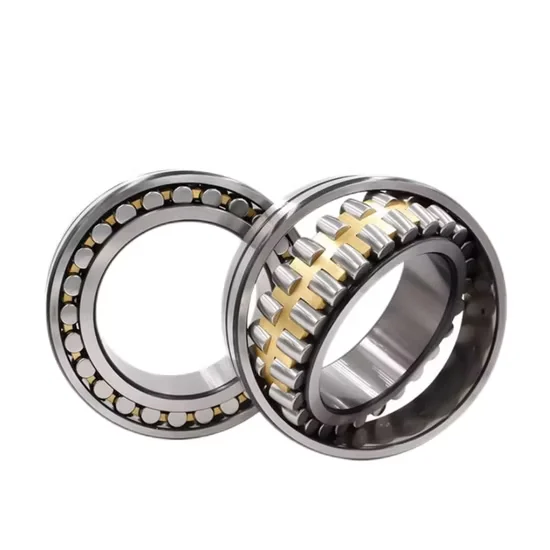
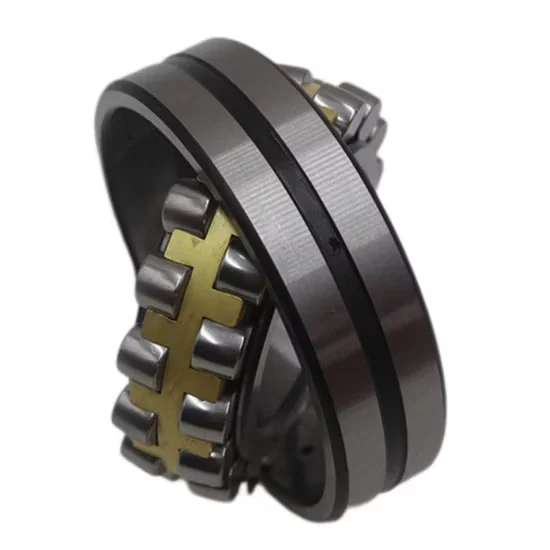
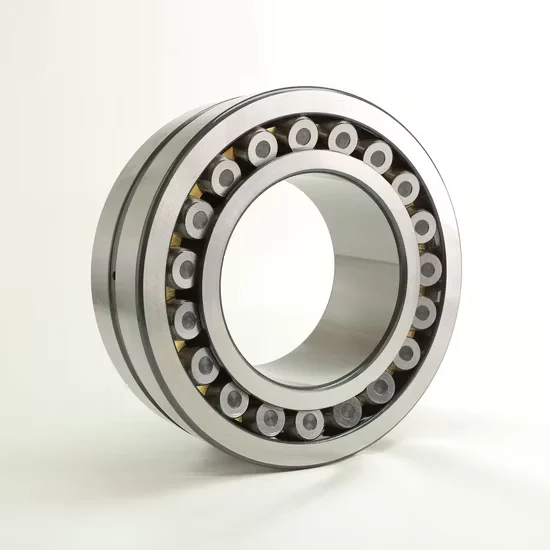
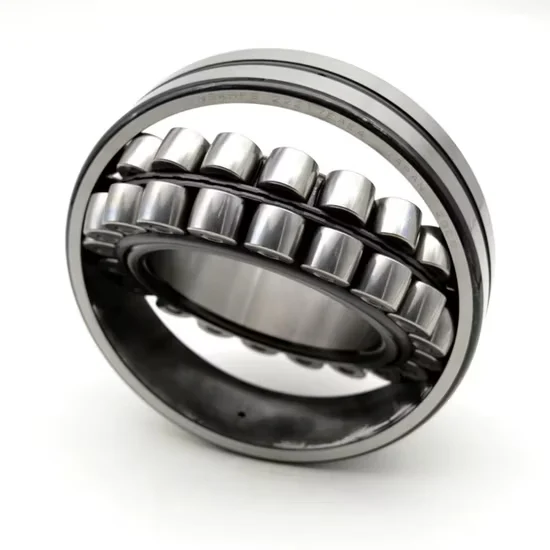
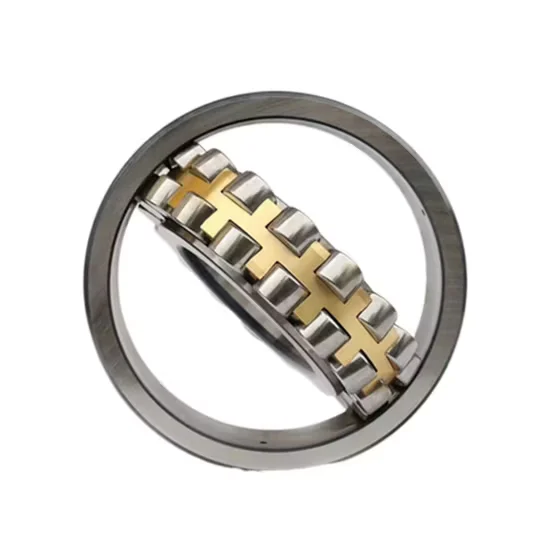
24040 Self-Aligning Roller Bearing for Industrial Heavy-Duty Applications
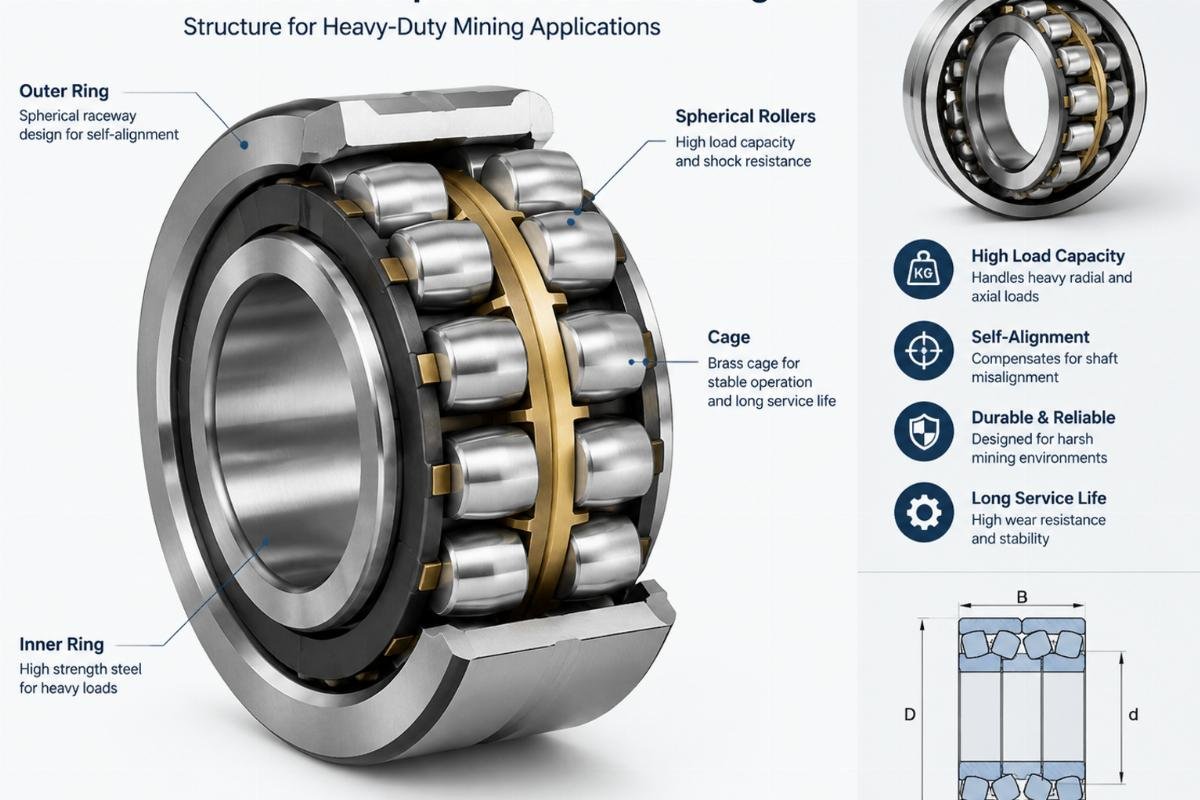
24040 Spherical Roller Bearing — Double-row design with Gcr15 chrome steel construction ensures high load capacity and misalignment compensation for heavy-duty mining and metallurgy equipment. This premium spherical roller bearing delivers reliable performance under severe shock loads and continuous shaft deflection conditions.
Verify product authenticity instantly via the official app QR code channel for every shipped unit to guarantee complete original traceability.
Unified Global Sourcing — Consolidate SKF, FAG, and domestic 24040 spherical roller bearing orders into a single mixed-brand shipment without juggling multiple vendors.
Technical Specifications
Parameter
Value
Designation
24040
Bearing Type
Spherical Roller Bearing
Number of Rows
Double-Row
Material
Chrome Steel Gcr15
Origin
Shandong, China
Application Suitability
Industry
Typical Applications
Mining
Vibrating screens and primary jaw crushers
Metallurgy
Steel mill continuous casting and rolling equipment
Agriculture
Heavy-duty harvesting machinery gearboxes
Why Open-Flame Heating Destroys the 24040 spherical roller bearing Before It Even Spins
Direct flame exposure alters the metallurgical structure, causing premature spalling under heavy radial loads.
Years ago at a Chilean copper mine, I watched local maintenance crews heat a large bearing with an open torch to force it onto a shaft. This reckless practice ruined the internal hardness profile and led to catastrophic failure within weeks. Such thermal abuse accounts for a significant share of premature failures in heavy machinery [NEED_CITE: rolling bearing failure mode classification per ISO 15243]. Proper induction heating is absolutely non-negotiable for preserving the integrity of these critical components. When the crystalline structure of the steel is compromised by uneven, extreme heat, the material loses its ability to withstand the immense contact stresses generated during operation. Consequently, the inner ring cracks or spalls long before reaching its calculated fatigue life, forcing the entire production line to halt for emergency replacements.
Matching Double-Row Geometry to Extreme Misalignment
The double-row configuration inherently compensates for shaft deflection and housing misalignment, which are unavoidable in rugged mining environments. By sourcing the correct 24040 spherical roller bearing through our global network, we provide cross-brand equivalent model consultation to ensure the internal geometry perfectly matches your specific equipment tolerances. This prevents edge loading and extends operational uptime. In heavy-duty applications like vibrating screens, the continuous oscillation creates complex dynamic forces that standard bearings simply cannot endure. The self-aligning capability absorbs these structural deviations, distributing the load evenly across both rows of rolling elements. This balanced load distribution is what ultimately prevents localized stress concentrations and ensures reliable performance even when the supporting foundation shifts under the immense weight of the processing equipment.
Managing Shock Loads and Thermal Expansion in Ore Processing
Crushers and vibrating screens subject components to severe shock loads and continuous vibration. These dynamic forces demand high fatigue strength and adequate internal clearance to accommodate thermal expansion during operation. Without the correct clearance class, the rolling elements will skid or bind when the equipment reaches operating temperature [NEED_CITE: thermal expansion effects on bearing internal clearance]. Adequate lubrication flow and heavy-duty cage designs are equally critical to survive the contaminated, high-dust environment typical of mineral extraction sites. Furthermore, the immense impact forces generated by primary crushers require a cage material that can withstand sudden acceleration and deceleration without fracturing. Ensuring the lubricant film thickness remains sufficient under these extreme pressure conditions is vital to prevent metal-to-metal contact, which would otherwise accelerate wear and trigger a cascading mechanical failure.
Decoding Material and Clearance for High-Temperature Environments
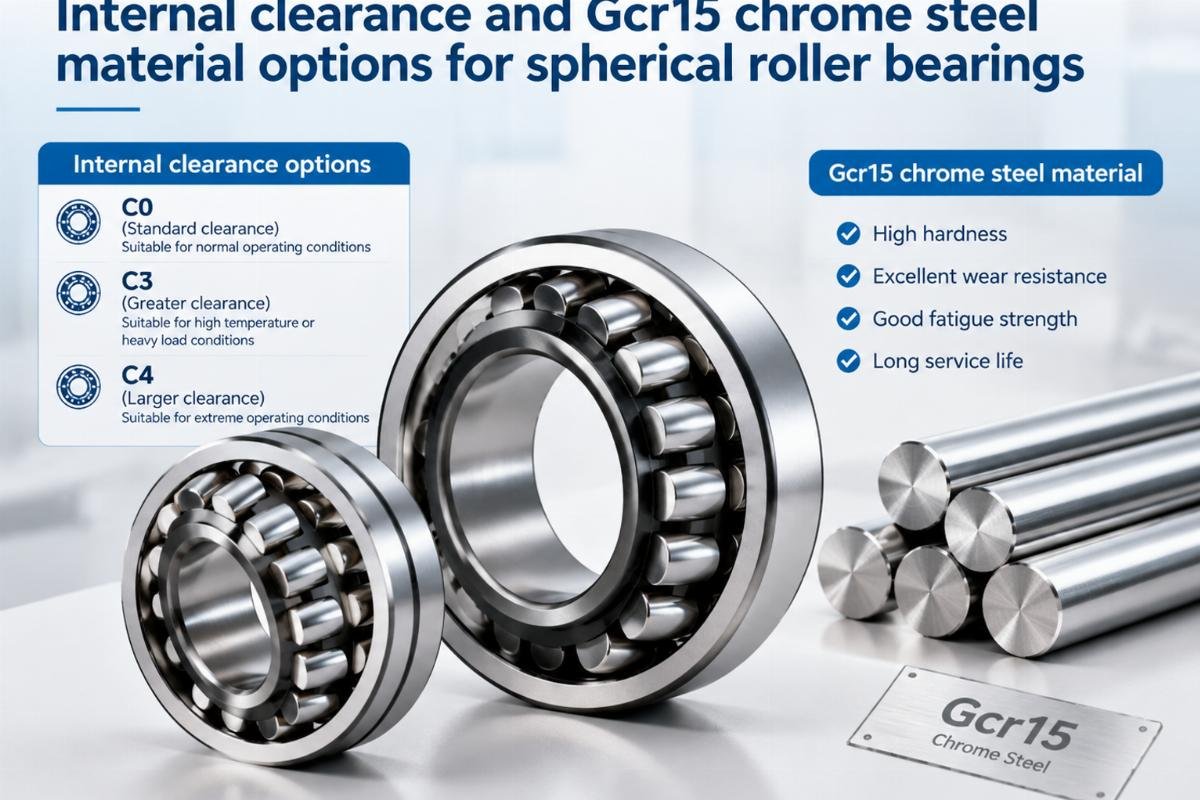
The designation 24040 indicates a standard bore, double-row spherical roller design optimized for heavy radial and moderate axial loads. The use of Chrome Steel Gcr15 provides the necessary hardness and wear resistance for continuous heavy-duty operation. However, the most critical selection parameter for this specific size in high-temperature applications is the internal clearance. Selecting a C3 or C4 clearance class is essential to prevent internal preload buildup when the shaft expands under thermal stress, ensuring the bearing operates within its optimal kinematic range. If the internal gap is too tight, the thermal growth of the shaft will eliminate the clearance entirely, causing the rollers to slide rather than roll. This sliding friction generates massive amounts of heat, rapidly degrading the lubricant and leading to catastrophic seizure of the entire assembly.
The Cascading Impact of Incorrect Clearance Selection
Installing a standard clearance bearing in a high-heat metallurgy application inevitably leads to internal binding. This generates excessive friction, rapid temperature spikes, and eventual cage disintegration. According to ISO 15243 frameworks, such thermally induced failures often result in unplanned downtime and catastrophic damage to adjacent shaft components [NEED_CITE: bearing damage and failure analysis per ISO 15243]. The hidden costs of a mismatched clearance class far outweigh the initial procurement savings. When the cage fails, the rolling elements lose their precise spacing, colliding with one another and gouging the raceways. This secondary damage often destroys the shaft and housing as well, transforming a simple component replacement into a major, multi-week engineering overhaul that severely impacts the facility’s overall production targets and profitability.
Securing Traceability for Critical Heavy-Duty Replacements
We supply genuine products with complete traceability documentation, ensuring every unit meets ISO-compliant quality assurance standards. For heavy-duty models, verifying the exact internal clearance and cage material during cross-brand substitution is crucial, and our technical team handles this alignment. We offer flexible MOQ options, accommodating everything from single-unit emergency replacements to full container consolidation. Furthermore, our massive spot inventory covers thousands of standard part numbers, enabling rapid dispatch for urgent maintenance requirements. By maintaining strict oversight of the supply chain, we guarantee that the metallurgical properties and dimensional tolerances of every shipped unit match the original engineering specifications. This rigorous verification process eliminates the risk of receiving counterfeit or substandard parts that could compromise the safety and reliability of your most critical industrial assets.
Documentation & Authenticity
Certificate of Conformity verifying the Gcr15 material composition for heavy-load durability.
Original factory batch traceability records linking the specific unit to its production run.
Dimensional and running accuracy inspection reports confirming tolerance compliance before dispatch.
Internal clearance verification certificates ensuring C3 or C4 class alignment for thermal expansion.
Storage, Handling & Mounting
Store in original packaging with humidity control to prevent surface corrosion on the Gcr15 chrome steel races.
Utilize calibrated induction heaters for mounting; never use open flames to preserve the metallurgical structure.
Verify the residual internal clearance after mounting to ensure the C3 expansion gap remains intact.
Apply clean gloves during handling to prevent acidic sweat from initiating micro-pitting on the precision-ground outer ring.
Preparing Your Technical Data for Selection Review
To ensure optimal performance, please share your specific operating parameters, including radial and axial loads, rotational speed, and ambient temperature. Providing the original equipment manufacturer’s part number allows our engineering team to perform precise cross-reference verification. This data enables us to recommend the exact clearance class and confirm the L10 life calculation for your specific application. Additionally, detailing the environmental conditions, such as the presence of abrasive dust or corrosive moisture, helps us advise on the most appropriate sealing arrangements and lubrication intervals. This collaborative technical review ensures that the selected component is not just a dimensional match, but a fully optimized solution engineered to maximize the mean time between failures in your unique operational context.
Frequently Asked Questions
Q: How do internal clearance classes affect high-temperature mining applications?
A: In high-heat environments like metallurgy, shafts expand significantly during operation. Selecting a C3 or C4 clearance class for your double-row unit provides the necessary thermal expansion gap. Without this extra internal space, the bearing will bind, generate excessive friction, and suffer premature spalling. Always verify the clearance matches the operating temperature range.
Q: What precautions are necessary when cross-referencing brands for this model?
A: When substituting different manufacturers, you must align three critical parameters: internal clearance class, cage material, and precision grade. A mismatch in any of these areas can lead to improper load distribution or thermal binding. Our technical team verifies these specifications to ensure the replacement performs identically to the original equipment component.
Q: Why is induction heating strictly recommended over open-flame methods?
A: Open-flame heating creates localized hot spots that permanently alter the metallurgical structure of the chrome steel, drastically reducing its hardness and fatigue limit. This leads to early spalling under heavy loads. Calibrated induction heating ensures uniform thermal expansion across the inner ring, preserving the material’s integrity and guaranteeing a secure, damage-free interference fit on the shaft.
Q: Can mixed-brand orders be consolidated into a single shipment?
A: Yes, our global sourcing network allows us to consolidate various premium and domestic brands into one shipment. This flexible approach simplifies logistics for bulk project orders and MRO requirements. We handle the global shipping consolidation and inspection services, ensuring all units meet the required traceability and quality standards before leaving our facility.
Shipping Information
EU Warehouse
3-7 working days (bonded stock)
Direct from China
Shanghai & Ningbo hubs (bulk / FCL)
Markets Served
DE · IT · PL · ES · NL · FR · EU+
Incoterms
DDP / DAP available on request
Minimum Order
Contact us for MOQ details
Documents Included with Every Shipment
EN and ISO Quality Certificates
Batch traceability and manufacturing standard
Material & Heat-Treatment Reports
Full material composition and process records
CE Declaration of Conformity
For bearing units and motion products
RoHS Compliance Declaration
Restriction of hazardous substances
EUR.1 Movement Certificate
Preferential origin for EU customs
Certificate of Origin
Country of manufacture documentation
Correct HS Codes
Pre-classified for smooth customs clearance
Commercial Invoice & Packing List
VAT-compliant intra-EU invoicing
Transparent Landed Cost with Tax Explanation
SKFEU provides full price transparency so EU buyers know exactly what they pay. No hidden duties, no surprise charges at customs.
VAT-Compliant Invoicing
All intra-EU transactions are invoiced with correct VAT treatment. B2B buyers with valid EU VAT numbers receive zero-rated invoices where applicable.
No Unexpected Import Duties
Goods shipped from our EU bonded warehouse arrive as intra-EU movements -- no import duties, no customs delays for EU-based buyers.
EUR.1 & Origin Docs Ready
For shipments direct from China, EUR.1 movement certificates and certificates of origin are prepared in advance to minimise customs clearance time.
DDP Pricing Available
Ask for Delivered Duty Paid quotations -- we absorb all import costs so your landed cost is fixed and predictable from day one.
Need a landed cost breakdown? Contact Sofia at
sofia@skfeu.com
or via WhatsApp for a full DDP quotation including freight, duties and VAT for your country.
Send Inquiry
Request Pricing & Availability
Share your requirements and Sofia will respond within one working day with pricing, lead time and full documentation details.