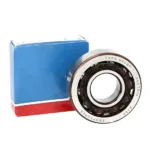
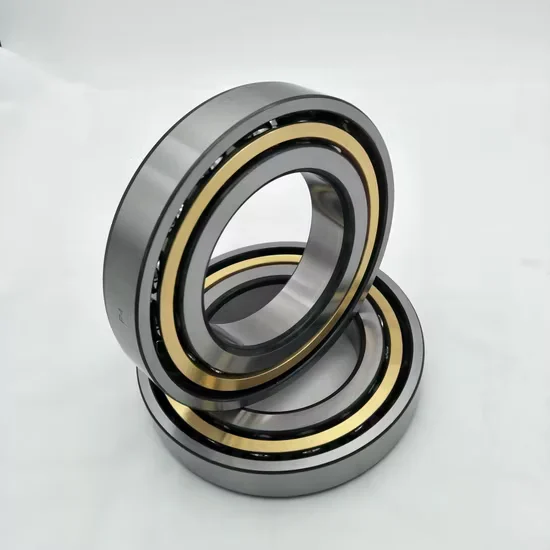
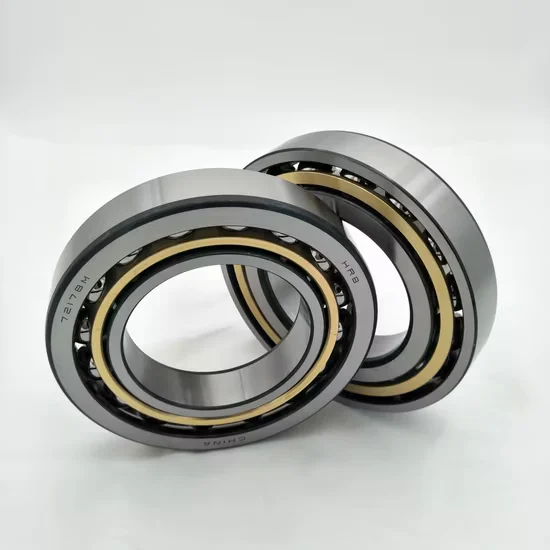
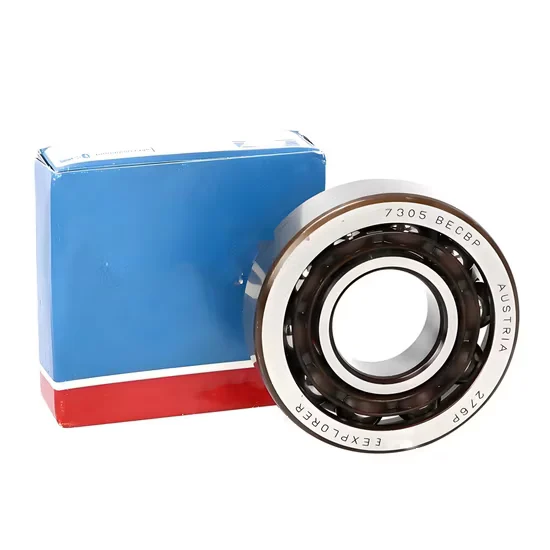
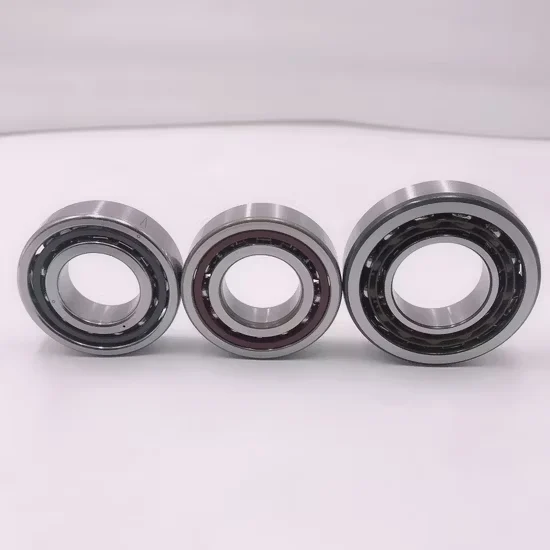
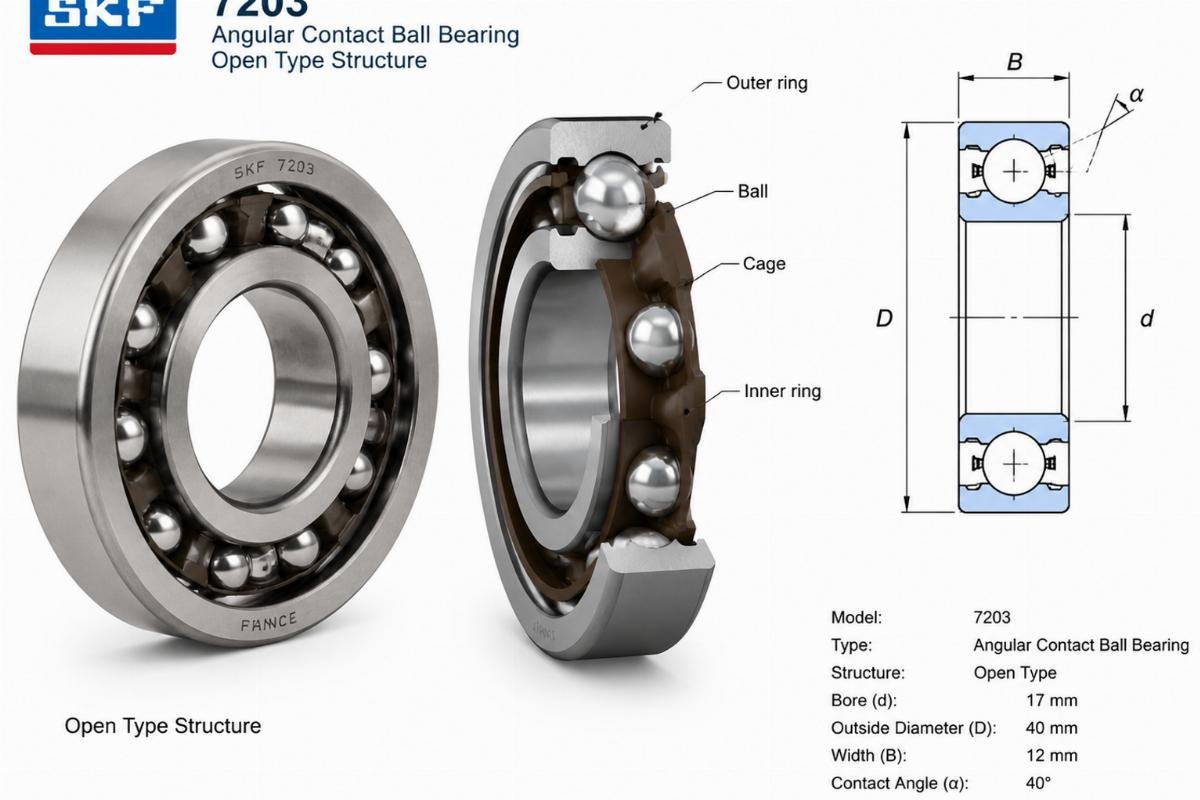
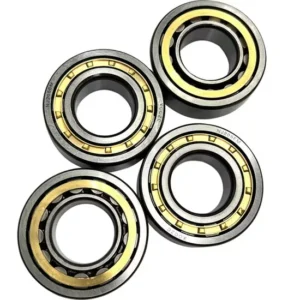
7203 SKF Angular Contact Ball Bearing 17×40×12 mm — The open seal design requires external lubrication, while the lightweight polyamide cage effectively minimizes friction for high-speed machine tool spindles, compressors, and precision pumps.
Manufactured from premium Gcr15 bearing steel to provide excellent wear resistance and structural stability.
Every shipment includes complete original batch traceability documentation to guarantee authentic sourcing and verified quality.
Multi-Brand Sourcing — Consolidate your 7203 SKF angular contact ball bearing orders with mixed industrial components in a single shipment without juggling multiple vendors.
Technical Specifications
Parameter
Value
Designation
7203 SKF
Bearing Type
Angular Contact Ball Bearing
Bore Diameter (d)
17 mm
Outside Diameter (D)
40 mm
Width (B)
12 mm
Material
Gcr15 Bearing Steel
Seal or Shield Type
Open
Cage Material
Nylon (Polyamide)
Application Suitability
Industry
Typical Applications
Machine Tool Manufacturing
CNC spindle assemblies and high-speed milling heads
Fluid Handling
Centrifugal pump impeller shafts and compressor rotors
Precision Automation
Robotic arm joints and high-accuracy indexing tables
Why Standard Cages Fail in High-Speed Spindles Using the 7203 SKF angular contact ball bearing
During a technical audit in Vietnam, a client experienced catastrophic CNC spindle seizure. The root cause was a standard pressed steel cage unable to dissipate heat at high RPMs, leading to cage deformation and shaft destruction. Upgrading to a polyamide cage design immediately stabilized the vibration profile and prevented thermal runaway. This real-world failure highlights why matching cage material to rotational velocity is non-negotiable in precision machining environments [NEED_CITE: bearing failure analysis in high-speed machining].
Matching Polyamide Cage Dynamics to Precision Machining
When specifying a 7203 SKF angular contact ball bearing for high-speed spindles, the lightweight nature of the nylon cage drastically reduces centrifugal forces acting on the rolling elements. This specific material choice minimizes friction heat generation, which is absolutely critical for maintaining tight dimensional tolerances in precision equipment. Our engineering team routinely guides manufacturing facilities in transitioning from heavy brass or stamped steel alternatives to optimize rotational dynamics and prevent premature wear in demanding automation setups.
Addressing Thermal Expansion and Lubrication Cleanliness
Open-type designs demand rigorous contamination control during assembly, as any particulate ingress directly impacts the highly polished raceway surface. In high-speed pump and compressor applications, the operational temperature rises rapidly, making the initial grease fill and subsequent oil-air lubrication intervals vital for preventing cage starvation. Furthermore, the lack of integrated seals means the external housing sealing arrangement must be carefully engineered to exclude coolant mist and metal shavings while still allowing for necessary thermal expansion [NEED_CITE: lubrication strategies for open bearing configurations].
Decoding the 17x40x12mm Geometry and Material Selection
The 17 mm bore, 40 mm outside diameter, and 12 mm width define a compact footprint highly suitable for dense spindle arrangements where space is at a premium. The Gcr15 bearing steel provides the necessary contact fatigue strength to withstand repetitive axial and radial loading cycles without spalling. Because this specific model features an open seal design, it allows maintenance teams to completely flush out debris and apply custom high-speed spindle grease prior to installation, ensuring optimal lubrication film thickness from the very first rotation.
The Financial Impact of Incorrect Cage and Clearance Selection
Selecting an inappropriate cage material or ignoring thermal expansion requirements often results in unplanned downtime and catastrophic damage to the expensive spindle housing. According to established failure mode classifications, inadequate lubrication combined with high-speed friction leads to rapid cage wear, smearing, and eventual mechanical seizure [NEED_CITE: rolling bearing failure mode classification per ISO 15243]. These secondary damages routinely void equipment warranties and multiply the replacement costs far beyond the initial component price, disrupting entire production schedules.
Securing Authentic Components Through Verified Supply Chains
Procuring genuine components requires much more than just matching part numbers; it demands strict batch traceability to avoid counterfeit materials that fail prematurely under load. We maintain massive spot inventory for standard dimensions, ensuring urgent maintenance requirements are met without enduring typical multi-week lead times. Furthermore, our technical team provides comprehensive cross-brand equivalent model consultation, helping you verify if alternative premium brands match the exact dynamic load ratings when specific stock is constrained by global supply chain fluctuations.
Documentation & Authenticity
Certificate of Conformity validating the Gcr15 steel composition for this specific batch.
Original factory batch traceability documents linking the 17x40x12mm dimensions to production records.
Official anti-counterfeiting application QR codes on packaging for immediate field verification.
Dimensional inspection reports confirming bore and outside diameter tolerances before dispatch.
Storage, Handling & Mounting
Retain the original VCI packaging until mounting to prevent humidity corrosion on the open raceways.
Use lint-free cleanroom gloves when handling the polyamide cage to avoid skin oil contamination.
Apply the specified high-speed spindle grease immediately after unsealing to protect the exposed Gcr15 surfaces.
Verify housing sealing clearances before pressing the 17mm bore onto the shaft to prevent cage distortion.
Technical Review and Selection Support
To ensure the selected model aligns with your operational demands, please share your spindle’s maximum RPM, operating temperature range, and specific axial load profiles. Providing the original equipment manufacturer part numbers allows our engineers to perform precise cross-reference verification and confirm the optimal clearance class for your thermal expansion conditions.
Frequently Asked Questions
Q: How do I verify the authenticity of the 7203 SKF angular contact ball bearing upon delivery?
A: You can authenticate the components by scanning the QR code on the packaging using the manufacturer’s official anti-counterfeiting application. Additionally, we provide complete factory batch traceability documents and certificates of conformity that link the specific production run to verified material and dimensional inspection reports.
Q: What clearance class is appropriate for high-speed CNC spindle applications?
A: High-speed spindles typically require tighter or specifically adjusted clearance classes to compensate for thermal expansion and centrifugal forces during operation. Our engineering team reviews your exact operating temperatures and interference fits to recommend the optimal clearance, ensuring the bearing maintains proper internal preload without generating excess friction heat.
Q: Why choose a polyamide cage over a pressed steel cage for this model?
A: Polyamide cages are significantly lighter, which reduces centrifugal forces and friction heat generation at high rotational speeds. Unlike pressed steel alternatives that can deform or melt under extreme thermal stress, the nylon material maintains structural stability, ensuring smoother operation and extending the service life of precision machine tool spindles.
Q: How should open-type bearings be lubricated during spindle assembly?
A: Since the open design lacks integrated seals, the bearing must be thoroughly cleaned and packed with the exact high-speed grease specified by the spindle manufacturer before installation. Proper grease fill volume is critical; overfilling causes churning and overheating, while underfilling leads to premature cage starvation and raceway damage.
Shipping Information
EU Warehouse
3-7 working days (bonded stock)
Direct from China
Shanghai & Ningbo hubs (bulk / FCL)
Markets Served
DE · IT · PL · ES · NL · FR · EU+
Incoterms
DDP / DAP available on request
Minimum Order
Contact us for MOQ details
Documents Included with Every Shipment
EN and ISO Quality Certificates
Batch traceability and manufacturing standard
Material & Heat-Treatment Reports
Full material composition and process records
CE Declaration of Conformity
For bearing units and motion products
RoHS Compliance Declaration
Restriction of hazardous substances
EUR.1 Movement Certificate
Preferential origin for EU customs
Certificate of Origin
Country of manufacture documentation
Correct HS Codes
Pre-classified for smooth customs clearance
Commercial Invoice & Packing List
VAT-compliant intra-EU invoicing
Transparent Landed Cost with Tax Explanation
SKFEU provides full price transparency so EU buyers know exactly what they pay. No hidden duties, no surprise charges at customs.
VAT-Compliant Invoicing
All intra-EU transactions are invoiced with correct VAT treatment. B2B buyers with valid EU VAT numbers receive zero-rated invoices where applicable.
No Unexpected Import Duties
Goods shipped from our EU bonded warehouse arrive as intra-EU movements -- no import duties, no customs delays for EU-based buyers.
EUR.1 & Origin Docs Ready
For shipments direct from China, EUR.1 movement certificates and certificates of origin are prepared in advance to minimise customs clearance time.
DDP Pricing Available
Ask for Delivered Duty Paid quotations -- we absorb all import costs so your landed cost is fixed and predictable from day one.
Need a landed cost breakdown? Contact Sofia at
sofia@skfeu.com
or via WhatsApp for a full DDP quotation including freight, duties and VAT for your country.
Send Inquiry
Request Pricing & Availability
Share your requirements and Sofia will respond within one working day with pricing, lead time and full documentation details.