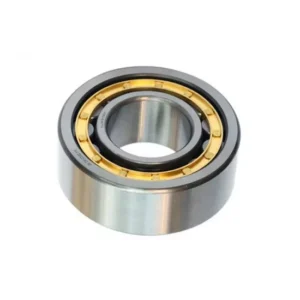
81164 M Thrust Roller Bearing 320x400x63mm Genuine Supply
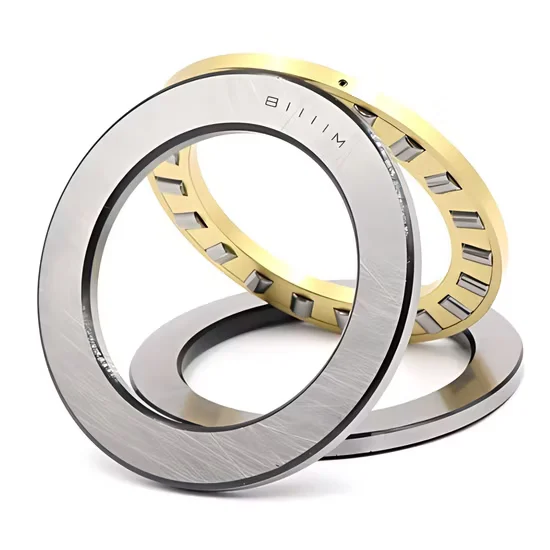
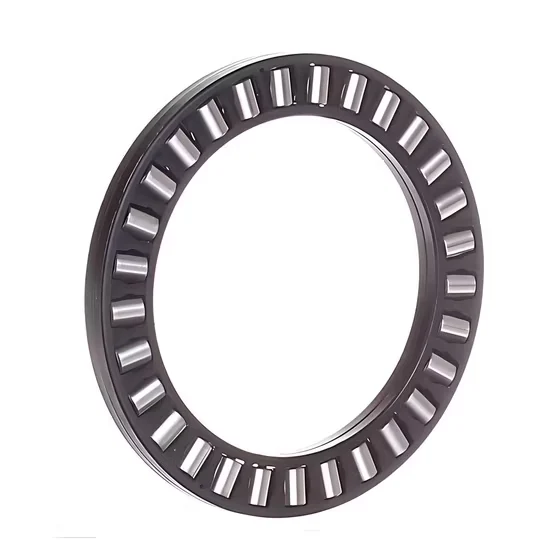
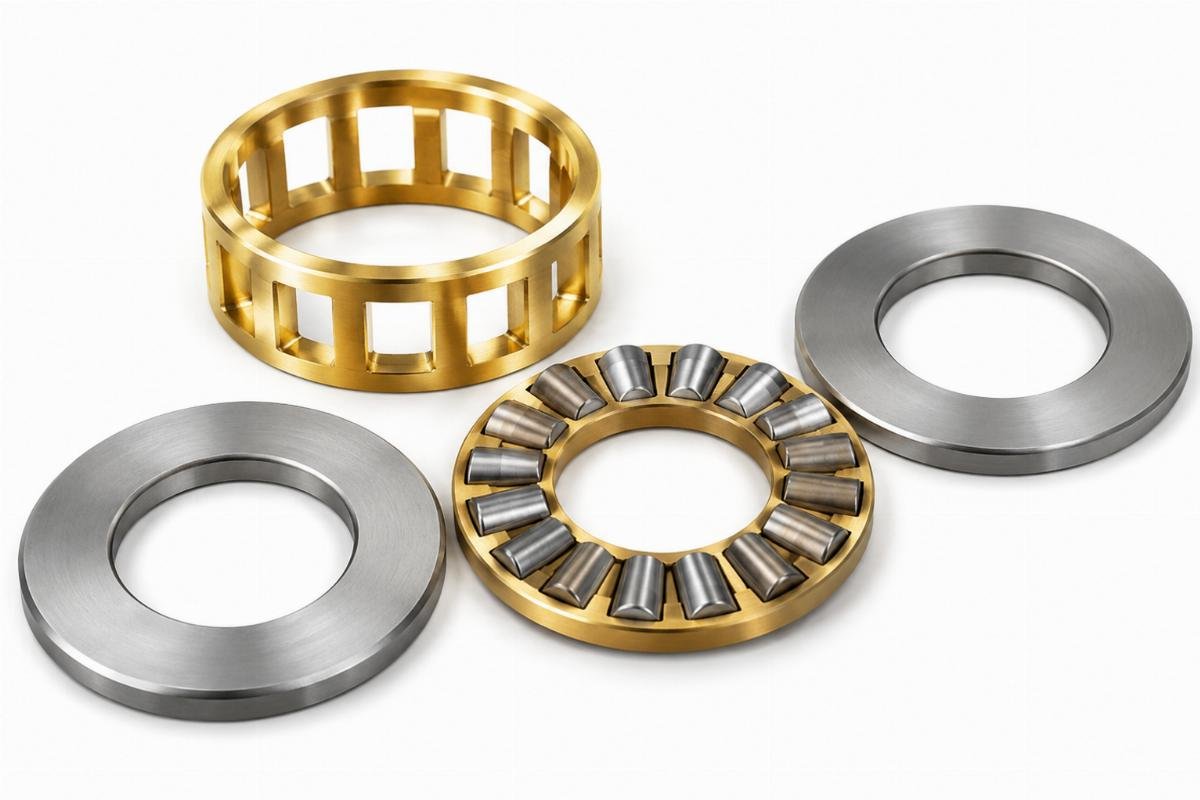
81164 M Thrust Cylindrical Roller Bearing 320×400×63 mm — featuring a machined brass cage for enhanced durability and optimal heat dissipation under heavy axial loads.
Premium Gcr15 chrome steel construction ensures exceptional wear resistance for demanding applications.
Separated design facilitates easier mounting, dismounting, and routine maintenance.
Every order is shipped with a complete documentation package, including material certificates and dimensional inspection reports.
Cross-reference dimension alignment — We verify bore, outside diameter, and width against OEM catalogs before dispatching any 81164 M unit.
Technical Specifications
Parameter
Value
Designation
81164 M
Bearing Type
Thrust Cylindrical Roller Bearing
Bore Diameter (d)
320 mm
Outside Diameter (D)
400 mm
Width (T)
63 mm
Cage Material
Machined Brass (M suffix)
Material
Chrome Steel Gcr15 / 100cr6
Arrangement
Separated
Alignment
Non-Aligning
Load Direction
Thrust
Application Suitability
Industry
Typical Applications
Mining & Construction
Excavator slew drives and heavy-duty gearbox thrust stages
Metallurgy
Rolling mill screw-down mechanisms and press cylinders
Machine Tools
Vertical boring mill rotary tables and spindle thrust support
Why Cage Material Dictates Survival in Heavy Axial Loads
When sourcing an 81164 M thrust cylindrical roller bearing, buyers often focus solely on dynamic load ratings while overlooking the critical role of cage construction.
A machined brass cage prevents catastrophic fragmentation under severe vibration and shock loading.
Early in my career procuring for steel mills, I swapped a brass cage for a pressed steel alternative to cut costs on a similar large-bore thrust unit. The high-vibration environment tore the steel cage apart within weeks, halting the entire rolling line. That failure proved that in heavy equipment, marginal savings on internal components lead to massive unplanned downtime and severe secondary damage [NEED_CITE: rolling bearing failure mode classification per ISO 15243]. Always prioritize cage integrity over initial purchase price.
Matching the 81164 M to Extreme Axial Environments
This 81164 M thrust cylindrical roller bearing excels where pure axial loads dominate and radial forces are minimal. Our engineering team cross-references your specific equipment requirements to ensure the machined brass cage and chrome steel construction align perfectly with your operational demands, avoiding the pitfalls of generic substitutions.
Navigating Shock Loads and Thermal Expansion in Thrust Applications
Heavy-duty gearboxes and rolling mills subject thrust bearings to intense shock loads and fluctuating temperatures. These extreme conditions demand a cage material that maintains structural integrity and dissipates heat efficiently, which is exactly where machined brass outperforms stamped alternatives. Furthermore, proper lubrication intervals are critical to prevent metal-to-metal contact between the cylindrical rollers and the cage pockets [NEED_CITE: lubrication failure mechanisms in heavy-duty thrust bearings]. Misalignment, inadequate thermal clearance, or contaminated lubricant can quickly escalate into roller skidding, accelerated wear, and premature raceway spalling, compromising the entire drivetrain.
Decoding the M Suffix and Chrome Steel Metallurgy
The “M” suffix on the 81164 M thrust cylindrical roller bearing explicitly designates a machined brass cage, a non-negotiable feature for large-bore units operating under high vibration. Unlike polyamide or pressed steel cages, machined brass offers superior heat dissipation, dimensional stability, and resistance to cage fragmentation. The Gcr15 / 100cr6 chrome steel construction provides the necessary core hardness and wear resistance for the shaft and housing washers. Because this is a separated design, the shaft washer, housing washer, and roller-cage assembly can be mounted independently. This separation significantly simplifies maintenance and replacement procedures in confined spaces or complex gearbox housings.
The Financial Toll of Incorrect Cage Selection
Substituting a specified brass cage with a cheaper steel variant might seem insignificant on a purchase order, but it invites catastrophic damage under dynamic axial loading. According to ISO 15243 frameworks, cage failure often precedes roller displacement, leading to severe raceway scoring and secondary damage to adjacent gearbox components. This cascading failure results in extended unplanned downtime, expensive teardowns, and voids equipment warranties. The financial toll of replacing a destroyed gearbox housing far exceeds the initial price difference of the correct bearing specification [NEED_CITE: economic impact of premature bearing failures in heavy machinery].
Securing Genuine Traceability for Large-Bore Thrust Units
Sourcing large-diameter bearings often involves dealing with opaque supply chains where suffix substitutions are alarmingly common. We strictly verify the “M” suffix upon receipt to ensure you receive the specified machined brass cage, not a visually similar but mechanically inferior stamped alternative. Our flexible consolidation shipping allows you to mix this large-bore unit with smaller MRO spares in a single container, optimizing your freight costs. Additionally, we provide complete batch traceability documentation, ensuring every component meets the rigorous demands of your heavy-equipment maintenance schedule without relying on unverified third-party vendors.
Documentation & Authenticity
Original manufacturer batch traceability linking the 81164 M to its specific production run.
Material certification confirming Gcr15 / 100cr6 chrome steel compliance for washers and rollers.
Dimensional inspection report verifying the 320x400x63mm tolerances before dispatch.
Visual and metallurgical verification confirming the machined brass cage material.
Storage, Handling & Mounting
Store the separated components in original packaging to prevent corrosion on the chrome steel washers.
Use induction heating for the housing washer, monitoring temperature to preserve the Gcr15 metallurgical structure.
Handle the machined brass cage assembly with clean gloves to avoid contaminating the roller pockets.
Apply the specified heavy-duty gear oil immediately after mounting to protect the non-aligning thrust surfaces.
Engineering Review for Your Thrust Application
To ensure optimal performance of your thrust application, please share your specific axial load profiles, operating speeds, and thermal conditions. Our technical team will use these parameters to validate the L10 life calculation and confirm that the machined brass cage is the correct choice for your vibration environment. Providing your OEM equipment number also allows us to perform a precise cross-reference check.
Frequently Asked Questions
Q: How do I verify the cage material on a received 81164 M?
A: The “M” suffix guarantees a machined brass cage. Upon receipt, inspect the cage color and weight; brass is distinctly yellowish and heavier than stamped steel. For absolute certainty, request our pre-shipment metallurgical verification report, which confirms the material composition matches the manufacturer’s specifications for heavy-duty thrust applications.
Q: Can I substitute a pressed steel cage for this thrust bearing?
A: Substituting the machined brass cage with pressed steel in large-bore thrust applications is highly discouraged. Pressed steel lacks the necessary rigidity and heat dissipation properties for high-vibration environments like rolling mills. Doing so risks early cage fragmentation, which leads to catastrophic roller displacement and severe secondary damage to your equipment.
Q: What is the proper mounting sequence for this separated design?
A: Since the 81164 M features a separated design, mount the shaft washer and housing washer independently first. Next, carefully position the roller and machined brass cage assembly between them. This independent mounting approach prevents misalignment and protects the cage pockets from damage during the installation of the heavy washers.
Q: How does the non-aligning design affect my housing requirements?
A: A non-aligning thrust configuration requires strict perpendicularity between the shaft and the housing seating. Any misalignment will cause uneven load distribution across the cylindrical rollers, leading to edge loading and premature spalling. Ensure your housing machined surfaces meet the required flatness and squareness tolerances before installation.
Shipping Information
EU Warehouse
3-7 working days (bonded stock)
Direct from China
Shanghai & Ningbo hubs (bulk / FCL)
Markets Served
DE · IT · PL · ES · NL · FR · EU+
Incoterms
DDP / DAP available on request
Minimum Order
Contact us for MOQ details
Documents Included with Every Shipment
EN and ISO Quality Certificates
Batch traceability and manufacturing standard
Material & Heat-Treatment Reports
Full material composition and process records
CE Declaration of Conformity
For bearing units and motion products
RoHS Compliance Declaration
Restriction of hazardous substances
EUR.1 Movement Certificate
Preferential origin for EU customs
Certificate of Origin
Country of manufacture documentation
Correct HS Codes
Pre-classified for smooth customs clearance
Commercial Invoice & Packing List
VAT-compliant intra-EU invoicing
Transparent Landed Cost with Tax Explanation
SKFEU provides full price transparency so EU buyers know exactly what they pay. No hidden duties, no surprise charges at customs.
VAT-Compliant Invoicing
All intra-EU transactions are invoiced with correct VAT treatment. B2B buyers with valid EU VAT numbers receive zero-rated invoices where applicable.
No Unexpected Import Duties
Goods shipped from our EU bonded warehouse arrive as intra-EU movements -- no import duties, no customs delays for EU-based buyers.
EUR.1 & Origin Docs Ready
For shipments direct from China, EUR.1 movement certificates and certificates of origin are prepared in advance to minimise customs clearance time.
DDP Pricing Available
Ask for Delivered Duty Paid quotations -- we absorb all import costs so your landed cost is fixed and predictable from day one.
Need a landed cost breakdown? Contact Sofia at
sofia@skfeu.com
or via WhatsApp for a full DDP quotation including freight, duties and VAT for your country.
Send Inquiry
Request Pricing & Availability
Share your requirements and Sofia will respond within one working day with pricing, lead time and full documentation details.