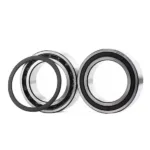
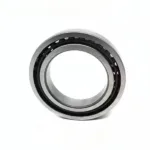
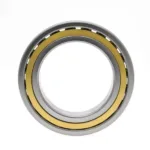
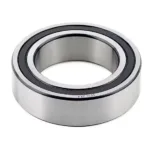
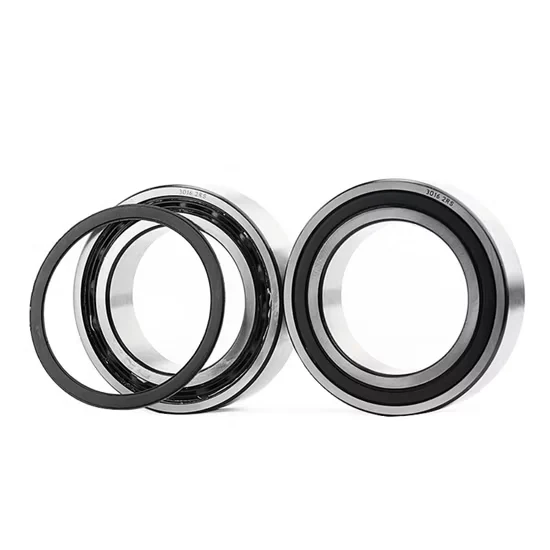
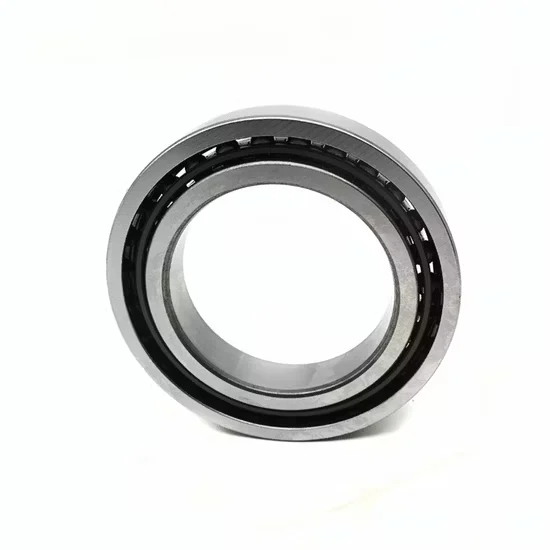
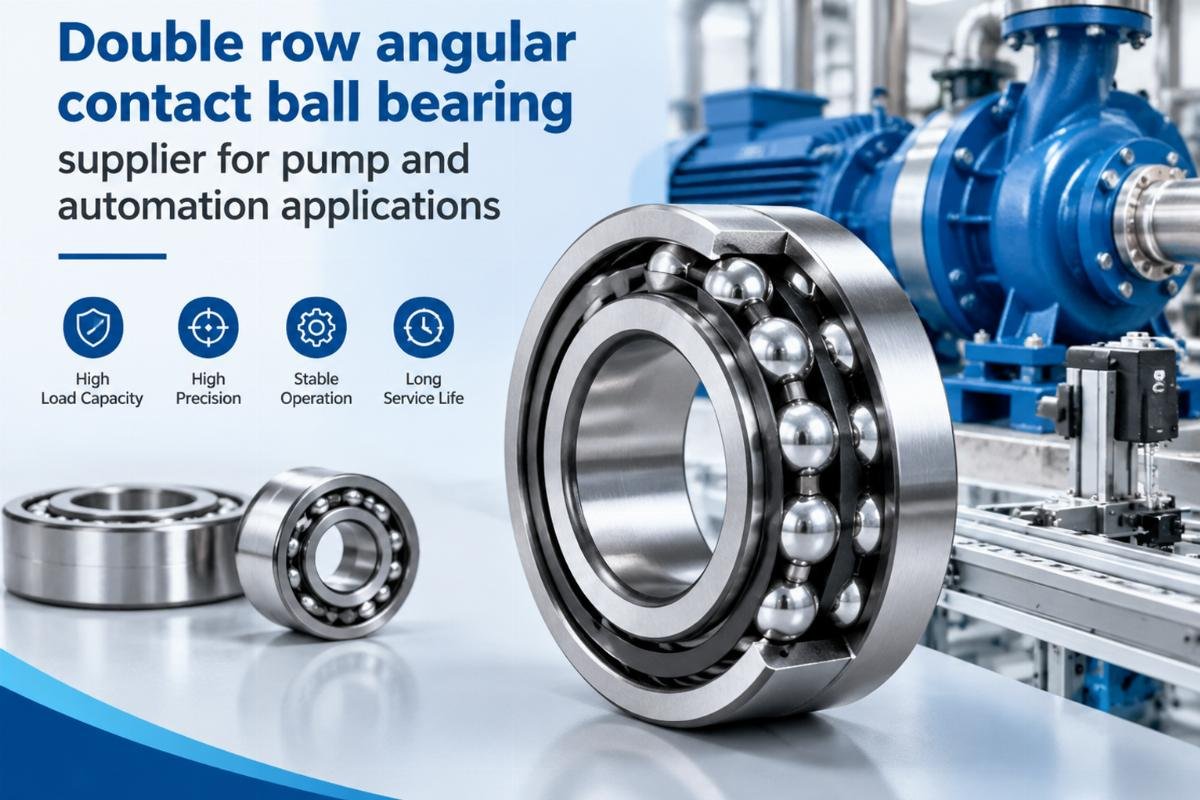
Double Row Angular Contact Ball Bearing for Reducer Pump Automation
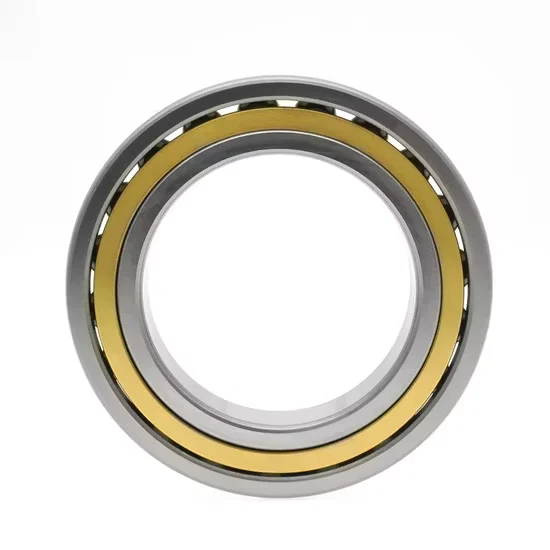
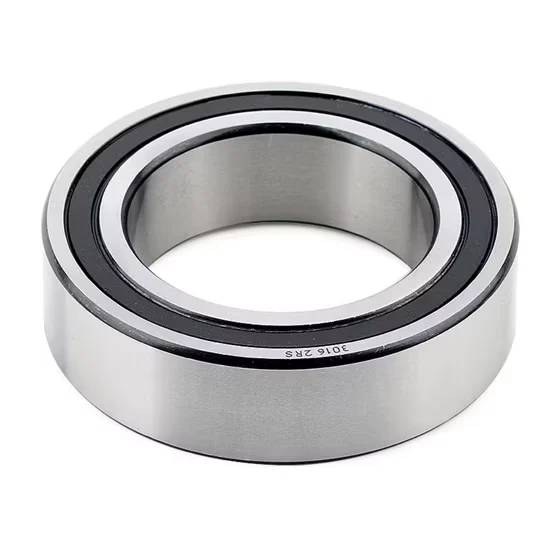
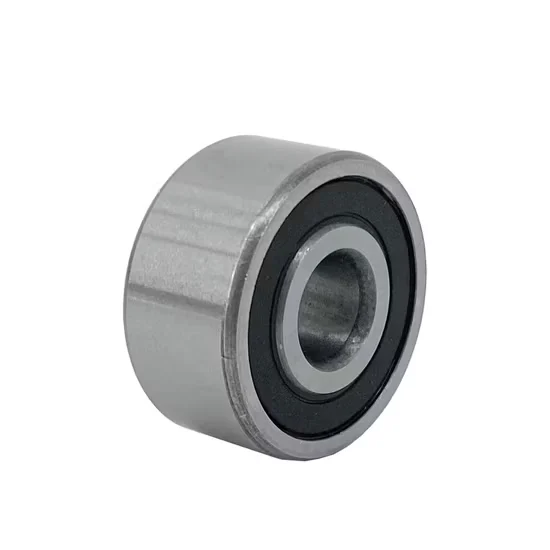
Double Row Angular Contact Ball Bearing for Reducers, Pumps & Automation — Gcr15 bearing steel construction delivers high structural integrity under combined radial and axial loads, while polyamide cages ensure smooth high-speed operation with reduced friction and noise.
Clearance options from C0 to C5 and vibration grades V1 through V3 available for precise application matching
Sourced from verified KOYO, NTN, and NSK production batches with full material certificates and dimensional inspection reports included
Cross-Reference Alignment — We verify dimensional, load, and speed equivalency across global catalogs to ensure drop-in replacement for your automation drives.
Technical Specifications
Parameter
Value
Product Type
Double Row Angular Contact Ball Bearing
Bearing Type
Angular Contact Ball Bearing
Rows Number
Single Row / Double Row
Material
Available in Gcr15 bearing steel or stainless variants
Why Standard Clearances Fail in Pump and Automation Drives
Finding a reliable double row angular contact ball bearing supplier is only the first step when standard clearances cause premature seizure in pump drives.
Thermal expansion from continuous high-speed operation rapidly eliminates internal clearance, leading to catastrophic cage failure.
In humid environments like Southeast Asian automation plants, moisture ingress compromises grease integrity. When internal clearances are not matched to the operating temperature, the rolling elements skid rather than roll, generating excessive frictional heat. [NEED_CITE: bearing failure modes under thermal expansion per ISO 15243]. This mismatch often goes unnoticed until the reducer halts production entirely, causing severe secondary damage to the pump housing and drive couplings.
Matching Bearing Architecture to Combined Load Profiles
Automation drives and pump shafts subject components to simultaneous radial and axial forces. A double row angular contact ball bearing supplier provides configurations that handle these combined loads without requiring matched single-row pairs. The dual-row design distributes the axial thrust evenly across both raceways, maintaining rigidity in robotic actuators and compressor shafts while minimizing the overall axial space required in the housing. This architectural efficiency simplifies the mechanical design and reduces the total weight of the drive assembly.
Managing Moisture, Speed, and Lubrication Breakdown
High-speed pump applications generate significant frictional heat, which degrades standard lubricants over time. In high-humidity automation facilities, unsealed bearings require precise external lubrication schedules to prevent emulsification of the grease. The choice between open and sealed configurations dictates the maintenance interval, while the polyamide cage must withstand the thermal limits of the operating environment without losing structural integrity. Selecting the correct clearance class ensures the bearing accommodates shaft expansion without inducing excessive preload, thereby extending the operational lifespan of the drive system. [NEED_CITE: lubrication breakdown mechanisms in high-humidity environments].
Decoding Material and Clearance Options for Drive Systems
The selection of bearing materials and internal geometries directly impacts performance in dynamic automation environments. Components are available in Gcr15 bearing steel or stainless steel variants, allowing engineers to balance structural durability with corrosion resistance in washdown areas. Polyamide cages offer low-friction operation at elevated speeds, reducing noise in precision machine tools and minimizing vibration transfer to sensitive sensors. Furthermore, clearance options ranging from C0 to C5 allow precise compensation for thermal growth, ensuring the rolling elements maintain optimal contact angles under varying thermal loads and heavy axial thrusts.
The Operational Impact of Mismatched Tolerances
Specifying an incorrect clearance or cage material for a high-speed reducer leads to unplanned downtime and accelerated wear. When internal clearance is too tight for the operating temperature, the bearing experiences excessive friction, resulting in premature fatigue and catastrophic raceway spalling. Conversely, excessive clearance in automation joints introduces positional inaccuracies and vibration, compromising the precision of the entire assembly line and causing defective product output. [NEED_CITE: classification of premature bearing failures per ISO 15243]. These hidden operational costs far exceed the initial procurement savings, making precise technical selection critical.
Engineering Verification Beyond the Catalog
Sourcing from a dedicated double row angular contact ball bearing supplier means receiving technical validation, not just a part number. We cross-reference your equipment’s axial load and speed requirements to recommend the exact clearance class and cage material. Our team verifies the seal type against your facility’s humidity levels to prevent the grease emulsification issues common in tropical automation plants. Every shipment includes full batch traceability, ensuring the metallurgical properties match the demanding cycles of your pump and reducer applications, providing long-term reliability for your critical machinery.
Documentation & Authenticity
Certificate of Conformity confirming Gcr15 steel metallurgical composition for high-load pump shafts.
Original batch traceability documents linking the polyamide cage lot to the manufacturing date.
Dimensional inspection reports verifying C3 or C4 clearance tolerances before dispatch.
Running accuracy test results ensuring low vibration grades for high-speed automation spindles.
Origin certificates validating the production facility for global supply chain compliance.
Storage, Handling & Mounting
Store open-type bearings in climate-controlled environments to prevent moisture ingress before pump installation.
Use induction heaters for inner ring mounting to preserve the precise C3 clearance in reducer shafts.
Keep polyamide caged units away from direct UV exposure to prevent cage material degradation.
Apply clean gloves during handling to avoid contaminating the raceways of unsealed automation bearings.
Verify shaft and housing tolerances match the selected clearance class to avoid induced preload during assembly.
Technical Data Required for Precise Selection
To determine the exact part number for your application, please provide the equipment model, available installation space, and specific load conditions. Sharing the operating speed, ambient temperature, and exposure to moisture allows our engineering team to calculate the optimal clearance and recommend the appropriate seal configuration. This technical review ensures the selected bearing aligns perfectly with your reducer or automation drive requirements.
Frequently Asked Questions
Q: How do I determine the correct part number for my specific pump application?
A: Provide your equipment model, shaft dimensions, and operating parameters such as speed and load. Our engineering team will cross-reference these details to identify the exact double row angular contact ball bearing configuration, ensuring the clearance and cage material match your specific thermal and mechanical requirements.
Q: What are the common failure modes in automation equipment drives?
A: Premature failures often stem from grease emulsification due to moisture ingress or clearance loss from thermal expansion. Selecting the correct seal type and clearance class prevents these issues, ensuring the bearing maintains optimal contact angles and avoids raceway spalling under continuous high-speed operation.
Q: How do I choose between open and sealed configurations for my reducer?
A: Open configurations require external lubrication systems and are ideal for enclosed gearboxes with oil baths. Sealed variants retain factory grease and protect against contaminants, making them suitable for exposed automation joints where maintenance access is limited and humidity levels are high.
Q: How can I verify the authenticity and material grade of the bearings?
A: We provide comprehensive documentation, including Certificates of Conformity and original batch traceability records. These documents confirm the Gcr15 steel composition and validate the manufacturing origin, ensuring full transparency and compliance with your quality assurance protocols for critical pump and drive applications.
Shipping Information
EU Warehouse
3-7 working days (bonded stock)
Direct from China
Shanghai & Ningbo hubs (bulk / FCL)
Markets Served
DE · IT · PL · ES · NL · FR · EU+
Incoterms
DDP / DAP available on request
Minimum Order
Contact us for MOQ details
Documents Included with Every Shipment
EN and ISO Quality Certificates
Batch traceability and manufacturing standard
Material & Heat-Treatment Reports
Full material composition and process records
CE Declaration of Conformity
For bearing units and motion products
RoHS Compliance Declaration
Restriction of hazardous substances
EUR.1 Movement Certificate
Preferential origin for EU customs
Certificate of Origin
Country of manufacture documentation
Correct HS Codes
Pre-classified for smooth customs clearance
Commercial Invoice & Packing List
VAT-compliant intra-EU invoicing
Transparent Landed Cost with Tax Explanation
SKFEU provides full price transparency so EU buyers know exactly what they pay. No hidden duties, no surprise charges at customs.
VAT-Compliant Invoicing
All intra-EU transactions are invoiced with correct VAT treatment. B2B buyers with valid EU VAT numbers receive zero-rated invoices where applicable.
No Unexpected Import Duties
Goods shipped from our EU bonded warehouse arrive as intra-EU movements -- no import duties, no customs delays for EU-based buyers.
EUR.1 & Origin Docs Ready
For shipments direct from China, EUR.1 movement certificates and certificates of origin are prepared in advance to minimise customs clearance time.
DDP Pricing Available
Ask for Delivered Duty Paid quotations -- we absorb all import costs so your landed cost is fixed and predictable from day one.
Need a landed cost breakdown? Contact Sofia at
sofia@skfeu.com
or via WhatsApp for a full DDP quotation including freight, duties and VAT for your country.
Send Inquiry
Request Pricing & Availability
Share your requirements and Sofia will respond within one working day with pricing, lead time and full documentation details.