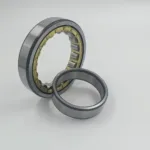
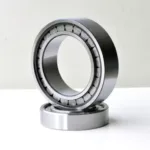
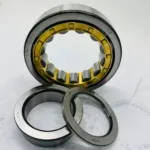
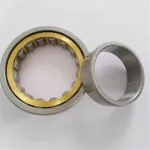
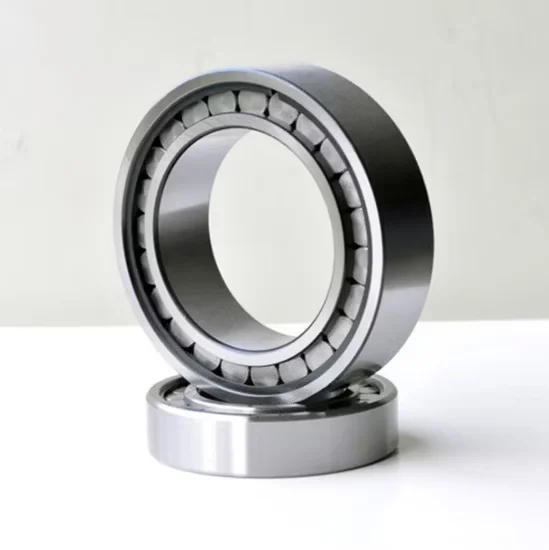
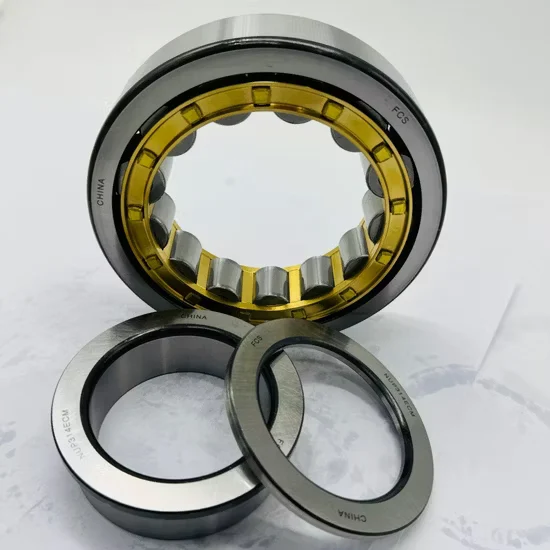
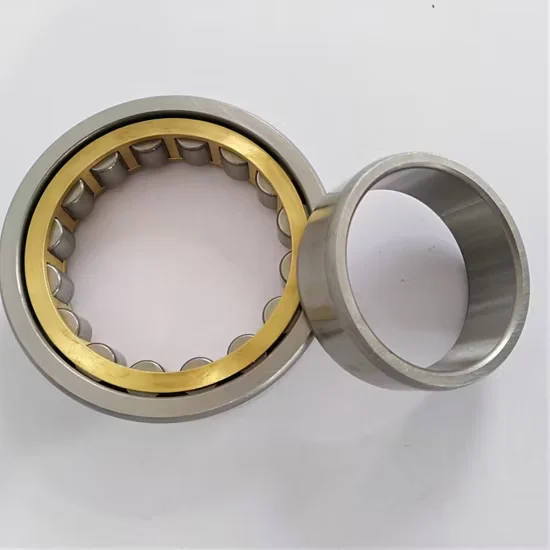
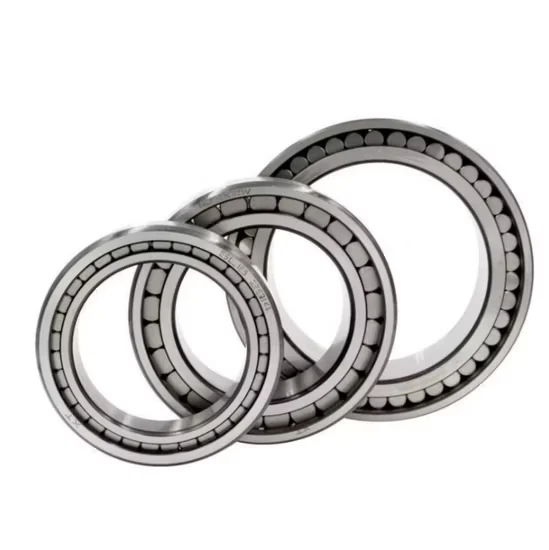
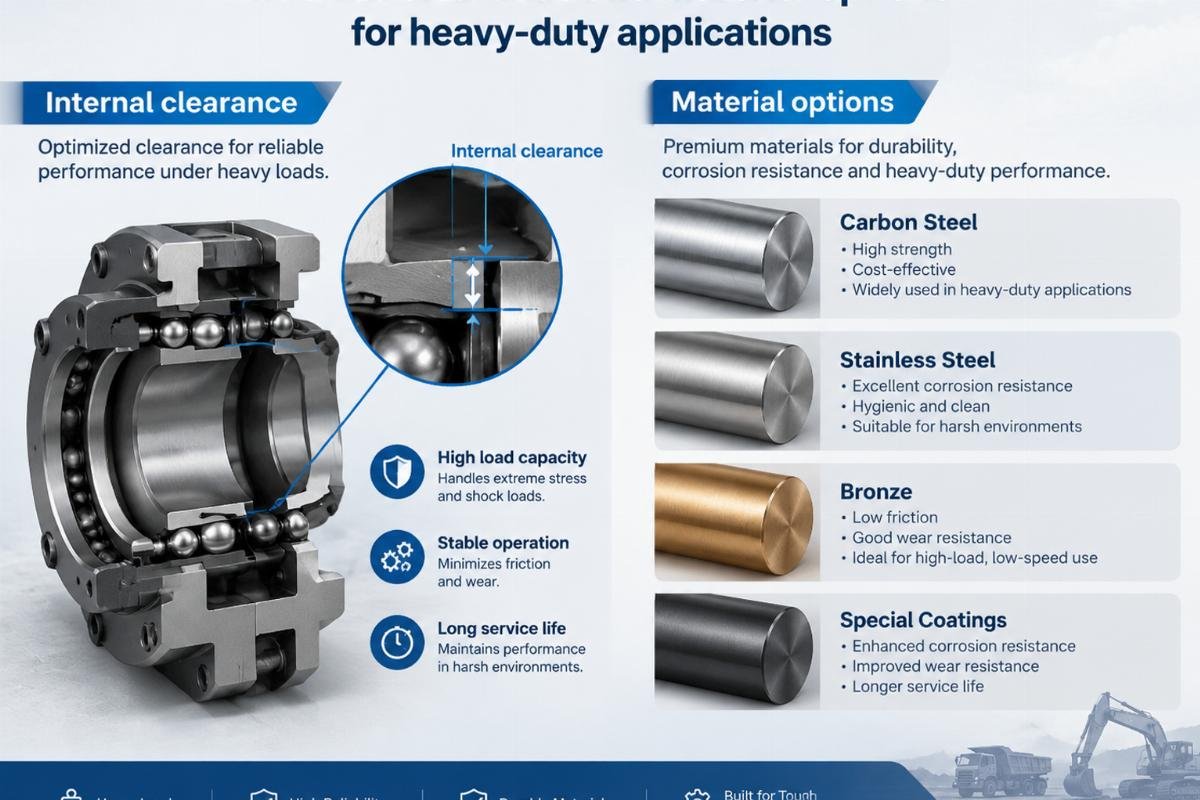
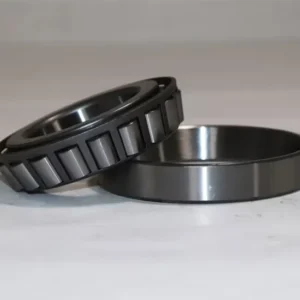
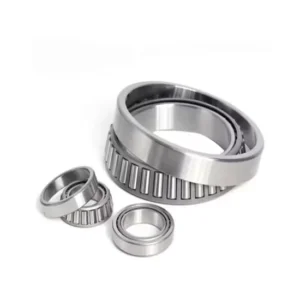
Nu219 Cylindrical Roller Bearing features premium Chrome Steel Gcr15 and 100cr6 construction specifically designed for heavy-duty gearboxes, traction motors, and agricultural machinery applications.
Non-aligning single or double-row configurations effectively handle high radial loads within rigid industrial housings.
Customization options are available to meet specific operational requirements.
Verify product authenticity and batch traceability via official brand app QR scanning channels upon delivery.
Input and output shafts in industrial reduction units
Rolling Mills
Work roll and backup roll necks in metal forming equipment
Why Standard Cages Fail in the Nu219 Cylindrical Roller Bearing
Pressed steel cages shatter under heavy shock loads when contaminated by field dust.
When harvesting equipment operates in high-dust environments, abrasive particles inevitably infiltrate the housing and severely degrade the lubrication film. Under these extreme conditions, a standard pressed steel cage lacks the necessary structural rigidity to maintain precise roller spacing, leading to sudden cage fracture and catastrophic equipment downtime. Upgrading to a machined brass cage prevents this premature failure mode by providing superior guidance and wear resistance [NEED_CITE: rolling bearing failure mode classification per ISO 15243]. Field mechanics frequently observe that ignoring this material distinction results in repeated seasonal breakdowns. The financial impact of a single seized threshing drum far outweighs the marginal cost of specifying a heavier cage design from the outset.
Matching the Nu219 Cylindrical Roller Bearing to Demanding Field Conditions
Agricultural drivetrains require robust components that tolerate heavy radial forces and minor shaft misalignments during continuous operation. Sourcing a reliable Nu219 cylindrical roller bearing involves much more than just matching basic outer dimensions; it requires carefully verifying the internal clearance and cage material against the specific shock-load profile of the combine harvester. Our technical team provides comprehensive cross-brand equivalent model consultation to ensure the selected configuration survives the entire harvest season without unexpected breakdowns. Proper alignment between the component specifications and the actual field conditions is the only way to guarantee operational readiness.
Operational Challenges and Performance Requirements in Farm Equipment
Farm machinery operates continuously under extreme radial loads combined with heavy shock impacts transmitted from uneven terrain. The abundant dust and crop debris in the field constantly threaten to contaminate the lubricant, accelerating abrasive wear on the rolling elements and raceways. Effective sealing arrangements and frequent relubrication cycles are absolutely critical to flush out these destructive particles before they cause surface scoring. Furthermore, significant temperature fluctuations during long operating hours dictate the need for appropriate internal clearance to accommodate thermal expansion without inducing excessive preload on the rollers [NEED_CITE: impact of agricultural dust on bearing service life].
Decoding the Core Engineering of the NU Series Design
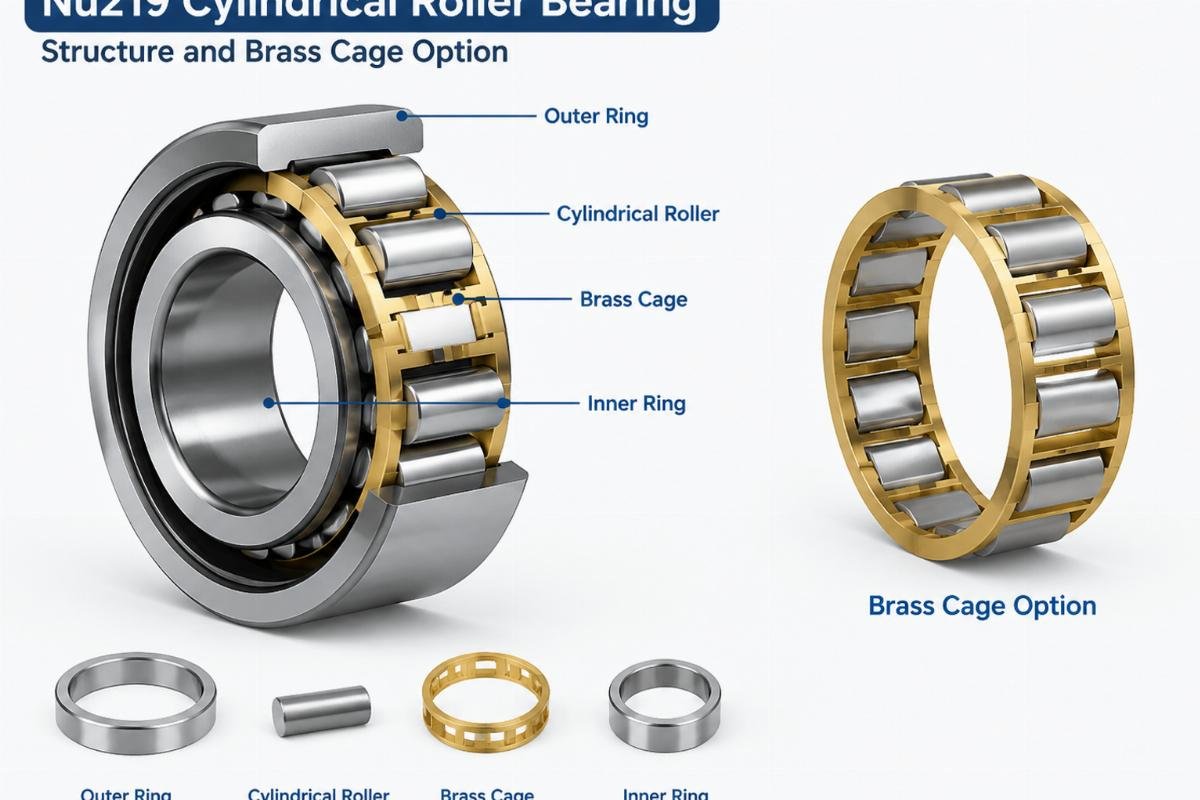
The NU designation indicates that the outer ring has two integral ribs while the inner ring has none, allowing the bearing to accommodate axial displacement in both directions. This specific design is essential for long shafts that expand thermally during prolonged operation in heavy-duty gearboxes or agricultural drivelines. For the Nu219, selecting a machined brass cage instead of a pressed steel variant provides superior durability under heavy loads and high vibration environments. The non-aligning configuration demands precise housing alignment to prevent edge loading on the rollers, ensuring optimal load distribution across the entire contact area and maximizing fatigue life.
The Hidden Costs of Incorrect Cage Selection
Choosing an inadequate cage material for high-load agricultural applications inevitably leads to unplanned downtime and severe secondary damage to surrounding components. When a weak cage fractures under shock loading, the rollers skew and jam, destroying the raceways and potentially seizing the entire gearbox assembly. This catastrophic failure mode voids equipment warranties and incurs massive repair expenses that far exceed the initial component cost. Adhering to ISO 281 guidelines for dynamic load calculations helps prevent these costly oversights during the initial specification phase [NEED_CITE: ISO 281 dynamic load rating calculation methods].
Securing Reliable Supply for Critical Drivetrain Components
Sourcing genuine components for mixed-brand equipment fleets requires strict verification of material test certificates and comprehensive traceability documentation. We maintain massive spot inventory covering thousands of standard part numbers, ensuring urgent maintenance requirements for harvesters are met without delaying the critical crop season. Our cross-reference technical support helps buyers identify exact equivalents when original equipment manufacturer parts face extended lead times. Every shipment includes comprehensive anti-counterfeit validation to guarantee the metallurgical integrity of the chrome steel races and rollers, protecting your machinery from substandard replacements. By consolidating mixed-size orders into single shipments, we reduce logistical friction for maintenance depots managing diverse agricultural fleets. This approach ensures that critical spares are always available when the harvest window is narrow and equipment uptime is non-negotiable.
Documentation & Authenticity
Material test certificates confirming Gcr15 or 100cr6 chrome steel compliance for the races.
Dimensional inspection reports verifying the non-aligning bore tolerances before dispatch.
Anti-counterfeit labels with QR codes for instant verification of the Nu219 origin.
Batch traceability records linking the specific cage material to the forging heat number.
Storage, Handling & Mounting
Store the Nu219 in its original sealed packaging to prevent dust ingress before agricultural assembly.
Use induction heating for the inner ring mounting to avoid damaging the chrome steel raceway.
Apply clean gloves during handling to prevent moisture corrosion on the exposed outer ring ribs.
Verify the housing alignment precision to prevent edge loading on the non-aligning cylindrical rollers.
Requesting Technical Validation for Your Application
To ensure the selected configuration perfectly matches your specific drivetrain requirements, please provide the exact radial and axial load profiles along with operating speeds. Sharing the original equipment manufacturer part numbers allows our engineering team to perform precise cross-reference verification and confirm dimensional interchangeability. Detailing the environmental exposure, such as dust concentration and relubrication intervals, enables us to recommend the optimal cage material and clearance class for your specific machinery setup.
Frequently Asked Questions
Q: How to choose between single-row and double-row cylindrical roller bearings?
A: Single-row designs like the standard NU series are ideal for accommodating axial shaft expansion in gearboxes, while double-row variants offer higher radial load capacity for rigid rolling mill applications. The choice depends on whether your primary design constraint is thermal shaft elongation or maximizing radial rigidity within a compact housing envelope. Always verify the specific load ratings for your exact configuration.
Q: What are the material advantages of Gcr15 and 100cr6 chrome steel in agricultural machinery?
A: Both Gcr15 and 100cr6 are high-carbon chromium bearing steels that provide exceptional hardness and wear resistance necessary for farm equipment. They maintain structural integrity under the heavy shock loads typical of harvesting operations. The deep hardening characteristics ensure the raceways resist surface fatigue and spalling, significantly extending service intervals in dusty, high-stress environments compared to standard carbon steels.
Q: How to verify the authenticity of KOYO, NTN, or NSK bearings via official apps?
A: Premium brands provide dedicated mobile applications featuring QR code scanners to validate the anti-counterfeit labels on the packaging. Scanning the unique batch code confirms the manufacturing origin and cross-references the production date with the manufacturer’s database. This digital verification ensures the internal metallurgical specifications match the official catalogs, protecting your equipment from substandard counterfeit components.
Q: What is the functional difference between NU, NJ, and N series cylindrical roller bearings?
A: The NU series features two ribs on the outer ring and none on the inner ring, allowing axial displacement in both directions. The NJ series has two outer ribs and one inner rib, supporting axial loads in one direction. The N series has two inner ribs and no outer ribs, also permitting axial displacement. Selecting the correct series is critical for managing thermal shaft expansion in your housing.
Shipping Information
EU Warehouse
3-7 working days (bonded stock)
Direct from China
Shanghai & Ningbo hubs (bulk / FCL)
Markets Served
DE · IT · PL · ES · NL · FR · EU+
Incoterms
DDP / DAP available on request
Minimum Order
Contact us for MOQ details
Documents Included with Every Shipment
EN and ISO Quality Certificates
Batch traceability and manufacturing standard
Material & Heat-Treatment Reports
Full material composition and process records
CE Declaration of Conformity
For bearing units and motion products
RoHS Compliance Declaration
Restriction of hazardous substances
EUR.1 Movement Certificate
Preferential origin for EU customs
Certificate of Origin
Country of manufacture documentation
Correct HS Codes
Pre-classified for smooth customs clearance
Commercial Invoice & Packing List
VAT-compliant intra-EU invoicing
Transparent Landed Cost with Tax Explanation
SKFEU provides full price transparency so EU buyers know exactly what they pay. No hidden duties, no surprise charges at customs.
VAT-Compliant Invoicing
All intra-EU transactions are invoiced with correct VAT treatment. B2B buyers with valid EU VAT numbers receive zero-rated invoices where applicable.
No Unexpected Import Duties
Goods shipped from our EU bonded warehouse arrive as intra-EU movements -- no import duties, no customs delays for EU-based buyers.
EUR.1 & Origin Docs Ready
For shipments direct from China, EUR.1 movement certificates and certificates of origin are prepared in advance to minimise customs clearance time.
DDP Pricing Available
Ask for Delivered Duty Paid quotations -- we absorb all import costs so your landed cost is fixed and predictable from day one.
Need a landed cost breakdown? Contact Sofia at
sofia@skfeu.com
or via WhatsApp for a full DDP quotation including freight, duties and VAT for your country.
Send Inquiry
Request Pricing & Availability
Share your requirements and Sofia will respond within one working day with pricing, lead time and full documentation details.