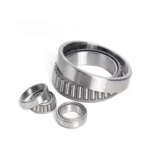
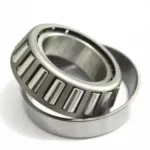
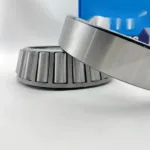
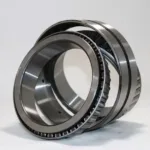
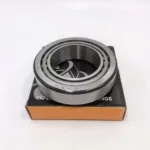
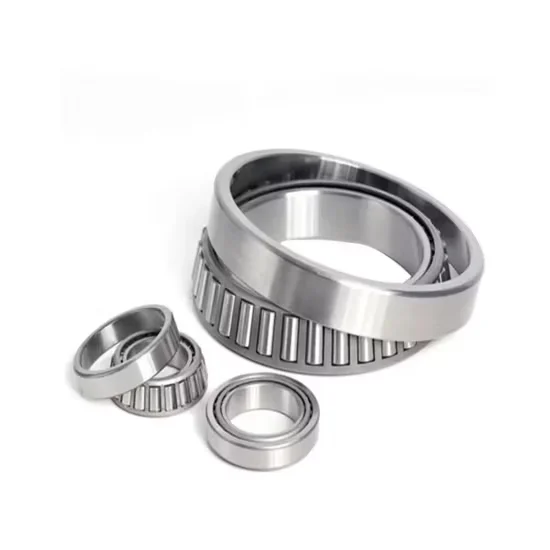
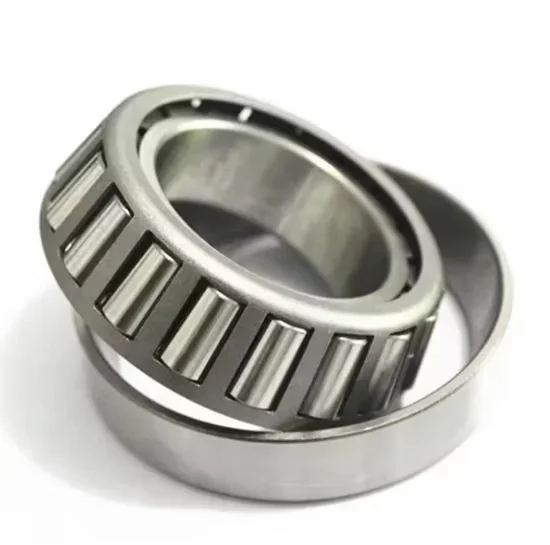
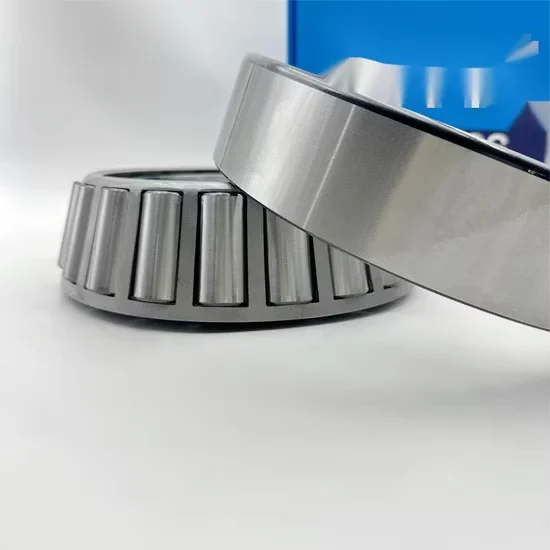
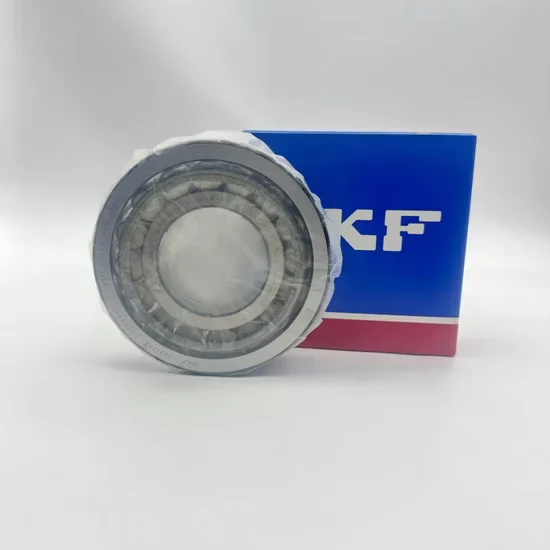
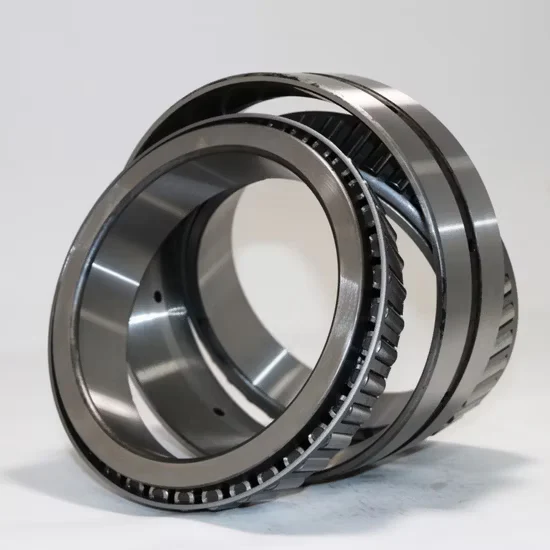
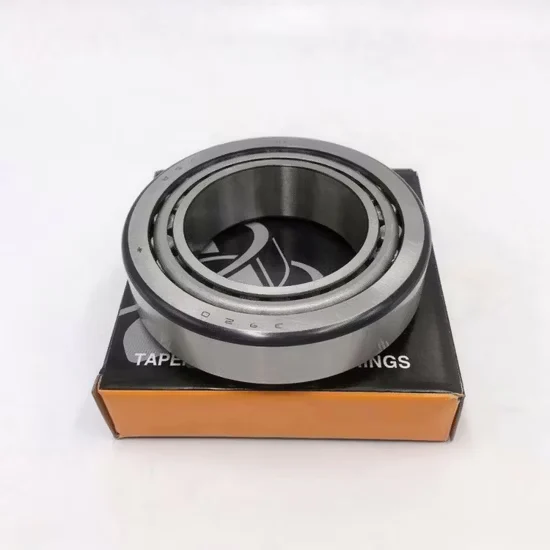
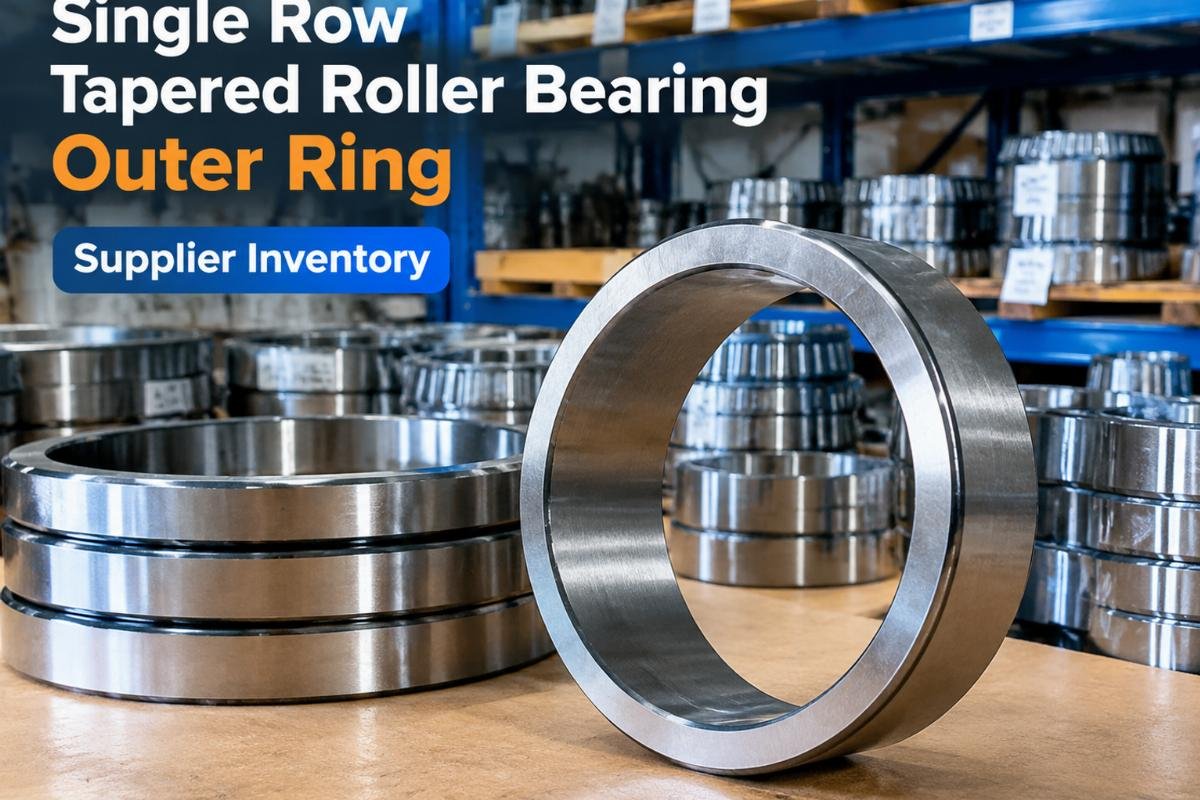
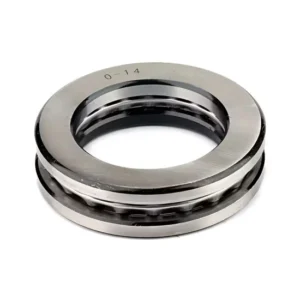
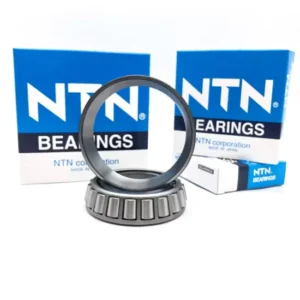
Single Row Tapered Roller Bearing Outer Ring for Automotive and Industrial Use
Tapered Roller Bearing Outer Ring — chrome steel construction with P0 precision and open sealing for heavy-duty applications.
Single row design effectively handles combined radial and axial loads in automotive wheel hubs.
Open type allows customized lubrication strategies for industrial gearboxes and mining machinery.
Every order provides complete original batch traceability records to ensure verified component authenticity.
Mixed-Brand Sourcing — Consolidate KOYO, NTN, and NSK outer rings into a single shipment without juggling multiple vendors.
Technical Specifications
Parameter
Value
Product Type
Tapered Roller Bearing
Number of Rows
Single Row
Precision Class
P0
Material
Chrome Steel
Seal or Shield Type
Open
Origin
Shandong, China
Application Suitability
Industry
Typical Applications
Automotive
Wheel hub assemblies and heavy-duty truck axles
Industrial
Gearbox shaft supports and reducer housings
Mining
Excavator swing mechanisms and crusher drive shafts
Marine
Propulsion drive couplings and winch drums
Why Field Mechanics Ruin Parts From Any Tapered Roller Bearing Outer Ring Supplier During Installation
Direct impact on the outer ring face transfers shockwaves that initiate micro-cracks in the raceway.
I have seen this exact scenario at a Chilean copper mine, where maintenance crews used sledgehammers to force the outer cup into the housing. The resulting subsurface fractures caused spalling and seizure long before the expected service interval. Understanding the structural vulnerability of the cup is far more critical than simply moving inventory, as field abuse completely negates the engineered fatigue life [NEED_CITE: rolling bearing failure mode classification per ISO 15243].
Matching Open-Type Configurations to Heavy-Duty Environments
When sourcing from a reliable tapered roller bearing outer ring supplier, the open seal design allows maintenance teams to apply site-specific lubricants directly to the rolling contact zones. This flexibility is critical for mining and construction machinery exposed to heavy particulate contamination, ensuring the single row configuration handles combined radial and axial loads effectively without trapping abrasive debris inside the assembly.
Managing Shock Loads and Contamination in Drivetrains
Automotive wheel hubs and industrial gearboxes subject these components to severe shock loads and reversing axial forces during daily operation. The open sealing type demands rigorous external lubrication schedules to prevent abrasive wear from ingress particles that easily bypass standard housing seals. Furthermore, thermal expansion in continuous-duty reducers requires careful clearance management during the initial cup seating to avoid preload loss [NEED_CITE: thermal expansion effects on bearing clearance]. Proper installation tools must always be used to avoid distorting the chrome steel structure under heavy press fits.
Decoding Material Options and Precision Tolerances
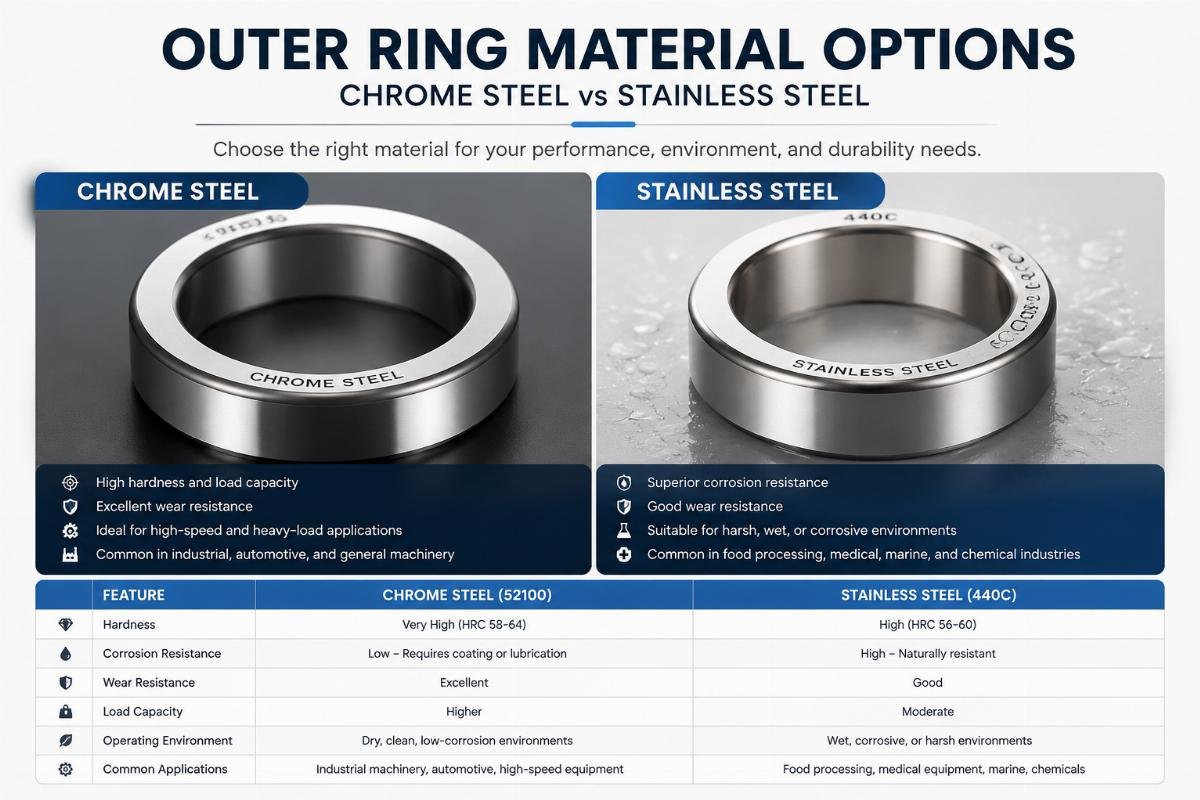
For this application, components are available in chrome steel or stainless steel variants depending on the corrosion exposure of the specific drivetrain environment. The P0 precision class meets standard industrial operational requirements for gearboxes and truck axles where ultra-high speed is not the primary engineering concern. Selecting the right material option ensures adequate wear resistance against the rolling elements while maintaining dimensional stability. The single row arrangement inherently manages combined loads, but the outer ring must be perfectly matched to the inner cone assembly. Verifying the exact OEM dimensional compatibility prevents misalignment and premature edge loading that destroys the raceway geometry.
The Downtime Penalty of Mismatched Cup and Cone Assemblies
Installing an incompatible outer ring leads to catastrophic damage to the roller paths and unplanned downtime for the entire production line. According to ISO 281 framework principles, improper load distribution drastically reduces the calculated fatigue life of the assembly. Warranty voidance is almost guaranteed when failure analysis reveals incorrect dimensional pairing or unauthorized modifications. Such premature failure forces emergency air-freight replacements, severely impacting operational budgets and delaying critical project milestones [NEED_CITE: economic impact of unplanned equipment downtime].
Securing Traceable Replacements for Mixed Fleets
We provide complete traceability documentation for every KOYO, NTN, or NSK component, ensuring you receive genuine parts with verified metallurgical properties. Our cross-brand equivalent model consultation helps you find the exact outer ring match when the original OEM part is discontinued or faces extended lead times. We maintain massive spot inventory covering thousands of standard part numbers, allowing flexible MOQ from single-unit emergency spares to full container consolidation shipments. Our technical selection support guides your team through the exact dimensional verification needed for these open-type assemblies, preventing costly installation errors.
Documentation & Authenticity
Certificate of Conformity verifying the genuine origin of KOYO and NSK branded cups.
Original factory batch traceability records linking the chrome steel material to specific heat treatments.
Dimensional inspection reports confirming P0 precision tolerances before dispatch.
Material certification detailing the metallurgical composition of the single row components.
Storage, Handling & Mounting
Keep the open-type components in their original anti-corrosion packaging until the exact moment of assembly.
Use induction heaters for the inner cone, but never apply direct heat to the outer ring to avoid altering the chrome steel microstructure.
Wear clean lint-free gloves when handling the P0 precision raceways to prevent moisture-induced etching.
Utilize proper drift tubes that contact only the outer ring face during housing installation to prevent raceway micro-cracks.
Engineering Data Required for Exact Model Determination
To ensure exact dimensional compatibility, please provide the original equipment model number and the specific housing bore tolerances. Share the operational radial and axial load profiles along with the operating temperature range so our engineering team can determine the precise single row configuration. Detailing the environmental exposure will help us recommend the most suitable material variant for your application.
Frequently Asked Questions
Q: How to determine the correct tapered roller bearing outer ring based on equipment parameters?
A: Determining the exact match requires the original equipment manufacturer part number, housing bore dimensions, and the specific inner cone assembly identifier. Provide the operational load conditions and rotational speeds, allowing our engineering team to cross-reference the dimensional specifications and confirm the precise single row configuration needed for your drivetrain.
Q: What are the common failure modes in heavy-duty applications?
A: In mining and construction machinery, common failure modes include raceway spalling, roller skidding, and edge loading caused by misalignment. Contamination ingress through the open seal design accelerates abrasive wear if lubrication intervals are neglected. Improper installation techniques, such as hammering the cup face, also initiate subsurface fractures leading to premature seizure.
Q: How to choose the right lubrication strategy for open-type configurations?
A: Open-type designs require site-specific lubrication protocols adapted to the operating environment. For industrial gearboxes, circulating oil systems provide continuous cooling and particle filtration. In automotive wheel hubs exposed to heavy contamination, high-viscosity grease with extreme pressure additives and durable sealing barriers must be applied at regular intervals to protect the chrome steel raceways.
Q: How to source reliable replacements when the original part is discontinued?
A: When an original component is obsolete, our cross-brand equivalent model consultation identifies dimensionally identical alternatives from premium global brands. We verify the exact outer diameter, face width, and contact angle to ensure perfect interchangeability. This technical selection support prevents misalignment and maintains the designed load capacity of the single row assembly.
Q: What are the material selection considerations for these components?
A: Material selection depends heavily on the operational environment and corrosion exposure. Standard chrome steel variants offer excellent wear resistance and load capacity for typical automotive and industrial gearboxes. For marine drives or highly corrosive mining environments, stainless steel options provide substantially higher corrosion resistance, ensuring the raceway integrity is maintained despite moisture exposure.
Shipping Information
EU Warehouse
3-7 working days (bonded stock)
Direct from China
Shanghai & Ningbo hubs (bulk / FCL)
Markets Served
DE · IT · PL · ES · NL · FR · EU+
Incoterms
DDP / DAP available on request
Minimum Order
Contact us for MOQ details
Documents Included with Every Shipment
EN and ISO Quality Certificates
Batch traceability and manufacturing standard
Material & Heat-Treatment Reports
Full material composition and process records
CE Declaration of Conformity
For bearing units and motion products
RoHS Compliance Declaration
Restriction of hazardous substances
EUR.1 Movement Certificate
Preferential origin for EU customs
Certificate of Origin
Country of manufacture documentation
Correct HS Codes
Pre-classified for smooth customs clearance
Commercial Invoice & Packing List
VAT-compliant intra-EU invoicing
Transparent Landed Cost with Tax Explanation
SKFEU provides full price transparency so EU buyers know exactly what they pay. No hidden duties, no surprise charges at customs.
VAT-Compliant Invoicing
All intra-EU transactions are invoiced with correct VAT treatment. B2B buyers with valid EU VAT numbers receive zero-rated invoices where applicable.
No Unexpected Import Duties
Goods shipped from our EU bonded warehouse arrive as intra-EU movements -- no import duties, no customs delays for EU-based buyers.
EUR.1 & Origin Docs Ready
For shipments direct from China, EUR.1 movement certificates and certificates of origin are prepared in advance to minimise customs clearance time.
DDP Pricing Available
Ask for Delivered Duty Paid quotations -- we absorb all import costs so your landed cost is fixed and predictable from day one.
Need a landed cost breakdown? Contact Sofia at
sofia@skfeu.com
or via WhatsApp for a full DDP quotation including freight, duties and VAT for your country.
Send Inquiry
Request Pricing & Availability
Share your requirements and Sofia will respond within one working day with pricing, lead time and full documentation details.