Hgr30 Linear Guide Rail with HGH30ca/Hgw30cc Slider for CNC Automation [WARN] draft identifier mismatch
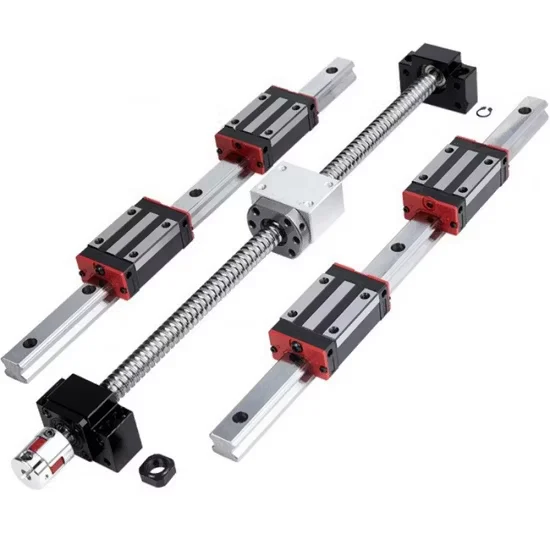
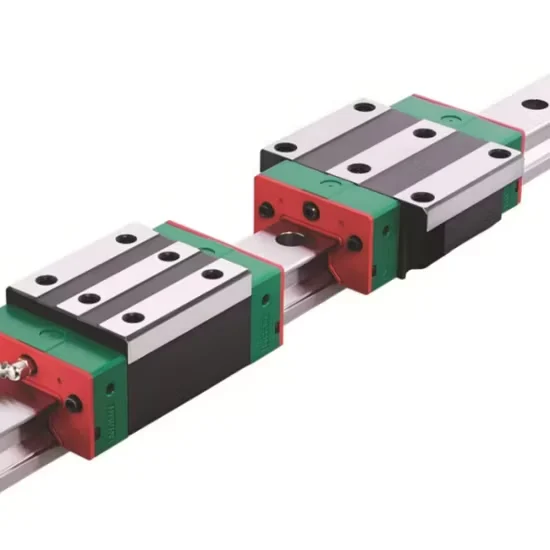
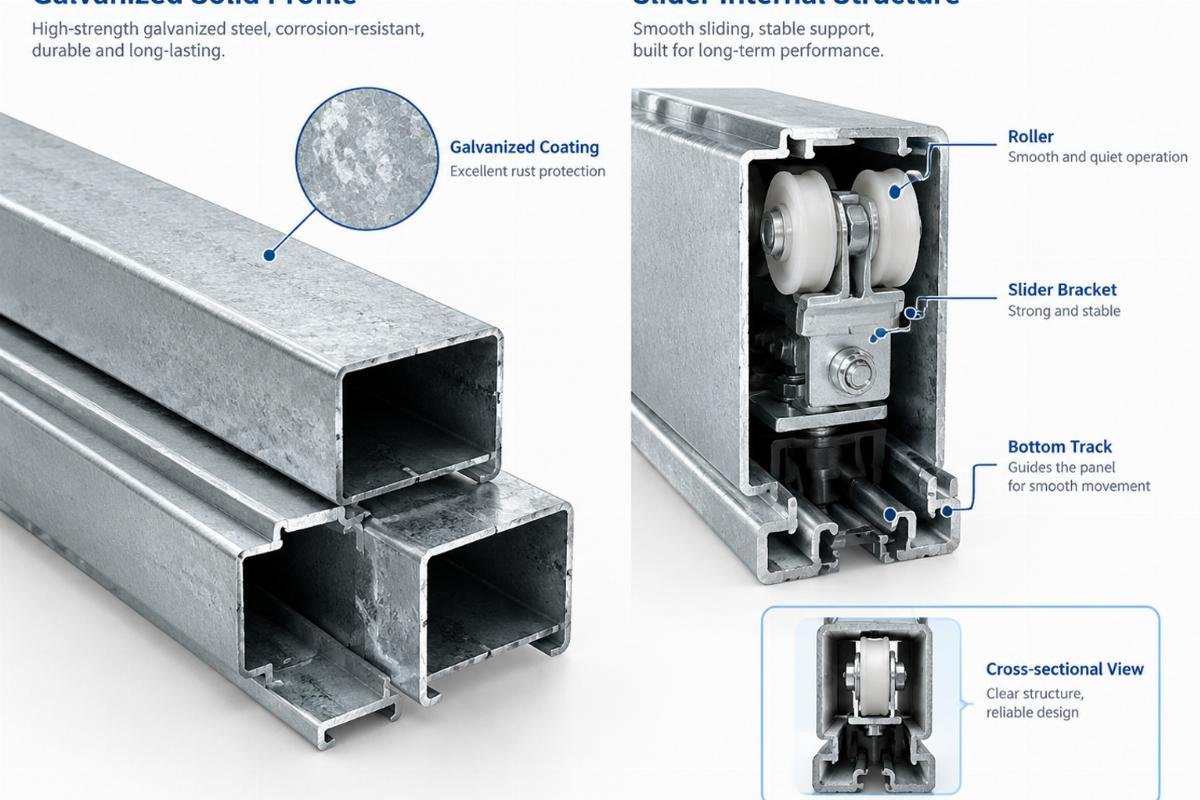
Hgr30 / HGH30ca/Hgw30cc Linear Guide Rail — Gcr15 bearing steel construction with galvanized surface treatment delivers high corrosion resistance for demanding linear motion environments.
Solid profile design supports custom rail lengths from 100 mm to 4000 mm
Low-noise, smooth operation optimized for CNC machinery and precision automation equipment
CE and ISO 9001:2000 compliant with full material traceability reports and dimensional inspection documentation included per shipment
Traceable Batch Origins — Every Hgr30 / HGH30ca/Hgw30cc shipment includes mill certificates linking the Gcr15 steel heat number to the final galvanized profile.
Technical Specifications
Parameter
Value
Designation
Hgr30 / HGH30ca/Hgw30cc
Product Type
Linear Guide Rail
Material
Gcr15 bearing steel
Surface Treatment
Galvanized
Profile Type
Solid Profile
Support Rail Length
100-4000mm (Custom Length)
Corrosion Resistance
High Corrosion Resistance
Performance
Low Noise, Very Smooth & Long Life
Certification
CE, EPA, ISO 9001:2000, RoHS
Origin
Shandong, China
Note: ca and cc are unverified suffixes — requires manufacturer catalog confirmation.
Application Suitability
Industry
Typical Applications
Machine Tools
CNC spindle positioning and tool changer mechanisms
Robotics
Cartesian robot gantry axes and pick-and-place arms
Precision Equipment
Optical inspection stages and coordinate measuring machines
Automation Equipment
Automated assembly lines and laser cutting gantries
Why Dust Ingress Destroys the Hgr30 HGH30ca/Hgw30cc linear guide rail Before Load Fatigue
Contamination kills linear motion systems long before the steel reaches its fatigue limit.
In my early years doing failure analysis in Shandong, I saw countless woodworking machines seize up because standard sliders lacked proper dust seals. When fine particulate matter breaches the carriage, it acts as lapping paste on the raceways. Sourcing a Hgr30 HGH30ca/Hgw30cc linear guide rail without verifying the seal compatibility for your specific environment guarantees premature replacement cycles. [NEED_CITE: linear guide contamination failure modes]
Matching the Hgr30 HGH30ca/Hgw30cc linear guide rail to Automation Demands
When building CNC automation, the rigidity of the solid profile directly dictates machining accuracy. We supply the Hgr30 HGH30ca/Hgw30cc linear guide rail with verified Gcr15 material to handle the dynamic cutting forces. Our sourcing network ensures you get matched sets where the rail straightness and slider preload are verified before dispatch, eliminating field alignment headaches.
Environmental and Kinematic Stresses in Linear Motion
Linear transmission equipment faces a brutal combination of radial cutting loads and moment forces during rapid traverses. If the galvanized surface treatment is compromised, humidity in the shop floor initiates micro-pitting on the raceways. Furthermore, high-speed movements demand low-noise operation, meaning the internal rolling elements must maintain precise contact geometry. Inadequate lubrication intervals in dusty environments will rapidly degrade the smooth performance, leading to increased friction and thermal expansion that alters the preload. [NEED_CITE: impact of lubrication starvation on linear guides]
Decoding the Profile and Slider Geometry
The Gcr15 bearing steel provides the necessary core hardness for the solid profile, ensuring the raceways resist brinelling under heavy static loads. The galvanized surface treatment offers high corrosion resistance, which is critical when coolants or humid air surround the machine frame. While the standard support rail length covers up to 4000mm, custom cutting requires strict end-face machining to maintain continuous alignment. The slider suffixes indicate specific flange dimensions and load capacities that must be cross-checked against your carriage mounting holes to prevent binding. While Gcr15 is the default, we can source stainless steel variants for highly corrosive applications.
The Compounding Cost of Ignored Dimensional Tolerances
Selecting a generic profile without verifying the straightness and parallelism tolerances leads to uneven load distribution across the sliders. This localized overloading causes premature spalling, resulting in unplanned downtime that halts the entire production line. According to ISO 15243 frameworks, surface distress from misalignment is a primary failure mode that voids equipment warranties and forces catastrophic damage to the driven ball screws. [NEED_CITE: ISO 15243 surface distress classification]
Securing Traceability and Cross-Reference Accuracy
Sourcing linear motion components often involves mismatched batches that cause binding during assembly. We provide complete traceability documentation for the Gcr15 steel, ensuring every rail and slider set originates from the same production run. Our engineering team actively consults on cross-reference compatibility, verifying if Egh, Egw, HGH, Hgw, Mgn, or Mgw equivalents fit your existing mounts. We handle mixed-brand consolidation, delivering the exact Hgr30 / HGH30ca/Hgw30cc configuration with verified dimensional inspection reports.
Documentation & Authenticity
Mill heat certificates tracing the Gcr15 steel origin for the solid profile.
Dimensional inspection reports confirming straightness across the custom 100-4000mm lengths.
ISO 9001:2000 compliance records verifying the galvanized surface treatment process.
Cross-reference equivalence logs validating Egh or HGH interchangeability limits.
Material test reports proving high corrosion resistance of the finished components.
Storage, Handling & Mounting
Store the galvanized rails horizontally on flat supports to prevent sagging over the 4000mm length.
Keep sliders in original packaging until mounting to protect the low-noise internal geometry from dust.
Use dedicated soft jaws when clamping the solid profile to avoid marring the galvanized surface.
Align the custom-cut rail joints using precision straightedges before final torqueing of the mounting bolts.
Apply recommended lithium-based grease to the unsealed slider ends if operating in high-particulate environments.
Engineering Data Required for Technical Validation
To finalize the selection, please provide the maximum radial and moment loads, along with the traverse speed and acceleration profiles. Share the environmental conditions, such as coolant exposure or dust levels, so we can recommend the appropriate seal upgrades for the sliders. Supplying your OEM equipment model numbers allows us to run precise cross-reference checks against Egh, Egw, or Mgn alternatives.
Frequently Asked Questions
Q: How do the slider suffix variations affect load calculations?
A: The suffix variations indicate specific flange shapes and mounting hole patterns that dictate the moment load capacity. You must consult the manufacturer catalog to confirm the exact dynamic and static load ratings. Using an incorrect flange variant can lead to binding or insufficient rigidity during high-speed CNC automation traverses.
Q: Can we interchange this system with Egh or Mgn equivalents?
A: While cross-referencing Egh, Egw, HGH, Hgw, Mgn, or Mgw models is possible, dimensional tolerances and ball groove geometries often differ. Direct swapping without verifying the rail profile height and slider mounting hole spacing risks misalignment. We provide cross-reference consultation to ensure the replacement fits your existing machine tool mounts perfectly.
Q: How does the galvanized treatment compare to other coatings?
A: The galvanized surface treatment provides high corrosion resistance suitable for general machine tools and automation equipment. Unlike black oxide or thin dense chrome, galvanization offers a sacrificial layer that protects the underlying Gcr15 steel from shop floor humidity. For highly aggressive coolant environments, we can discuss alternative stainless steel material options.
Q: What is the best practice for joining custom-length rails?
A: When ordering support rail lengths approaching the 4000mm maximum, precise end-face machining is critical. The joint must be ground perfectly square to maintain the solid profile continuity. During installation, use a precision straightedge across the joint and stagger the mounting bolt tightening sequence to prevent any vertical offset that would disrupt the smooth linear motion.
Shipping Information
EU Warehouse
3-7 working days (bonded stock)
Direct from China
Shanghai & Ningbo hubs (bulk / FCL)
Markets Served
DE · IT · PL · ES · NL · FR · EU+
Incoterms
DDP / DAP available on request
Minimum Order
Contact us for MOQ details
Documents Included with Every Shipment
EN and ISO Quality Certificates
Batch traceability and manufacturing standard
Material & Heat-Treatment Reports
Full material composition and process records
CE Declaration of Conformity
For bearing units and motion products
RoHS Compliance Declaration
Restriction of hazardous substances
EUR.1 Movement Certificate
Preferential origin for EU customs
Certificate of Origin
Country of manufacture documentation
Correct HS Codes
Pre-classified for smooth customs clearance
Commercial Invoice & Packing List
VAT-compliant intra-EU invoicing
Transparent Landed Cost with Tax Explanation
SKFEU provides full price transparency so EU buyers know exactly what they pay. No hidden duties, no surprise charges at customs.
VAT-Compliant Invoicing
All intra-EU transactions are invoiced with correct VAT treatment. B2B buyers with valid EU VAT numbers receive zero-rated invoices where applicable.
No Unexpected Import Duties
Goods shipped from our EU bonded warehouse arrive as intra-EU movements -- no import duties, no customs delays for EU-based buyers.
EUR.1 & Origin Docs Ready
For shipments direct from China, EUR.1 movement certificates and certificates of origin are prepared in advance to minimise customs clearance time.
DDP Pricing Available
Ask for Delivered Duty Paid quotations -- we absorb all import costs so your landed cost is fixed and predictable from day one.
Need a landed cost breakdown? Contact Sofia at
sofia@skfeu.com
or via WhatsApp for a full DDP quotation including freight, duties and VAT for your country.
Send Inquiry
Request Pricing & Availability
Share your requirements and Sofia will respond within one working day with pricing, lead time and full documentation details.