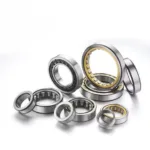
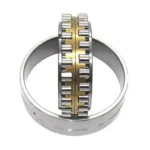
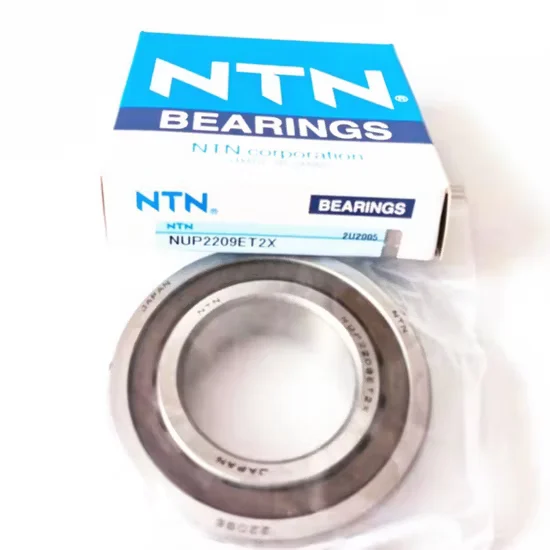
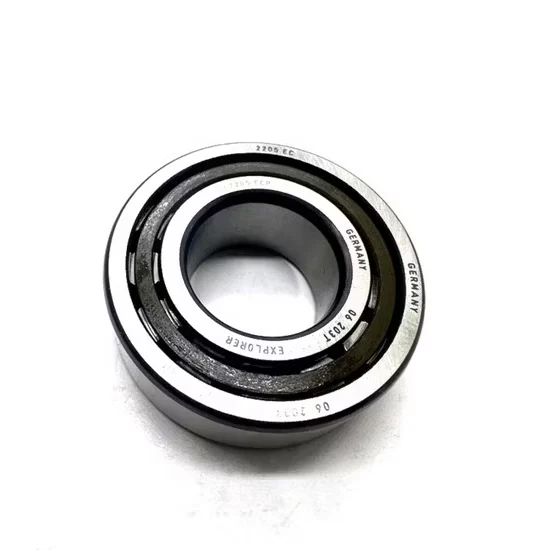
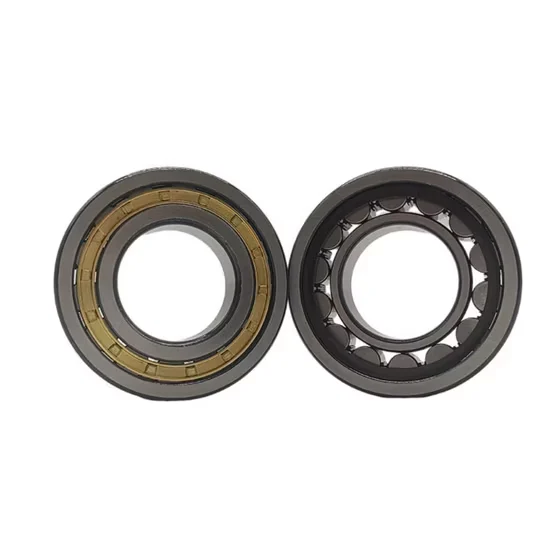
Hybrid Ceramic Cylindrical Roller Bearing High Speed Low Heat Generation
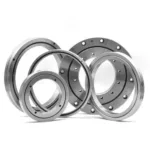
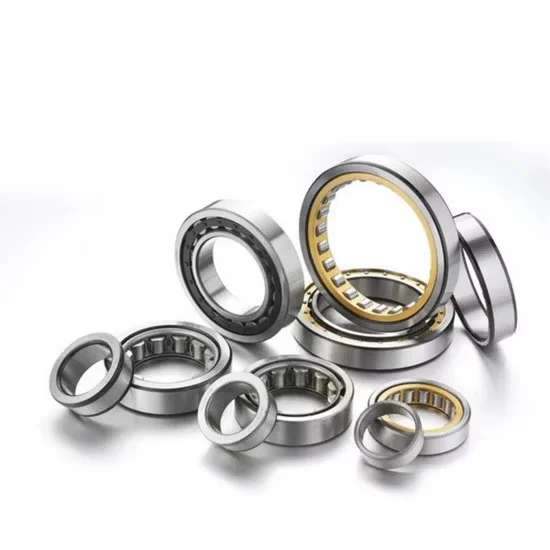
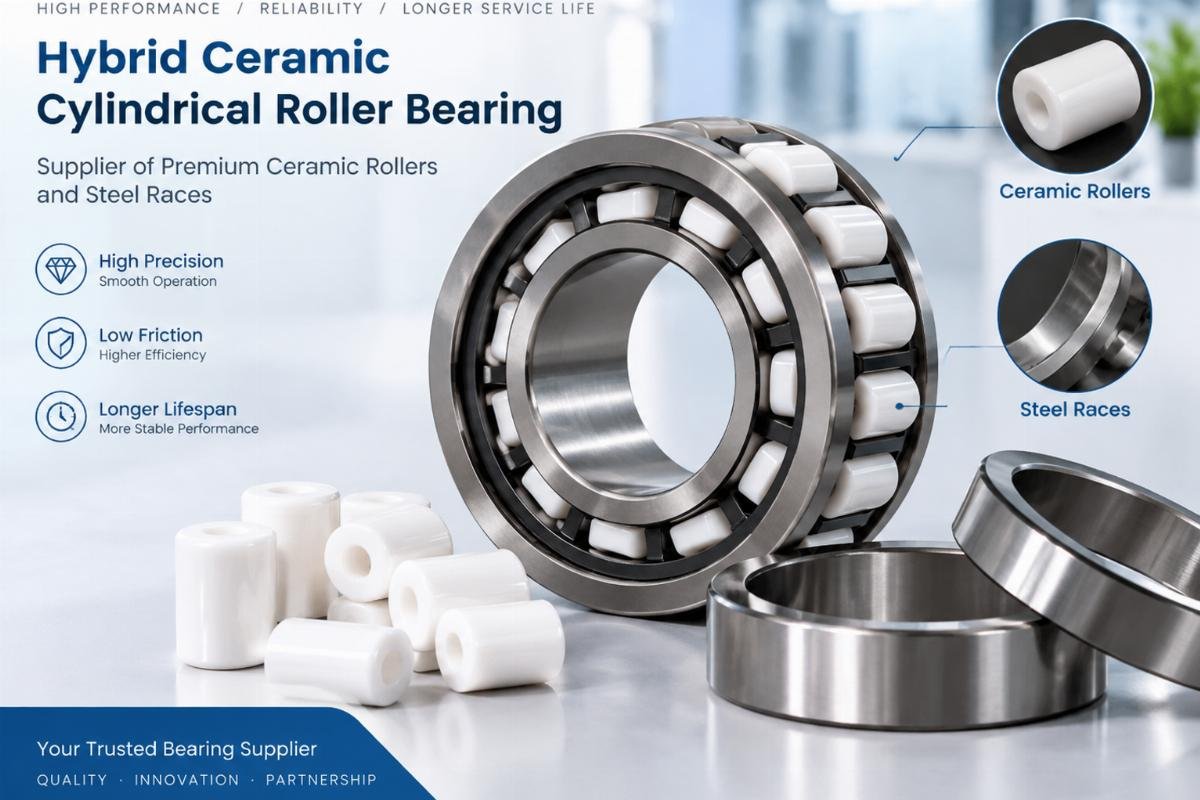
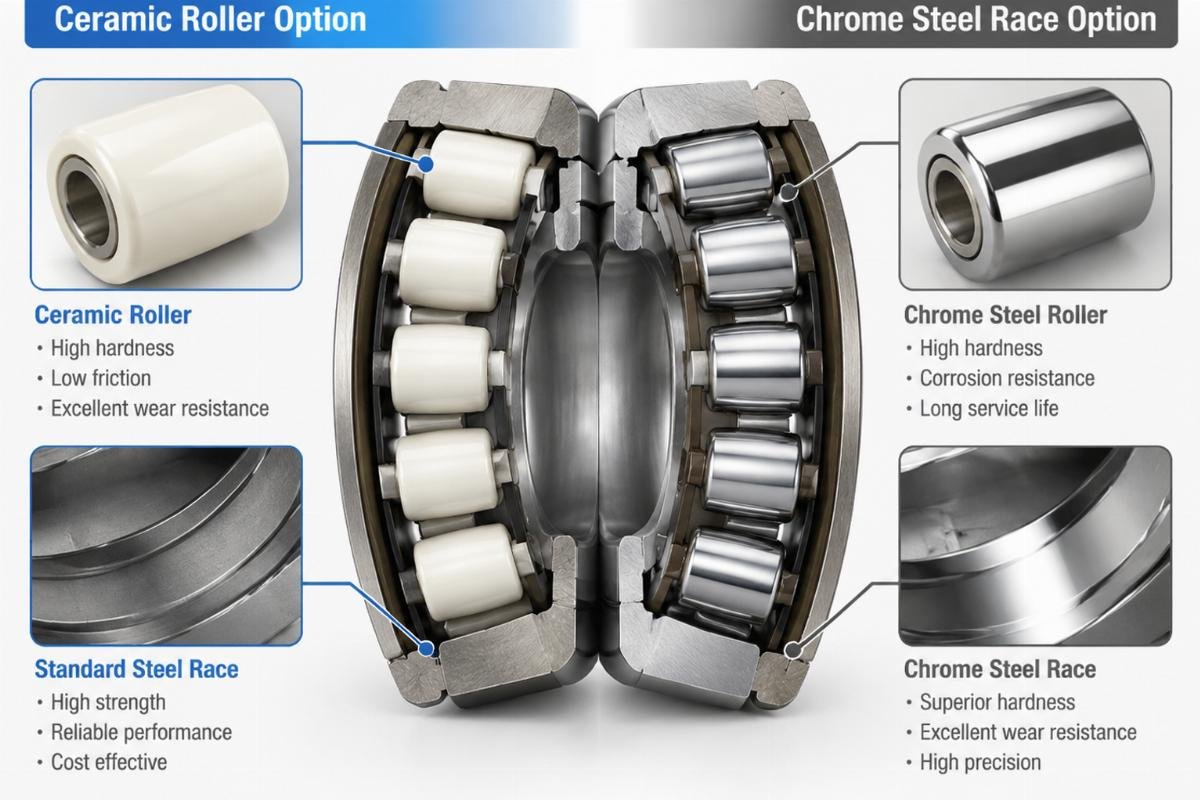
Hybrid Ceramic Cylindrical Roller Bearing for High-Speed Low-Heat Applications — ceramic rollers paired with Gcr15 chrome steel races minimize thermal buildup at elevated speeds.
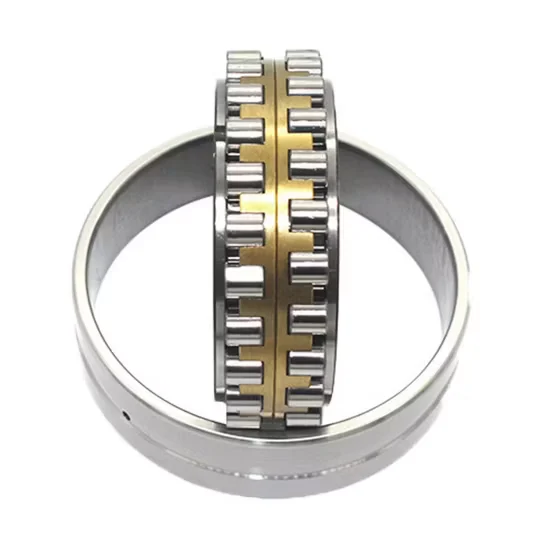
Single-row and double-row layouts available for varying radial loads
Non-aligning design ensures rigid shaft positioning
Full OEM/ODM customization accepted
Scan the official app QR code on each package for instant authenticity verification and complete material traceability.
Full Batch Traceability — Every shipment includes original mill certificates linking the ceramic rolling elements and Gcr15 races to their specific heat treatment batches.
Technical Specifications
Parameter
Value
Product Type
Cylindrical Roller Bearing
Material Options
Chrome Steel Gcr15 / 100cr6 races with ceramic rolling elements
Number of Rows
Single-Row / Double-Row configurations
Spherical
Non-Aligning Bearings
Rolling Body
Roller Bearings
Customization
OEM & ODM Custom dimensions accepted
Application Suitability
Industry
Typical Applications
Machine Tool Spindles
High-speed main shafts requiring low thermal expansion
Heavy-Duty Gearboxes
High radial load transmission in industrial reducers
Traction Motors
Electric drive systems demanding high RPM and electrical insulation
Rolling Mills
Work roll and backup roll necks in metal forming
High-Speed Pumps
Centrifugal impeller shafts operating at elevated rotational velocities
Why Standard Steel Fails in High-Speed Cylindrical Applications
Centrifugal forces on steel rollers generate excessive heat that standard lubrication cannot dissipate.
When paper machine dryers or traction motors push rotational limits, the density of traditional rolling elements creates severe friction. I witnessed this firsthand at a Brazilian paper mill where standard setups seized under high RPMs, halting the entire production line. Finding a reliable hybrid ceramic cylindrical roller bearing supplier becomes critical when thermal runaway threatens continuous production and equipment integrity [NEED_CITE: rolling bearing failure mode classification per ISO 15243].
Matching Material Properties to Extreme Rotational Demands
Upgrading to ceramic rolling elements drastically reduces rotating mass and gyroscopic friction. As an experienced hybrid ceramic cylindrical roller bearing supplier, we configure these assemblies to minimize friction in machine tool spindles and traction motors. The lower density of the ceramic components directly translates to cooler operating temperatures. This thermal advantage allows your equipment to maintain tight dimensional tolerances without thermal expansion compromising the machining accuracy or causing unexpected shaft displacement during continuous operations.
Managing Thermal and Load Challenges in Continuous Operations
High-speed applications subject the assembly to intense radial loads while simultaneously generating significant internal heat. This thermal buildup degrades standard grease rapidly, leading to lubrication starvation and severe surface smearing on the raceways. Furthermore, non-aligning designs demand precise shaft-to-housing geometry to prevent destructive edge loading on the rollers. Selecting the correct clearance class is vital to accommodate the differential thermal expansion between the ceramic rollers and the steel races during sustained high-RPM cycles [NEED_CITE: thermal expansion effects on bearing internal clearance per ISO 281].
Decoding Material Options and Configuration Choices
The choice between single-row and double-row arrangements depends entirely on your radial load capacity and axial displacement requirements. Our races are machined from Chrome Steel Gcr15 or 100cr6, providing proven fatigue resistance against heavy radial forces. The ceramic rolling elements are available in various grades to balance cost and extreme-speed performance. Non-aligning characteristics ensure rigid shaft positioning, which is non-negotiable for precision spindles. We also accommodate OEM and ODM custom requests to match specific housing constraints without compromising the structural integrity of the optimized roller profile.
The Downtime Penalty of Ignoring Thermal Dynamics
Specifying a full-steel alternative for high-RPM applications inevitably leads to premature cage wear, roller skidding, and raceway spalling. This unplanned downtime cascades into missed production targets and costly emergency freight for replacement components. Catastrophic damage to the shaft and housing often follows a high-speed seizure, completely voiding equipment warranties. Adhering to strict fatigue life calculation principles and thermal modeling prevents these compounding financial losses across your manufacturing facility [NEED_CITE: dynamic load rating and fatigue life assessment per ISO 281].
Securing Verified Components for Critical Machinery
Sourcing genuine mixed-material assemblies requires strict channel verification to avoid counterfeit ceramic grades that fail under load. We provide complete traceability documentation for every batch, ensuring the Gcr15 races meet exact metallurgical standards. Our engineering team offers cross-brand equivalent model consultation to replace obsolete OEM parts with optimized configurations. With massive spot inventory covering thousands of standard part numbers, we consolidate mixed-brand project orders efficiently. Furthermore, our long-term after-sales technical support includes detailed failure analysis to refine your future maintenance cycles.
Documentation & Authenticity
Original mill certificates verifying Gcr15 race heat treatment batches.
Material inspection reports confirming ceramic roller grade and density.
Dimensional inspection reports validating bore and OD tolerances.
Certificate of Conformity matching OEM and ODM custom drawings.
Storage, Handling & Mounting
Store single-row and double-row units in original packaging to prevent ceramic surface contamination.
Use clean gloves during mounting to avoid transferring moisture to Gcr15 races.
Apply induction heating strictly to the inner ring, avoiding direct heat on ceramic rollers.
Verify non-aligning housing geometry before pressing to prevent edge loading on rolling elements.
Engineering Review and Selection Guidance
To determine the exact configuration for your machinery, please provide the equipment model, available installation space, and specific radial load parameters. Detailing the operating environment allows our engineering team, acting as your dedicated hybrid ceramic cylindrical roller bearing supplier, to recommend the optimal clearance and ceramic grade. This technical review ensures the selected assembly aligns perfectly with your high-speed operational demands.
Frequently Asked Questions
Q: How do you determine the specific cylindrical roller bearing model for our equipment?
A: We analyze your equipment’s rotational speed, radial load magnitude, and operating temperature to calculate the required dynamic load rating. By evaluating the installation space and shaft deflection limits, our engineering team identifies the optimal single-row or double-row configuration. We then cross-reference these parameters with available ceramic grades to finalize the exact part number for your application.
Q: What are the material selection differences between hybrid ceramic and full steel options?
A: Full steel variants excel in heavy-load, low-to-medium speed environments where cost efficiency is prioritized. Hybrid configurations utilize ceramic rolling elements to significantly reduce rotating mass and friction heat, making them ideal for high-speed spindles and traction motors. The ceramic components also provide electrical insulation, preventing current pitting damage in electric drive systems where standard steel would quickly degrade.
Q: What are common failure modes in high-speed applications and how can we prevent them?
A: High-RPM operations frequently cause lubrication starvation, roller skidding, and thermal expansion-induced preload loss. Prevention requires selecting the correct internal clearance to accommodate differential expansion between the steel races and ceramic rollers. Additionally, specifying high-speed compatible lubrication and ensuring precise non-aligning housing geometry prevents edge loading, significantly extending the operational lifespan of the assembly under continuous rotational stress.
Q: How flexible are the customization and MOQ options for mixed-brand project orders?
A: We accommodate both single-unit emergency spare part requests and full container consolidation shipments for large-scale projects. Our OEM and ODM custom capabilities allow us to modify external dimensions or cage designs to fit unique housing constraints. This flexibility ensures you receive the exact material specifications and configurations required, regardless of the order volume or brand mix.
Shipping Information
EU Warehouse
3-7 working days (bonded stock)
Direct from China
Shanghai & Ningbo hubs (bulk / FCL)
Markets Served
DE · IT · PL · ES · NL · FR · EU+
Incoterms
DDP / DAP available on request
Minimum Order
Contact us for MOQ details
Documents Included with Every Shipment
EN and ISO Quality Certificates
Batch traceability and manufacturing standard
Material & Heat-Treatment Reports
Full material composition and process records
CE Declaration of Conformity
For bearing units and motion products
RoHS Compliance Declaration
Restriction of hazardous substances
EUR.1 Movement Certificate
Preferential origin for EU customs
Certificate of Origin
Country of manufacture documentation
Correct HS Codes
Pre-classified for smooth customs clearance
Commercial Invoice & Packing List
VAT-compliant intra-EU invoicing
Transparent Landed Cost with Tax Explanation
SKFEU provides full price transparency so EU buyers know exactly what they pay. No hidden duties, no surprise charges at customs.
VAT-Compliant Invoicing
All intra-EU transactions are invoiced with correct VAT treatment. B2B buyers with valid EU VAT numbers receive zero-rated invoices where applicable.
No Unexpected Import Duties
Goods shipped from our EU bonded warehouse arrive as intra-EU movements -- no import duties, no customs delays for EU-based buyers.
EUR.1 & Origin Docs Ready
For shipments direct from China, EUR.1 movement certificates and certificates of origin are prepared in advance to minimise customs clearance time.
DDP Pricing Available
Ask for Delivered Duty Paid quotations -- we absorb all import costs so your landed cost is fixed and predictable from day one.
Need a landed cost breakdown? Contact Sofia at
sofia@skfeu.com
or via WhatsApp for a full DDP quotation including freight, duties and VAT for your country.
Send Inquiry
Request Pricing & Availability
Share your requirements and Sofia will respond within one working day with pricing, lead time and full documentation details.