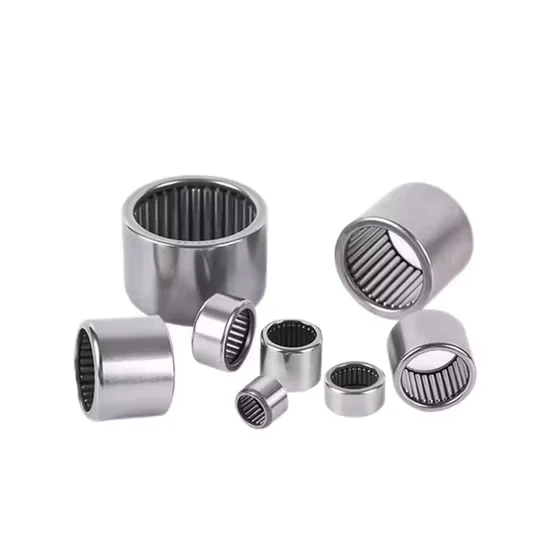
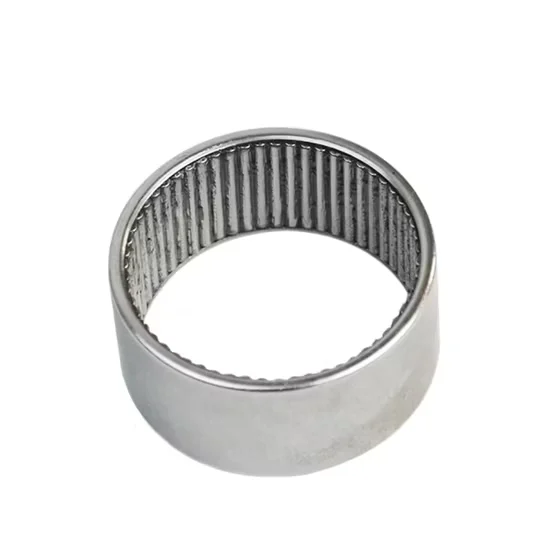
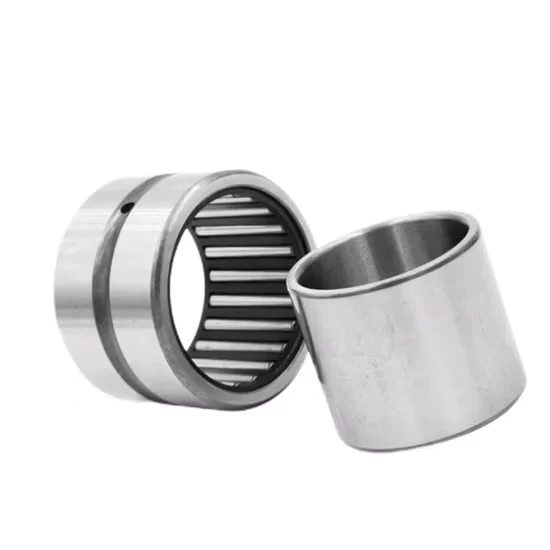
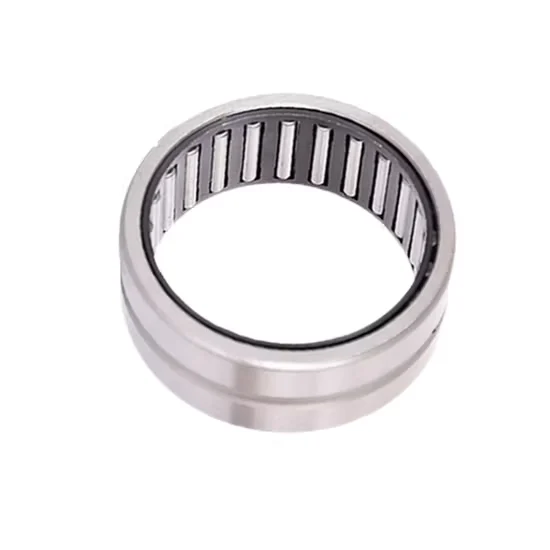
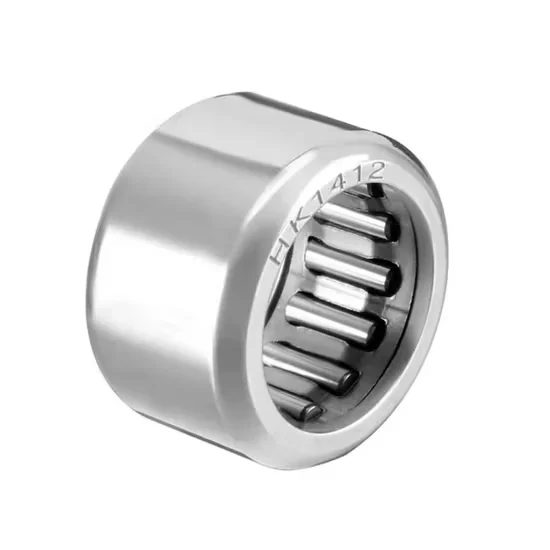
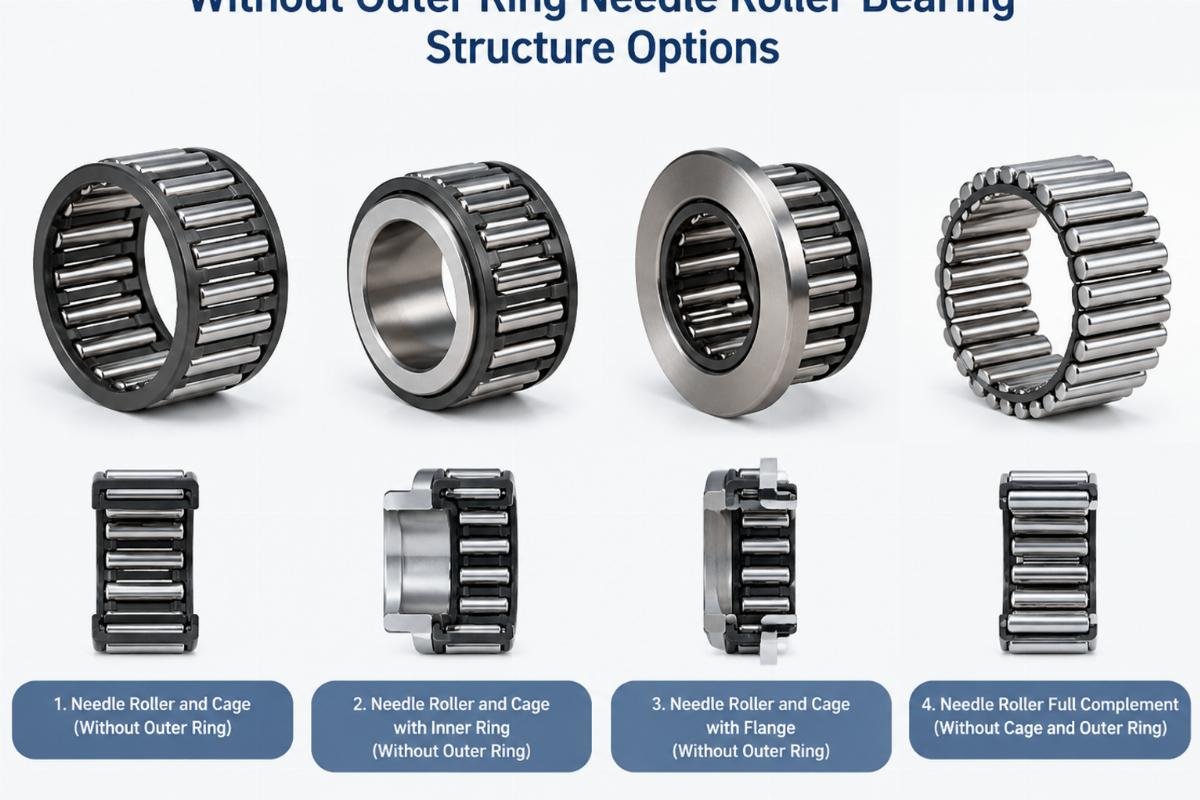
Hydraulic Pump Needle Roller Bearing — chrome steel construction without outer ring for compact housing and high-speed, low-noise operation in demanding hydraulic systems.
Delivers exceptional load capacity with a closed type design and available P0, P6, or P5 precision ratings.
Always verify cross-reference alignment for precision grade, load direction, and exact dimensions to ensure proper equipment fit.
Replies within 1 working day · Dedicated account manager
Specifications
Building MaterialChrome SteelGenuine BearingHydraulic PumpMachinery RepairNeedle Roller BearingWithout Outer Ring
Lead Time
3-7 working days
EU bonded warehouse · Fast-moving stock
Compliance
Full EU package
EN · ISO · CE · RoHS · EUR.1
Multi-Brand Sourcing Hub — Consolidate NTN, SKF, and domestic lines into a single mixed-brand shipment without juggling multiple vendors.
Technical Specifications
Parameter
Value
Product Type
Hydraulic Pump Needle Roller Bearing
Load Direction
Thrust Bearing
Style
Without Outer Ring
Material Options
Chrome steel or stainless steel variants
Type
Closed
Precision Rating Options
P0, P6, or P5
Feature
High Speed Low Noise
Origin
Shandong, China
Application Suitability
Industry
Typical Applications
Fluid Power Systems
High-pressure axial piston pump rotary groups
Construction Machinery
Excavator hydraulic pump drive mechanisms
Industrial MRO
Heavy-duty hydraulic power unit replacements
Why Your Hydraulic Pump Needle Roller Bearing Supplier Dictates System Survival
Traceability and exact application matching prevent catastrophic fluid power failures.
Sourcing replacement components for high-pressure fluid systems often involves enduring extended lead times and questionable channel authenticity. When maintenance teams compromise on procurement channels to save time, they risk introducing unverified parts that fail under extreme cyclic loading. The intense axial forces within piston pumps demand absolute metallurgical integrity. A reliable hydraulic pump needle roller bearing supplier eliminates this risk by providing fully documented, original equipment equivalents that withstand severe operational stresses and prevent secondary damage to precision valve plates [NEED_CITE: rolling bearing failure mode classification per ISO 15243].
Matching Component Geometry to Fluid Power Demands
The without outer ring style allows direct mounting on hardened shafts, minimizing the radial footprint inside compact pump housings. This compact design is crucial for high-density rotary groups where space is at a premium. By utilizing our cross-brand equivalent model consultation, maintenance engineers can rapidly identify the correct dimensional envelope. This ensures the selected thrust configuration aligns perfectly with the axial loads generated during high-pressure fluid displacement, maintaining structural rigidity under peak operating conditions.
Navigating Extreme Pressure and Thermal Cycles
Working on the heat treatment floor years ago, I witnessed how ignoring clearance differences in thrust configurations caused cages to fracture under thermal spikes. Fluid power environments subject internal components to intense axial thrust combined with rapid temperature fluctuations. These spikes alter internal geometry, making the initial precision rating critical for maintaining adequate lubricant film thickness. Proper lubrication intervals must be strictly adhered to, as boundary conditions quickly degrade rolling surfaces [NEED_CITE: lubrication film breakdown mechanisms in high-pressure hydraulics].
Evaluating Material and Precision Options
Selecting the appropriate material variant depends heavily on the specific fluid medium and operating environment. Chrome steel variants deliver exceptional load-bearing capacity for standard mineral oil applications, while stainless steel options are available for environments exposed to water-glycol fluids or corrosive additives. The choice between P0, P6, and P5 precision ratings dictates the running accuracy and noise levels during high-speed operation, directly influencing pump volumetric efficiency. Closed type designs help retain lubricants and exclude particulate contamination from the rolling zone, which is vital for maintaining long-term reliability in demanding MRO scenarios.
The Hidden Costs of Incorrect Application Matching
Installing an under-specified thrust component in a high-pressure rotary group inevitably leads to unplanned downtime and catastrophic damage to the surrounding housing. Premature failure often manifests as cage fracture or rolling element spalling when the load direction or precision class is mismatched with the actual operational profile. According to ISO 281 frameworks, ignoring the dynamic equivalent load calculations drastically reduces the calculated service life and compromises the entire hydraulic circuit. Such failures void equipment warranties and escalate repair costs far beyond the initial component price [NEED_CITE: dynamic load rating calculations per ISO 281].
Securing Authentic Components for Critical Machinery
Our massive spot inventory covers thousands of standard and special part numbers, ensuring urgent MRO requirements are met without extended delays. We provide complete traceability documentation for every batch, allowing buyers to verify authorized channel procurement and avoid counterfeit risks. Our technical selection support helps engineers cross-check exact dimensions and load directions against original equipment manuals, preventing costly misapplications. Additionally, we offer competitive sourcing costs compared to direct official brand channels while maintaining strict ISO-compliant quality assurance for every shipment.
Documentation & Authenticity
Certificate of Conformity verifying the exact precision rating before dispatch.
Original batch traceability records linking the chrome steel material to the mill.
Official manufacturer QR codes for instant authenticity verification on site.
Dimensional inspection reports confirming the without outer ring tolerances.
Storage, Handling & Mounting
Keep the closed type packaging sealed until installation to prevent moisture ingress.
Use clean lint-free gloves when handling the without outer ring rolling surfaces.
Verify shaft hardness matches the chrome steel requirements before direct mounting.
Apply the specified high-pressure hydraulic fluid during initial assembly.
Engineering Review and Selection Guidance
To ensure optimal performance, consulting an experienced hydraulic pump needle roller bearing supplier is essential. Please provide the specific equipment model, installation space constraints, and detailed operating parameters. Our engineering team will evaluate the axial loads, rotational speeds, and thermal conditions to determine the exact specifications required.
Frequently Asked Questions
Q: How do we determine the exact specifications for our hydraulic pump?
A: Provide the equipment model, operating pressure, and shaft dimensions. Our engineering team analyzes the axial loads and thermal cycles to recommend the correct precision rating and material variant. This ensures the selected component perfectly matches the original equipment tolerances and fluid power demands.
Q: What are common failure modes in high-pressure applications?
A: Premature failures typically involve cage fractures or rolling element spalling caused by inadequate lubrication or incorrect clearance selection. High-pressure environments generate intense thermal cycles that alter internal geometry. Adhering to ISO 15243 diagnostic frameworks helps identify the root cause and prevent recurring system breakdowns.
Q: When should we choose stainless steel over chrome steel?
A: Stainless steel variants are recommended when the hydraulic system uses water-glycol fluids or operates in highly corrosive environments. Chrome steel remains the standard choice for mineral oil applications due to its superior load-bearing capacity. Evaluating the fluid medium and moisture exposure dictates the optimal material selection.
Q: How do we source reliable replacements for discontinued parts?
A: Share the original part number and equipment parameters with our technical team. We utilize comprehensive cross-reference databases to identify equivalent models from premium global brands. This ensures you receive a fully traceable, high-performance alternative without waiting for obsolete inventory to become available.
Shipping Information
EU Warehouse
3-7 working days (bonded stock)
Direct from China
Shanghai & Ningbo hubs (bulk / FCL)
Markets Served
DE · IT · PL · ES · NL · FR · EU+
Incoterms
DDP / DAP available on request
Minimum Order
Contact us for MOQ details
Documents Included with Every Shipment
EN and ISO Quality Certificates
Batch traceability and manufacturing standard
Material & Heat-Treatment Reports
Full material composition and process records
CE Declaration of Conformity
For bearing units and motion products
RoHS Compliance Declaration
Restriction of hazardous substances
EUR.1 Movement Certificate
Preferential origin for EU customs
Certificate of Origin
Country of manufacture documentation
Correct HS Codes
Pre-classified for smooth customs clearance
Commercial Invoice & Packing List
VAT-compliant intra-EU invoicing
Transparent Landed Cost with Tax Explanation
SKFEU provides full price transparency so EU buyers know exactly what they pay. No hidden duties, no surprise charges at customs.
VAT-Compliant Invoicing
All intra-EU transactions are invoiced with correct VAT treatment. B2B buyers with valid EU VAT numbers receive zero-rated invoices where applicable.
No Unexpected Import Duties
Goods shipped from our EU bonded warehouse arrive as intra-EU movements -- no import duties, no customs delays for EU-based buyers.
EUR.1 & Origin Docs Ready
For shipments direct from China, EUR.1 movement certificates and certificates of origin are prepared in advance to minimise customs clearance time.
DDP Pricing Available
Ask for Delivered Duty Paid quotations -- we absorb all import costs so your landed cost is fixed and predictable from day one.
Need a landed cost breakdown? Contact Sofia at
sofia@skfeu.com
or via WhatsApp for a full DDP quotation including freight, duties and VAT for your country.
Send Inquiry
Request Pricing & Availability
Share your requirements and Sofia will respond within one working day with pricing, lead time and full documentation details.