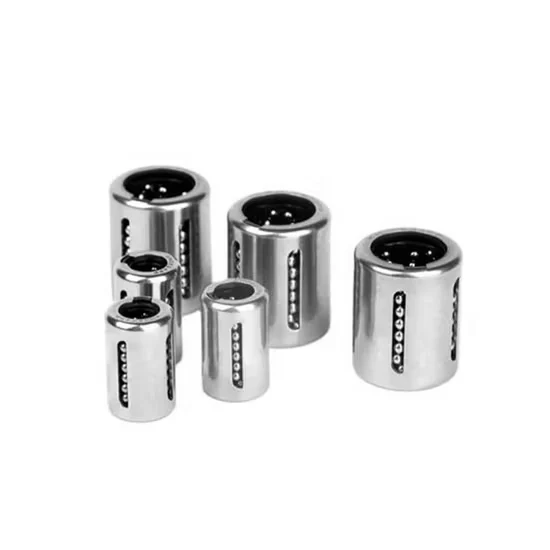
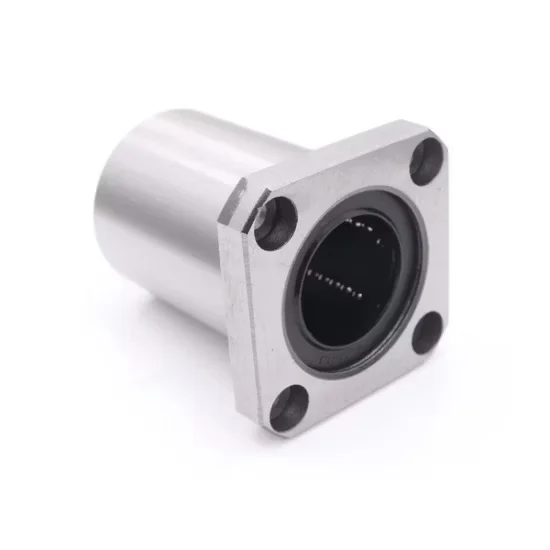
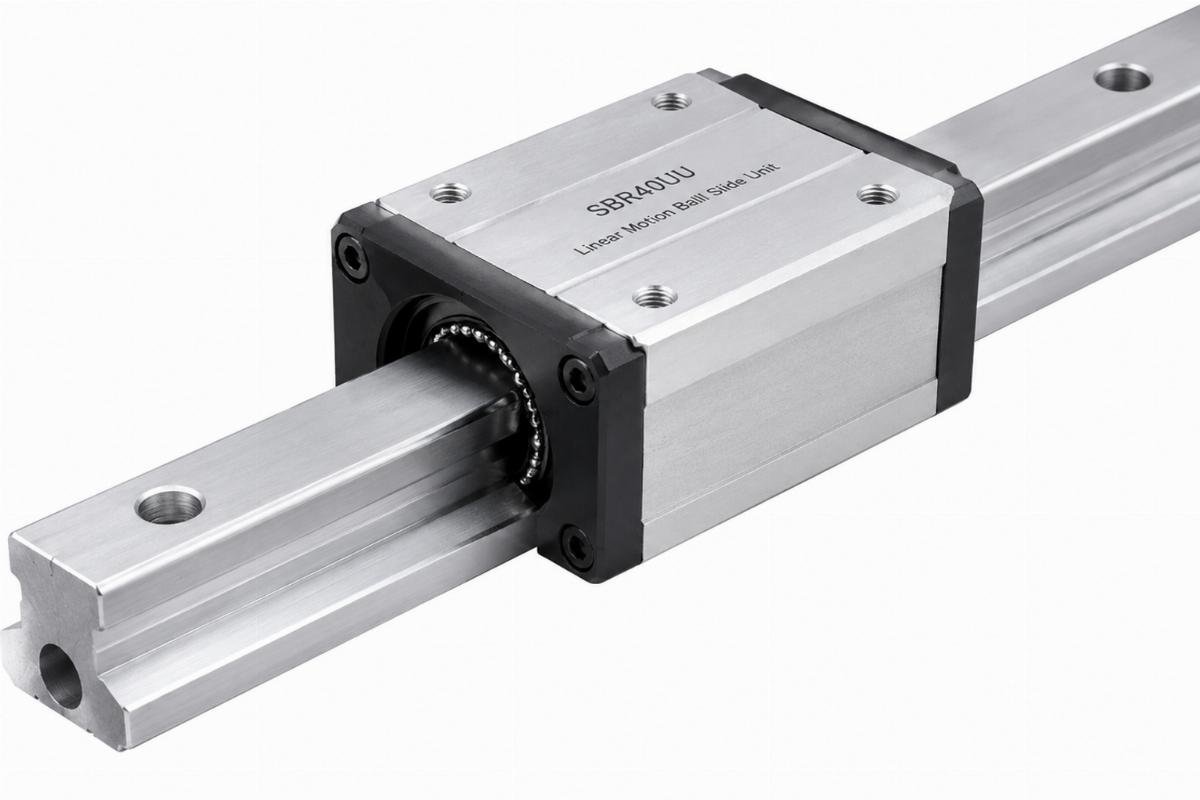
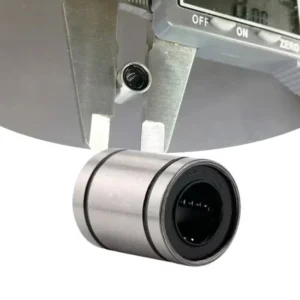
SBR40uu SBR40luu Linear Motion Ball Slide Unit for Aluminum Rail SBR40
SBR40uu Linear Motion Ball Slide Unit
Engineered with HRC 60-64 hardness to deliver exceptional wear resistance during continuous sliding operations.
Provides versatile steel, copper, and nylon cage material options to precisely match specific speed, temperature, and noise requirements.
Every order ships with a complete documentation package, including original material certificates and detailed dimensional inspection reports.
Why Aluminum Rails Fail When the SBR40uu linear motion ball slide unit Loses Sealing Integrity
Contaminant ingress destroys the recirculation path long before the shaft wears out.
During a past installation project at a Nigerian timber mill, standard open blocks jammed completely within weeks. Wood dust packed into the ball grooves, halting the entire conveyor line and causing massive production delays. Proper sealing is not an optional upgrade; it is the primary defense against catastrophic linear system seizures. When fine particulates bypass inadequate seals, they mix with the lubricant to form an abrasive paste that rapidly scores the shaft surface. This destructive process compromises the dimensional stability of the entire automation setup, forcing engineers to replace both the carriage and the supporting rail. Engineers must recognize that environmental protection is just as critical as load rating calculations [NEED_CITE: linear bearing failure modes in particulate environments].
Matching the Slide Block to Precision Automation Environments
Sourcing reliable components demands exact dimensional stability to prevent unexpected downtime in high-precision CNC systems. Our global supply network consolidates mixed-brand packages, ensuring your automation project receives a genuine SBR40uu linear motion ball slide unit with complete traceability. This eliminates the friction of coordinating multiple vendors for a single assembly line upgrade. By securing authentic components, engineers avoid the subtle dimensional deviations found in counterfeit parts that cause binding on precision aluminum extrusions. The ability to source verified linear motion elements directly impacts the overall repeatability and positioning accuracy of multi-axis machining centers.
Managing Dust, Friction, and Continuous Sliding Loads
Linear guides in woodworking or construction material handling face severe particulate exposure on a daily basis. Fine debris infiltrates standard carriages, increasing friction and accelerating groove spalling across the load-bearing surfaces. Selecting the correct seal type prevents this abrasive wear, while the specified shaft hardness resists surface indentation under heavy moment loads generated by cantilevered tooling. Proper lubrication intervals must also align with the operating speed to avoid thermal degradation of the grease film. When friction spikes due to contamination, the localized heat generation accelerates lubricant breakdown, leading to direct metal contact and eventual seizure of the sliding mechanism [NEED_CITE: tribological wear mechanisms in linear guides].
Decoding the Hardness and Cage Material Variables
The specified HRC 60-64 hardness ensures the shaft resists brinelling when subjected to high static loads or shock impacts during rapid directional changes. For the internal recirculation system, buyers can choose from steel, copper, or nylon cage options depending on the application constraints. Steel cages handle higher temperatures and heavy loads, whereas nylon variants reduce operational noise and weight for high-speed automation gantries. The specific suffix configurations dictate the sealing arrangement, balancing contamination exclusion with frictional drag. Understanding these material interactions allows procurement teams to optimize the linear guide assembly for either maximum load capacity or ultra-smooth, quiet motion profiles.
The Hidden Cost of Ignoring Environmental Sealing
Specifying an open carriage for a dusty environment leads to rapid ball retention failure and complete carriage seizure. This unplanned downtime disrupts production schedules and voids equipment warranties due to improper component selection by the maintenance team. According to established failure analysis frameworks, particulate contamination remains a leading cause of premature linear guide degradation across heavy industries [NEED_CITE: rolling bearing and linear guide failure classification per ISO 15243]. Replacing the entire rail assembly costs significantly more than selecting the correct sealed block initially, especially when factoring in the labor required to realign the entire machine axis.
Securing Genuine Linear Components Through Technical Verification
The market is flooded with counterfeit linear blocks that lack proper heat treatment, leading to rapid shaft scoring and loss of positioning accuracy. We supply genuine products with complete traceability documentation, ensuring the required hardness is actually achieved during manufacturing. Our engineering team provides cross-brand equivalent model consultation, preventing mismatches when replacing obsolete units in legacy automation equipment. Furthermore, we offer flexible consolidation shipments, allowing you to order a single emergency SBR40uu linear motion ball slide unit or a full container of mixed automation parts without compromising on competitive sourcing costs. Technical support extends beyond the initial sale, providing ongoing failure analysis guidance to optimize future maintenance schedules.
Documentation & Authenticity
Hardness test reports confirming HRC 60-64 for the shaft and block housing.
Certificate of Conformity verifying genuine origin and manufacturing batch traceability.
Dimensional inspection records validating rail mating tolerances before dispatch.
Material certification detailing the specific cage alloy or polymer used.
Storage, Handling & Mounting
Keep sealed units in original packaging to prevent dust from compromising the uu seal lips.
Wipe the aluminum rail mating surface completely before mounting to avoid induced parallelism errors.
Apply recommended linear guide grease to the carriage before initial operation if stored long-term.
Avoid using carbon steel tools directly on the shaft to prevent surface corrosion initiation.
Engineering Review and Selection Support
To ensure optimal performance, please share your radial and axial load profiles, operating speeds, and environmental exposure levels. Providing the OEM equipment model number allows our team to perform precise cross-reference verification. We will then recommend the exact cage material and seal configuration required for your specific linear motion application.
Frequently Asked Questions
Q: What is the difference between standard and extended slide block configurations?
A: Extended blocks feature a longer carriage body with increased ball recirculation circuits. This design provides higher moment load capacity and greater rigidity compared to standard versions. Selecting the extended configuration is critical for applications involving heavy overhung loads or significant torque during high-speed linear traversing operations.
Q: How do I select the right cage material for my linear bearings?
A: Steel cages tolerate higher operating temperatures and heavy shock loads, making them suitable for robust industrial machinery. Nylon cages offer quieter operation and lower weight, ideal for high-speed automation and cleanroom environments. Copper cages provide excellent thermal conductivity. Evaluate your specific speed, noise, and temperature requirements before finalizing the material choice.
Q: What are common failure modes of linear motion ball slide units?
A: Premature failures typically stem from particulate contamination, inadequate lubrication, or misalignment during installation. Dust ingress causes abrasive wear inside the recirculation path, while poor alignment induces uneven load distribution on the balls. Implementing proper sealing and following precise mounting procedures significantly extends the operational lifespan of the linear guide system.
Q: How can I ensure proper alignment when mounting on aluminum rails?
A: Use a dial indicator to check the parallelism and straightness of the aluminum rail mounting surface before securing the blocks. Tighten the mounting bolts gradually in a cross-pattern sequence to prevent housing distortion. Proper alignment prevents binding, reduces frictional heat generation, and ensures smooth travel across the entire stroke length.
Q: What are the lubrication recommendations for sealed linear slide units?
A: Sealed units require periodic relubrication through the designated grease nipples to replenish the internal lubricant film. Use a high-quality lithium-based or synthetic linear guide grease compatible with the seal material. Establish a regular maintenance cycle based on your operating speed and travel distance to prevent metal-to-metal contact and premature wear.
Shipping Information
EU Warehouse
3-7 working days (bonded stock)
Direct from China
Shanghai & Ningbo hubs (bulk / FCL)
Markets Served
DE · IT · PL · ES · NL · FR · EU+
Incoterms
DDP / DAP available on request
Minimum Order
Contact us for MOQ details
Documents Included with Every Shipment
EN and ISO Quality Certificates
Batch traceability and manufacturing standard
Material & Heat-Treatment Reports
Full material composition and process records
CE Declaration of Conformity
For bearing units and motion products
RoHS Compliance Declaration
Restriction of hazardous substances
EUR.1 Movement Certificate
Preferential origin for EU customs
Certificate of Origin
Country of manufacture documentation
Correct HS Codes
Pre-classified for smooth customs clearance
Commercial Invoice & Packing List
VAT-compliant intra-EU invoicing
Transparent Landed Cost with Tax Explanation
SKFEU provides full price transparency so EU buyers know exactly what they pay. No hidden duties, no surprise charges at customs.
VAT-Compliant Invoicing
All intra-EU transactions are invoiced with correct VAT treatment. B2B buyers with valid EU VAT numbers receive zero-rated invoices where applicable.
No Unexpected Import Duties
Goods shipped from our EU bonded warehouse arrive as intra-EU movements -- no import duties, no customs delays for EU-based buyers.
EUR.1 & Origin Docs Ready
For shipments direct from China, EUR.1 movement certificates and certificates of origin are prepared in advance to minimise customs clearance time.
DDP Pricing Available
Ask for Delivered Duty Paid quotations -- we absorb all import costs so your landed cost is fixed and predictable from day one.
Need a landed cost breakdown? Contact Sofia at
sofia@skfeu.com
or via WhatsApp for a full DDP quotation including freight, duties and VAT for your country.
Send Inquiry
Request Pricing & Availability
Share your requirements and Sofia will respond within one working day with pricing, lead time and full documentation details.