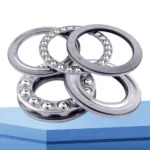
Stainless Steel Thrust Ball Bearing for Industrial Applications
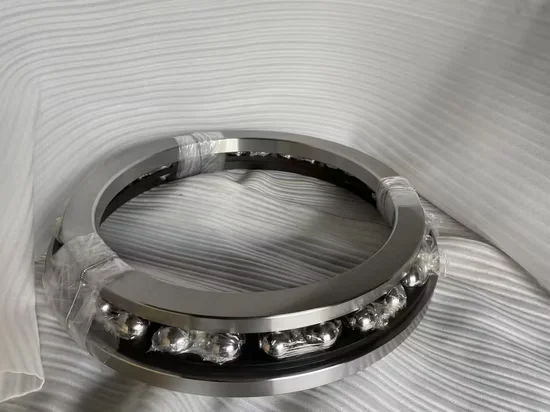
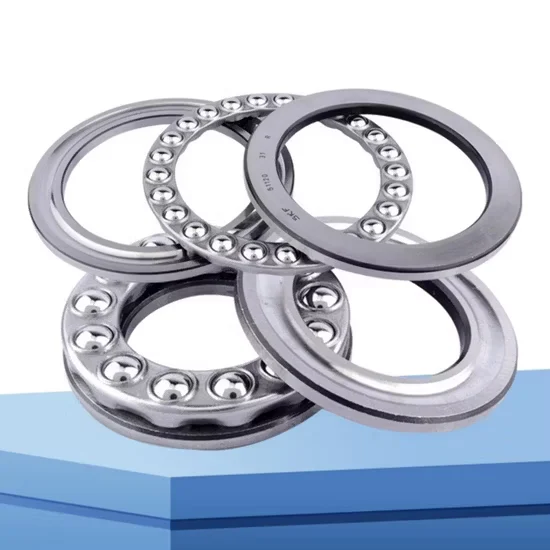
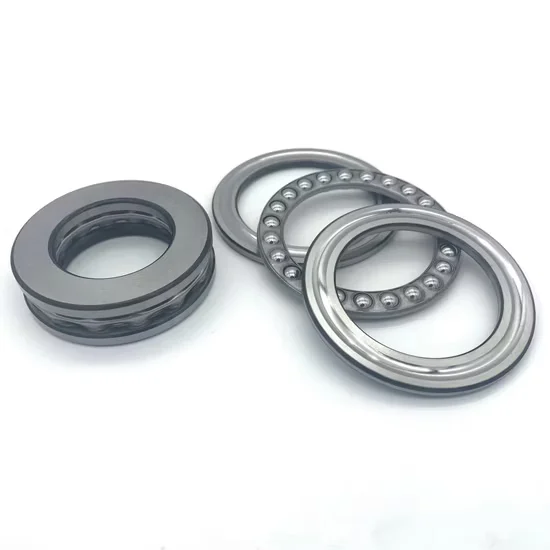
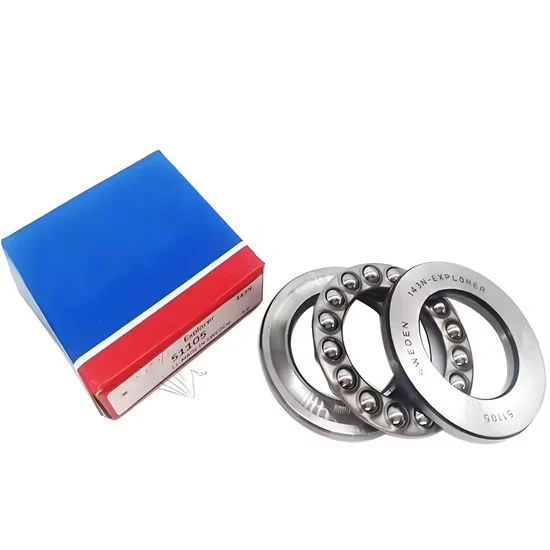
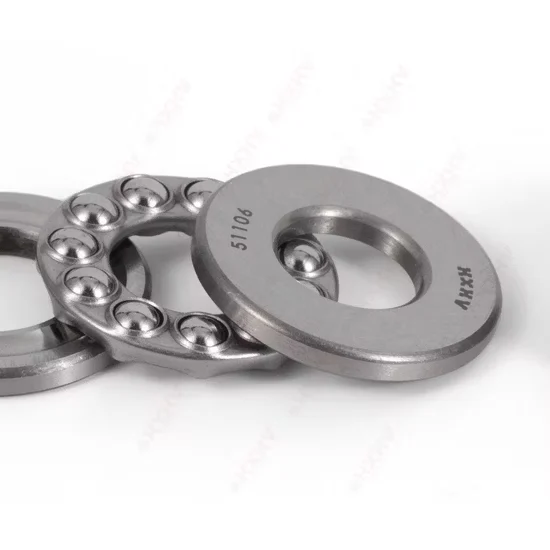
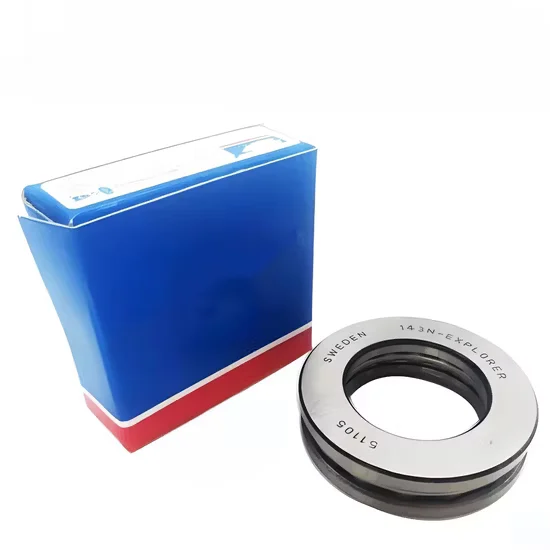
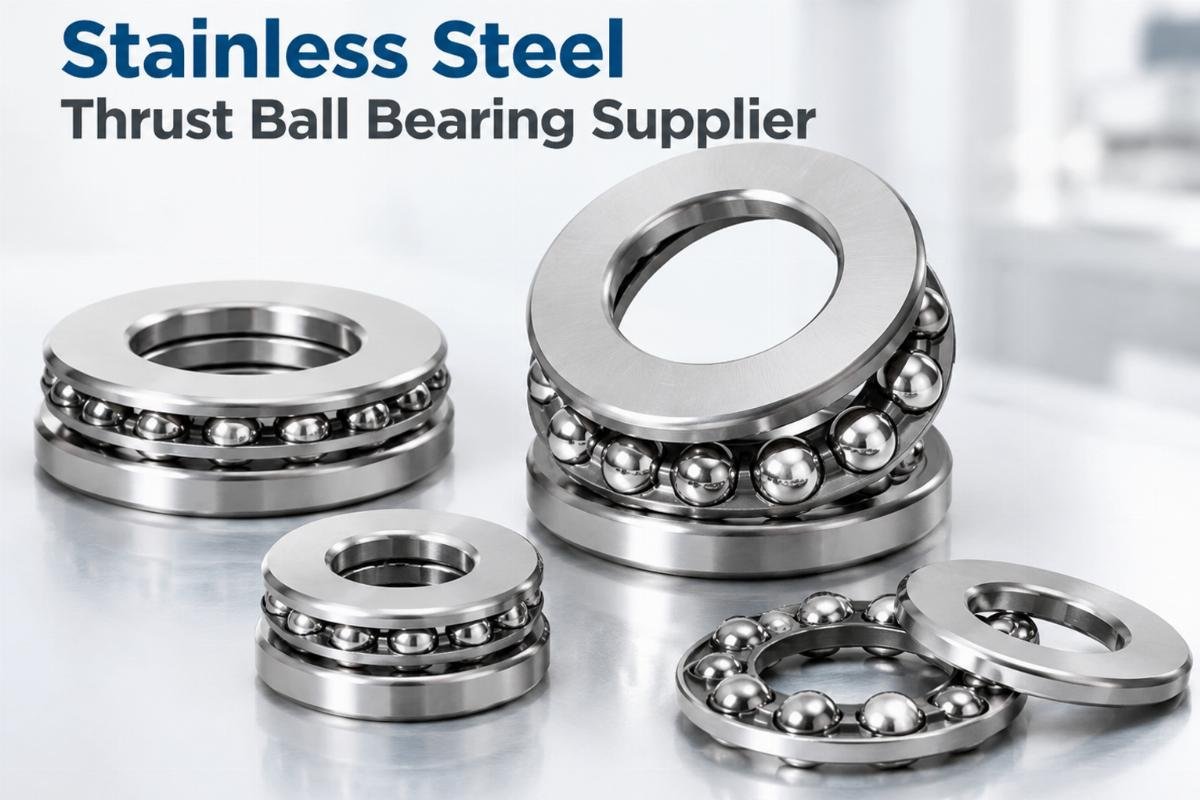
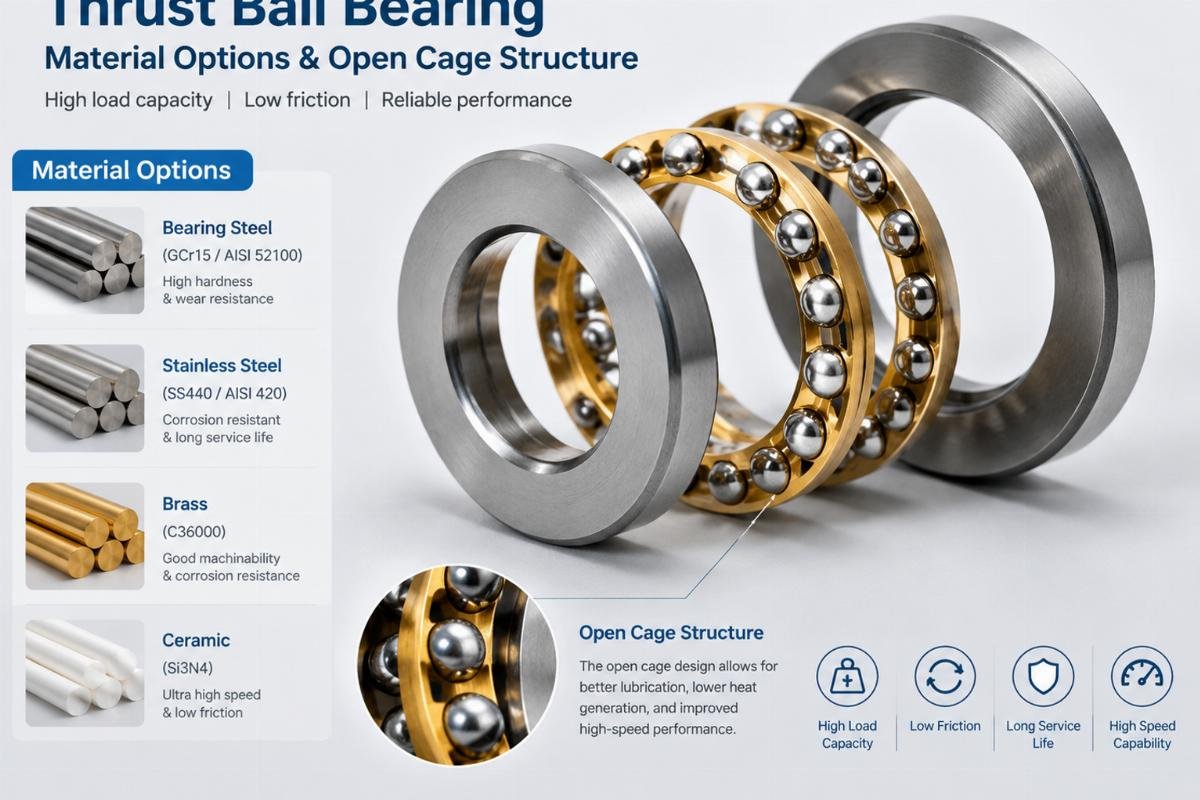
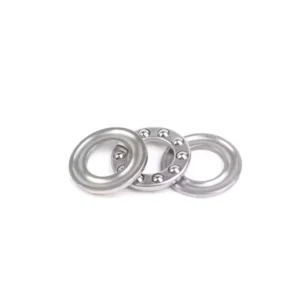
Stainless Steel Thrust Ball Bearing — corrosion-resistant open construction designed for harsh industrial and marine environments.
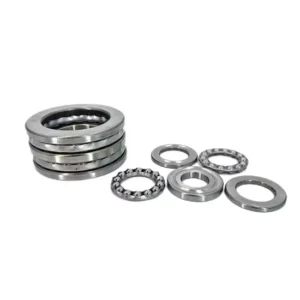
Offered in single and double row configurations with P0, P6, and P5 precision ratings to accommodate varying axial loads and dimensional tolerances.
Our sourcing team ensures strict cross-reference alignment for precision grades, row configurations, and material certifications prior to dispatch.
Cross-Reference Alignment — We validate dimensional and load equivalencies across global catalogs to ensure exact fitment for your machinery.
Technical Specifications
Parameter
Value
Product Type
Thrust Ball Bearing
Material Options
Available in stainless steel or standard bearing steel variants
Precision Rating
P0, P6, P5
Configuration
Single Row, Double Row
Sealing Type
Open
Origin
Shandong, China
Application Suitability
Industry
Typical Applications
Material Handling
Crane hook swivel mechanisms and hoist assemblies
Fluid Management
Vertical pump shaft support and impeller thrust collars
Power Transmission
Gearbox vertical shaft locating and worm gear supports
Precision Machining
Machine tool spindle vertical orientation and rotary tables
Why Pure Axial Assumptions Fail in Heavy Machinery
Misaligned load vectors cause catastrophic cage fragmentation long before the raceways show wear.
During my technical sales runs across Latin America, I witnessed a vertical pump failure in Mexico where the maintenance team subjected a thrust arrangement to unintended radial forces. They also substituted a stamped steel cage for a machined brass one to cut costs, which shattered instantly under high vibration. These field realities prove that assuming pure axial loading without verifying the exact operational dynamics leads to rapid disintegration [NEED_CITE: rolling bearing failure mode classification per ISO 15243]. Procurement engineers partnering with a stainless steel thrust ball bearing supplier must look beyond basic catalog descriptions to prevent these hidden operational traps.
Matching Corrosion Resistance to Harsh Operating Environments
Selecting the right material variant is critical when equipment operates in washdown zones or marine atmospheres. As a reliable stainless steel thrust ball bearing supplier, we consolidate mixed-brand packages to ensure your maintenance inventory matches the exact environmental exposure of each machine. Our flexible sourcing allows you to secure emergency spares without waiting for full-container minimums, keeping your vertical pumps and crane hooks operational despite harsh chemical or saline conditions.
Navigating Axial Loads, Vibration, and Lubrication Starvation
Thrust arrangements exclusively manage axial forces, meaning any parasitic radial load will rapidly degrade the raceway geometry. High-vibration environments demand robust cage designs, as lightweight stamped alternatives often fracture under cyclic stress. Since these components typically feature an open design, external lubrication circuits must deliver consistent oil flow or grease replenishment to prevent starvation at elevated speeds. Furthermore, operating temperatures dictate the thermal expansion of the shaft, directly impacting the internal clearance and requiring precise alignment during installation [NEED_CITE: bearing life calculation methodologies per ISO 281].
Decoding Material Options and Precision Tolerances
When evaluating material options, choosing between stainless steel and standard carbon steel variants depends entirely on the corrosion profile and magnetic requirements of the application. Stainless variants offer substantially higher resistance to moisture and chemical washdowns, though they typically exhibit lower dynamic load capacities compared to through-hardened bearing steel. The available P0, P6, and P5 precision ratings dictate the running accuracy, where tighter tolerances are essential for machine tool spindles to minimize axial runout. Single row designs handle unidirectional axial loads, while double row configurations accommodate bidirectional forces, making the spatial envelope and load direction primary selection dimensions.
The Cascading Financial Impact of Incorrect Cage Selection
Specifying an inadequate cage material or ignoring slight radial load intrusions results in unplanned downtime that vastly exceeds the component’s initial purchase price. Premature cage fracture causes the rolling elements to skew, leading to catastrophic damage to the shaft and housing seats. According to failure analysis frameworks, lubrication starvation combined with cage wear accounts for a significant share of premature failures in vertical applications [NEED_CITE: rolling bearing damage analysis per ISO 15243]. This collateral damage often voids equipment warranties and forces complete assembly replacements rather than simple bearing swaps.
Securing Traceability and Technical Validation for Your Fleet
Sourcing thrust components requires strict verification, as mismatched cage materials are a frequent cause of field failures. We act as a traceable stainless steel thrust ball bearing supplier, providing complete batch documentation to ensure metallurgical properties match the severe demands of crane hooks and gearboxes. Our technical team cross-checks your application parameters against global brand equivalents to prevent the accidental substitution of stamped cages in high-vibration zones. With massive spot inventory covering thousands of part numbers, we consolidate mixed-size packages to optimize your shipping costs while maintaining strict ISO-compliant quality assurance for every open-type unit dispatched.
Documentation & Authenticity
Material inspection reports verifying the specific stainless steel grade for corrosion-critical vertical pump applications.
Running accuracy inspection confirming P5 or P6 axial runout tolerances before shipment for machine tool spindles.
Original manufacturer batch traceability documents linking the specific single or double row set to its production heat.
Dimensional verification certificates ensuring the open-type raceway geometry meets the specified ISO standard thresholds.
Storage, Handling & Mounting
Store open-type single row units in original packaging to prevent dust ingress that could compromise the P5 precision raceways.
Use dedicated non-marring tools when handling stainless steel variants to avoid carbon steel cross-contamination and subsequent localized rusting.
Apply the specified external lubricant immediately before mounting, as the open design lacks factory-sealed grease for vertical pump shafts.
Verify the shaft shoulder perpendicularity during installation to prevent uneven axial load distribution across the double row rolling elements.
Keep the storage environment humidity-controlled to protect the unsealed P6 precision surfaces from ambient moisture condensation.
Providing Equipment Data for Exact Model Determination
To ensure optimal performance, please provide the specific equipment model, available installation envelope, and the exact axial load profiles including any potential radial intrusions. Detailing the operating speed, ambient temperature, and exposure to corrosive agents allows our engineering team to determine the precise single or double row configuration required. Supplying these operational parameters enables us to recommend the correct material variant and cage design for your specific crane hook or gearbox application.
Frequently Asked Questions
Q: How do I determine the specific thrust bearing model based on equipment axial load and speed parameters?
A: Determining the exact model requires analyzing the maximum axial load, operating speed, and the spatial constraints within your equipment. You must also evaluate whether the application involves unidirectional or bidirectional forces to choose between single and double row designs. Provide your machine’s operational data, and our engineering team will calculate the required dynamic load rating and recommend the optimal configuration.
Q: When should I choose stainless steel over standard bearing steel for thrust applications?
A: Stainless variants are necessary when the equipment operates in highly corrosive environments, such as marine applications, food processing washdowns, or chemical plants. While standard bearing steel offers higher load-carrying capacity, it will rapidly degrade without adequate sealing in moist conditions. Evaluate the specific environmental exposure and chemical contact to decide which material option ensures reliable longevity.
Q: What are the common failure modes of thrust ball bearings in heavy-duty industrial applications?
A: Common failure modes include cage fragmentation due to high vibration, raceway spalling from lubrication starvation, and premature wear caused by unintended radial loads. Thrust designs cannot accommodate radial forces, and applying them in misaligned conditions leads to rapid disintegration. Regular inspection of the open-type lubrication circuit is essential to prevent these destructive failure mechanisms.
Q: How do I maintain open-type thrust bearings in continuous vertical pump operation?
A: Open-type designs rely entirely on the equipment’s external lubrication system, requiring consistent oil flow or regular grease replenishment. You must monitor the lubricant for contamination and ensure the delivery nozzles are correctly aligned with the cage pockets. Establishing a strict re-lubrication interval based on the operating temperature and speed prevents starvation and extends the service life.
Shipping Information
EU Warehouse
3-7 working days (bonded stock)
Direct from China
Shanghai & Ningbo hubs (bulk / FCL)
Markets Served
DE · IT · PL · ES · NL · FR · EU+
Incoterms
DDP / DAP available on request
Minimum Order
Contact us for MOQ details
Documents Included with Every Shipment
EN and ISO Quality Certificates
Batch traceability and manufacturing standard
Material & Heat-Treatment Reports
Full material composition and process records
CE Declaration of Conformity
For bearing units and motion products
RoHS Compliance Declaration
Restriction of hazardous substances
EUR.1 Movement Certificate
Preferential origin for EU customs
Certificate of Origin
Country of manufacture documentation
Correct HS Codes
Pre-classified for smooth customs clearance
Commercial Invoice & Packing List
VAT-compliant intra-EU invoicing
Transparent Landed Cost with Tax Explanation
SKFEU provides full price transparency so EU buyers know exactly what they pay. No hidden duties, no surprise charges at customs.
VAT-Compliant Invoicing
All intra-EU transactions are invoiced with correct VAT treatment. B2B buyers with valid EU VAT numbers receive zero-rated invoices where applicable.
No Unexpected Import Duties
Goods shipped from our EU bonded warehouse arrive as intra-EU movements -- no import duties, no customs delays for EU-based buyers.
EUR.1 & Origin Docs Ready
For shipments direct from China, EUR.1 movement certificates and certificates of origin are prepared in advance to minimise customs clearance time.
DDP Pricing Available
Ask for Delivered Duty Paid quotations -- we absorb all import costs so your landed cost is fixed and predictable from day one.
Need a landed cost breakdown? Contact Sofia at
sofia@skfeu.com
or via WhatsApp for a full DDP quotation including freight, duties and VAT for your country.
Send Inquiry
Request Pricing & Availability
Share your requirements and Sofia will respond within one working day with pricing, lead time and full documentation details.