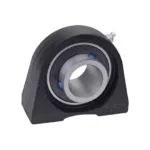
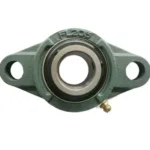
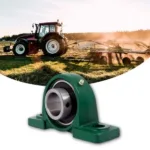
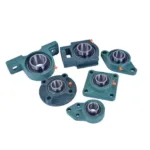
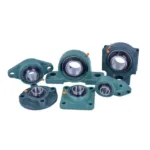
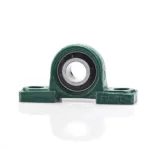
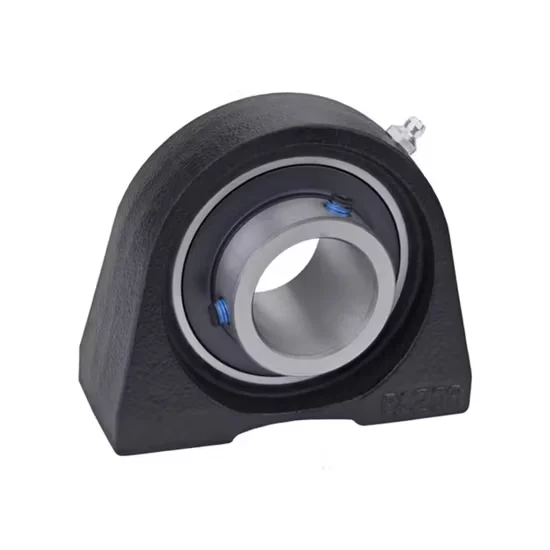
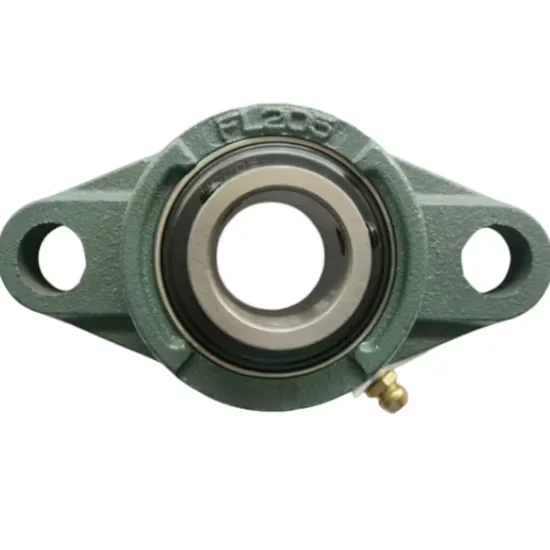
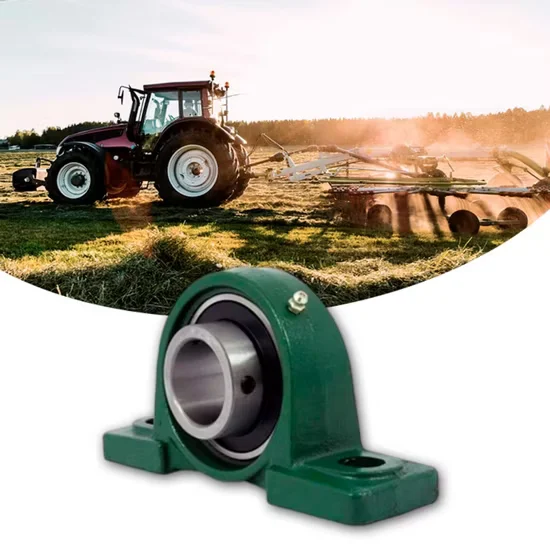
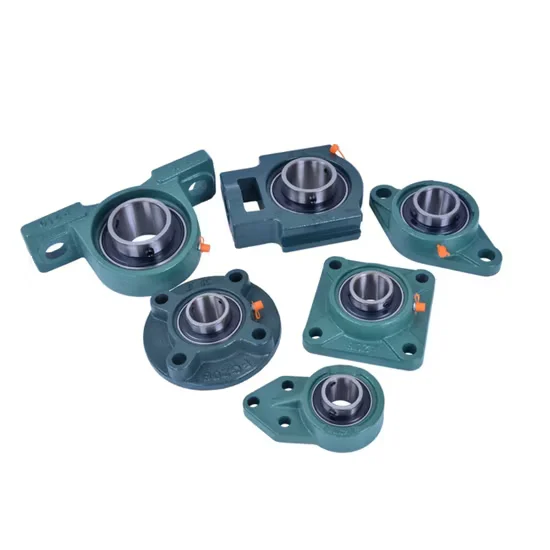
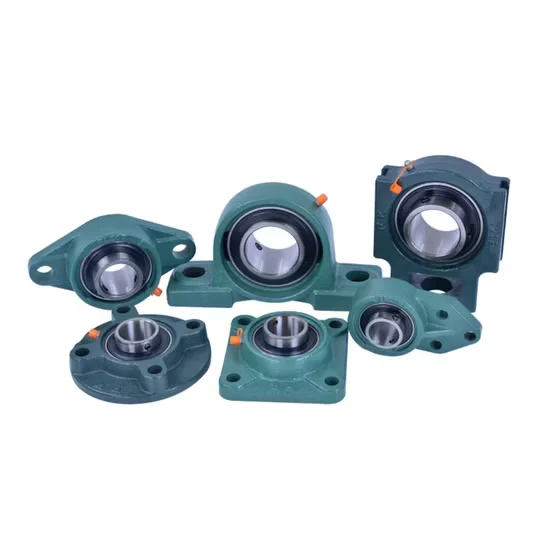
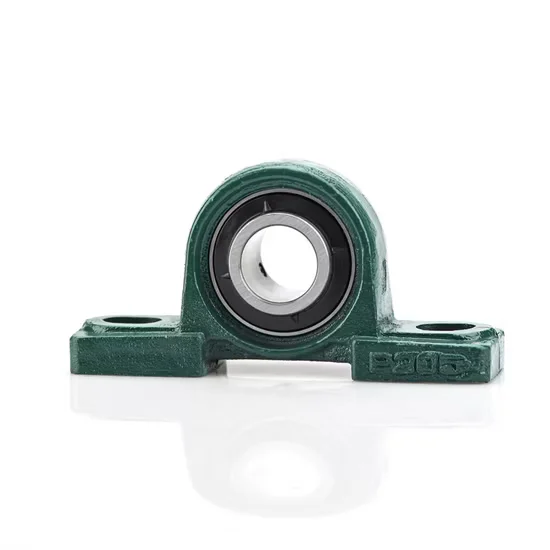
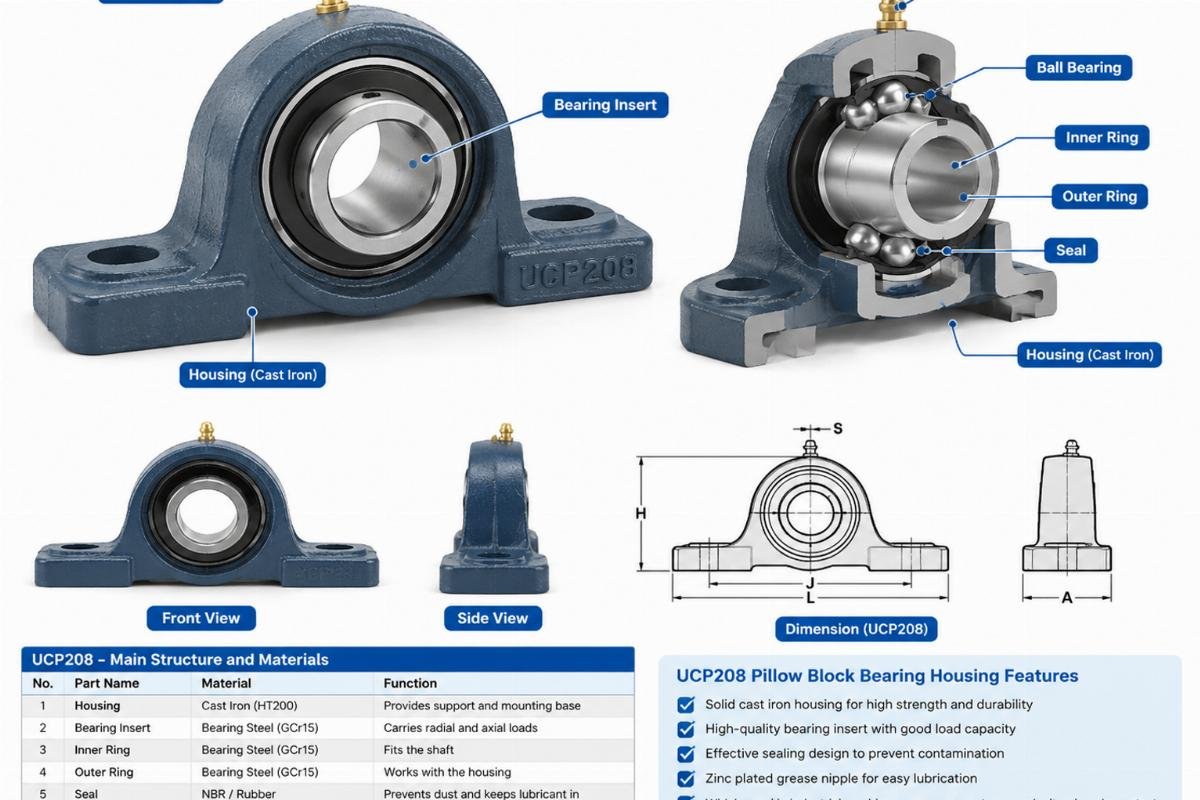
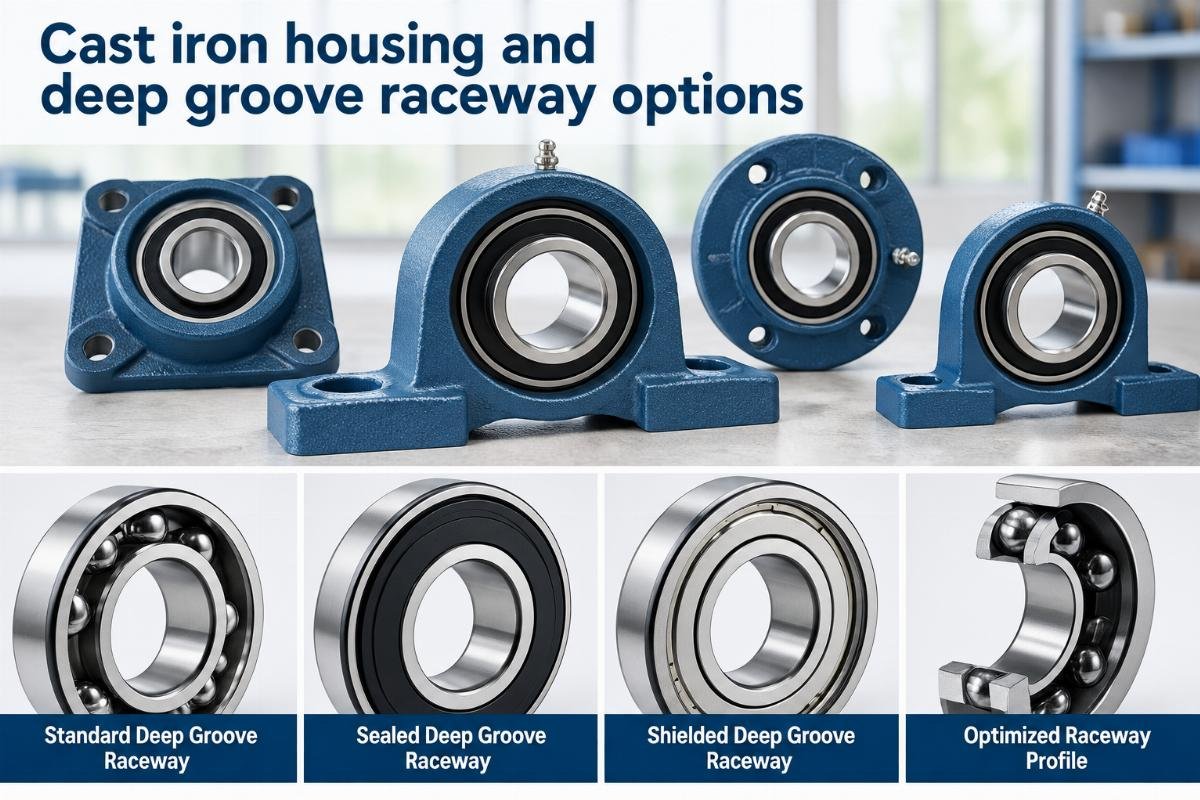
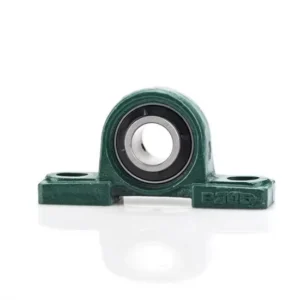
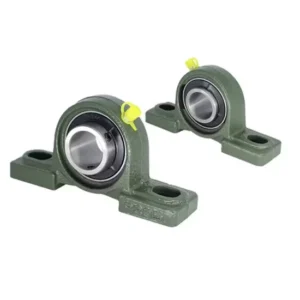
UCP208 Pillow Block Bearing P4 features a cast iron housing and deep groove raceway for stable operation.
Oil lubrication supports continuous running in conveyor and agricultural machinery.
P4 precision rating ensures tighter dimensional accuracy for demanding textile and mining equipment applications.
Always verify cross-reference alignment for clearance, cage, and precision before final procurement.
Replies within 1 working day · Dedicated account manager
Specifications
Agricultural MachineryCast Iron HousingConveyor SystemsP4 PrecisionPillow Block BearingUCP208UCP215Wholesale Bearing
Lead Time
3-7 working days
EU bonded warehouse · Fast-moving stock
Compliance
Full EU package
EN · ISO · CE · RoHS · EUR.1
Official App QR Verification — Every UCP208 pillow block bearing shipped includes a scannable QR code linked directly to the manufacturer’s authenticity database.
Technical Specifications
Parameter
Value
Designation
UCP208
Product Type
Pillow Block Bearing
Rows Number
Single
Raceway
Deep Groove Raceway
Material
Cast Iron
Bearing Block Model
P
Vibration
V1, V2, V3, V4
Lubrication
Oil
Precision Rating
P4
System of Measurement
Metric
Origin
Shandong, China
Application Suitability
Industry
Typical Applications
Material Handling
Conveyor system drive and return pulleys
Agriculture
Combine harvester grain auger supports
Mining
Bulk material stacker belt idlers
Construction
Mobile crusher vibrating screen shafts
Why Standard Seals Fail in Desert Conveyor Systems
Dust ingress destroys internal clearances long before the cast iron housing yields.
Years ago, I shipped a batch of pillow block units to a Dubai quarry. I overlooked the severe abrasive environment and specified standard seals. Within weeks, fine desert sand bypassed the seals, jammed the outer ring, and halted the entire conveyor line. That catastrophic downtime reshaped my entire approach to specifying housing units. Today, when evaluating a UCP208 pillow block bearing for harsh environments, I prioritize seal-to-environment matching over basic catalog defaults [NEED_CITE: rolling bearing failure mode classification per ISO 15243].
Matching the UCP208 Pillow Block Bearing to Heavy-Duty Environments
Selecting the correct housing unit requires balancing structural rigidity with internal clearance stability. Our engineering team frequently cross-references multi-brand inventories to secure the exact UCP208 pillow block bearing configuration your facility demands. Whether you need KOYO, NTN, NSK, or reliable OZD alternatives, we consolidate mixed-brand packages to eliminate fragmented supply chains and ensure uniform performance across your entire conveyor network.
Managing Abrasive Dust and Heavy Radial Loads
Conveyor pulleys and agricultural augers subject housings to relentless radial loads combined with severe particulate contamination. The deep groove raceway design efficiently manages these radial forces, but maintaining internal film thickness relies heavily on proper lubrication. Since this configuration utilizes oil lubrication, establishing a rigorous replenishment schedule is critical to flush out microscopic abrasives before they score the raceway. Furthermore, selecting the appropriate vibration level from V1 to V4 ensures the internal geometry withstands the specific harmonic frequencies of your driven equipment. Ignoring these dynamic forces often leads to accelerated cage wear and unpredictable seizure events in the field [NEED_CITE: impact of particulate contamination on bearing fatigue life].
Decoding P4 Precision and Deep Groove Geometry
The P4 precision rating dictates exceptionally tight dimensional and running accuracy, which minimizes vibration at higher rotational speeds. This tight tolerance is particularly advantageous in textile machines and precision conveyors where shaft runout causes immediate product defects. The deep groove raceway provides continuous contact with the rolling elements, distributing radial loads evenly across a larger surface area. While the standard setup utilizes a heavy-duty cast iron housing, options are available in stainless steel or polymer variants for corrosive washdown environments. The P block model offers a standardized mounting footprint, simplifying retrofit projects without requiring custom machining. Oil lubrication channels integrated into the structure ensure that the lubricant reaches the critical contact zones without pooling, maintaining optimal thermal dissipation during continuous operation.
The Financial Drain of Premature Housing Failure
Specifying an under-engineered housing unit inevitably leads to unplanned downtime and catastrophic damage to adjacent drive components. When a cast iron housing cracks under asymmetric loading, the resulting shaft misalignment destroys seals and gears. According to the ISO 281 framework, contaminated lubrication drastically reduces the calculated fatigue life of the internal rolling elements. Replacing a failed unit often requires dismantling entire conveyor sections, voiding equipment warranties and inflating maintenance labor costs far beyond the initial component savings [NEED_CITE: ISO 281 life calculation adjustments for contaminated lubrication].
Securing Traceable Multi-Brand Pillow Block Units
Sourcing authentic components across multiple premium brands eliminates the risk of receiving counterfeit or substandard assemblies. We maintain massive spot inventory covering thousands of standard part numbers, ensuring rapid fulfillment for urgent maintenance requirements. Our technical team provides comprehensive cross-brand equivalent model consultation, helping you transition smoothly between UCP207, UCP208, and UCP215 dimensions. Every shipment includes complete traceability documentation, protecting your operation from the hidden liabilities of gray-market parts. We also offer flexible consolidation shipping, combining emergency single-unit orders with full container project loads to optimize your freight costs.
Documentation & Authenticity
Original batch traceability linking the cast iron housing to its specific foundry pour.
Running accuracy inspection confirming P4 tolerance before dispatch.
Material inspection reports verifying the metallurgical grade of the inner ring.
Official app QR codes for instant field verification of KOYO or NTN units.
Vibration level test certificates matching the specified V1-V4 grade.
Storage, Handling & Mounting
Store the cast iron housing in low-humidity environments to prevent surface oxidation before installation.
Keep the oil-lubricated unit sealed until mounting to prevent dust ingress into the deep groove raceway.
Use induction heating for the inner ring to preserve the P4 precision fit on the shaft.
Verify the P block mounting bolt torque to avoid distorting the cast iron base.
Align the shaft carefully to prevent binding the single-row rolling elements during final tightening.
Preparing Your Technical Parameters for Review
To ensure optimal performance, please share your specific radial and axial load profiles, operating speeds, and ambient temperature ranges. Providing the exact OEM equipment number allows our engineers to perform precise cross-reference verification against UCP207 and UCP215 alternatives. Detail your environmental exposure, particularly dust and moisture levels, so we can recommend the most suitable sealing arrangement for your application.
Frequently Asked Questions
Q: How to verify the authenticity of multi-brand pillow block bearings?
A: We provide comprehensive traceability for every unit. Each bearing features original batch documentation and a scannable QR code linked to the manufacturer’s database. For brands like KOYO, NTN, and NSK, this digital verification confirms the metallurgical origin and assembly facility, completely eliminating the risk of installing counterfeit components in your critical machinery.
Q: What are the cross-reference considerations for UCP207 and UCP215?
A: When evaluating alternatives, engineers must compare the exact shaft diameter, center-to-base height, and bolt spacing. While the UCP207 suits lighter loads and the UCP215 handles heavier duties, substituting them requires verifying the P block mounting footprint. Our technical team cross-references dimensional catalogs to ensure the replacement unit aligns perfectly with your existing conveyor structure.
Q: How to select the right vibration level (V1-V4) for specific machinery?
A: Vibration grades dictate the internal geometric tolerances and surface finish of the rolling elements. Lower vibration levels are essential for high-speed textile machines to prevent harmonic resonance, while standard grades suffice for slow-moving agricultural augers. Share your equipment’s operating RPM and load characteristics, and we will specify the exact grade to minimize operational noise.
Q: What is the recommended lubrication cycle for oil-lubricated pillow blocks?
A: Oil-lubricated housings require strict replenishment schedules to maintain the hydrodynamic film and flush out microscopic contaminants. The exact interval depends on your operating temperature, shaft speed, and environmental dust levels. We recommend establishing a condition-based monitoring routine, checking oil viscosity and particulate counts regularly to prevent premature raceway scoring and extend the overall service life.
Shipping Information
EU Warehouse
3-7 working days (bonded stock)
Direct from China
Shanghai & Ningbo hubs (bulk / FCL)
Markets Served
DE · IT · PL · ES · NL · FR · EU+
Incoterms
DDP / DAP available on request
Minimum Order
Contact us for MOQ details
Documents Included with Every Shipment
EN and ISO Quality Certificates
Batch traceability and manufacturing standard
Material & Heat-Treatment Reports
Full material composition and process records
CE Declaration of Conformity
For bearing units and motion products
RoHS Compliance Declaration
Restriction of hazardous substances
EUR.1 Movement Certificate
Preferential origin for EU customs
Certificate of Origin
Country of manufacture documentation
Correct HS Codes
Pre-classified for smooth customs clearance
Commercial Invoice & Packing List
VAT-compliant intra-EU invoicing
Transparent Landed Cost with Tax Explanation
SKFEU provides full price transparency so EU buyers know exactly what they pay. No hidden duties, no surprise charges at customs.
VAT-Compliant Invoicing
All intra-EU transactions are invoiced with correct VAT treatment. B2B buyers with valid EU VAT numbers receive zero-rated invoices where applicable.
No Unexpected Import Duties
Goods shipped from our EU bonded warehouse arrive as intra-EU movements -- no import duties, no customs delays for EU-based buyers.
EUR.1 & Origin Docs Ready
For shipments direct from China, EUR.1 movement certificates and certificates of origin are prepared in advance to minimise customs clearance time.
DDP Pricing Available
Ask for Delivered Duty Paid quotations -- we absorb all import costs so your landed cost is fixed and predictable from day one.
Need a landed cost breakdown? Contact Sofia at
sofia@skfeu.com
or via WhatsApp for a full DDP quotation including freight, duties and VAT for your country.
Send Inquiry
Request Pricing & Availability
Share your requirements and Sofia will respond within one working day with pricing, lead time and full documentation details.