Belt & Chain Brands with Bearings: Wholesale Supplier for Bulk
Source bearings, belts, and chains with strict brand compliance to avoid customs seizures and port delays. Our wholesale supplier ensures itemized declarations, genuine traceability, and cross-brand equivalency mapping for seamless clearance. Optimize freight costs by consolidating premium and domestic alternatives in one compliant container shipment.

Belt & Chain Brands with Bearings: Wholesale Supplier for Bulk
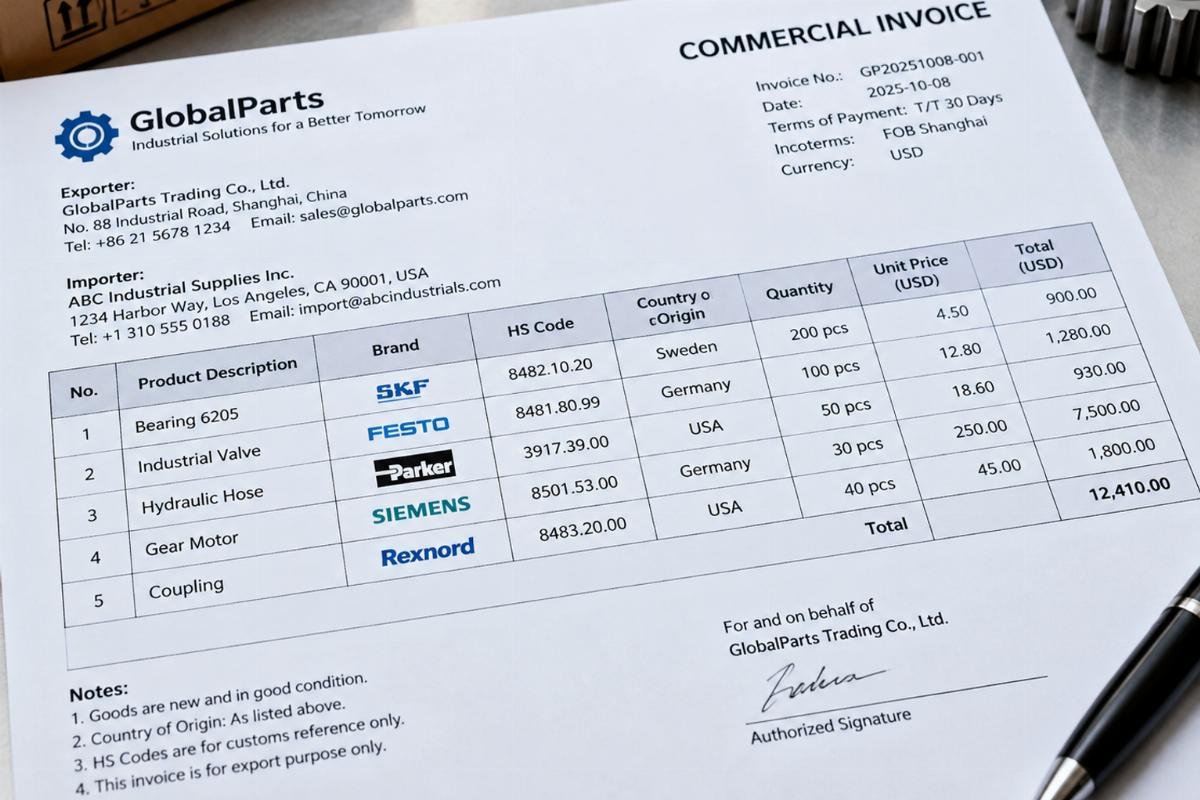
Mixing brands in one container does not save paperwork; it requires itemized brand declarations to avoid seizures.
Sourcing bearings, belts, and chains together requires strict brand compliance, cross-brand equivalency mapping, and consolidated customs declaration to avoid port delays and hidden costs. A Belt & Chain Brands with Bearings: Wholesale Supplier for Bulk must provide genuine traceability and precise HS code mapping to ensure smooth clearance across multiple jurisdictions. Without these controls, mixed shipments face high risks of detention, eroding the cost advantages of consolidation.
I still remember the silence in the office when the tracking update showed our shipment had been held at Santos Port. It was a routine order for a Brazilian client: imported premium bearings paired with domestic chains and belts. The customs declaration listed only a generic term for the transmission components, assuming the mixed nature would pass unnoticed. It did not. The cargo sat under a “brand unspecified” hold for months. The demurrage charges eventually exceeded the entire profit margin of the sale. That incident shifted my focus from simple logistics to the intricate compliance required for mixed-brand sourcing. Today, I verify every line item against its specific brand documentation before a single pallet is loaded. [NEED_CITE: customs seizure rates for undeclared mixed-brand industrial parts]
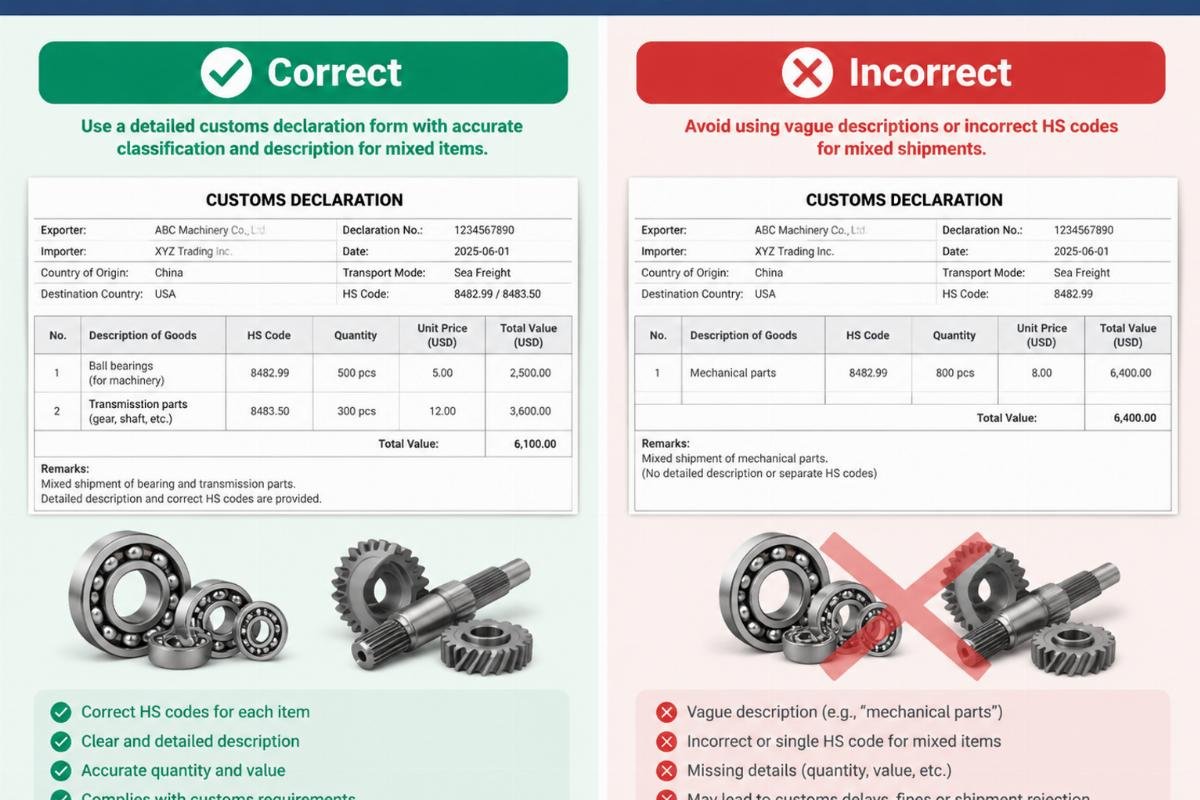
This experience underscores why technical precision in documentation is as critical as the physical quality of the parts. When you engage a Belt & Chain Brands with Bearings: Wholesale Supplier for Bulk, you are not just buying hardware; you are buying a compliant supply chain strategy.
Why Mix Bearings, Belts, and Chains in One Shipment?
Consolidating transmission parts reduces freight costs and simplifies MRO inventory management.
For regional distributors and MRO buyers, the primary driver for mixing these components is logistical efficiency. Shipping a full container of only deep-groove ball bearings often leaves significant unused volume, while less-than-container-load (LCL) shipments incur disproportionate handling fees. By combining bearings with belts and chains, buyers optimize container utilization. This approach allows for a single consolidated invoice and bill of lading, reducing administrative overhead. [NEED_CITE: freight cost comparison between LCL and FCL for mixed industrial goods]
However, this efficiency comes with a caveat. The physical compatibility of these items in a container must be managed to prevent damage. Heavy chains can crush delicate bearing seals if not properly segregated. A competent Belt & Chain Brands with Bearings: Wholesale Supplier for Bulk will use internal bracing and separate palletizing to ensure that the heavy-duty nature of chains does not compromise the precision of the bearings.
From an inventory perspective, receiving all transmission needs in one arrival simplifies stock intake. Maintenance teams in mining or manufacturing plants often require simultaneous replacement of a bearing housing, its driving belt, and the connecting chain. Having these arrive together minimizes equipment downtime. The key is ensuring that the supplier can handle the diverse storage requirements of each product type without cross-contamination or packaging errors.

The economic benefit is clear, but it relies entirely on the supplier’s ability to manage the complexity of mixed SKUs. Without proper coordination, the savings in freight are quickly lost to internal handling errors or damaged goods upon arrival.
How to Ensure Customs Compliance for Mixed-Brand Containers?
Itemized brand declarations and complete traceability docs prevent port seizures and delays.
The most common misconception in international trade is that mixing brands simplifies customs clearance. In reality, it complicates it. Each brand has distinct intellectual property protections and varying levels of scrutiny at different ports. A container holding SKF, FAG, and domestic Chinese bearings, alongside Gates belts and Renold chains, requires a declaration that lists each brand explicitly. Generic terms like “transmission parts” are red flags for customs officers looking for counterfeit goods or undervalued imports. [NEED_CITE: international customs regulations on branded industrial component declarations]
A reliable Belt & Chain Brands with Bearings: Wholesale Supplier for Bulk will provide a packing list that mirrors the commercial invoice down to the individual box level. This document must include the manufacturer’s name, country of origin, and specific model numbers for every item. For premium brands, this often means including authorization letters or proof of purchase from authorized distributors to satisfy anti-counterfeiting checks.
Consider the case of a Middle East steel mill that faced a three-week delay because their supplier failed to declare the origin of the accompanying chains. The bearings were cleared quickly, but the entire container was held until the chain documentation was verified. This delay halted a scheduled maintenance window, costing the plant far more than the shipping savings. To avoid this, suppliers must map each item to its correct Harmonized System (HS) code. Bearings, belts, and chains often fall under different chapters, and misclassification can lead to fines or re-assessment of duties.
Traceability is the backbone of compliance. Documents such as TIR carnets or ISO-compliant traceability records should accompany the shipment. These documents prove that the goods are genuine and have not been tampered with during transit. When you work with a specialized Belt & Chain Brands with Bearings: Wholesale Supplier for Bulk, you gain access to this layer of administrative protection, which is invisible until something goes wrong.
Which Domestic Alternatives Match Premium Belt and Chain Specs?
Reliable domestic brands offer identical dimensional tolerances and load capacities for standard applications.
OEM brands are often viewed as mandatory for all parts, but strategic domestic alternatives match specs for non-critical applications. For many MRO scenarios, the extreme performance margins of premium international brands are unnecessary. Standard deep-groove ball bearings or V-belts used in general manufacturing do not always require the highest tier of precision. Here, domestic Chinese brands like ZWZ, HRB, and LYC provide a viable alternative. [NEED_CITE: comparative load capacity data for standard vs premium industrial bearings]
The key to successful substitution is cross-referencing dimension and load tables. A domestic bearing must match the inner diameter, outer diameter, width, and dynamic load rating of the original specification. For belts and chains, pitch length and tensile strength are the critical parameters. A knowledgeable Belt & Chain Brands with Bearings: Wholesale Supplier for Bulk will perform this technical validation before suggesting a substitute. They do not just swap part numbers; they verify engineering compatibility.
For example, a European wind farm operator replaced premium imported chains with high-quality domestic equivalents for their auxiliary conveyor systems. The domestic chains met the same ISO standards for tensile strength and wear resistance. The result was a significant reduction in procurement costs without any increase in maintenance frequency. This strategy works best when the application is not subject to extreme shock loads or ultra-high speeds.
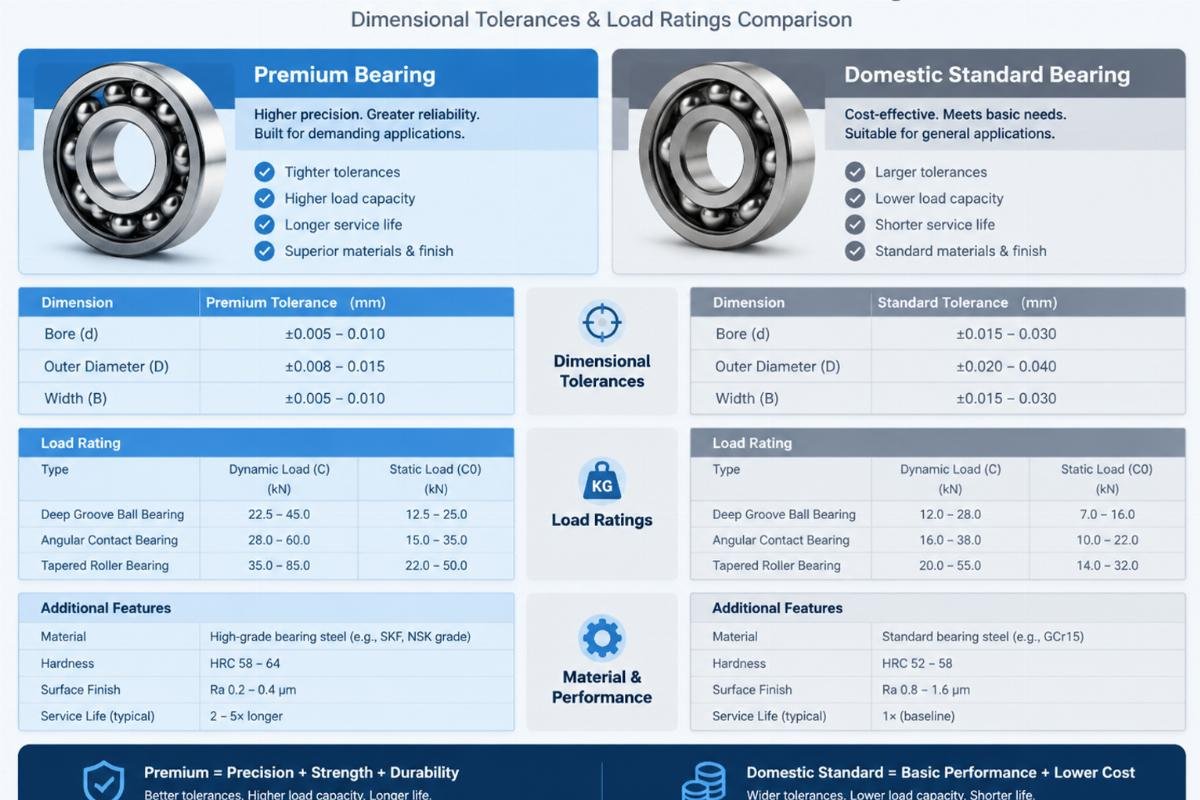
It is crucial to note that this substitution applies to standard applications. For high-precision machine tools or critical safety components, premium brands remain the preferred choice. The value lies in knowing where to draw the line. A professional supplier provides this guidance, helping buyers allocate their budget effectively by using premium brands where necessary and domestic alternatives where sufficient.
How to Optimize MOQ and Lead Times for Mixed Orders?
Flexible consolidation allows single-unit emergency orders alongside full-container bulk purchases.
One of the greatest challenges for regional distributors is balancing inventory costs with service levels. Holding large stocks of every brand and size ties up capital, while ordering small quantities leads to high unit costs and long lead times. Consolidated sourcing offers a middle path. By grouping urgent spare parts with bulk regular orders, buyers can achieve better pricing and faster delivery for the entire shipment. [NEED_CITE: inventory turnover rates for mixed-SKU MRO supplies]
A Belt & Chain Brands with Bearings: Wholesale Supplier for Bulk facilitates this by maintaining a massive spot inventory. This allows them to pick single units of rare or urgent items and combine them with full pallets of standard stock. The result is a single shipment that addresses both immediate breakdowns and long-term stocking needs. This flexibility is particularly valuable for markets in Africa, Latin America, and Southeast Asia, where local availability of specific brands may be limited.
Lead times are also optimized through this model. Instead of waiting for separate shipments from multiple manufacturers, the buyer receives one consolidated container. The supplier handles the coordination with various brand owners or domestic factories, ensuring that all items arrive at the consolidation warehouse simultaneously. This reduces the risk of partial shipments and simplifies the receiving process for the buyer.
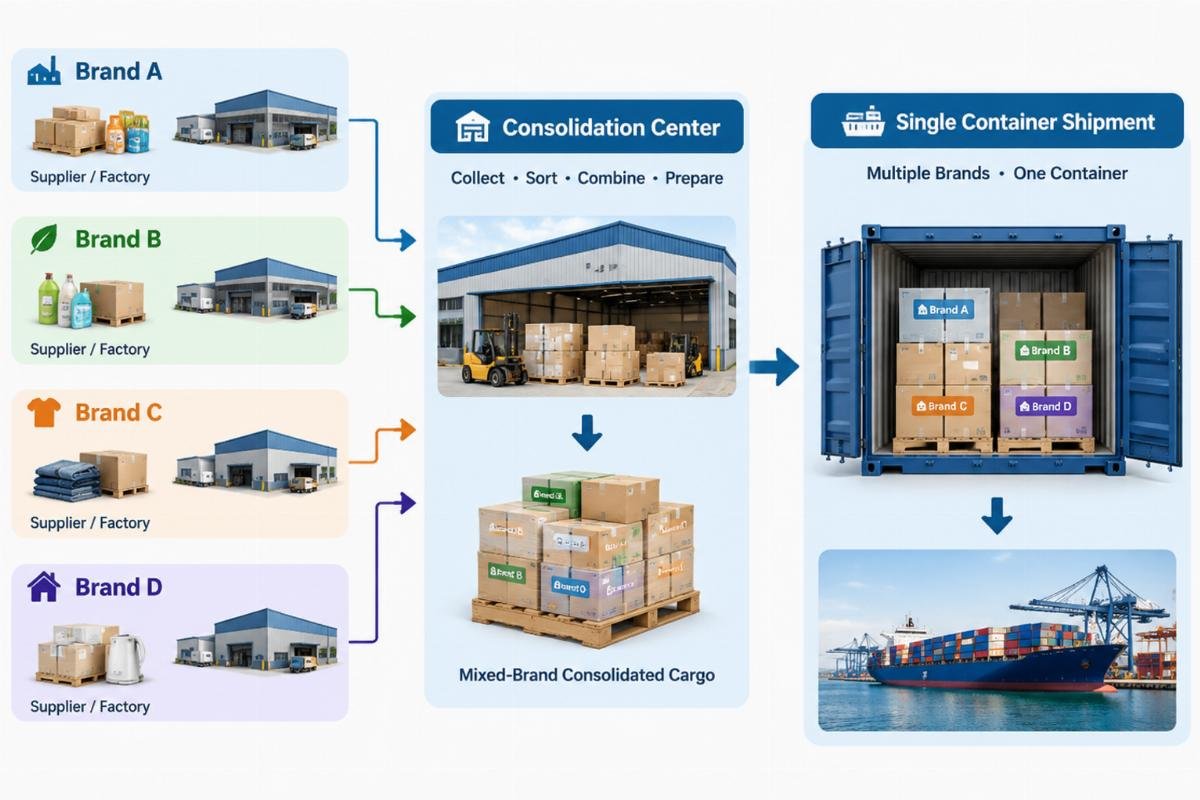
The ability to mix MOQs is a significant competitive advantage. It allows smaller distributors to access premium brands without committing to large minimum orders, while larger buyers can streamline their supply chain by dealing with a single point of contact. This holistic approach to procurement transforms the buying process from a series of transactional purchases into a strategic partnership.
Conclusion
Compliance and consolidation are the twin pillars of efficient mixed-brand sourcing.
Successfully navigating the complexities of Belt & Chain Brands with Bearings: Wholesale Supplier for Bulk transactions requires more than just finding low prices. It demands a rigorous approach to customs documentation, a technical understanding of cross-brand equivalencies, and a logistical strategy that maximizes container utilization. By prioritizing traceability and leveraging domestic alternatives where appropriate, buyers can reduce costs without compromising reliability. The right partner turns these operational challenges into a streamlined, cost-effective supply chain.

Written by
author
Editor covering global sourcing, supplier verification, and industrial product knowledge. Content is compiled from manufacturer specifications, industry standards, and hands-on experience with international B2B buyers. Every article is fact-checked before publishing to help procurement professionals make informed decisions.


