ISPM 15 Wooden Pallets for Bearing Shipments to Europe Wholesale
Avoid customs seizures and heavy demurrage fees by ensuring strict ISPM 15 wooden pallets bearing shipments Europe compliance. Learn to verify valid IPPC marks, understand heat treatment requirements, and choose exempt materials like plywood for smooth European clearance.

ISPM 15 Wooden Pallets for Bearing Shipments to Europe Wholesale
Most buyers assume any wooden pallet is fine for export. They are wrong.
Strict adherence to ISPM 15 standards for wooden pallets is the only way to prevent customs seizures, destruction orders, and heavy demurrage fees when shipping bearings to Europe. Non-compliant packaging triggers immediate quarantine holds, regardless of the bearing quality inside.
I still remember the silence in the warehouse after the call from Hamburg. A container of deep groove ball bearings, perfectly packed and documented, was sitting idle at the port. The issue was not the bearings. It was the solid wood pallets beneath them. They lacked the visible IPPC mark. The local customs authority did not care that the wood looked dry or that the supplier promised it was treated. Without the official stamp, the entire shipment was flagged as a biosecurity risk. The demurrage costs climbed daily, eating into the margin before the goods even reached the customer’s workshop. That incident changed how I view packaging. For European-bound cargo, the pallet is not just a base; it is a legal document. [NEED_CITE: EU customs regulations on wood packaging material]
Understanding this regulatory landscape is critical for distributors and MRO buyers. The difference between a smooth clearance and a logistical nightmare often lies in the details of ISPM 15 wooden pallets bearing shipments Europe.
What is ISPM 15 and why does Europe enforce it for bearings?
The International Standards for Phytosanitary Measures No. 15 (ISPM 15) is a global standard designed to prevent the spread of pests and diseases via wood packaging material in international trade. Europe enforces this strictly because untreated solid wood can harbor bark beetles, nematodes, and other invasive species that threaten local forestry and agriculture. [NEED_CITE: International Plant Protection Convention guidelines]
For bearing suppliers, this means that any solid wood used in crates, pallets, or dunnage must undergo approved treatment. The two primary methods are heat treatment (HT) or methyl bromide fumigation (MB), though HT is far more common and preferred due to environmental concerns. The core requirement is that the wood must reach a minimum internal temperature for a specific duration to ensure all pests are eradicated. [NEED_CITE: ISPM 15 technical specifications for heat treatment]
Many buyers mistakenly believe that plywood or engineered wood requires this treatment. This is a misconception. Plywood, particleboard, and oriented strand board (OSB) are manufactured using heat, glue, and pressure, which inherently eliminates pest risks. Therefore, they are exempt from ISPM 15 marking requirements. However, solid wood pallets, which are often cheaper and widely available, are fully subject to these rules. When sourcing ISPM 15 wooden pallets bearing shipments Europe, you must distinguish between these material types clearly.

The enforcement is not uniform in its severity, but the outcome is consistent: non-compliance leads to rejection. European customs officers are trained to look for the specific IPPC mark. If it is missing, illegible, or painted over, the shipment is detained. For high-value bearing consignments, this delay can disrupt maintenance schedules for industrial clients, leading to significant reputational damage for the distributor.
How to verify valid IPPC marks on pallets before loading?
Verification must happen before the container doors close. Once the shipment leaves the origin, correcting a missing mark is impossible without costly re-export or destruction. A valid IPPC mark contains specific elements that must be visible and legible.
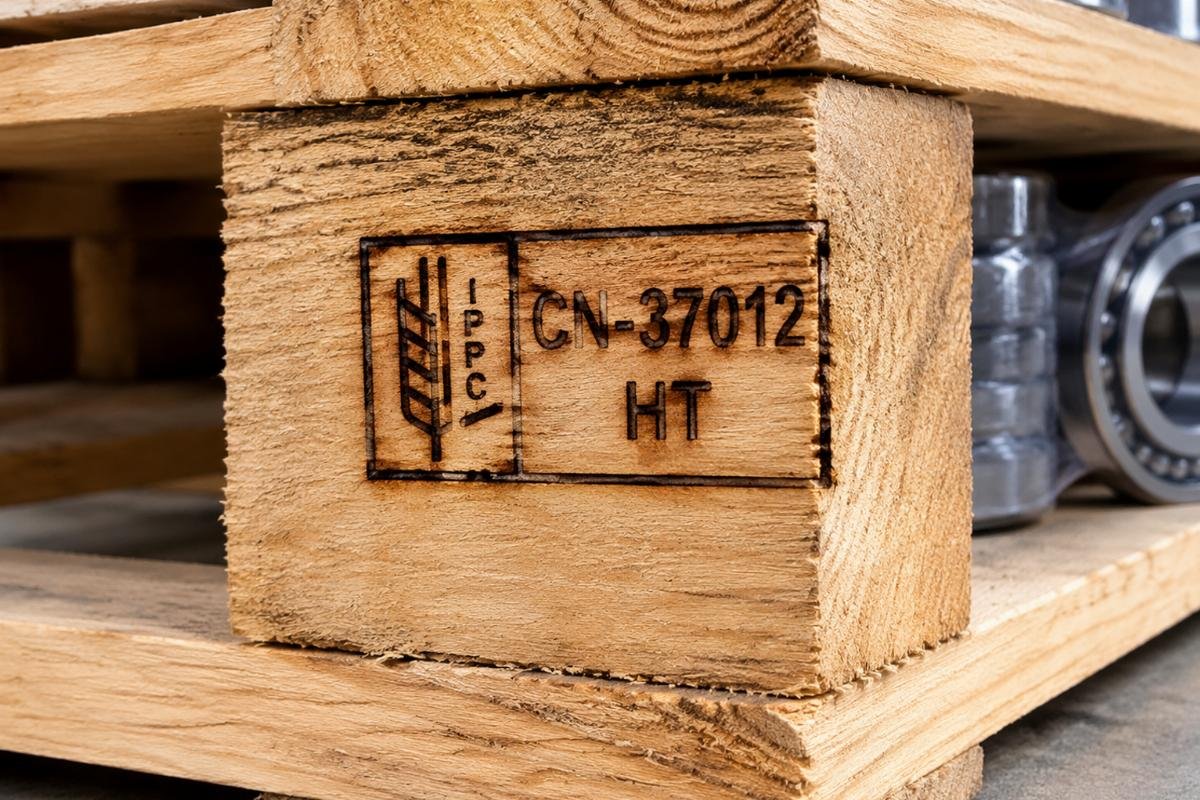
The mark typically includes the IPPC symbol (a wheat stalk), the two-letter country code, a unique producer code, the treatment code (HT for heat treatment or MB for methyl bromide), and potentially a DB mark indicating debarked wood. [NEED_CITE: FAO IPPC marking requirements]
| Element | Requirement | Common Error |
|---|---|---|
| Symbol | Wheat stalk icon | Faded or incomplete stamp |
| Country Code | Two-letter ISO code (e.g., CN, US) | Missing or incorrect code |
| Producer Code | Unique alphanumeric ID | Illegible or generic text |
| Treatment Code | HT or MB | Missing or ambiguous |
| Debarking | DB (if required) | Omitted when mandatory |
Buyers should request photos of the actual pallets used for their order before loading. Do not rely on certificates alone; the physical mark on the wood is what customs inspects. In one case, a consolidation shipment to Rotterdam was delayed because the IPPC marks were stamped on the side of the pallet facing inward, against another pallet. The customs inspector could not see them without unloading the entire stack. The result was weeks of delay while authorities verified the documentation manually.
When dealing with ISPM 15 wooden pallets bearing shipments Europe, ensure the marks are on at least two opposite sides of each pallet. This redundancy helps inspectors verify compliance quickly without moving heavy cargo. [NEED_CITE: Best practices for wood packaging marking visibility]

Additionally, verify the credibility of the pallet supplier. Not all wood processors are certified to apply the IPPC mark. Using uncertified suppliers puts the entire shipment at risk. The responsibility ultimately falls on the exporter and the buyer to ensure compliance, not the freight forwarder.
What are the customs consequences of non-compliant pallets?
The consequences of non-compliance are severe and financially damaging. European customs authorities have zero tolerance for undocumented wood packaging. The typical actions taken include rejection, mandatory re-export, or destruction of the packaging and sometimes the goods.
Rejection means the container is refused entry. The buyer must arrange for the shipment to return to the origin country, incurring double freight costs. Destruction involves the customs authority disposing of the non-compliant wood, often at the buyer’s expense. In some cases, if the wood cannot be separated from the goods easily, the entire consignment may be destroyed. [NEED_CITE: EU customs penalty frameworks for phytosanitary violations]
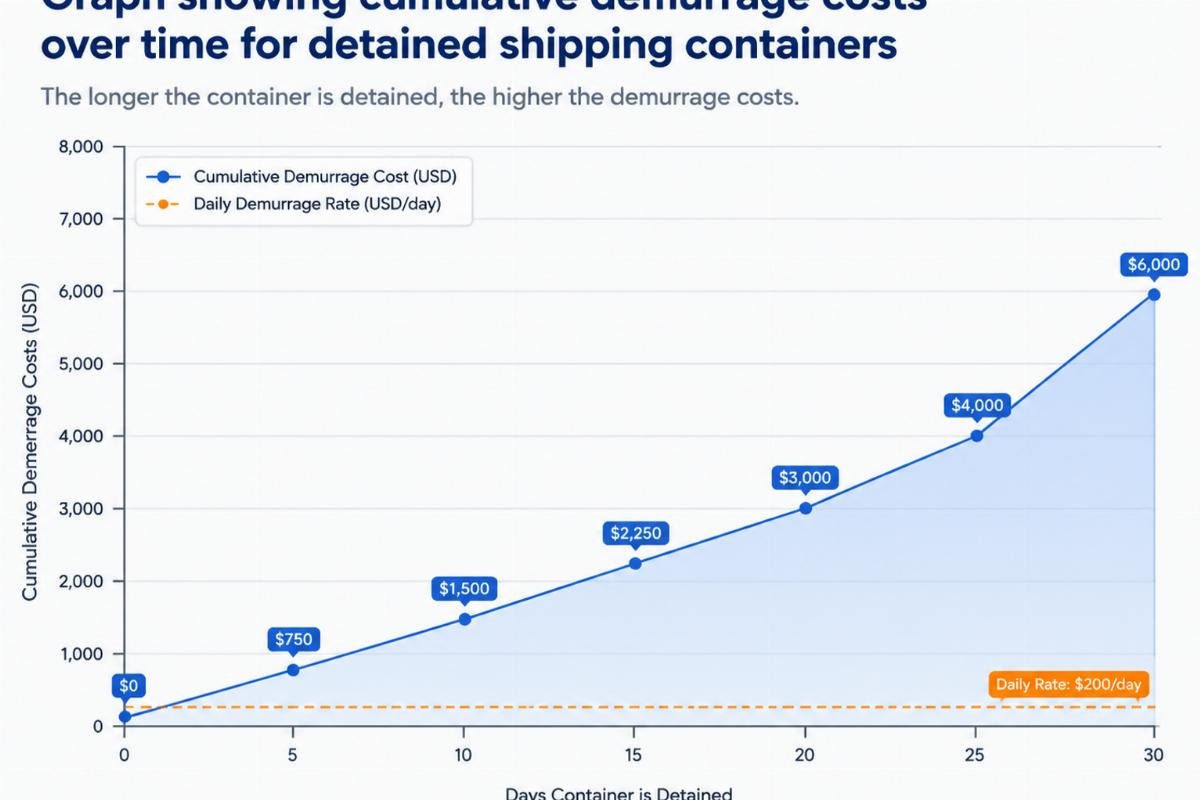
Demurrage and detention charges accumulate rapidly. Ports charge daily fees for containers that remain in the terminal beyond the free time. These fees can quickly exceed the value of the bearings themselves. For a Middle East steel mill operator waiting for urgent spherical roller bearings, a two-week delay due to pallet issues meant extended downtime for a critical crusher. The cost of the delay far outweighed the savings from using cheaper, non-compliant pallets.
Furthermore, repeated violations can lead to increased scrutiny for future shipments from the same exporter or importer. Customs may flag the company for physical inspections on every subsequent arrival, slowing down supply chain velocity permanently. This is why compliance with ISPM 15 wooden pallets bearing shipments Europe is not just a one-time check but a long-term strategic requirement.
Are there alternative packaging materials to avoid ISPM 15?
Yes, there are effective alternatives that bypass ISPM 15 requirements entirely. Using exempt materials eliminates the risk of missing marks or invalid treatments. The most common alternatives are plywood, plastic, and metal pallets.
Plywood pallets are widely used in the bearing industry. They are strong, lightweight, and exempt from ISPM 15 because of the manufacturing process. Plastic pallets are durable and reusable, ideal for closed-loop supply chains, but may have higher upfront costs. Metal pallets offer maximum strength for heavy equipment bearings but are expensive and heavy, increasing freight costs.
| Material | ISPM 15 Required | Durability | Cost Profile | Suitability for Bearings |
|---|---|---|---|---|
| Solid Wood | Yes | High | Low | Standard, if marked correctly |
| Plywood | No | Medium-High | Medium | Highly Recommended |
| Plastic | No | High | High | Good for reusable loops |
| Metal | No | Very High | Very High | For heavy industrial units |
Switching to plywood or composite pallets simplifies the export process. There is no need to verify heat treatment certificates or check for wheat stamps. This reduces administrative burden and minimizes the risk of human error during inspection. For mixed-brand consolidations, where pallets may come from various sources, using exempt materials ensures uniform compliance. [NEED_CITE: Industry guidelines on alternative packaging materials]
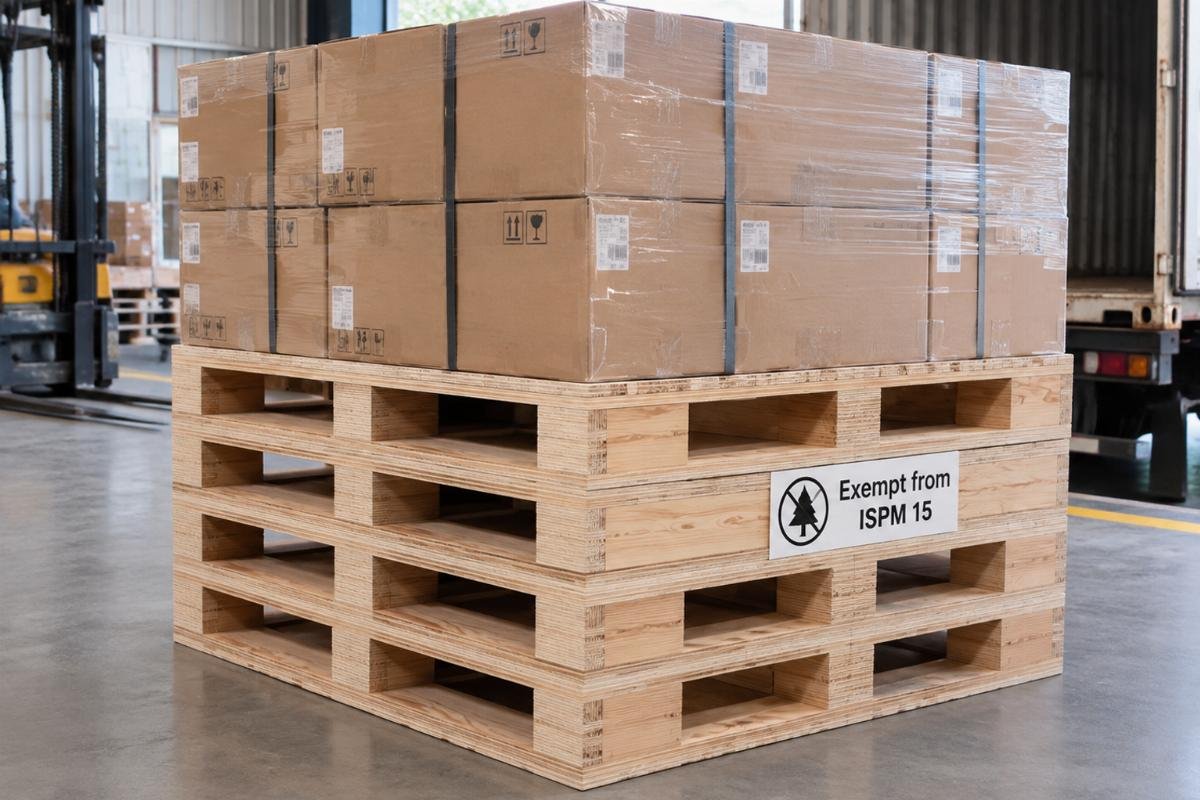
Many professional suppliers now default to plywood or certified heat-treated wood for European shipments. This proactive approach prevents the issues seen in earlier cases. When sourcing ISPM 15 wooden pallets bearing shipments Europe, asking for exempt materials can be a smarter logistical choice than relying on solid wood compliance.
Conclusion
Compliance is cheaper than correction.
Shipping bearings to Europe requires strict attention to packaging regulations. ISPM 15 is not a suggestion but a mandatory barrier to entry. Verifying IPPC marks, understanding the risks of non-compliance, and considering exempt materials like plywood are essential steps for any distributor. By prioritizing compliant packaging, buyers protect their margins and ensure timely delivery for their end clients. The focus on ISPM 15 wooden pallets bearing shipments Europe remains a critical component of successful international trade in the bearing sector.
Tagged

Written by
author
Editor covering global sourcing, supplier verification, and industrial product knowledge. Content is compiled from manufacturer specifications, industry standards, and hands-on experience with international B2B buyers. Every article is fact-checked before publishing to help procurement professionals make informed decisions.