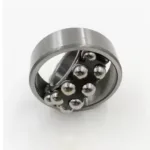
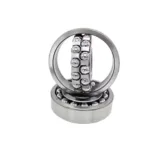
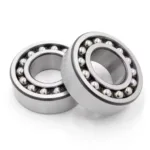
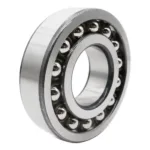
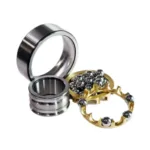
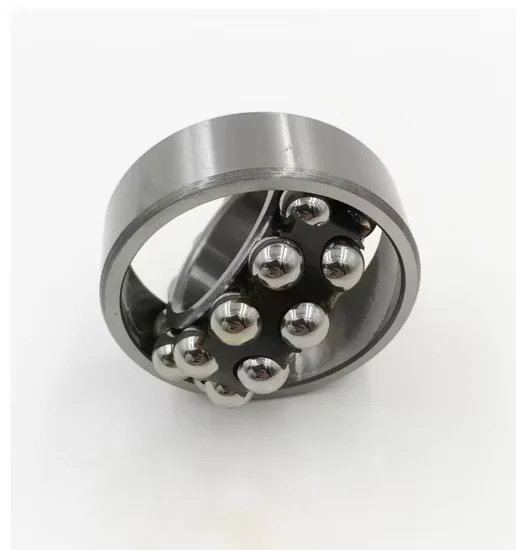
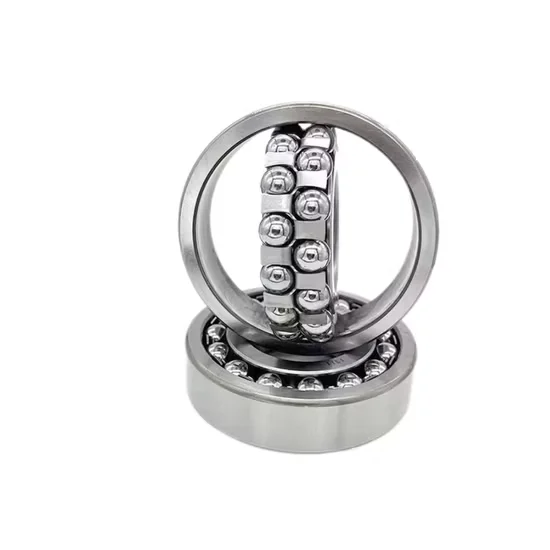
1200 1201 1202 1203 Self Aligning Ball Bearing High Precision
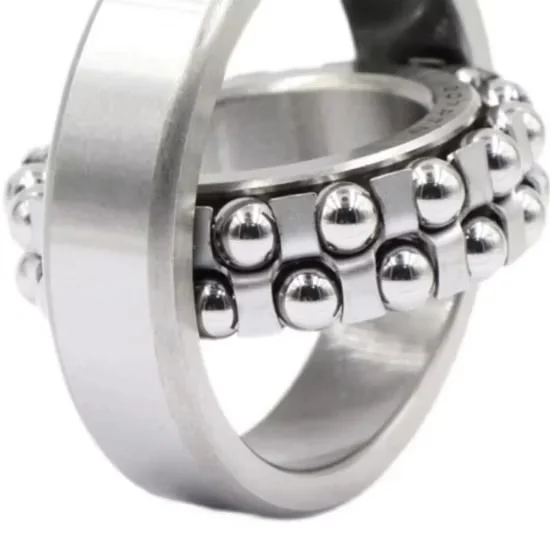
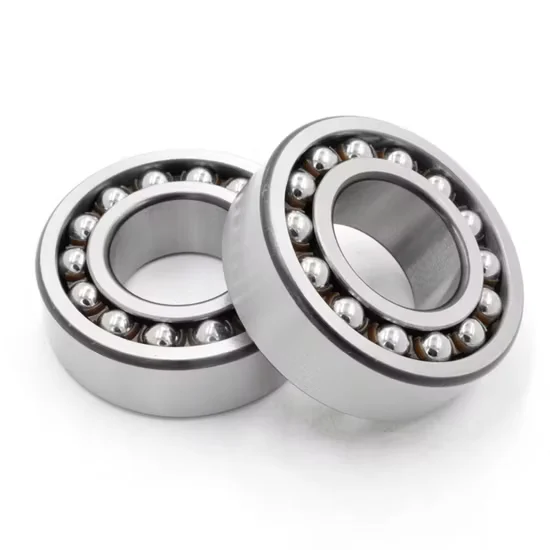
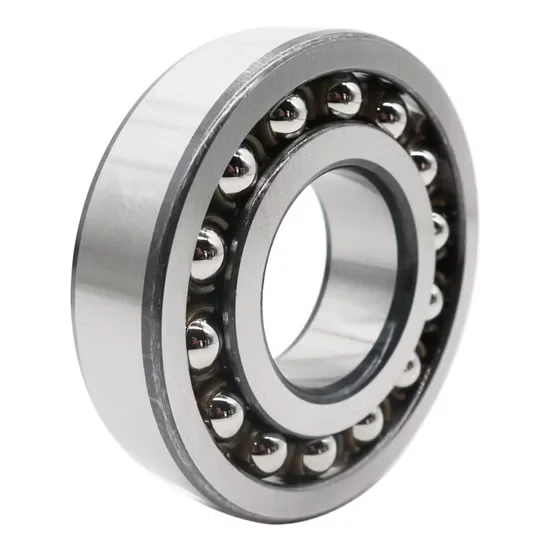
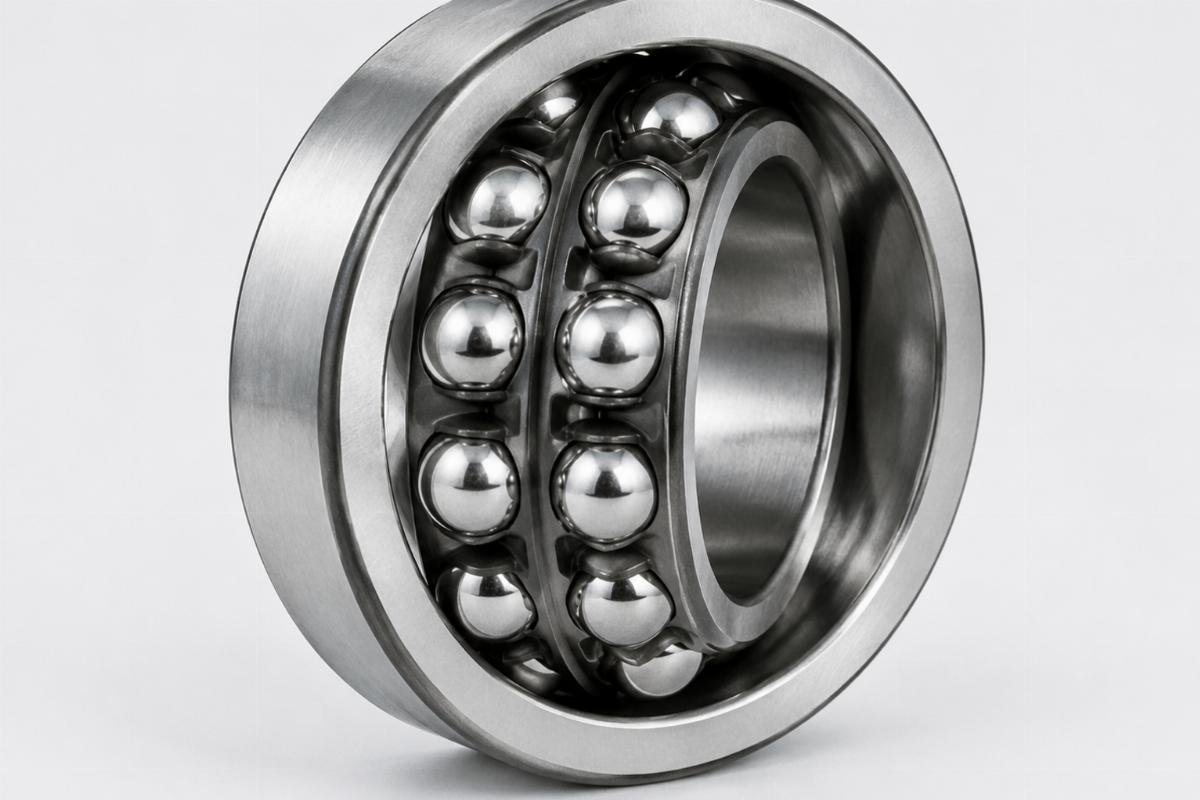
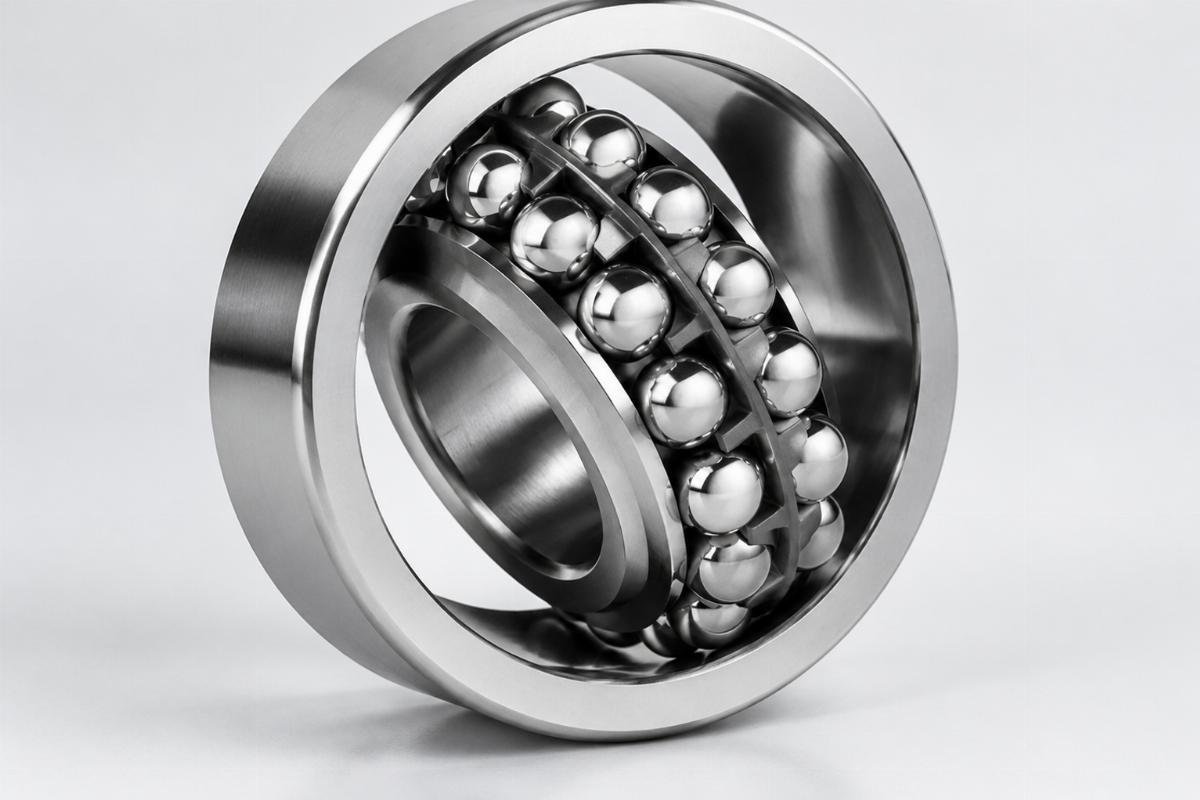
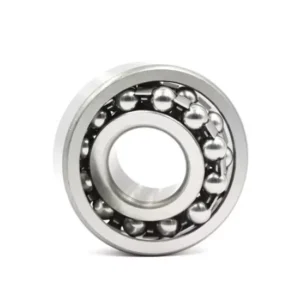
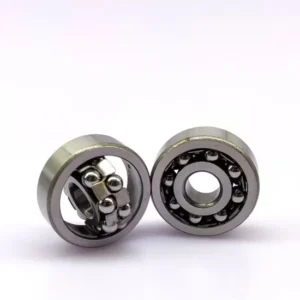
1200 1201 1202 1203 Self-Aligning Ball Bearing — double-row Gcr15/100cr6 chrome steel construction accommodates shaft misalignment with 12.7 kN dynamic and 3.7 kN static load capacity for textile and agricultural machinery applications.
Every order ships with complete documentation package including Gcr15 material certificates and dimensional inspection reports for full batch traceability.
Cross-Reference Alignment — We verify dimensional and load equivalence across KOYO, NTN, and NSK catalogs for the 1200 series to ensure direct drop-in replacement.
Technical Specifications
Parameter
Value
Designation
1200 1201 1202 1203
Bearing Type
Self-Aligning Ball Bearing
Number of Rows
Double-Row
Material
Chrome Steel Gcr15 / 100cr6
Dynamic Load Rating (C)
12.7 kN
Static Load Rating (C₀)
3.7 kN
Origin
Shandong, China
Application Suitability
Industry
Typical Applications
Textile Manufacturing
Yarn guides and tensioning rollers
Agriculture
Seed drill metering mechanisms
Material Handling
Conveyor belt return idlers
Power Transmission
Light-duty gearbox shaft supports
Why Shaft Deflection Destroys the 1200 1201 1202 1203 Self-Aligning Ball Bearing in Textile Machines
Misalignment causes edge loading that rapidly fractures standard deep-groove raceways.
In my early years conducting failure analysis in Middle Eastern agricultural sites, I saw standard bearings fail prematurely due to severe shaft deflection and relentless dust ingress. When equipment operators ignore the self-aligning capability required for flexible shafts, edge loading generates excessive heat and accelerates surface distress. I recall a specific water pump application where incorrect configuration led to thermal expansion and eventual seizure under extreme desert temperatures. Selecting the correct 1200 1201 1202 1203 self-aligning ball bearing configuration and understanding the open design limitations prevents these catastrophic failures. [NEED_CITE: rolling bearing failure mode classification per ISO 15243]
Matching the 1200 Series to Flexible Shaft Environments
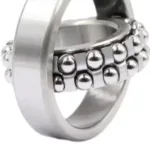
The 1200 1201 1202 1203 self-aligning ball bearing features a sphered outer ring raceway that automatically compensates for angular misalignment. This design is critical for textile and agricultural machinery where shaft deflection is unavoidable during continuous operation. By allowing the inner ring to swivel freely, the bearing prevents the edge loading that typically destroys rigid deep-groove alternatives. Our engineering team provides cross-brand equivalent model consultation to ensure the selected variant matches your specific operational deflection limits and housing constraints.
Navigating Dust and Thermal Expansion in Open Designs
Open-type 1200 1201 1202 1203 self-aligning ball bearing units in agricultural and conveyor applications face severe particulate contamination and drastic temperature fluctuations. Without protective seals, dust ingress combined with thermal expansion can quickly degrade the lubricant and cause catastrophic seizure. Proper external sealing arrangements and regular relubrication cycles are mandatory to maintain the dynamic load capacity and flush out debris. Selecting the right clearance class is equally vital to accommodate thermal growth during continuous operation, ensuring the rolling elements do not bind within the raceway. [NEED_CITE: impact of particulate contamination on bearing fatigue life]
Decoding the Double-Row Sphered Raceway Architecture
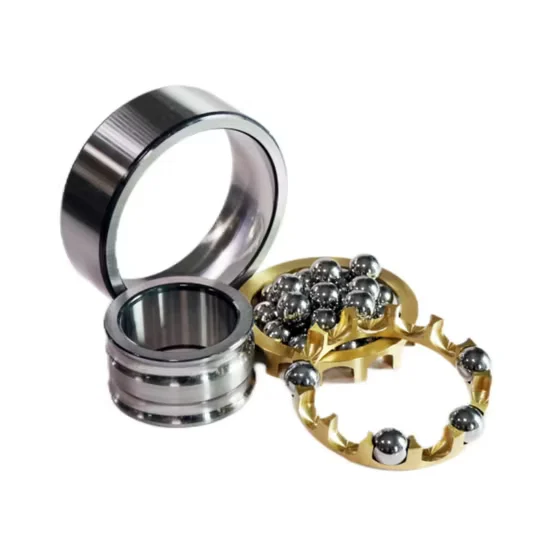
The double-row configuration provides balanced radial load distribution while allowing the inner ring and ball assembly to swivel freely within the outer ring. Available in high-purity Gcr15 or 100cr6 chrome steel variants, the raceways achieve the necessary hardness to resist spalling under continuous rotation. The dynamic load rating of 12.7 kN and static load rating of 3.7 kN define the operational boundaries for light-to-moderate duty cycles in textile and conveyor systems. Because these specific designations lack suffix codes, they represent the standard open design with normal internal clearance and pressed steel cages. Engineers must verify that the housing design provides adequate external sealing to protect the exposed rolling elements from environmental hazards.
The Downtime Penalty of Ignoring Misalignment Tolerances
Specifying a rigid bearing for a deflecting shaft leads to uneven load distribution and accelerated fatigue. This mismatch results in unplanned downtime and catastrophic damage to adjacent gearbox components or conveyor rollers. According to ISO 15243, surface distress and smearing are common failure modes when misalignment exceeds the bearing’s internal tolerance. Replacing these components frequently drives up maintenance costs far beyond the initial procurement savings, making the self-aligning capability a critical investment for long-term reliability. [NEED_CITE: misalignment-induced fatigue per ISO 281 life calculation standards]
Securing Genuine 1200 Series Inventory for Global MRO
We maintain massive spot inventory covering thousands of standard part numbers, ensuring rapid dispatch for urgent MRO requirements across global markets. When sourcing the 1200 series, buyers often struggle with cross-referencing internal clearances and cage designs across different manufacturers; our technical selection support resolves these discrepancies efficiently. We supply genuine products from KOYO, NTN, NSK, and reliable domestic lines with complete traceability documentation. Our flexible MOQ accommodates everything from single-unit emergency orders to full container consolidations for large-scale agricultural projects. Furthermore, our competitive sourcing cost provides a distinct advantage over direct official brand channels without compromising the ISO-compliant quality assurance you expect.
Documentation & Authenticity
Certificate of Conformity verifying Gcr15 or 100cr6 material composition for the 1200 series open design.
Original manufacturer batch codes traced directly to the production facility for these double-row units.
Dimensional inspection reports confirming the sphered outer ring tolerances of the 1200 series.
Official brand authentication via QR codes for KOYO, NTN, and NSK variants of this self-aligning type.
Storage, Handling & Mounting
Keep the open-type 1200 series in original packaging to prevent dust ingress before installation.
Store Gcr15 or 100cr6 chrome steel components in climate-controlled environments to prevent surface corrosion.
Apply clean gloves during handling to avoid transferring moisture to the exposed double-row raceways.
Verify shaft and housing shoulder dimensions to ensure proper axial support for the inner ring.
Follow manufacturer guidelines for induction heating when mounting these specific 1200 series bore sizes.
Preparing Your Technical Parameters for Selection
To ensure optimal performance, please share your specific radial and axial loads, operating speeds, and ambient temperature ranges. Providing the OEM equipment model number allows our team to perform accurate cross-reference verification and L10 life calculations. Detail your housing sealing capabilities, as the open design of these bearings relies entirely on external contamination protection.
Frequently Asked Questions
Q: How do I verify the authenticity of KOYO, NTN, and NSK bearings?
A: We provide complete traceability documentation, including original manufacturer batch codes and certificates of conformity. For premium brands like KOYO, NTN, and NSK, you can utilize their official mobile applications or scan the QR codes on the packaging to authenticate the 1200 series bearings directly against the manufacturer’s database, ensuring genuine origin.
Q: What precautions are needed when cross-referencing the 1200 series across brands?
A: When cross-referencing, it is crucial to verify that the internal clearance, cage material, and dimensional tolerances align perfectly across different manufacturers. While basic dimensions remain constant, subtle variations in the sphered outer ring curvature or ball grades can affect misalignment capacity. Our engineering team provides detailed cross-reference consultations to guarantee direct drop-in compatibility.
Q: How does the open design affect lubrication in agricultural machinery?
A: Since these specific 1200 1201 1202 1203 self-aligning ball bearing designations lack seal or shield suffixes, they feature an open design that requires external sealing from the housing. In dusty agricultural environments, this allows for custom relubrication cycles and the use of specialized greases. However, it demands rigorous housing seal maintenance to prevent particulate contamination from reaching the double-row raceways.
Q: What are the misalignment tolerance limits for this self-aligning series?
A: The sphered outer ring raceway allows the inner ring and ball assembly to swivel, accommodating static angular misalignment caused by shaft deflection or housing machining errors. While exact limits depend on the specific bore size and load conditions, this design generally tolerates minor misalignments without inducing edge loading, thereby protecting the Gcr15 chrome steel raceways from premature fatigue.
Shipping Information
EU Warehouse
3-7 working days (bonded stock)
Direct from China
Shanghai & Ningbo hubs (bulk / FCL)
Markets Served
DE · IT · PL · ES · NL · FR · EU+
Incoterms
DDP / DAP available on request
Minimum Order
Contact us for MOQ details
Documents Included with Every Shipment
EN and ISO Quality Certificates
Batch traceability and manufacturing standard
Material & Heat-Treatment Reports
Full material composition and process records
CE Declaration of Conformity
For bearing units and motion products
RoHS Compliance Declaration
Restriction of hazardous substances
EUR.1 Movement Certificate
Preferential origin for EU customs
Certificate of Origin
Country of manufacture documentation
Correct HS Codes
Pre-classified for smooth customs clearance
Commercial Invoice & Packing List
VAT-compliant intra-EU invoicing
Transparent Landed Cost with Tax Explanation
SKFEU provides full price transparency so EU buyers know exactly what they pay. No hidden duties, no surprise charges at customs.
VAT-Compliant Invoicing
All intra-EU transactions are invoiced with correct VAT treatment. B2B buyers with valid EU VAT numbers receive zero-rated invoices where applicable.
No Unexpected Import Duties
Goods shipped from our EU bonded warehouse arrive as intra-EU movements -- no import duties, no customs delays for EU-based buyers.
EUR.1 & Origin Docs Ready
For shipments direct from China, EUR.1 movement certificates and certificates of origin are prepared in advance to minimise customs clearance time.
DDP Pricing Available
Ask for Delivered Duty Paid quotations -- we absorb all import costs so your landed cost is fixed and predictable from day one.
Need a landed cost breakdown? Contact Sofia at
sofia@skfeu.com
or via WhatsApp for a full DDP quotation including freight, duties and VAT for your country.
Send Inquiry
Request Pricing & Availability
Share your requirements and Sofia will respond within one working day with pricing, lead time and full documentation details.