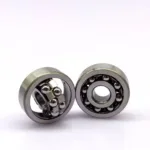
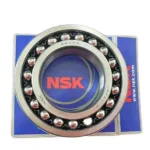
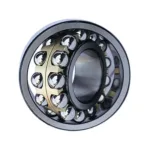
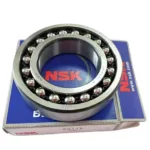
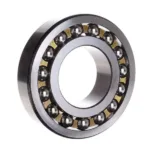
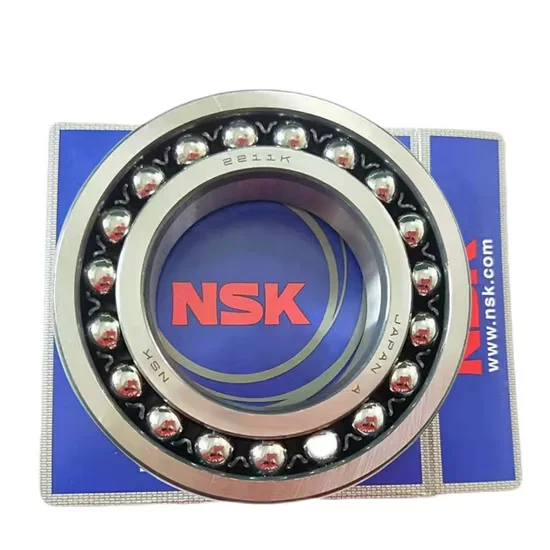
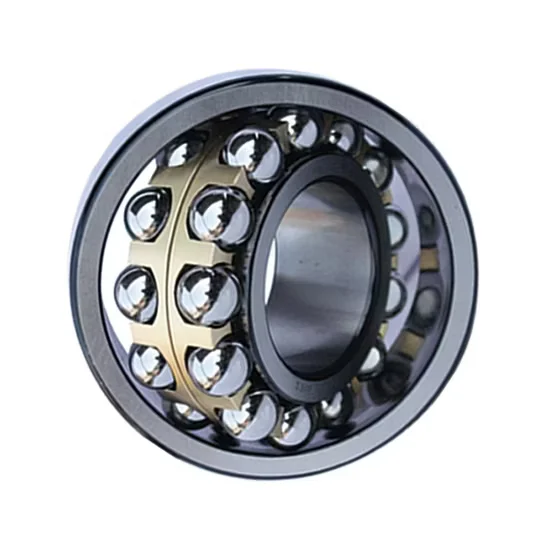
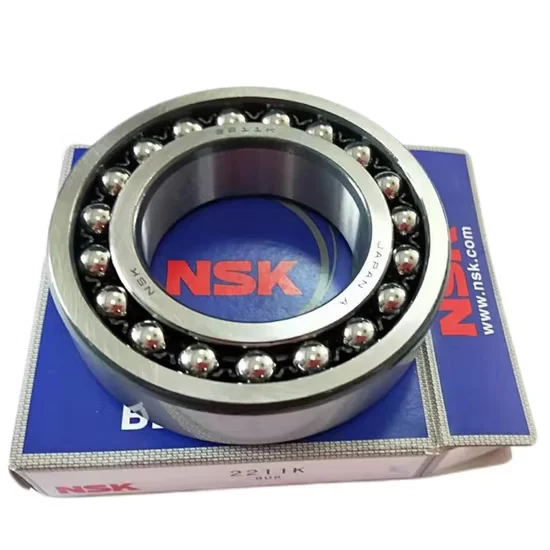
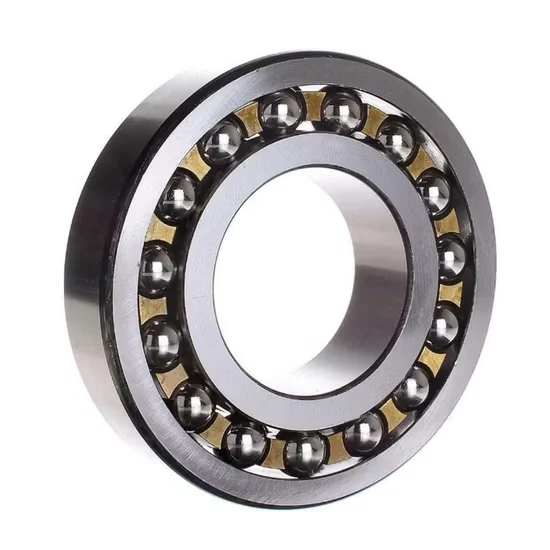
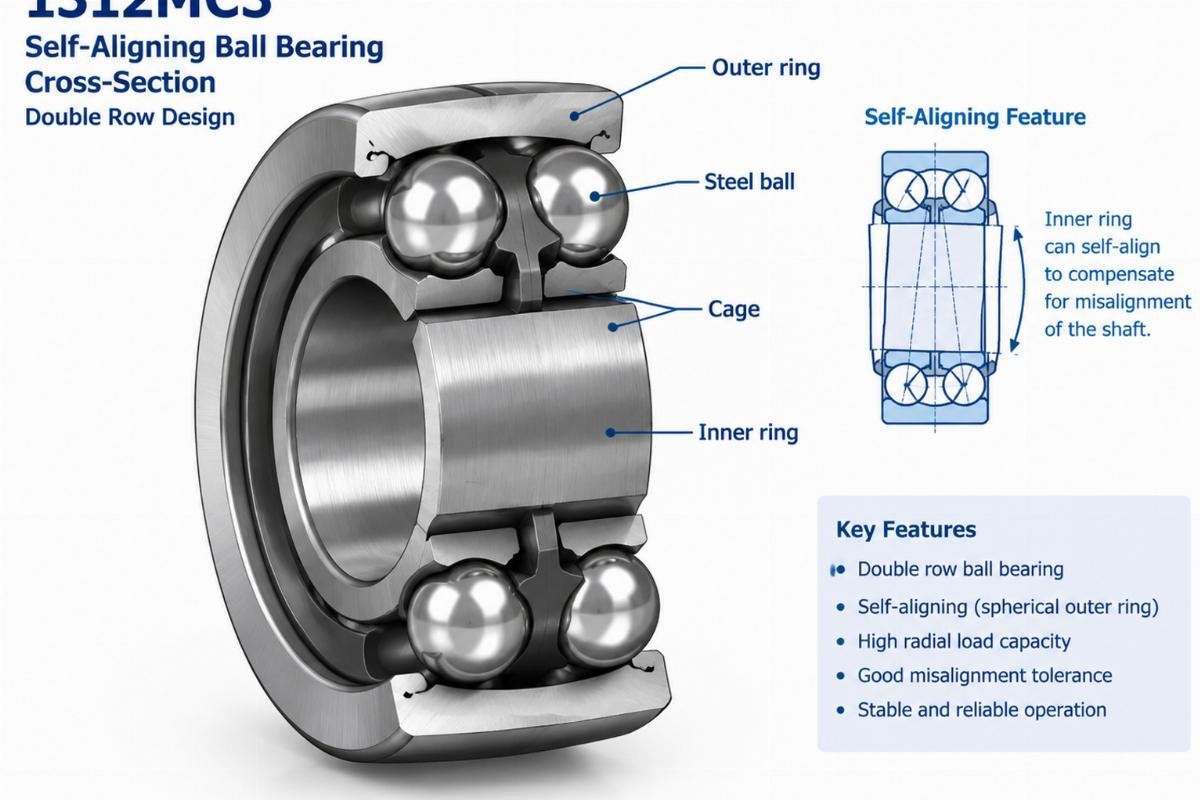
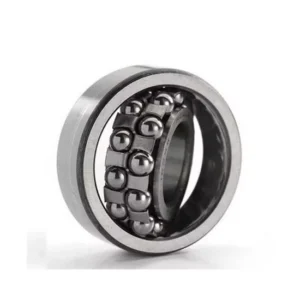
1312mc3 Self-Aligning Double Row Ball Bearing 60×130×31 mm P5 C3
Features C3 internal clearance to accommodate thermal expansion and maintain optimal performance during high-speed operation.
P5 precision class guarantees tighter dimensional and running accuracy compared to standard tolerances.
Every order is shipped with a complete documentation package, including original material certificates and detailed dimensional inspection reports for full traceability.
Cross-reference alignment verified — Every 1312mc3 cross-check aligns clearance, cage material, and P5 precision across OEM equivalents.
Technical Specifications
Parameter
Value
Designation
1312mc3
Bearing Type
Self-Aligning Ball Bearing
Bore Diameter (d)
60 mm
Outside Diameter (D)
130 mm
Width (B)
31 mm
Precision Class
P5
Clearance Class
C3
Number of Rows
Double-Row
Material
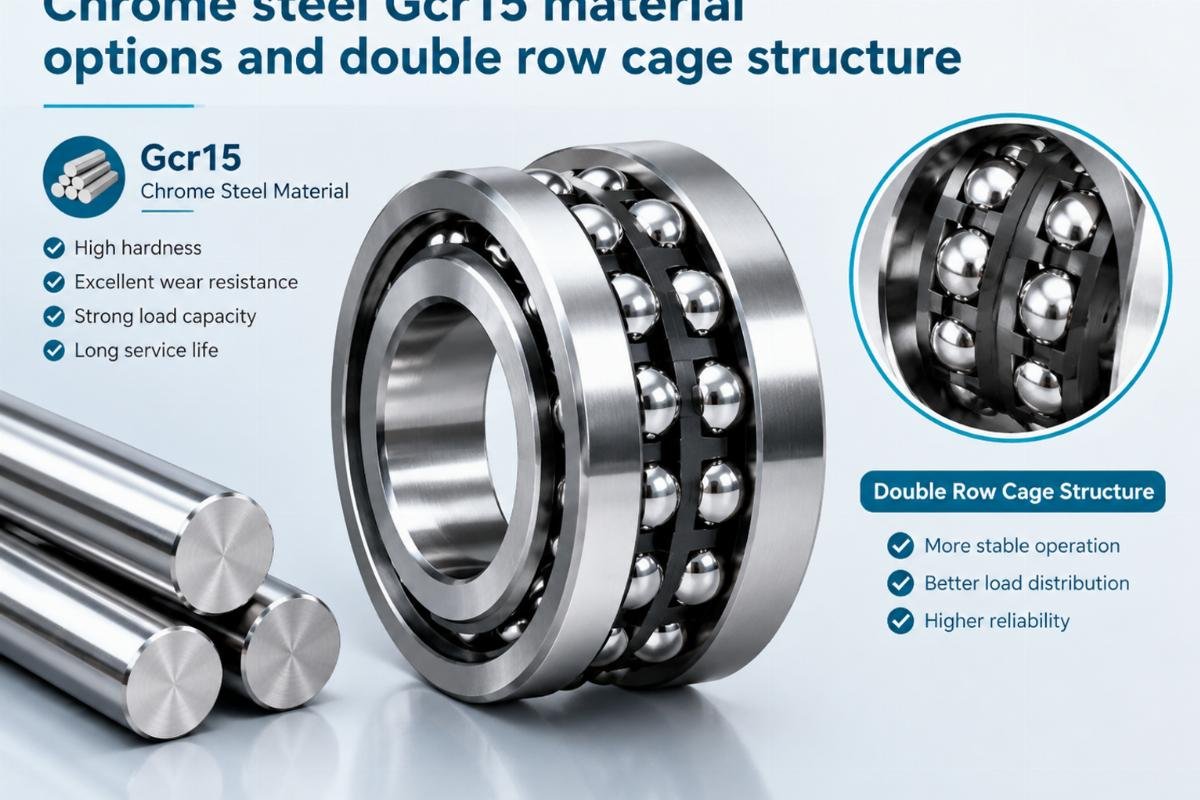
Chrome Steel Gcr15 / 100cr6
Origin
Shandong, China
Application Suitability
Industry
Typical Applications
Textile Manufacturing
Yarn guide rollers and tensioning shafts with slight misalignment
Agricultural Machinery
Conveyor drive shafts and seeding mechanism pivots
Material Handling
Belt conveyor idler rolls and transfer line pulleys
General Manufacturing
Exhaust fan shafts and light-duty pump assemblies
Why Shaft Deflection Destroys Standard Bearings Before the 1312mc3 Self-Aligning Double Row Ball Bearing Fails
Rigid bearings crack under angular misalignment, while self-aligning designs absorb the deflection.
When I first handled export documentation in the Yangtze River Delta manufacturing hub, I mixed up a standard 1312M with a 1312ETN9 variant, completely ignoring the critical cage material difference. The result was a shattered polyamide cage and a severely seized shaft inside a high-temperature textile drying oven. That expensive mistake proved that specifying the correct internal geometry and cage material for a 1312mc3 self-aligning ball bearing prevents catastrophic line stoppages. Maintenance teams often overlook how minor housing misalignments generate massive edge loads on rigid bearings, leading to rapid raceway spalling. By utilizing a sphered outer ring raceway, this specific configuration absorbs those static and dynamic angular errors gracefully. [NEED_CITE: bearing failure modes related to cage fatigue and thermal expansion]
Matching Internal Geometry to Misaligned Conveyor Shafts
Conveyor systems, agricultural pivots, and material handling transfer lines rarely maintain perfect housing alignment during continuous operation. Structural flexing and foundation settling introduce persistent angular errors that destroy standard deep groove alternatives. The 1312mc3 self-aligning ball bearing accommodates these deflections without transferring destructive edge loads to the raceways, preserving the lubricant film. Our global sourcing network ensures that whether you need a single emergency spare for an immediate breakdown or a full container consolidation for a scheduled plant overhaul, the exact P5 precision variant reaches your facility. We consolidate mixed-brand packages with complete traceability, eliminating the administrative burden of coordinating multiple suppliers for a single maintenance project.
Thermal Expansion and Lubrication Starvation in Textile Ovens
Textile drying ovens and agricultural processing conveyors expose rotating components to fluctuating thermal cycles and heavy particulate ingress. Elevated ambient temperatures cause significant shaft expansion, demanding adequate internal clearance to prevent preload binding and subsequent thermal seizure. Meanwhile, airborne lint, seed dust, and agricultural chaff threaten to contaminate the lubricant, accelerating abrasive wear on the rolling elements. Selecting the appropriate internal clearance and verifying the cage material’s thermal stability ensures the assembly survives these harsh operational variables. Engineers must also consider the relubrication intervals, as open designs require strict maintenance schedules to flush out contaminants, whereas sealed variants might suffer from grease degradation if the thermal limits are exceeded. [NEED_CITE: thermal expansion effects on internal bearing clearance]
Decoding the C3 Clearance and P5 Tolerance Band
The C3 clearance designation provides greater internal radial play than the standard CN class, accommodating thermal shaft elongation and tight interference fits common in heavy-duty pulleys and fan assemblies. Upgrading to P5 precision tightens the dimensional and running accuracy tolerances, significantly reducing vibration and noise in high-speed textile rollers. The chrome steel Gcr15 material delivers the necessary fatigue strength and wear resistance for continuous radial loads. While the double-row design maximizes load capacity within the 130mm outer diameter envelope, the specific cage design dictates the maximum operating speed and vibration resistance. Note: The ‘m’ suffix in this specific identifier remains unverified and requires manufacturer catalog confirmation to confirm the exact cage design and material.
The Downtime Multiplier of Ignoring Suffix Variations
Selecting a standard clearance or an incorrect cage material for a high-temperature application inevitably leads to rapid thermal seizure and extensive unplanned downtime. When a cage fractures due to thermal binding or centrifugal forces, it often causes secondary catastrophic damage to the shaft, housing, and adjacent drive components. Following the failure classification frameworks established in ISO 15243 helps maintenance teams accurately identify whether the root cause was improper clearance selection, lubrication starvation, or geometric misalignment. Replacing a failed unit without addressing the underlying suffix mismatch simply resets the clock for another premature failure, multiplying the total cost of ownership through lost production hours and emergency freight expenses. [NEED_CITE: rolling bearing failure mode classification per ISO 15243]
Securing Traceable P5 Precision Across Mixed Brand Orders
Sourcing identical P5 precision and C3 clearance specifications across mixed-brand project orders is notoriously difficult in the current supply chain environment. We consolidate genuine OZD, KOYO, NTN, and NSK equivalents into single shipments, meticulously verifying that the dynamic load ratings and dimensional tolerances align perfectly across all requested manufacturers. Our technical team cross-references the exact cage and clearance suffixes to prevent the exact misalignment failures I witnessed early in my career. Every unit ships with original factory batch documentation, eliminating the risk of counterfeit substitutes infiltrating critical MRO inventories. This rigorous verification process ensures that a replacement bearing performs identically to the original equipment manufacturer’s specification, regardless of the brand stamped on the outer ring.
Documentation & Authenticity
Certificate of Conformity confirming P5 dimensional tolerances for the 1312mc3 batch.
Original factory batch traceability linking the C3 clearance variant to its production date.
Material inspection report verifying Gcr15 chrome steel chemical composition.
Running accuracy inspection confirming P5 tolerance before shipment.
Cross-reference alignment document verifying equivalent suffixes across requested brands.
Storage, Handling & Mounting
Keep the 1312mc3 in its original moisture-barrier packaging until mounting to protect the Gcr15 raceways from humidity.
Use induction heating for the 130mm outer ring interference fit, avoiding open flames that degrade the C3 clearance grease.
Verify the P5 precision running accuracy with a dial indicator before pressing the 60mm inner ring onto the shaft.
Store double-row variants horizontally to prevent the inner ring from shifting and brinelling the raceway under its own weight.
Provide Operational Parameters for Technical Verification
To ensure the selected 1312mc3 self-aligning ball bearing perfectly matches your specific application, share your exact radial and axial loads, operating speeds, and thermal profiles. Providing the OEM equipment model number allows our engineering team to perform a precise cross-reference check and calculate the theoretical L10 life under your unique operating conditions. Detail any known housing misalignment angles, shaft deflection metrics, or exposure to corrosive elements so we can confirm the optimal clearance and cage configuration. This technical review guarantees that the supplied bearings integrate flawlessly into your machinery, preventing costly installation delays and premature warranty voidance.
Frequently Asked Questions
Q: What does the C3 clearance mean for this double-row bearing?
A: The C3 designation indicates greater internal radial clearance than standard. This extra play accommodates thermal shaft expansion in high-temperature environments like textile ovens and prevents the bearing from seizing under tight interference fits. It is essential for applications where the inner ring runs significantly hotter than the outer housing.
Q: How do I verify the cross-reference equivalents for this model?
A: When substituting brands like KOYO, NTN, or NSK, you must align three parameters: the C3 clearance, the P5 precision class, and the specific cage material. We provide a cross-reference alignment document confirming that the substitute matches these exact suffixes, preventing the premature cage failures caused by mismatched internal geometries.
Q: Why is P5 precision specified instead of standard P0 for this size?
A: P5 precision offers tighter dimensional and running accuracy tolerances compared to standard P0 class. For the 60x130x31mm size operating in high-speed textile machinery or precision conveyors, this reduces vibration and noise. The tighter tolerances ensure smoother rotation and extend the operational lifespan of the shaft assembly under continuous radial loads.
Q: What documentation is provided to prove the material authenticity?
A: Every shipment includes a material inspection report verifying the Gcr15 chrome steel composition and a Certificate of Conformity for the P5 tolerances. We also provide original factory batch traceability documents. This ensures the 1312mc3 self-aligning ball bearing units are genuine and meet the exact metallurgical standards required for demanding applications.
Shipping Information
EU Warehouse
3-7 working days (bonded stock)
Direct from China
Shanghai & Ningbo hubs (bulk / FCL)
Markets Served
DE · IT · PL · ES · NL · FR · EU+
Incoterms
DDP / DAP available on request
Minimum Order
Contact us for MOQ details
Documents Included with Every Shipment
EN and ISO Quality Certificates
Batch traceability and manufacturing standard
Material & Heat-Treatment Reports
Full material composition and process records
CE Declaration of Conformity
For bearing units and motion products
RoHS Compliance Declaration
Restriction of hazardous substances
EUR.1 Movement Certificate
Preferential origin for EU customs
Certificate of Origin
Country of manufacture documentation
Correct HS Codes
Pre-classified for smooth customs clearance
Commercial Invoice & Packing List
VAT-compliant intra-EU invoicing
Transparent Landed Cost with Tax Explanation
SKFEU provides full price transparency so EU buyers know exactly what they pay. No hidden duties, no surprise charges at customs.
VAT-Compliant Invoicing
All intra-EU transactions are invoiced with correct VAT treatment. B2B buyers with valid EU VAT numbers receive zero-rated invoices where applicable.
No Unexpected Import Duties
Goods shipped from our EU bonded warehouse arrive as intra-EU movements -- no import duties, no customs delays for EU-based buyers.
EUR.1 & Origin Docs Ready
For shipments direct from China, EUR.1 movement certificates and certificates of origin are prepared in advance to minimise customs clearance time.
DDP Pricing Available
Ask for Delivered Duty Paid quotations -- we absorb all import costs so your landed cost is fixed and predictable from day one.
Need a landed cost breakdown? Contact Sofia at
sofia@skfeu.com
or via WhatsApp for a full DDP quotation including freight, duties and VAT for your country.
Send Inquiry
Request Pricing & Availability
Share your requirements and Sofia will respond within one working day with pricing, lead time and full documentation details.