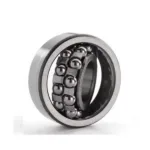
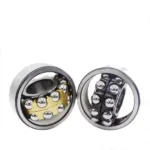
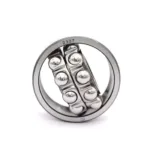
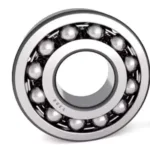
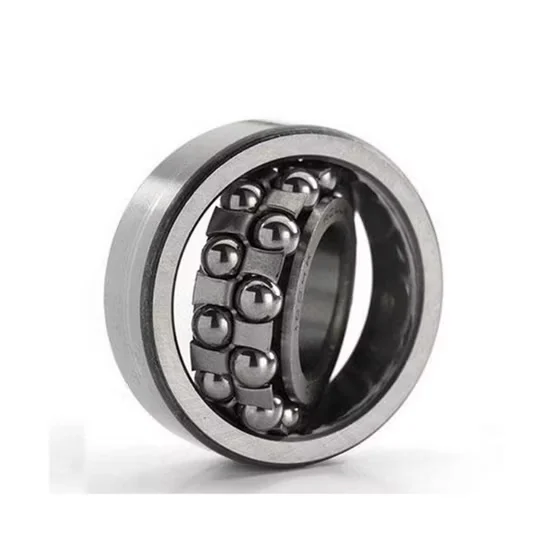
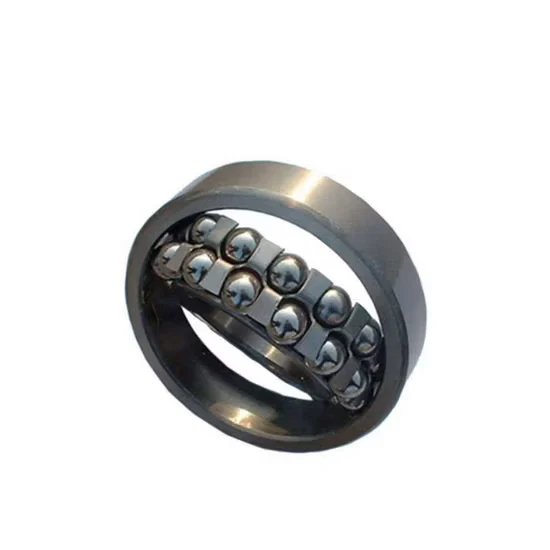
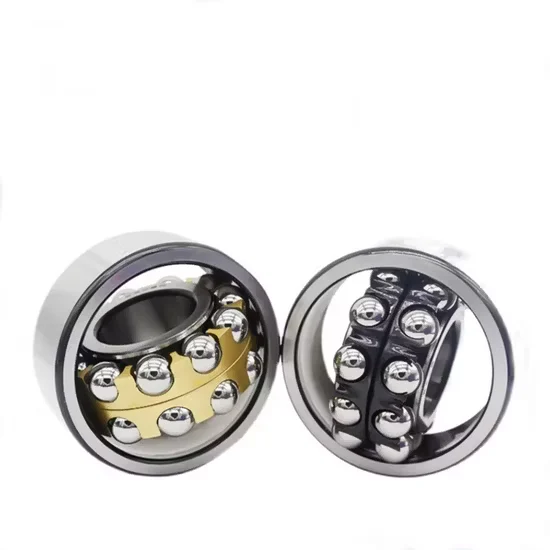
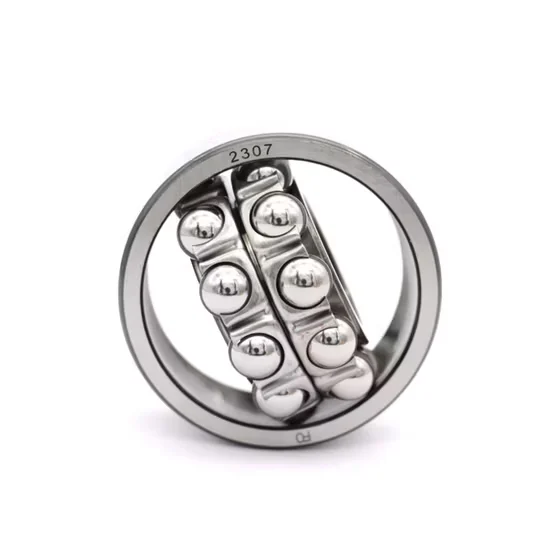
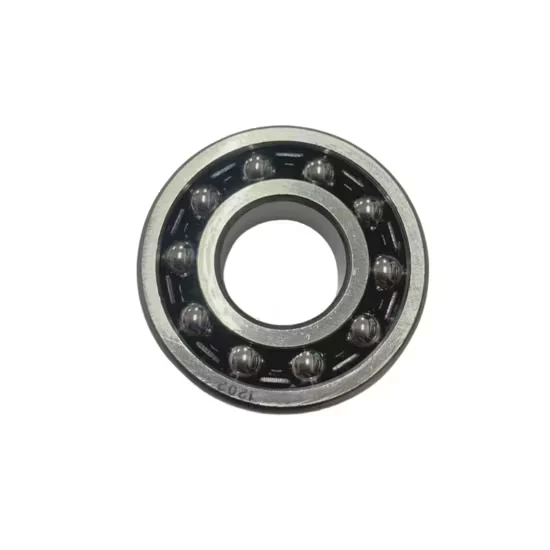
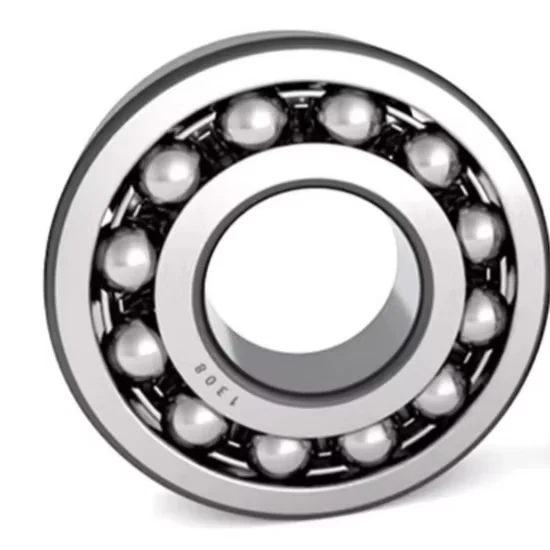
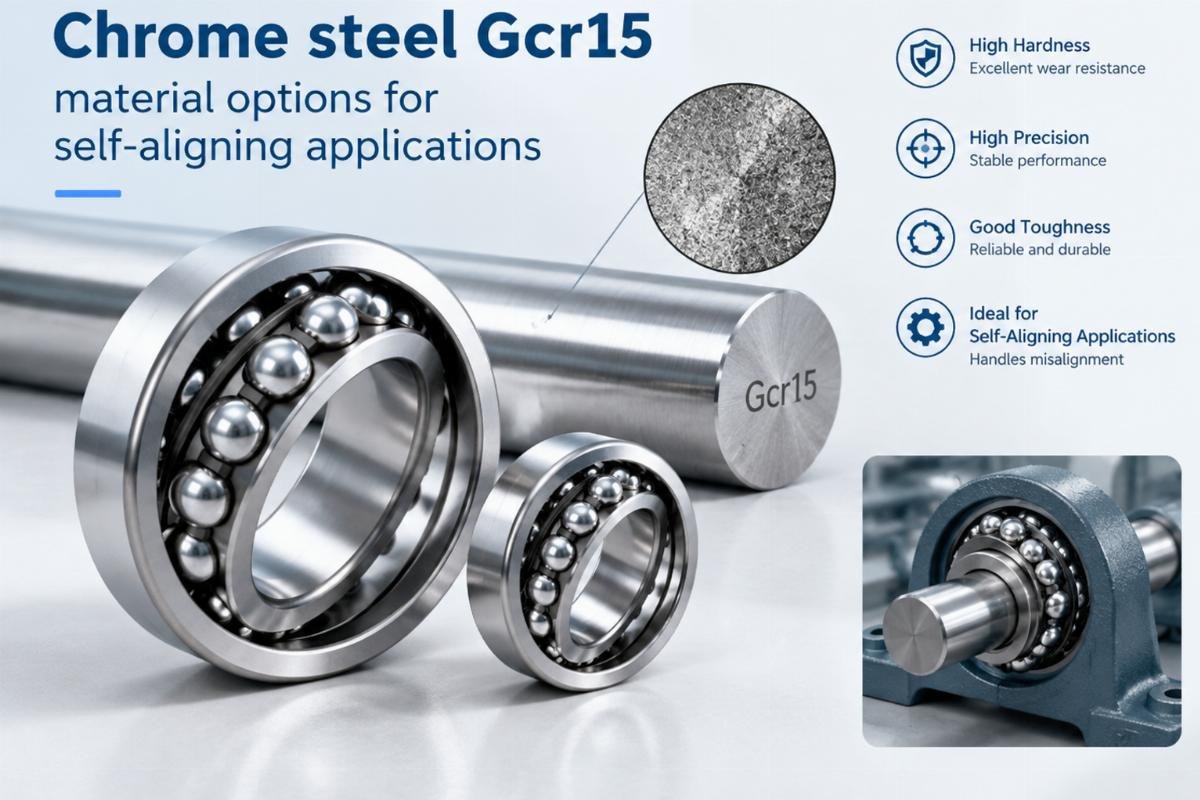
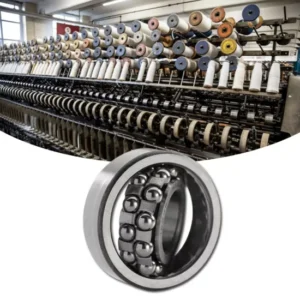
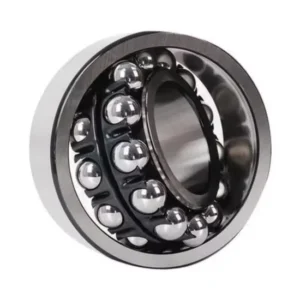
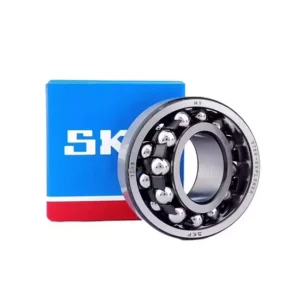
NTN 2200 Self-Aligning Ball Bearing features a double-row design crafted from high-purity Gcr15 chrome steel, effectively accommodating static shaft misalignment while reliably delivering 12.7 kN dynamic and 3.7 kN static load capacities for general manufacturing applications.
Complete original factory batch traceability and authenticity documentation are strictly provided to guarantee genuine product quality for your industrial procurement requirements.
Mixed-Brand Sourcing Hub — Consolidate your NTN 2200 self-aligning ball bearing orders with other global marques in a single shipment without juggling multiple vendors.
Technical Specifications
Parameter
Value
Designation
NTN 2200
Bearing Type
Self-Aligning Ball Bearing
Number of Rows
Double-Row
Material
Chrome Steel Gcr15 / 100cr6 options
Dynamic Load Rating (C)
12.7 kN
Static Load Rating (C₀)
3.7 kN
Origin
Shandong, China
Application Suitability
Industry
Typical Applications
Textile machinery
Spindle drives and yarn tensioning rollers
Agricultural machinery
Seed drill metering shafts and conveyor augers
Light-duty gearboxes
Input shafts and low-torque transmission assemblies
General manufacturing
Assembly line transfer belts and packaging rollers
Why Standard Clearance Fails in Hot Textile Environments for the NTN 2200 self-aligning ball bearing
Unverified thermal expansion turns standard internal gaps into mechanical locks.
Back in Dubai, I watched a high-temperature fan seize completely because the supplied bearings lacked the correct thermal clearance suffix. A significant share of premature failures stems from assuming basic designations fit extreme heat [NEED_CITE: rolling bearing failure mode classification per ISO 15243]. When shafts expand, standard internal gaps vanish, causing catastrophic downtime.
Matching Double-Row Geometry to Misaligned Shafts
The NTN 2200 self-aligning ball bearing utilizes a spherical outer ring raceway to accommodate static angular misalignment between the shaft and housing. This double-row configuration is particularly effective for agricultural and textile equipment where frame flexing is common. Our engineering team cross-references your specific housing tolerances to ensure this self-aligning capability performs as intended.
Managing Contamination and Load Variations in General Manufacturing
In light-duty gearboxes and general manufacturing, equipment faces combined radial loads and occasional axial thrusts alongside airborne dust. Open designs require careful external lubrication schedules to prevent particulate ingress, whereas sealed variants introduce friction heat [NEED_CITE: lubrication friction and heat generation in rolling bearings]. Operating temperatures directly dictate whether standard clearance suffices or if thermal expansion demands wider internal gaps. Proper mounting practices are equally critical to avoid brinelling the raceways during press-fitting.
Decoding the Baseline Designation and Material Options
The baseline NTN 2200 designation indicates an open bearing with standard internal clearance, meaning it lacks integrated seals or shields. This requires the housing to provide adequate contamination protection and external lubrication pathways. The double-row arrangement distributes radial loads across two contact points, enhancing rigidity compared to single-row alternatives. Regarding material, these components are available in chrome steel Gcr15 / 100cr6 variants, offering high rolling contact fatigue resistance for standard industrial environments. For applications exposed to moisture or corrosive agricultural chemicals, alternative stainless steel options can be evaluated. Understanding these baseline traits prevents the costly mistake of installing open bearings in heavily contaminated zones.
The Financial Impact of Overlooking Internal Clearance
Selecting a standard clearance bearing for a high-temperature textile oven leads to rapid thermal expansion and inner ring seizure. Such unplanned downtime halts entire production lines and causes catastrophic damage to adjacent shaft components. According to ISO 15243 frameworks, lubrication failure and smearing from excessive friction are direct consequences of incorrect clearance selection [NEED_CITE: bearing damage classification per ISO 15243]. Warranty voidance inevitably follows when root cause analysis reveals improper specification matching.
Securing Traceability and Technical Validation for Your Fleet
Procuring the NTN 2200 self-aligning ball bearing through our network guarantees complete original factory batch traceability, eliminating the risk of counterfeit stock. We verify every basic designation against your operating temperatures to confirm if standard clearance is truly adequate or if a C3 variant is required. Our massive spot inventory allows flexible consolidation, mixing this double-row unit with other global marques in a single container. Furthermore, we provide cross-reference verification to ensure exact OEM replacement matching for your legacy textile or agricultural machinery.
Documentation & Authenticity
Certificate of Conformity confirming genuine NTN origin for the double-row self-aligning batch.
Original factory batch traceability documents linking the specific chrome steel heat number.
Official app QR verification codes printed on the packaging for immediate authenticity checks.
Material certificates validating the Gcr15 / 100cr6 metallurgical composition and hardness.
Dimensional inspection reports verifying the spherical outer raceway tolerances before dispatch.
Storage, Handling & Mounting
Store the open double-row bearings in original packaging to prevent dust ingress into the exposed raceways.
Maintain consistent warehouse humidity to protect the chrome steel Gcr15 surfaces from surface corrosion.
Use induction heaters for cylindrical bore mounting, avoiding direct flame that alters the material hardness.
Apply clean gloves when handling to prevent acidic sweat from degrading the unprotected rolling elements.
Verify shaft and housing alignment before pressing, maximizing the self-aligning capacity without exceeding angular limits.
Preparing Your Engineering Data for Accurate Fulfillment
To ensure the baseline designation perfectly matches your application, please share your specific radial and axial loads, operating speeds, and ambient temperatures. Providing the OEM equipment model numbers allows our technical team to perform precise cross-reference verification. Detail your housing sealing arrangements so we can confirm whether this open design is suitable or if sealed alternatives are necessary.
Frequently Asked Questions
Q: What does the absence of a suffix on the NTN 2200 self-aligning ball bearing indicate?
A: A basic designation without suffixes typically signifies standard internal clearance and an open design without integrated seals or shields. This configuration relies entirely on the housing for contamination protection and requires external lubrication. Always verify if your operating temperature demands a wider clearance variant to prevent thermal seizure during continuous operation.
Q: How can we verify the authenticity of these double-row self-aligning bearings upon delivery?
A: Every genuine unit includes specific batch traceability documentation and official QR codes on the packaging. You can scan these codes using the manufacturer’s official mobile application to confirm the origin and production details. We also supply original certificates of conformity to guarantee the metallurgical composition meets strict industrial specifications.
Q: Is this open double-row design suitable for heavily contaminated agricultural environments?
A: An open design lacks built-in seals, making it vulnerable to dust and moisture ingress unless the equipment housing provides adequate external protection. For highly contaminated agricultural machinery, we recommend evaluating sealed variants or implementing rigorous external sealing solutions. Share your specific contamination levels so our engineers can advise on the optimal configuration.
Q: How do we determine the correct cross-reference equivalent for legacy textile machinery?
A: Provide the exact OEM equipment model numbers and the original bearing dimensions to our technical team. We will cross-reference the baseline designation against equivalent models from other premium global brands to ensure identical load capacities and self-aligning capabilities. This guarantees a direct drop-in replacement without modifying your existing shaft or housing assemblies.
Shipping Information
EU Warehouse
3-7 working days (bonded stock)
Direct from China
Shanghai & Ningbo hubs (bulk / FCL)
Markets Served
DE · IT · PL · ES · NL · FR · EU+
Incoterms
DDP / DAP available on request
Minimum Order
Contact us for MOQ details
Documents Included with Every Shipment
EN and ISO Quality Certificates
Batch traceability and manufacturing standard
Material & Heat-Treatment Reports
Full material composition and process records
CE Declaration of Conformity
For bearing units and motion products
RoHS Compliance Declaration
Restriction of hazardous substances
EUR.1 Movement Certificate
Preferential origin for EU customs
Certificate of Origin
Country of manufacture documentation
Correct HS Codes
Pre-classified for smooth customs clearance
Commercial Invoice & Packing List
VAT-compliant intra-EU invoicing
Transparent Landed Cost with Tax Explanation
SKFEU provides full price transparency so EU buyers know exactly what they pay. No hidden duties, no surprise charges at customs.
VAT-Compliant Invoicing
All intra-EU transactions are invoiced with correct VAT treatment. B2B buyers with valid EU VAT numbers receive zero-rated invoices where applicable.
No Unexpected Import Duties
Goods shipped from our EU bonded warehouse arrive as intra-EU movements -- no import duties, no customs delays for EU-based buyers.
EUR.1 & Origin Docs Ready
For shipments direct from China, EUR.1 movement certificates and certificates of origin are prepared in advance to minimise customs clearance time.
DDP Pricing Available
Ask for Delivered Duty Paid quotations -- we absorb all import costs so your landed cost is fixed and predictable from day one.
Need a landed cost breakdown? Contact Sofia at
sofia@skfeu.com
or via WhatsApp for a full DDP quotation including freight, duties and VAT for your country.
Send Inquiry
Request Pricing & Availability
Share your requirements and Sofia will respond within one working day with pricing, lead time and full documentation details.