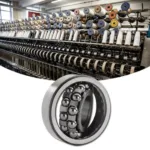
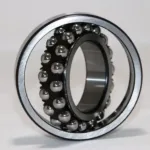
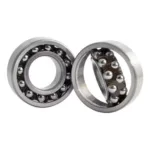
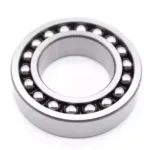
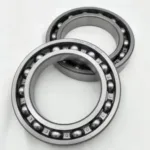
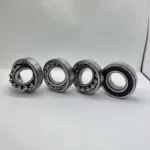
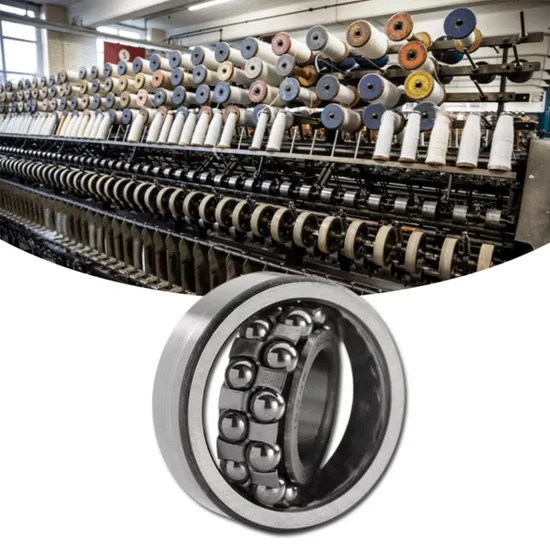
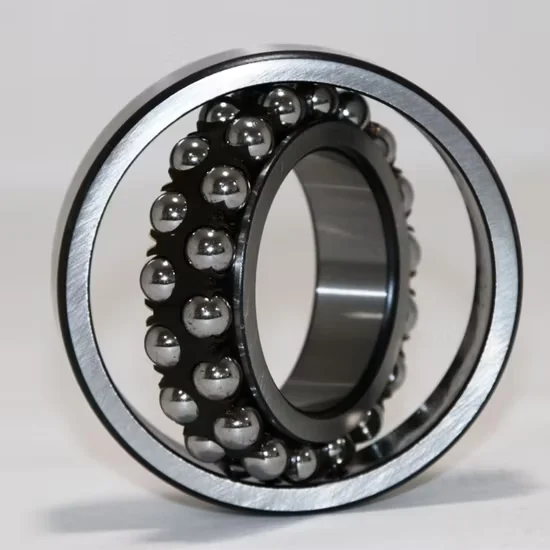
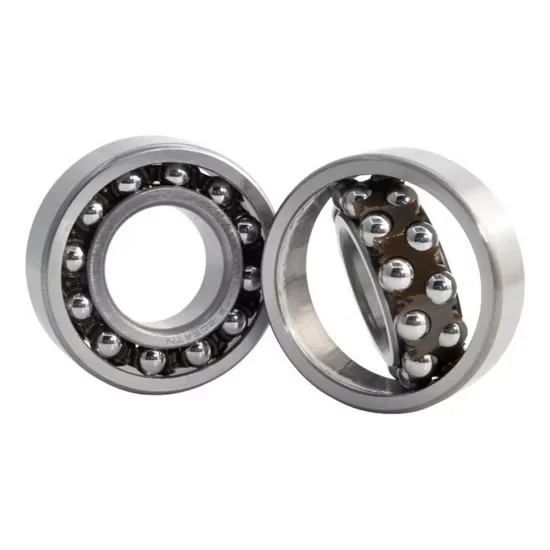
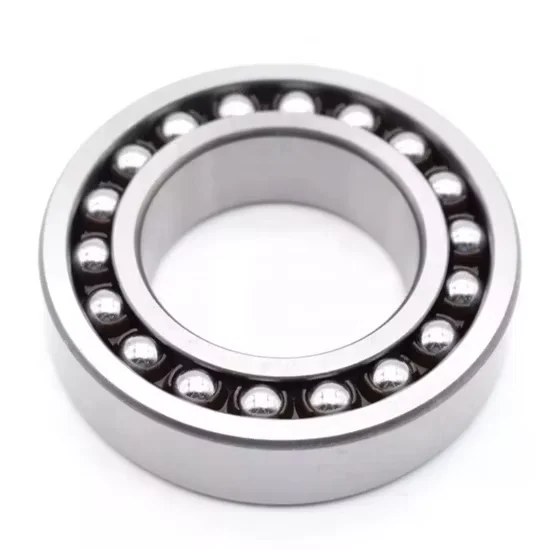
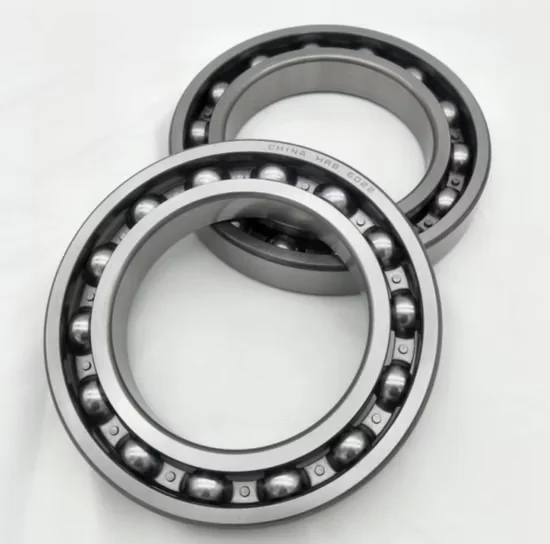
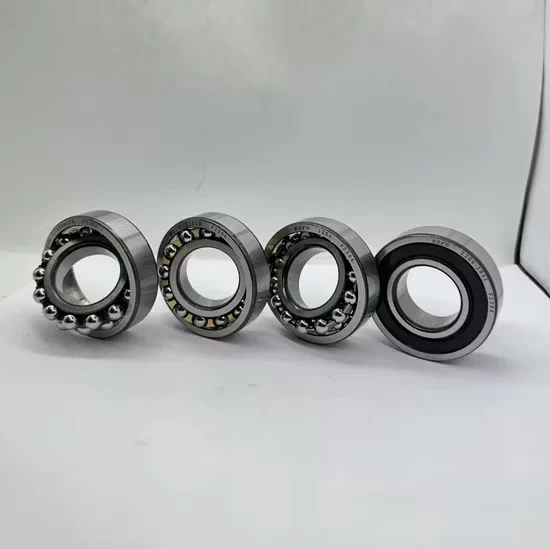
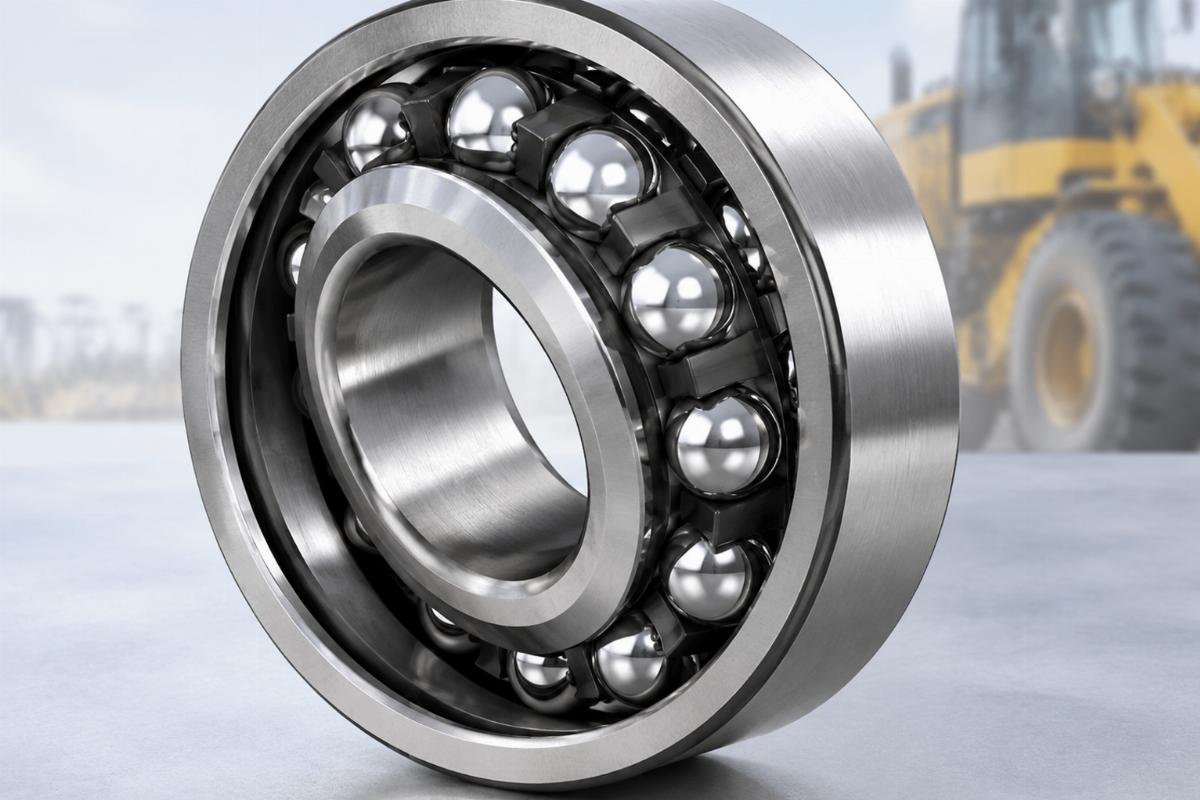
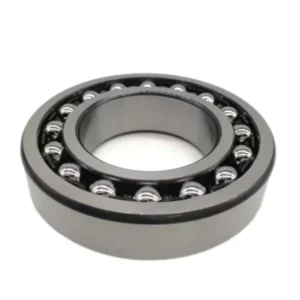
2322 Spherical Roller Bearing 110×240×80 mm — Double-row configuration manufactured from premium Gcr15 chrome steel accommodates heavy radial loads and shaft misalignment in crushers, vibrating screens, and steel mill equipment.
Complete original factory batch traceability documentation accompanies every shipment, ensuring verified material origin and consistent dimensional quality across your entire procurement cycle.
Continuous caster guide rolls, rolling mill table rollers
Pulp and Paper
Paper machine dryer cylinders, felt guide rolls
Why the 2322 spherical roller bearing Fails Prematurely in Steel Mills
Thermal shock from improper heating destroys the raceway microstructure long before mechanical fatigue sets in.
I remember a steel mill in Ningbo replacing a similar double-row unit where maintenance workers used an open flame for heating. The extreme temperature gradient altered the metallographic structure, causing the inner ring to seize within days and halting the entire production line. When sourcing a 2322 spherical roller bearing, ignoring installation protocols leads to catastrophic downtime. Many facilities focus solely on the initial purchase price, completely overlooking the thermal limits of the chrome steel. Maintenance crews often underestimate how quickly localized overheating compromises the structural integrity of the bearing steel. The resulting unplanned outages cost exponentially more than the component itself. [NEED_CITE: thermal damage mechanisms in bearing rings per ISO 15243]
Matching the 2322 spherical roller bearing to High-Deflection Environments
Shaft misalignment is inevitable in heavy vibrating equipment, making the self-aligning capability crucial for maintaining operational stability. Our engineering team cross-references OEM specifications to ensure the selected 2322 spherical roller bearing accommodates the specific angular deflection of your machinery. This prevents edge loading on the outer ring and extends service intervals significantly. In environments like paper machine dryer sections, structural flexing under heavy loads requires a component that can dynamically adjust its internal contact angles. Failing to account for this deflection results in localized stress concentrations that rapidly degrade the raceway surface.
Managing Load Reversals and Contamination in Crusher Drives
Crusher applications subject components to severe shock loads and heavy particulate contamination. The double-row configuration handles these fluctuating radial forces, while the internal geometry allows for slight axial displacement. Proper lubrication intervals are critical here; insufficient grease purging allows abrasive dust to penetrate the rolling elements. Selecting the right clearance class ensures the internal geometry compensates for thermal expansion during continuous operation. Furthermore, the high-speed rotation in vibrating screens generates significant centrifugal forces, demanding a cage design that securely retains the rolling elements without excessive friction. Operators must also consider the impact of heavy washdowns, which can emulsify standard greases and accelerate wear. [NEED_CITE: lubrication interval adjustments for contaminated environments]
Decoding the Internal Geometry and Material Options
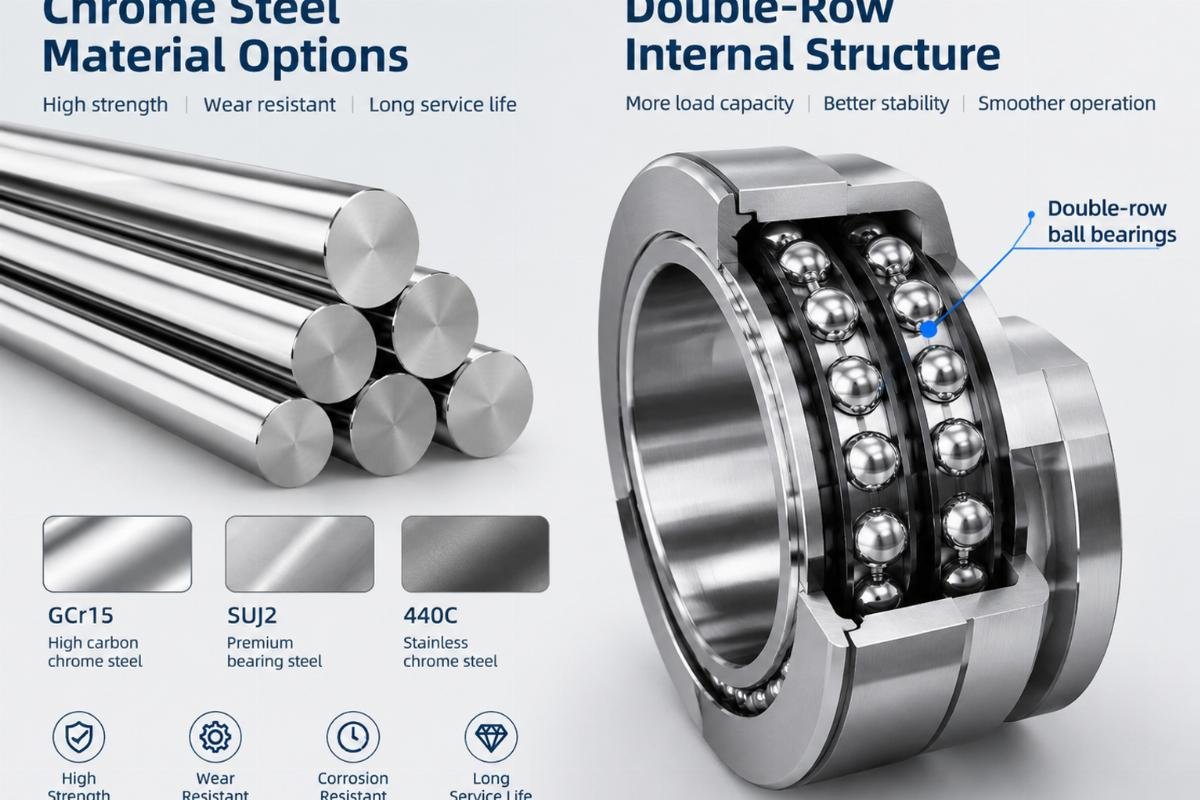
The 110x240x80 mm dimensions provide a solid cross-section for handling substantial radial loads. Manufactured from Gcr15 or 100Cr6 chrome steel, the rings and rolling elements achieve high surface hardness to resist spalling under heavy contact stress. The double-row design inherently increases the load-carrying capacity compared to single-row alternatives. For applications requiring enhanced corrosion resistance or higher speed capabilities, variants in stainless steel or specialized cage materials are available upon request. The standard cylindrical bore ensures straightforward press-fit mounting on solid shafts. Understanding the exact cage material is vital, as brass cages offer superior durability in high-vibration scenarios compared to pressed steel alternatives. Precision grinding of the raceways ensures smooth rolling motion, minimizing vibration transfer to the surrounding machine structure.
The Hidden Financial Drain of Incorrect Clearance Selection
Choosing an inadequate internal clearance for high-temperature applications causes the rolling elements to bind, generating excessive friction and heat. This unplanned downtime disrupts project timelines and voids equipment warranties. Premature failure of the 2322 spherical roller bearing often stems from ignoring the thermal expansion characteristics of the shaft and housing. Adhering to ISO 281 lifecycle calculations prevents these cascading mechanical failures. When the operating temperature rises, the inner ring expands more than the outer ring, effectively reducing the internal clearance. If the initial clearance was not specified correctly, this thermal shift leads to catastrophic seizure. [NEED_CITE: bearing life calculation methodologies per ISO 281]
Securing Traceability and Technical Validation for Your Fleet
We provide complete batch traceability for every unit, ensuring you receive genuine components rather than unverified rebrands. Our technical team validates the dynamic load ratings against your specific operational parameters, preventing the common mistake of under-sizing for shock loads. We maintain massive spot inventory for standard dimensions, eliminating typical multi-week lead times. Furthermore, we offer cross-brand equivalent model consultation, allowing you to consolidate purchasing without compromising on metallurgical standards. By verifying the exact suffix and internal geometry, we prevent the costly errors that occur when procurement teams substitute visually similar but mechanically incompatible parts.
Documentation & Authenticity
Certificate of Conformity verifying Gcr15/100Cr6 chemical composition for the 2322 batch
Original manufacturer batch traceability codes linking to the specific forging heat
Dimensional inspection reports confirming 110x240x80 mm tolerances before dispatch
Running accuracy test certificates validating the self-aligning geometric precision
Storage, Handling & Mounting
Store the 2322 units in original VCI packaging to prevent micro-corrosion on the chrome steel raceways
Use induction heaters rather than open flames to preserve the metallographic structure during mounting
Maintain clean gloves when handling the exposed double-row rolling elements to prevent sweat-induced pitting
Verify shaft and housing tolerances match the 110 mm and 240 mm dimensions to avoid inner ring creep
Preparing Your Technical Parameters for Precision Selection
To ensure the optimal configuration for your machinery, please provide the specific radial and axial load profiles along with operating temperatures. Sharing the OEM equipment model number allows our engineers to perform a precise cross-reference check. Detailing the environmental exposure helps us recommend the appropriate sealing or clearance adjustments for your specific application. Providing the exact shaft and housing tolerances enables us to calculate the fitted clearance, ensuring the 2322 spherical roller bearing operates within its designed thermal and mechanical boundaries from the moment it is mounted.
Frequently Asked Questions
Q: What is the core difference between this self-aligning design and standard deep groove variants?
A: The spherical outer ring raceway allows the inner ring and ball assembly to align freely, accommodating shaft deflections and housing misalignments. This prevents edge stresses that would rapidly destroy a standard deep groove bearing in heavy vibrating equipment like crushers or screens.
Q: How to properly install the 2322 bearing to prevent premature failure?
A: Avoid open-flame heating which destroys the chrome steel microstructure. Use controlled induction heating up to the recommended thermal limit, ensure the shaft shoulder is square, and apply the correct mounting force to the inner ring only to prevent brinelling the raceways.
Q: Are there performance differences between Gcr15 and 100Cr6 materials?
A: Both materials are high-carbon chromium bearing steels with essentially identical metallurgical properties, offering high hardness and exceptional wear resistance. The designation difference is primarily regional, and both grades provide excellent fatigue life for heavy-duty industrial applications without compromising structural integrity.
Q: What alignment checks are needed during cross-reference replacement?
A: Always verify the internal clearance class matches the original specification, as thermal expansion dictates the required operating clearance. Additionally, check the cage material and design to ensure it can withstand the specific vibration frequencies of your equipment without premature fatigue.
Shipping Information
EU Warehouse
3-7 working days (bonded stock)
Direct from China
Shanghai & Ningbo hubs (bulk / FCL)
Markets Served
DE · IT · PL · ES · NL · FR · EU+
Incoterms
DDP / DAP available on request
Minimum Order
Contact us for MOQ details
Documents Included with Every Shipment
EN and ISO Quality Certificates
Batch traceability and manufacturing standard
Material & Heat-Treatment Reports
Full material composition and process records
CE Declaration of Conformity
For bearing units and motion products
RoHS Compliance Declaration
Restriction of hazardous substances
EUR.1 Movement Certificate
Preferential origin for EU customs
Certificate of Origin
Country of manufacture documentation
Correct HS Codes
Pre-classified for smooth customs clearance
Commercial Invoice & Packing List
VAT-compliant intra-EU invoicing
Transparent Landed Cost with Tax Explanation
SKFEU provides full price transparency so EU buyers know exactly what they pay. No hidden duties, no surprise charges at customs.
VAT-Compliant Invoicing
All intra-EU transactions are invoiced with correct VAT treatment. B2B buyers with valid EU VAT numbers receive zero-rated invoices where applicable.
No Unexpected Import Duties
Goods shipped from our EU bonded warehouse arrive as intra-EU movements -- no import duties, no customs delays for EU-based buyers.
EUR.1 & Origin Docs Ready
For shipments direct from China, EUR.1 movement certificates and certificates of origin are prepared in advance to minimise customs clearance time.
DDP Pricing Available
Ask for Delivered Duty Paid quotations -- we absorb all import costs so your landed cost is fixed and predictable from day one.
Need a landed cost breakdown? Contact Sofia at
sofia@skfeu.com
or via WhatsApp for a full DDP quotation including freight, duties and VAT for your country.
Send Inquiry
Request Pricing & Availability
Share your requirements and Sofia will respond within one working day with pricing, lead time and full documentation details.