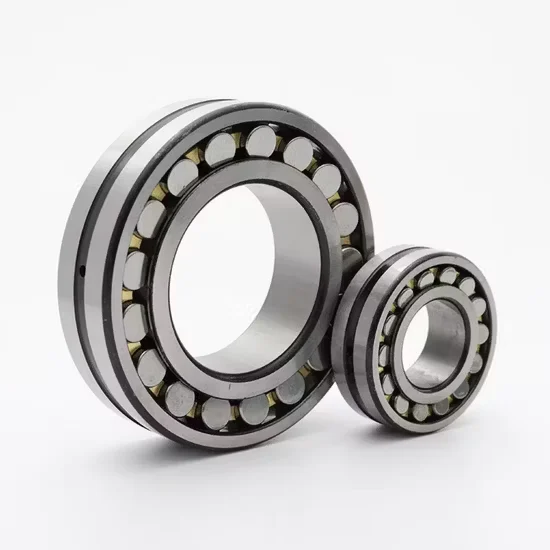
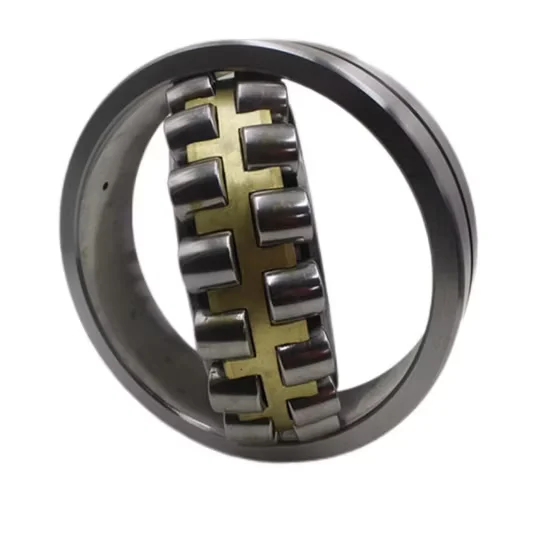
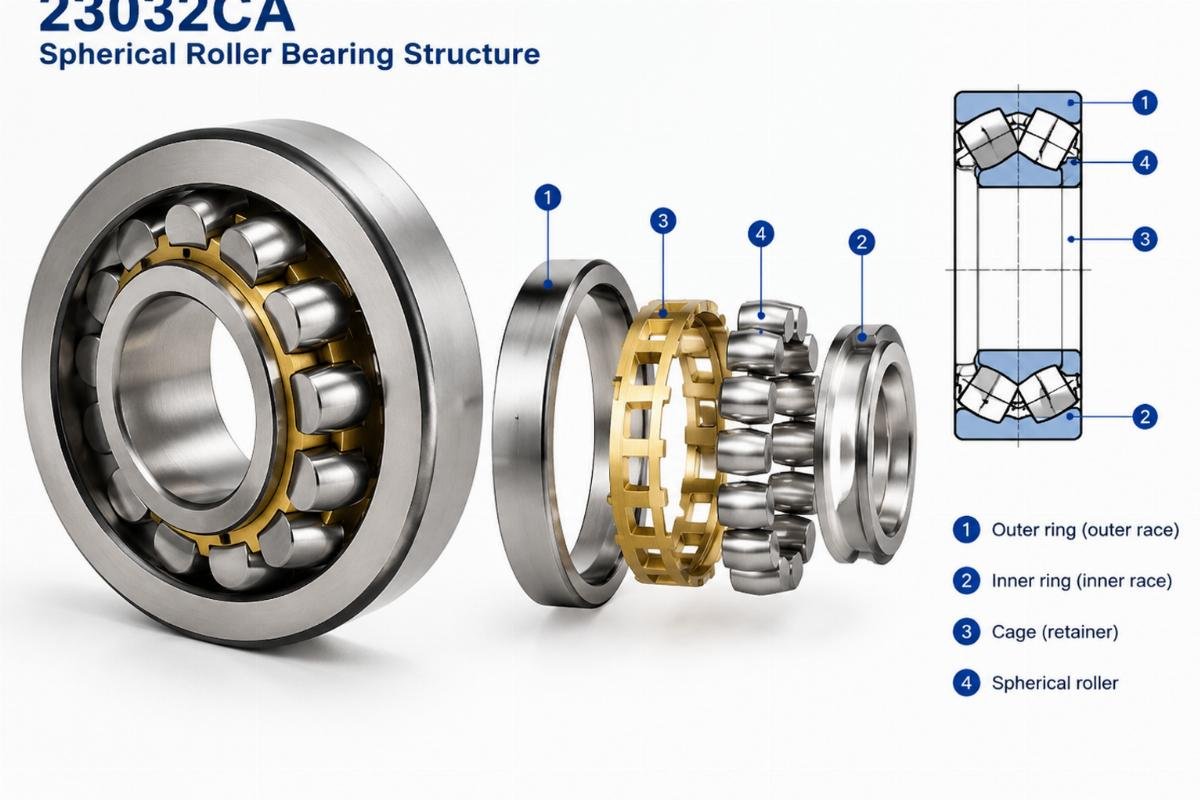
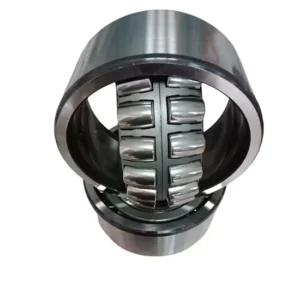
23032ca Spherical Roller Bearing
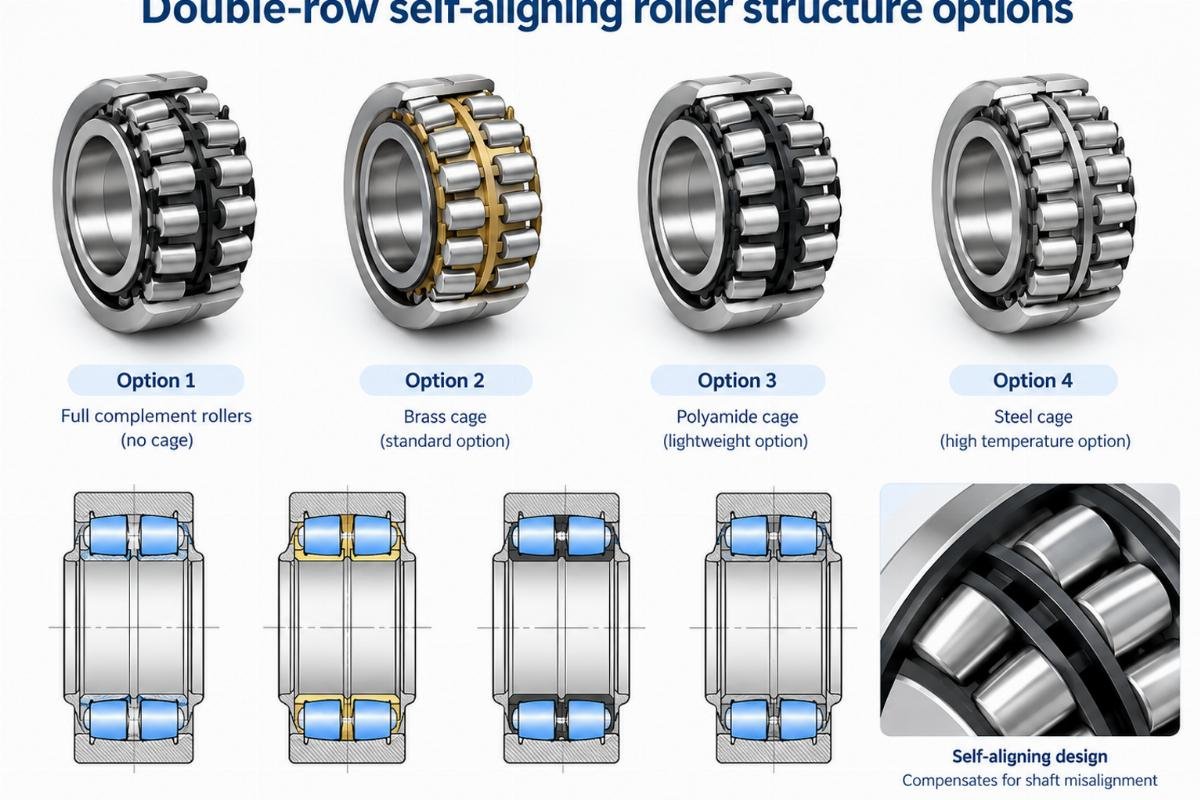
Double-row self-aligning structure in Chrome Steel Gcr15 effectively accommodates shaft misalignment under heavy radial and axial loads.
Highly suitable for harsh mining, metallurgy, and vibrating screen applications requiring exceptional wear resistance and durability.
Every shipment includes a complete documentation package with original material certificates and detailed dimensional inspection reports.
Cross-reference alignment verified — Dimensions and load ratings for this model match equivalent catalogs to ensure drop-in replacement without modifying housings.
Technical Specifications
Parameter
Value
Designation
23032ca
Bearing Type
Spherical Roller Bearing
Number of Rows
Double-Row
Material
Available in Chrome Steel Gcr15 variants
Structure
Self-Aligning Roller
Origin
Shandong, China
Note: The “ca” suffix is an unverified suffix — requires manufacturer catalog confirmation for exact cage material or internal design specifics.
Application Suitability
Industry
Typical Applications
Railway Transit
Axle boxes and traction motor suspension systems
Railway Infrastructure
Switch machines and track maintenance equipment
Heavy Rail Freight
Bogie pivot centers and suspension linkages
Why Suffix Guesswork Derails the 23032ca spherical roller bearing Performance
Assuming a cage design without catalog verification leads to premature seizure under heavy radial loads.
When sourcing for heavy rail applications, buyers often overlook how minor suffix variations dictate internal clearances and cage materials. I have seen equipment fail because a standard cage deformed under continuous vibration, causing rolling elements to skew and jam inside the raceway. Matching the exact internal geometry to the specific dynamic loads of railway bogies prevents these catastrophic failures. Many procurement teams focus solely on the basic dimensions, ignoring that the internal architecture determines whether the component survives the relentless shocks of track irregularities. Ignoring these subtle engineering details inevitably results in unscheduled maintenance halts [NEED_CITE: rolling bearing failure mode classification per ISO 15243].
Matching Spherical Roller Bearings to Railway Dynamics
Procuring the right 23032ca spherical roller bearing requires more than just matching bore and outside diameter dimensions from a legacy parts list. Our global sourcing network consolidates mixed-brand packages, allowing maintenance teams to secure exact equivalents for various railway subsystems in a single shipment. This eliminates the downtime caused by coordinating multiple suppliers for different axle or suspension components. When a critical track switch machine fails, waiting for fragmented deliveries from disparate vendors is simply unacceptable. By utilizing a unified supply chain, transit authorities can standardize their inventory while ensuring every component meets the rigorous demands of continuous heavy freight operations.
Track Vibration and Load Challenges
Railway environments subject bearings to severe combined loads, mixing high radial forces from vehicle weight with axial shocks from track irregularities and switching mechanisms. Continuous vibration demands a cage design that maintains rolling element spacing without fatigue cracking or losing its structural integrity over time. Furthermore, temperature fluctuations along the tracks affect the internal clearance of the 23032ca spherical roller bearing, making the correct initial clearance class vital to prevent binding during peak summer operations. Proper lubrication intervals must also account for dust and moisture ingress typical in outdoor rail infrastructure, as contaminated grease rapidly accelerates wear on the self-aligning contact surfaces. Ignoring these environmental factors drastically shortens the service life of the entire bogie assembly [NEED_CITE: bearing life calculation methods per ISO 281].
Decoding the Self-Aligning Engineering
The double-row configuration provides substantial radial load capacity while accommodating angular misalignment caused by shaft deflection in heavy bogie assemblies. This self-aligning capability protects the rolling elements from edge loading when the axle bends under extreme freight weights or uneven track beds. Utilizing Chrome Steel Gcr15 ensures the raceways possess the necessary hardness to resist surface fatigue over millions of load cycles. The suffix designation typically hints at a specific cage design or internal profile, which must be confirmed against the manufacturer’s technical drawings to guarantee it handles the specific vibration frequencies of your rail equipment. Without this verification, the internal components may lack the necessary rigidity to withstand the unique harmonic resonances generated by high-speed transit.
The Hidden Costs of Misapplication
Installing a bearing without verifying its internal clearance and cage type for railway vibrations often results in severe unplanned downtime. Skewed rolling elements generate excessive friction heat, leading to premature failure and catastrophic damage to the surrounding axle housing. Such misapplications immediately result in warranty voidance, leaving operators to cover massive replacement expenses and logistical penalties. Following standardized failure analysis frameworks helps identify these root causes before they escalate into system-wide derailments. The financial impact extends far beyond the cost of the replacement part, encompassing lost revenue from halted trains and the extensive labor required to dismantle and rebuild the affected bogie assemblies [NEED_CITE: rolling bearing failure mode classification per ISO 15243].
Securing Traceable Components for Rail Networks
Sourcing genuine components is critical when a single seized unit can halt an entire freight line and disrupt supply chains. We provide complete traceability documentation for every shipment, ensuring the metallurgical origin meets strict railway safety standards. Our technical team offers cross-brand equivalent model consultation, preventing site engineers from accepting incorrect substitutes when original part numbers are discontinued. We maintain massive spot inventory covering thousands of standard part numbers, enabling rapid dispatch for urgent track maintenance requirements. Furthermore, our inspection services verify dimensional tolerances before global shipping consolidation, guaranteeing drop-in readiness upon arrival and eliminating the risk of installation delays at the depot.
Documentation & Authenticity
Certificate of Conformity verifying Chrome Steel Gcr15 material composition.
Original batch traceability records linking the specific heat number to the mill.
Dimensional inspection reports confirming self-aligning bore tolerances before dispatch.
Manufacturer catalog excerpts clarifying the exact meaning of the suffix.
Official QR verification codes for authenticating the double-row internal structure.
Storage, Handling & Mounting
Store the double-row units in original packaging to prevent moisture ingress affecting the Chrome Steel Gcr15 raceways.
Use clean gloves when handling to avoid transferring corrosive salts onto the self-aligning outer ring.
Verify the exact suffix clearance class before heating for interference fits on railway axles.
Keep matched sets sealed until mounting to preserve factory-set internal geometries for bogie suspensions.
Apply recommended lubricants immediately after unboxing to protect the open roller paths from track dust.
Engineering Review & Inquiry Guidelines
To ensure precise selection, please share the specific radial and axial loads, operating speeds, and ambient temperatures of your railway application. Providing the original equipment manufacturer part numbers allows our engineering team to perform accurate cross-reference checks and L10 life recalculations. Detailing the installation space and environmental exposure helps us confirm the optimal internal clearance and cage material for your exact track conditions.
Frequently Asked Questions
Q: What does the suffix specifically denote for this spherical roller bearing series?
A: While often associated with specific cage materials or internal clearance modifications, the exact definition of this suffix varies between manufacturers. It is crucial to consult the specific brand’s technical catalog to confirm whether it indicates a machined brass cage or a specialized steel design. Verifying this prevents misapplication in high-vibration railway environments where cage fatigue is a primary concern.
Q: How to verify the authenticity of multi-brand bearings for railway projects?
A: Authenticity is confirmed through comprehensive traceability documentation, including original batch numbers and material test certificates. We cross-check the physical dimensions and running accuracy against the manufacturer’s published specifications for the specific part number. Additionally, utilizing official brand verification applications or QR codes provides an extra layer of security against counterfeit components entering critical transit infrastructure.
Q: What are common failure modes in railway axle applications?
A: Railway axles frequently experience surface fatigue and spalling due to continuous heavy radial loads combined with shock impacts from track joints. Inadequate lubrication or incorrect internal clearance can lead to smearing and excessive friction heat. Misalignment beyond the bearing’s self-aligning capacity also causes uneven load distribution, accelerating edge loading and premature raceway degradation.
Q: How to select the correct clearance for heavy-duty track maintenance equipment?
A: Selecting the right clearance requires analyzing the thermal expansion of the shaft and housing during operation, alongside the interference fit used during mounting. Heavy equipment often requires a larger initial clearance to compensate for the tight fit and heat generated by continuous vibration. Consulting the manufacturer’s clearance reduction tables ensures the bearing retains optimal internal play under working temperatures.
Q: What is the recommended relubrication interval for these double-row bearings?
A: The relubrication interval depends heavily on the operating speed, load magnitude, and the degree of environmental contamination present on the tracks. High dust and moisture levels necessitate more frequent purging to expel degraded grease and particulates. Calculating the exact interval requires evaluating the specific grease base oil viscosity and the dynamic load rating in your exact application.
Shipping Information
EU Warehouse
3-7 working days (bonded stock)
Direct from China
Shanghai & Ningbo hubs (bulk / FCL)
Markets Served
DE · IT · PL · ES · NL · FR · EU+
Incoterms
DDP / DAP available on request
Minimum Order
Contact us for MOQ details
Documents Included with Every Shipment
EN and ISO Quality Certificates
Batch traceability and manufacturing standard
Material & Heat-Treatment Reports
Full material composition and process records
CE Declaration of Conformity
For bearing units and motion products
RoHS Compliance Declaration
Restriction of hazardous substances
EUR.1 Movement Certificate
Preferential origin for EU customs
Certificate of Origin
Country of manufacture documentation
Correct HS Codes
Pre-classified for smooth customs clearance
Commercial Invoice & Packing List
VAT-compliant intra-EU invoicing
Transparent Landed Cost with Tax Explanation
SKFEU provides full price transparency so EU buyers know exactly what they pay. No hidden duties, no surprise charges at customs.
VAT-Compliant Invoicing
All intra-EU transactions are invoiced with correct VAT treatment. B2B buyers with valid EU VAT numbers receive zero-rated invoices where applicable.
No Unexpected Import Duties
Goods shipped from our EU bonded warehouse arrive as intra-EU movements -- no import duties, no customs delays for EU-based buyers.
EUR.1 & Origin Docs Ready
For shipments direct from China, EUR.1 movement certificates and certificates of origin are prepared in advance to minimise customs clearance time.
DDP Pricing Available
Ask for Delivered Duty Paid quotations -- we absorb all import costs so your landed cost is fixed and predictable from day one.
Need a landed cost breakdown? Contact Sofia at
sofia@skfeu.com
or via WhatsApp for a full DDP quotation including freight, duties and VAT for your country.
Send Inquiry
Request Pricing & Availability
Share your requirements and Sofia will respond within one working day with pricing, lead time and full documentation details.