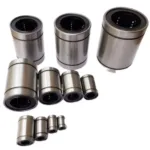
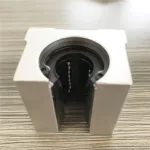
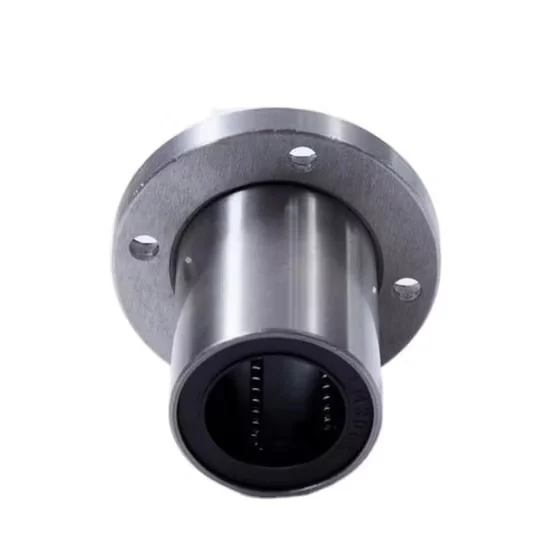
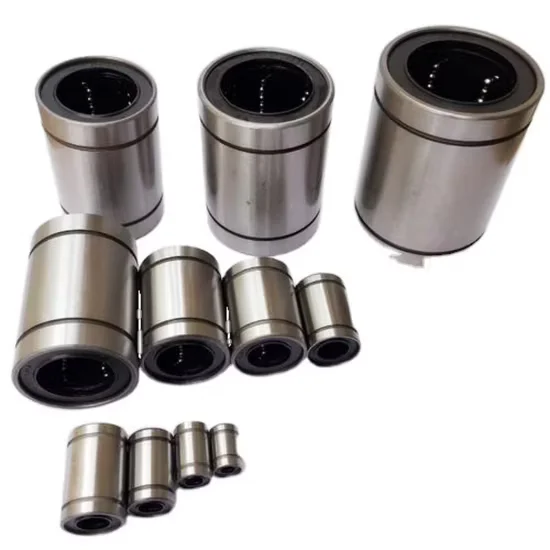
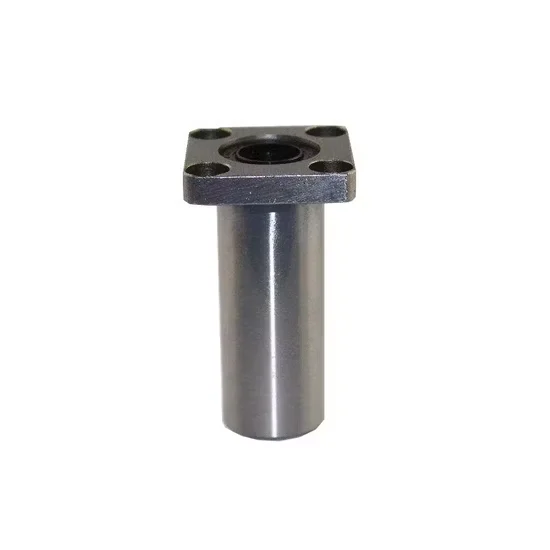
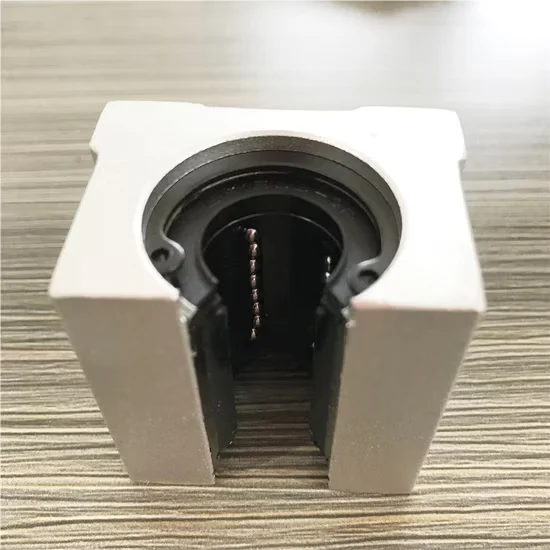
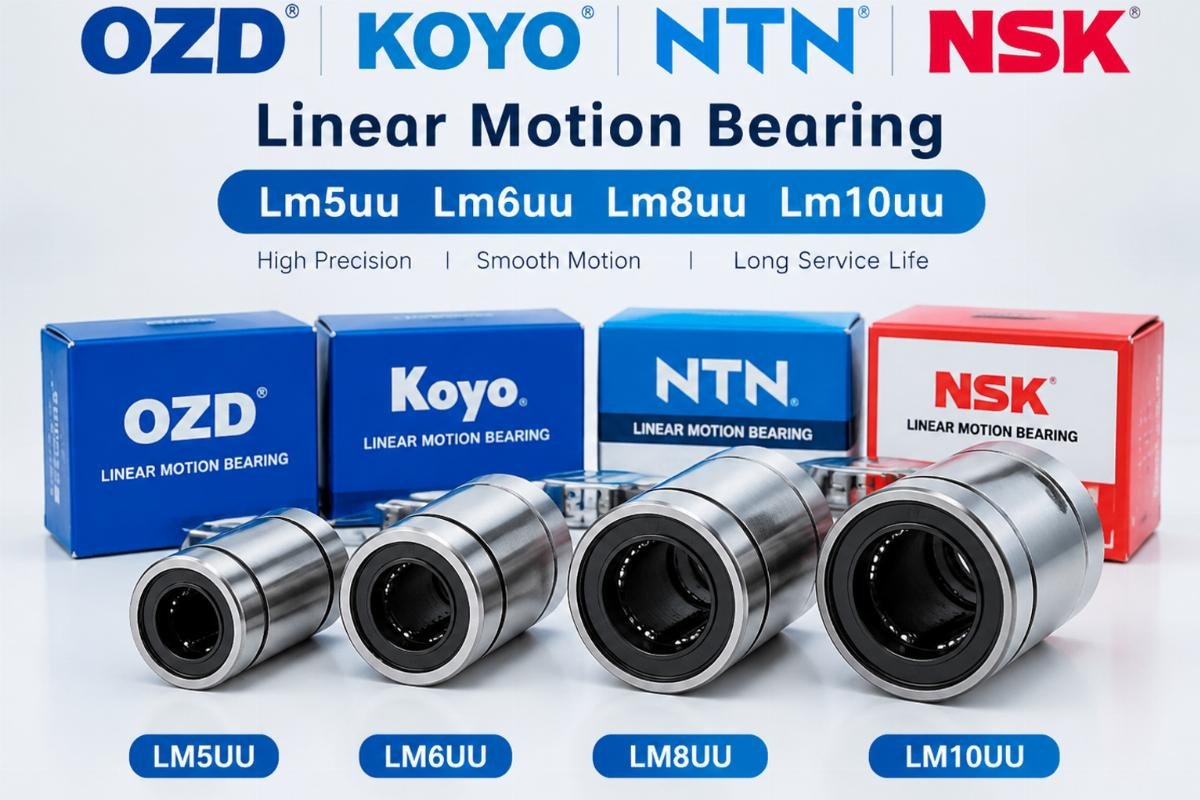
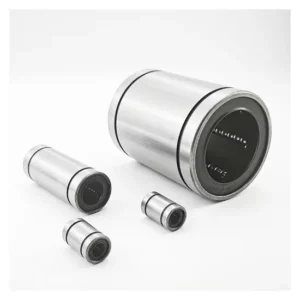
Genuine Lm5uu Lm6uu Lm8uu Lm10uu High Speed Linear Motion Bearing [WARN] draft identifier mismatch
Lm5uu Lm6uu Lm8uu Lm10uu Linear Motion Bearing — designed for high-speed CNC machining parts and general manufacturing, delivering reliable performance with HRC 60-64 hardness for exceptional wear resistance.
Select from steel, copper, or nylon cage options to match your specific operational speed and temperature requirements.
Every shipment includes complete original factory batch traceability documentation to ensure genuine authenticity and strict quality assurance.
Multi-Brand Consolidation — Source OZD, KOYO, NTN, and NSK linear motion bearings in a single mixed-size shipment without juggling multiple vendors.
Technical Specifications
Parameter
Value
Designation
Lm5uu Lm6uu Lm8uu Lm10uu
Bearing Type
Linear Motion Bearing
Hardness
HRC 60-64
Cage Material
Steel Cage, Copper Cage, Nylon Cage
Origin
Shandong, China
Note: The “uu” designation appears in the part number string, though it remains an unverified suffix requiring manufacturer catalog confirmation for exact seal or clearance specifics.
Application Suitability
Industry
Typical Applications
CNC Machining
Spindle feed mechanisms and precision tool positioning slides
Machine Tools
Automated tool changers and guideway traversal systems
General Manufacturing
Conveyor indexing units and automated assembly linear guides
Why Open Linear Motion Bearings Fail in Dusty CNC Environments
Unsealed linear guides ingest abrasive particles, leading to rapid recirculating ball jamming and catastrophic slide seizure.
Based on my extensive field installations across Nigeria, I have repeatedly seen heavy-duty wood-cutting CNC machines grind to a complete halt because fine sawdust penetrated open-type carriages. The recirculating balls act like a vacuum, pulling abrasive dust directly into the load zones. Once inside, the particles mix with the lubricant, creating a grinding paste that scores the shaft and destroys the raceway. Specifying the correct OZD KOYO NTN NSK Lm5uu Lm6uu Lm8uu Lm10uu linear motion bearing series requires strict attention to sealing configurations and external wiper designs to prevent such devastating unplanned downtime. Ignoring the environmental reality of your machine shop will inevitably compromise the entire automation system. [NEED_CITE: linear bearing contamination failure modes per ISO 15243]
Matching Cage Materials to CNC Feed Rates and Load Profiles
When configuring high-speed feed axes for precision machining, selecting the right cage material for your OZD KOYO NTN NSK Lm5uu Lm6uu Lm8uu Lm10uu linear motion bearing is absolutely critical to long-term reliability. Steel cages are engineered to handle heavy radial loads and severe shock impacts typical in roughing operations. Conversely, nylon variants significantly reduce friction and operational noise at elevated traverse speeds, making them ideal for high-speed finishing passes. Copper cages provide an excellent middle ground, offering superior thermal conductivity to dissipate heat generated during continuous, high-duty-cycle traverses. Our mixed-brand sourcing capability allows you to test different cage options across your machine tool fleet, ensuring you optimize operational smoothness and extend maintenance intervals without sacrificing rigidity.
Managing Dust Ingress, Lubrication Starvation, and Thermal Expansion
In woodworking or general manufacturing facilities, airborne debris constantly threatens the integrity of the recirculating ball paths. Without adequate wiper seals or dedicated dust rings, abrasive particulate matter easily bypasses standard shields and mixes with the internal grease. This contamination forms a highly destructive grinding paste that rapidly scores the hardened shaft surface. Furthermore, high-speed operations generate substantial frictional heat, demanding specialized lubricants that maintain their base viscosity while actively resisting particle adhesion. Thermal expansion of the shaft during prolonged machining cycles can also alter the internal clearance, potentially causing preload spikes if the carriage design lacks adequate compensation. Proper sealing selection and lubrication protocols directly dictate the service interval and overall reliability of the linear guide system in harsh environments. [NEED_CITE: impact of solid contaminants on linear bearing fatigue life]
Decoding Hardness and Cage Options for Linear Guides
The specified HRC 60-64 hardness ensures the outer sleeve and recirculating balls resist brinelling and permanent deformation under heavy static and dynamic loads. For the cage assembly, steel variants provide maximum structural rigidity in high-vibration milling operations where shock loads are prevalent. Copper cages offer superior thermal conductivity, efficiently dissipating heat generated during continuous high-speed traverses to prevent lubricant degradation. Nylon cages are readily available for applications requiring quieter operation and lower friction coefficients, though they must be strictly kept within their designated thermal limits to avoid structural softening. Understanding these material and design variables is essential for matching the linear guide to your exact machining parameters and preventing premature wear.
The Hidden Toll of Incorrect Linear Guide Selection and Sealing
Specifying an open carriage for a heavily contaminated environment inevitably leads to premature track scoring, recirculating ball spalling, and eventual carriage seizure. This cascading failure results in severe unplanned downtime, scrapped high-value workpieces, and costly linear shaft replacements. According to established failure analysis frameworks, solid particle contamination is universally recognized as a primary driver of early linear bearing fatigue and surface distress. Ignoring the specific operating environment when selecting your linear guides not only voids manufacturer warranties but also drastically increases total maintenance expenditure over the machine’s lifecycle. The financial impact of a single seized carriage on a critical CNC axis far outweighs the initial cost of specifying a properly sealed and hardened linear motion solution. [NEED_CITE: rolling and linear bearing failure classification per ISO 15243]
Securing Traceable, Application-Matched Linear Bearings for Critical Axes
Sourcing genuine OZD KOYO NTN NSK Lm5uu Lm6uu Lm8uu Lm10uu linear motion bearing units across multiple premium brands prevents the severe risk of counterfeit carriages failing on precision CNC axes. We provide complete, unbroken traceability documentation for every unit, ensuring the advertised HRC 60-64 hardness is entirely authentic and verifiable. Our flexible consolidation logistics allow you to order mixed sizes in a single optimized shipment. Furthermore, our technical engineering team actively cross-references cage materials and sealing configurations to match your specific machine tool vibration profiles and environmental challenges. This rigorous validation process eliminates procurement guesswork, ensuring that every linear bearing deployed on your shop floor is perfectly suited to its operational demands.
Documentation & Authenticity
Certificate of Conformity verifying the HRC 60-64 hardness for each linear motion carriage batch.
Original manufacturer batch traceability codes linking the Lm8uu and Lm10uu units to their production dates.
Dimensional inspection reports confirming the inner bore tolerance for precise shaft fitting.
Material test certificates validating the specific steel, copper, or nylon cage composition.
Storage, Handling & Mounting
Keep the Lm5uu and Lm6uu carriages in their original anti-corrosion packaging until mounting to prevent shaft fretting.
Use clean, lint-free gloves when handling the recirculating balls and nylon cages to avoid skin oil contamination.
Store the linear bearings in a climate-controlled environment to prevent condensation from degrading the factory-applied grease.
Align the shaft carefully during press-fitting to avoid brinelling the HRC 60-64 hardened inner raceway.
Apply compatible external lubrication immediately if the selected carriage variant features an open or non-sealed configuration.
Technical Data Required for Linear Guide Verification and Cross-Referencing
To ensure the selected linear carriage perfectly matches your CNC machine’s dynamic requirements, please provide the maximum radial and axial loads, anticipated traverse speeds, and peak operating temperatures. Share the specific shaft diameter, carriage length constraints, and available mounting space to verify dimensional compatibility before dispatch. If you are replacing existing failed units, provide the exact OEM equipment model number and the original part number so our engineering team can perform a precise cross-reference. This detailed information allows us to confirm the optimal cage material, internal clearance, and sealing configuration, ensuring the replacement linear guide delivers maximum service life in your specific application.
Frequently Asked Questions
Q: How do I verify the authenticity of KOYO, NTN, or NSK linear bearings?
A: Authenticity is confirmed through official manufacturer QR codes and batch traceability documentation. We supply original certificates of conformity and material test reports for every linear carriage, ensuring the HRC 60-64 hardness and cage materials meet strict factory specifications without relying on secondary market claims.
Q: What should I consider when cross-referencing linear bearings across different brands?
A: Cross-referencing requires matching the inner bore diameter, outer dimensions, and load ratings. However, cage designs and sealing configurations often vary between OZD, KOYO, NTN, and NSK. Always verify the exact operational environment and provide your machine parameters so we can recommend the most compatible equivalent model.
Q: How do I choose between steel, copper, and nylon cages for linear bearings?
A: Steel cages offer maximum rigidity for high-vibration milling, while copper cages dissipate heat during continuous high-speed traverses. Nylon cages reduce friction and noise but have lower thermal limits. Select the material based on your specific CNC feed rate, load profile, and operating temperature to ensure optimal carriage performance.
Q: What are the best practices for installing linear motion bearings in dusty environments?
A: In dusty conditions like wood cutting, always specify carriages with integrated wiper seals or external dust rings. Ensure the shaft surface is perfectly clean before mounting, and apply a high-quality grease that resists particle adhesion. Regularly inspect the seals for wear to prevent abrasive ingress and premature carriage seizure.
Q: What is the recommended lubrication protocol for high-speed linear bearings?
A: High-speed linear carriages require regular replenishment of high-quality, low-viscosity grease to prevent frictional heat buildup. In dusty environments, purge the old grease frequently to expel trapped abrasive particles. Always follow the manufacturer’s volume guidelines, as overfilling can cause excessive churning temperatures and seal blowout during rapid traverse operations.
Shipping Information
EU Warehouse
3-7 working days (bonded stock)
Direct from China
Shanghai & Ningbo hubs (bulk / FCL)
Markets Served
DE · IT · PL · ES · NL · FR · EU+
Incoterms
DDP / DAP available on request
Minimum Order
Contact us for MOQ details
Documents Included with Every Shipment
EN and ISO Quality Certificates
Batch traceability and manufacturing standard
Material & Heat-Treatment Reports
Full material composition and process records
CE Declaration of Conformity
For bearing units and motion products
RoHS Compliance Declaration
Restriction of hazardous substances
EUR.1 Movement Certificate
Preferential origin for EU customs
Certificate of Origin
Country of manufacture documentation
Correct HS Codes
Pre-classified for smooth customs clearance
Commercial Invoice & Packing List
VAT-compliant intra-EU invoicing
Transparent Landed Cost with Tax Explanation
SKFEU provides full price transparency so EU buyers know exactly what they pay. No hidden duties, no surprise charges at customs.
VAT-Compliant Invoicing
All intra-EU transactions are invoiced with correct VAT treatment. B2B buyers with valid EU VAT numbers receive zero-rated invoices where applicable.
No Unexpected Import Duties
Goods shipped from our EU bonded warehouse arrive as intra-EU movements -- no import duties, no customs delays for EU-based buyers.
EUR.1 & Origin Docs Ready
For shipments direct from China, EUR.1 movement certificates and certificates of origin are prepared in advance to minimise customs clearance time.
DDP Pricing Available
Ask for Delivered Duty Paid quotations -- we absorb all import costs so your landed cost is fixed and predictable from day one.
Need a landed cost breakdown? Contact Sofia at
sofia@skfeu.com
or via WhatsApp for a full DDP quotation including freight, duties and VAT for your country.
Send Inquiry
Request Pricing & Availability
Share your requirements and Sofia will respond within one working day with pricing, lead time and full documentation details.