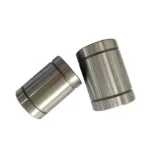
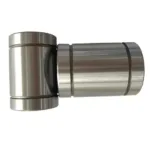
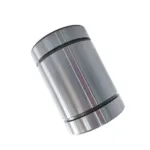
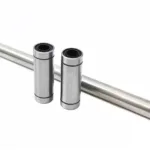
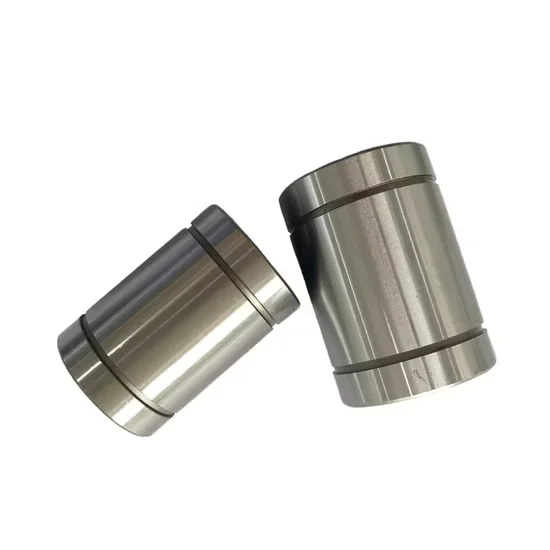
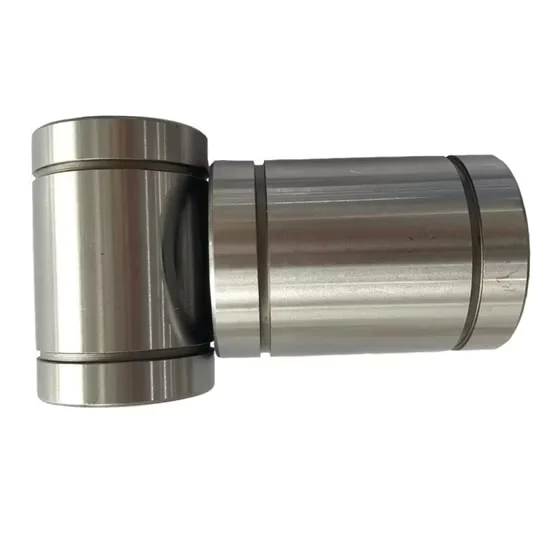
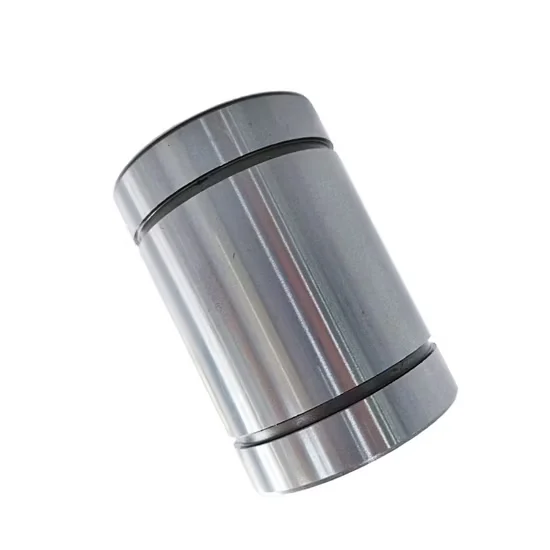
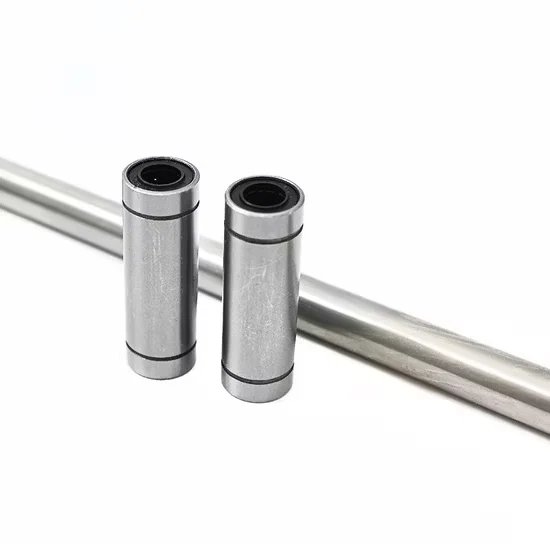
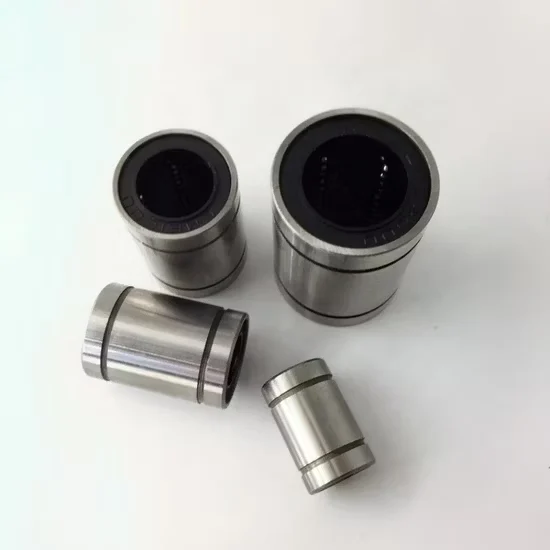
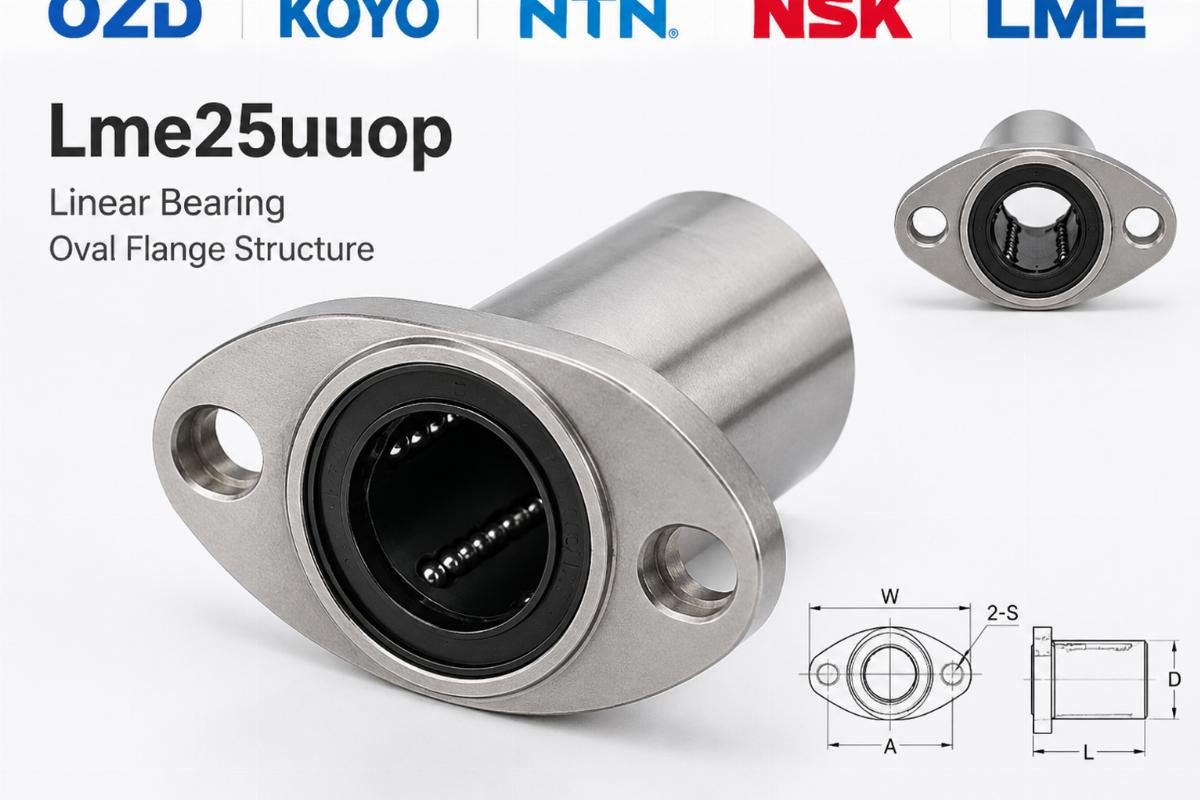
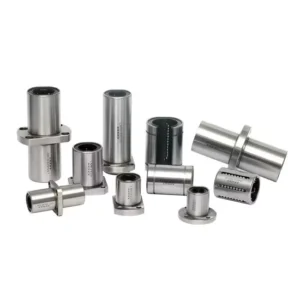
Lme25uuop Linear Bearing 1 Inch Oval Flange for CNC Machine Tools
OZD KOYO NTN NSK Lme25uuop Linear Bearing features an oval flange design and HRC 60-64 hardness for reliable linear motion in CNC machine tools.
Constructed from premium stainless steel or bearing steel with customizable cage options.
Our technical team guarantees precise cross-reference alignment for cage material, flange shape, and hardness to match your exact application requirements.
Original Batch Traceability — Every Lme25uuop unit ships with manufacturer lot codes linking directly to the production facility’s quality records.
Technical Specifications
Parameter
Value
Designation
Lme25uuop
Bearing Type
Linear Bearing
Flange Shape
Oval
Shape
Flange
Series
Lm/Luu/Lme Series
Material Options
Stainless Steel or Bearing Steel
Hardness
HRC 60-64
Cage Options
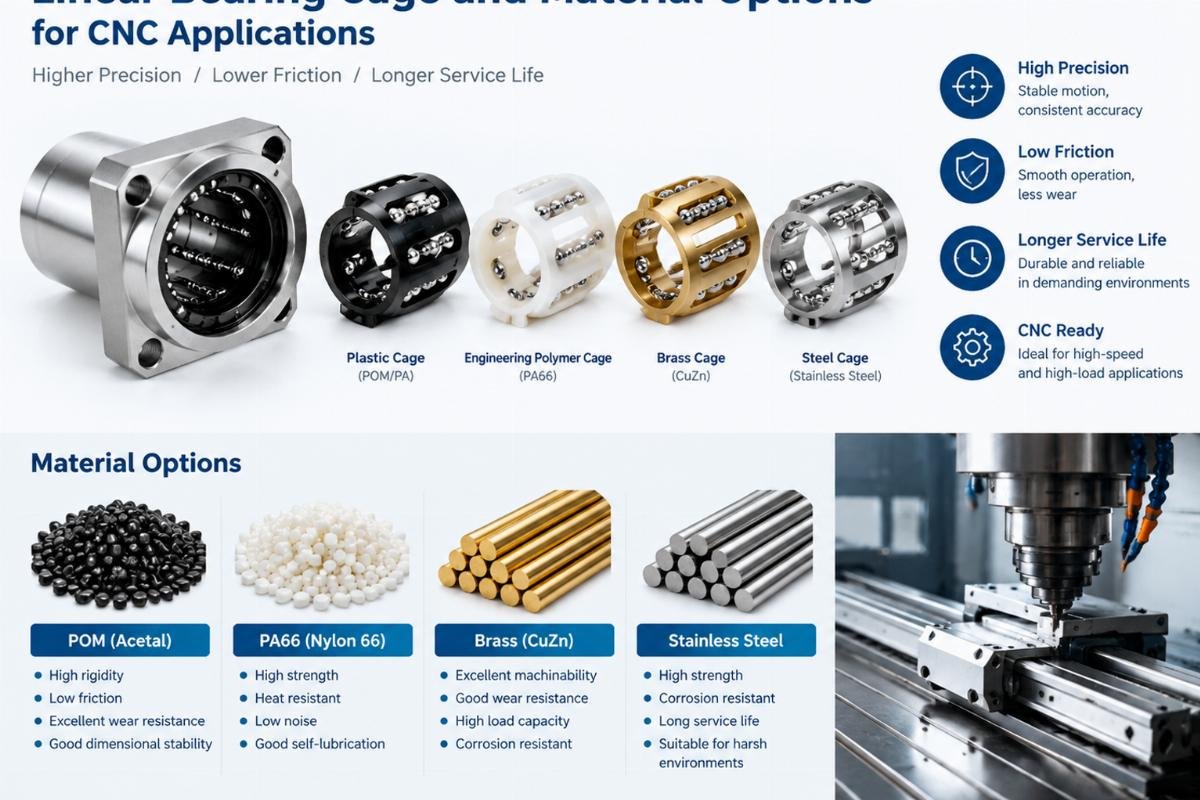
Steel Cage, Copper Cage, or Nylon Cage
Origin
Shandong, China
Note: The ‘uu’ and ‘op’ designations are unverified suffixes requiring manufacturer catalog confirmation.
Application Suitability
Industry
Typical Applications
CNC Machining
Spindle linear guide ways and tool changer mechanisms
Machine Tools
Cross-slide movements and precision positioning tables
General Manufacturing
Automated assembly lines and packaging machinery actuators
Why Dust Ingress Destroys the OZD KOYO NTN NSK Lme25uuop linear bearing Before Fatigue Sets In
Unsealed linear motion components fail rapidly in particulate-heavy environments.
In my years installing equipment on factory floors in Mexico, I learned the hard way that ignoring seal specifications leads to catastrophic downtime. Swapping a standard open linear bearing for one without proper lip seals in a woodworking packaging line resulted in complete seizure within weeks due to fine dust infiltration [NEED_CITE: rolling bearing failure mode classification per ISO 15243]. Procurement engineers often overlook environmental ingress when specifying the OZD KOYO NTN NSK Lme25uuop linear bearing, focusing solely on load ratings while ignoring the microscopic debris that destroys recirculating ball tracks.
Matching the Oval Flange Profile to CNC Spatial Constraints
The oval flange configuration of this component allows for secure mounting in tight spatial envelopes typical of multi-axis CNC machining centers. When sourcing the OZD KOYO NTN NSK Lme25uuop linear bearing, buyers benefit from cross-brand equivalent model consultation to ensure the mounting hole patterns align perfectly with existing carriage blocks. This flexibility prevents costly machining modifications during urgent maintenance replacements.
Managing Particulate Contamination and Lubrication Breakdown
Machine tool environments generate aggressive swarf and fine coolant mists that compromise standard open bearings. Effective sealing is critical to retain lubrication and exclude abrasive particles from the ball recirculation paths [NEED_CITE: contamination impact on bearing life per ISO 281]. Without effective lip seals, the friction coefficient spikes unpredictably, leading to stick-slip motion and degraded surface finish on machined parts. Selecting the appropriate cage material further dictates how well the assembly handles high-speed traversal and varying thermal expansion rates.
Decoding Material and Cage Selections for Linear Motion
Specifying the correct material variant is paramount; stainless steel options provide essential corrosion resistance in humid or coolant-heavy settings, while bearing steel offers superior load capacity for heavy-duty milling operations. The HRC 60-64 hardness ensures the raceway resists brinelling under static loads. Furthermore, cage selection directly influences operational acoustics and speed limits: nylon cages reduce noise and weight for high-speed automation, whereas steel or copper cages maintain structural integrity under elevated thermal loads.
The Financial Drain of Premature Seizure in Automation
Deploying an incorrectly sealed or improperly caged component in a continuous-run CNC environment triggers a cascade of hidden expenses. Unplanned downtime halts the entire production cell, while catastrophic damage to the linear shaft necessitates replacing the entire motion assembly rather than just the bearing. According to failure analysis frameworks, surface distress from particulate ingress accounts for a significant share of premature linear motion failures [NEED_CITE: surface distress failure modes in linear guides].
Securing Genuine Traceability for Mixed-Brand MRO Orders
Sourcing authentic motion components across multiple premium brands often involves navigating fragmented supply chains. We consolidate mixed-size packages, ensuring that every OZD KOYO NTN NSK Lme25uuop linear bearing shipped includes complete traceability documentation linking back to the manufacturer’s production facilities. Our massive spot inventory covers thousands of standard part numbers, allowing us to fulfill single-unit emergency MRO requests just as efficiently as full-container project orders, eliminating the risk of counterfeit parts entering your critical machinery.
Documentation & Authenticity
Certificate of Conformity verifying the exact HRC 60-64 hardness specification for the raceway.
Original manufacturer batch traceability codes linking the oval flange bearing to its production date.
Dimensional inspection reports confirming the precise flange thickness and mounting hole tolerances.
Material certification validating the specific stainless steel or bearing steel grade utilized.
Storage, Handling & Mounting
Retain the original vapor-corrosion inhibitor packaging until installation to protect the bearing steel variant from humidity.
Use dedicated cleanroom gloves when handling the recirculating ball tracks to prevent acidic skin oils from initiating micro-pitting.
Align the oval flange mounting holes using precision dowel pins to avoid inducing radial preload during bolt tightening.
Apply the specified lithium-based grease to the open-type variants before initial carriage traversal to prevent dry-run scoring.
Engineering Review for Linear Motion Integration
To ensure optimal selection, please provide the specific radial and axial load profiles, maximum traverse speeds, and operational temperature ranges of your CNC application. Sharing the OEM equipment model number allows our technical team to perform precise cross-reference validation and confirm the exact dimensional fitment for your carriage block.
Frequently Asked Questions
Q: How do we verify the authenticity of multi-brand linear bearings?
A: We provide comprehensive traceability documentation with every shipment, including original manufacturer batch codes and Certificates of Conformity. This ensures that components sourced from various premium global brands are genuine, completely traceable to their production facilities, and free from the risks associated with unauthorized secondary markets.
Q: What operational differences exist between stainless steel and bearing steel variants?
A: Stainless steel variants offer superior corrosion resistance, making them ideal for environments exposed to coolant mists or high humidity. Conversely, bearing steel options deliver higher load-bearing capacity and fatigue resistance, which is essential for heavy-duty CNC machining operations where structural rigidity outweighs corrosion concerns.
Q: How should buyers select the correct cage material for specific loads?
A: Nylon cages are optimal for high-speed, low-noise automation applications due to their lightweight and self-lubricating properties. Steel and copper cages are better suited for high-temperature environments or heavy-load scenarios where thermal stability and structural rigidity are required to maintain precise ball spacing under stress.
Q: What do the specific suffixes in linear bearing designations indicate?
A: Suffixes typically denote sealing arrangements, clearance classes, or cage materials. We always cross-reference the exact nomenclature against official technical databases to ensure the sealing and clearance specifications perfectly match your operational requirements, preventing misalignment or premature wear in your specific automation setup.
Shipping Information
EU Warehouse
3-7 working days (bonded stock)
Direct from China
Shanghai & Ningbo hubs (bulk / FCL)
Markets Served
DE · IT · PL · ES · NL · FR · EU+
Incoterms
DDP / DAP available on request
Minimum Order
Contact us for MOQ details
Documents Included with Every Shipment
EN and ISO Quality Certificates
Batch traceability and manufacturing standard
Material & Heat-Treatment Reports
Full material composition and process records
CE Declaration of Conformity
For bearing units and motion products
RoHS Compliance Declaration
Restriction of hazardous substances
EUR.1 Movement Certificate
Preferential origin for EU customs
Certificate of Origin
Country of manufacture documentation
Correct HS Codes
Pre-classified for smooth customs clearance
Commercial Invoice & Packing List
VAT-compliant intra-EU invoicing
Transparent Landed Cost with Tax Explanation
SKFEU provides full price transparency so EU buyers know exactly what they pay. No hidden duties, no surprise charges at customs.
VAT-Compliant Invoicing
All intra-EU transactions are invoiced with correct VAT treatment. B2B buyers with valid EU VAT numbers receive zero-rated invoices where applicable.
No Unexpected Import Duties
Goods shipped from our EU bonded warehouse arrive as intra-EU movements -- no import duties, no customs delays for EU-based buyers.
EUR.1 & Origin Docs Ready
For shipments direct from China, EUR.1 movement certificates and certificates of origin are prepared in advance to minimise customs clearance time.
DDP Pricing Available
Ask for Delivered Duty Paid quotations -- we absorb all import costs so your landed cost is fixed and predictable from day one.
Need a landed cost breakdown? Contact Sofia at
sofia@skfeu.com
or via WhatsApp for a full DDP quotation including freight, duties and VAT for your country.
Send Inquiry
Request Pricing & Availability
Share your requirements and Sofia will respond within one working day with pricing, lead time and full documentation details.