SKF 126 Tn9 Self-Aligning Ball Bearing 6x19x6 mm Genuine Supplier
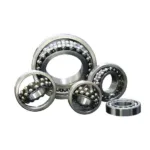
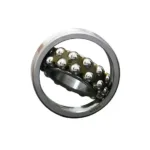
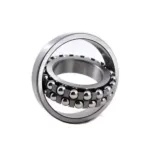
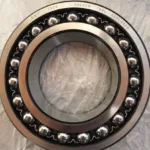
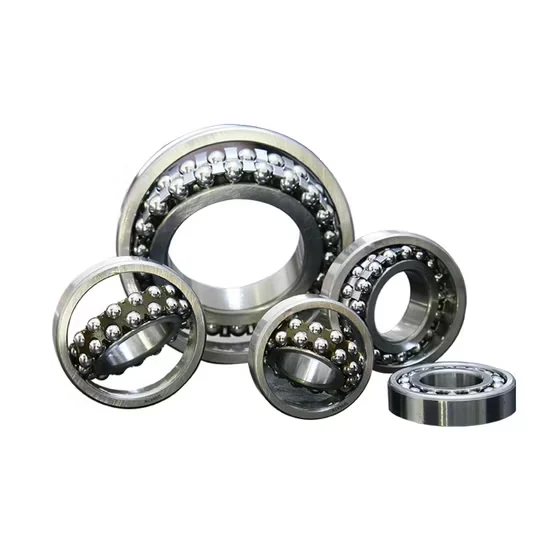
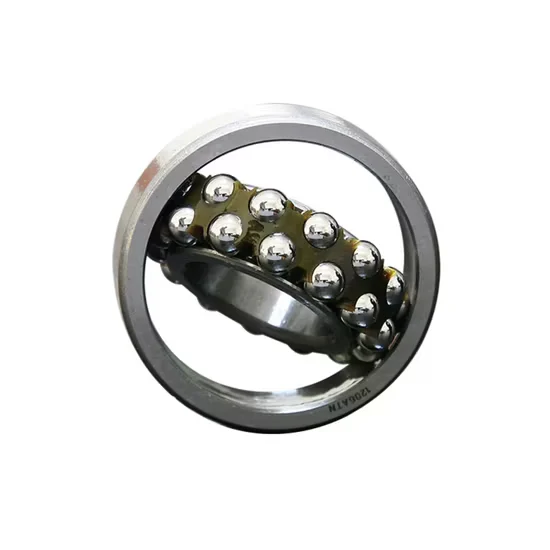
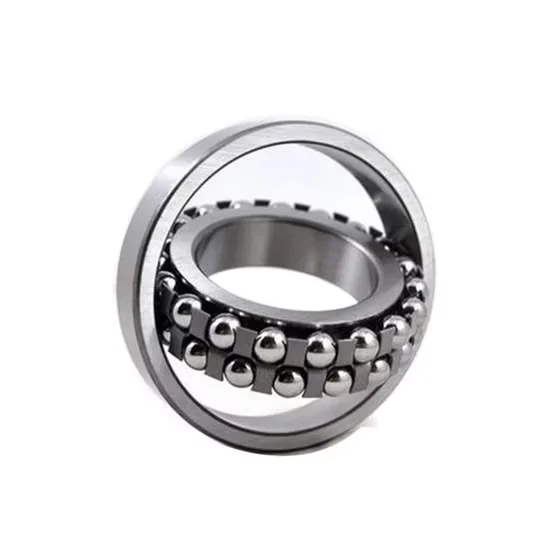
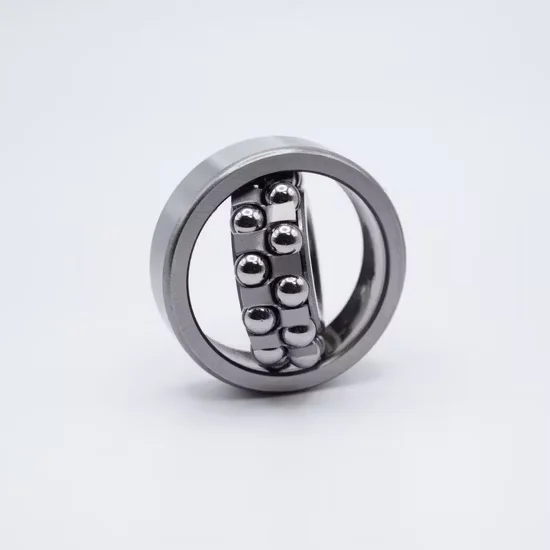
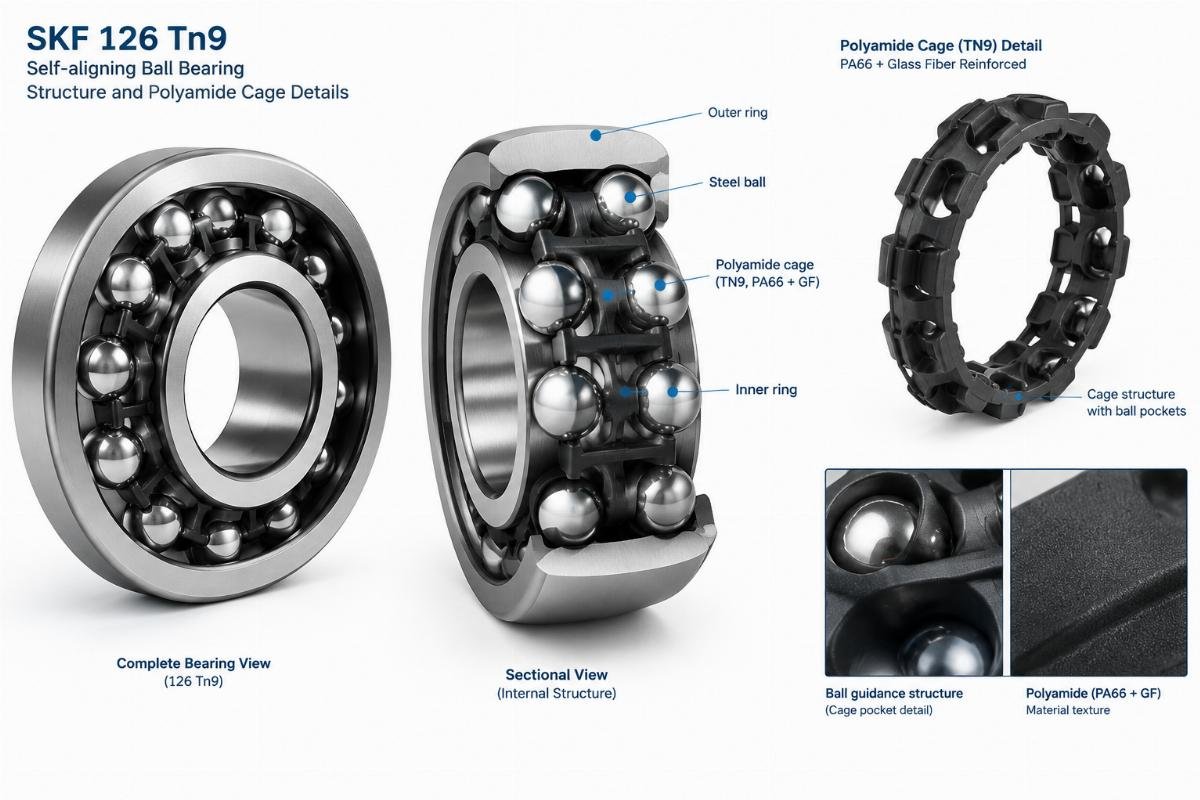
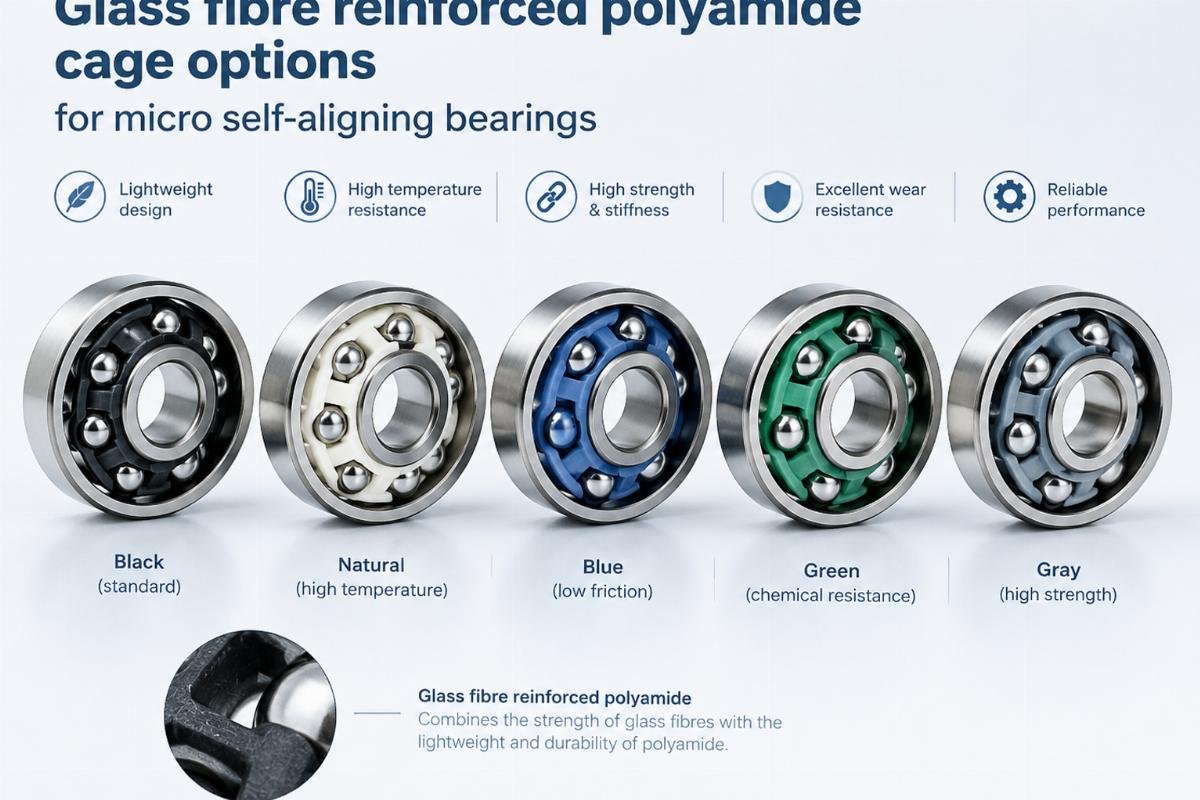
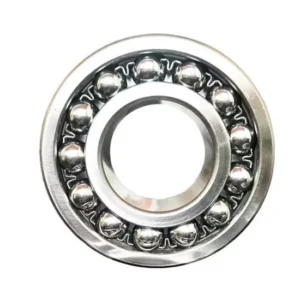
SKF 126 Tn9 Self-Aligning Ball Bearing 6x19x6 mm features a glass fibre reinforced polyamide cage, ensuring high-speed capability and exceptionally low noise operation. Its double-row construction reliably accommodates static shaft misalignment for demanding agricultural and textile machinery applications.
Genuine chrome steel material
Every order ships with a complete documentation package, including original material certificates and precise dimensional inspection reports for full verification.
Cross-Reference Suffix Alignment — We verify the exact polyamide cage code against equivalent micro bearings to prevent material mismatch during cross-brand substitution.
Technical Specifications
Parameter
Value
Designation
126 Tn9
Product Type
Self-Aligning Ball Bearing
Bore Diameter (d)
6 mm
Outside Diameter (D)
19 mm
Width (B)
6 mm
Number of Rows
Double-Row
Cage Material
Glass fibre reinforced polyamide (Tn9)
Material
Chrome Steel Gcr15 / 100cr6
Origin
Shandong, China
Application Suitability
Industry
Typical Applications
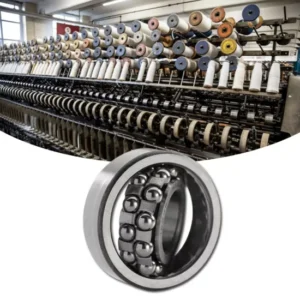
Textile Machinery
Yarn guide rollers and tensioning pulleys
Agricultural Machinery
Seed metering mechanisms and light conveyor drives
General Manufacturing
Small electric motors and precision instrument shafts
Why Cage Material Dictates Survival in Micro SKF 126 Tn9 self-aligning ball bearing Applications
Polyamide cages prevent catastrophic seizure under high-speed thermal expansion where steel cages fail.
Missing a single suffix character on a micro bearing order can halt an entire textile production line. I learned this the hard way at a Hanover trade show when a European client received steel-caged replacements instead of the specified polyamide variant, causing immediate seizure under operational heat. Securing the exact SKF 126 Tn9 self-aligning ball bearing ensures the cage material matches the thermal and frictional demands of your specific machinery. [NEED_CITE: bearing failure modes related to cage material mismatch per ISO 15243]
Matching Micro Bearing Clearances to Textile and Agricultural Loads
The SKF 126 Tn9 self-aligning ball bearing accommodates static shaft misalignment inherent in light conveyor systems and agricultural seed metering units. Its double-row design distributes radial loads evenly across the miniature raceway, while the polyamide cage reduces rotational mass. Our sourcing network ensures these specific micro bearings arrive with the correct internal clearance for high-speed textile spindle applications.
Managing Thermal and Contamination Challenges in Miniature Drives
Miniature drive shafts in agricultural and textile environments face severe contamination from dust and fiber debris, demanding precise sealing or shielding solutions. High rotational speeds generate localized heat, making the thermal stability of the glass fibre reinforced polyamide cage critical for maintaining dimensional integrity. Inadequate lubrication intervals in these micro housings accelerate wear, especially when shaft deflection introduces uneven axial loading. Selecting the appropriate clearance class prevents internal preload buildup as the operating temperature rises. [NEED_CITE: thermal expansion effects on miniature bearing internal clearance]
Decoding the Tn9 Suffix and Micro Dimensional Tolerances
The Tn9 suffix explicitly designates a glass fibre reinforced polyamide cage, which operates quietly and handles high-speed rotational forces better than stamped steel alternatives in micro applications. At a 6x19x6 mm footprint, the bearing is available in Chrome Steel Gcr15 or 100cr6 variants to resist raceway spalling under continuous radial stress. The double-row self-aligning geometry compensates for minor housing bore misalignments, protecting the shaft from bending moments. Understanding this specific cage material prevents the disastrous substitution of steel cages that cannot dissipate friction heat effectively at miniature scales.
The Cascading Downtime Cost of Incorrect Micro Bearing Substitution
Installing a steel-caged equivalent in a high-speed textile roller designed for a polyamide cage leads to rapid thermal seizure and catastrophic shaft damage. This premature failure triggers unplanned downtime that far exceeds the component cost, often voiding the machinery manufacturer’s warranty. According to failure analysis frameworks, cage disintegration in miniature bearings rapidly contaminates the entire housing with debris. Relying on verified suffix specifications prevents these cascading mechanical breakdowns across your production floor. [NEED_CITE: cascading mechanical damage from miniature bearing cage failure per ISO 281]
Securing Exact Suffix Specifications Through Rigorous Verification
We cross-check every micro bearing order against the manufacturer’s official catalog to guarantee the Tn9 polyamide cage is never substituted with a steel variant. Our inventory system flags suffix discrepancies before dispatch, ensuring the 6x19x6 mm dimensions and cage materials align perfectly with your maintenance requirements. We provide full batch traceability for these miniature components, allowing your engineering team to verify the exact production origin. Our technical staff reviews cross-reference requests to confirm equivalent models maintain the identical glass fibre reinforced cage structure.
Documentation & Authenticity
Official batch traceability documents confirming the exact Tn9 polyamide cage specification.
Dimensional inspection reports verifying the strict 6x19x6 mm micro tolerances before dispatch.
Material certification validating the Chrome Steel Gcr15 or 100cr6 raceway metallurgy options.
Authenticity verification guides for scanning manufacturer QR codes on miniature bearing packaging.
Storage, Handling & Mounting
Store the 6x19x6 mm micro bearings in original sealed packaging to prevent humidity degradation of the polyamide cage.
Use lint-free gloves during mounting to avoid transferring skin oils onto the miniature Chrome Steel raceways.
Avoid pressing tools directly on the outer ring to protect the delicate double-row self-aligning geometry.
Apply the specified micro-dose lubrication immediately if supplied open, preventing initial dry-start scoring on the raceway.
Requesting Technical Parameters for Micro Bearing Validation
Share your exact radial and axial load profiles, operating speeds, and housing temperature ranges so our engineers can validate the internal clearance selection. Providing the original equipment manufacturer part numbers allows us to cross-reference the exact suffix requirements and confirm polyamide cage compatibility. Detail any specific environmental exposure, such as agricultural dust or textile fibers, to determine if additional sealing variants are necessary for your application.
Frequently Asked Questions
Q: How can I verify the authenticity of the SKF 126 Tn9 self-aligning ball bearing?
A: Authenticity is confirmed by scanning the manufacturer’s official QR code on the packaging and cross-referencing the batch number with their global database. We also supply original batch traceability documents and dimensional inspection reports that verify the exact 6x19x6 mm micro tolerances and Tn9 polyamide cage specifications before shipment.
Q: What does the Tn9 suffix indicate regarding cage material and performance?
A: The Tn9 suffix specifies a glass fibre reinforced polyamide cage. This material significantly reduces rotational friction and operates much quieter than stamped steel cages. It is essential for high-speed micro applications where thermal expansion from steel cages would cause internal seizure and catastrophic failure under continuous operation.
Q: What are the temperature limitations for the polyamide cage compared to steel?
A: Polyamide cages have a lower continuous operating temperature threshold compared to machined brass or steel cages. While they excel in high-speed, low-friction environments, they are not suitable for applications exceeding their specific thermal limits. Always verify the maximum operating temperature of your textile or agricultural machinery against the cage material specifications.
Q: How should micro self-aligning bearings be lubricated during installation?
A: If the micro bearing is supplied without integrated seals, apply a precise micro-dose of the manufacturer-recommended grease immediately before mounting to prevent dry-start scoring. Avoid overfilling the miniature housing, as excess grease causes churning and rapid temperature spikes that can degrade the glass fibre reinforced polyamide cage material prematurely.
Shipping Information
EU Warehouse
3-7 working days (bonded stock)
Direct from China
Shanghai & Ningbo hubs (bulk / FCL)
Markets Served
DE · IT · PL · ES · NL · FR · EU+
Incoterms
DDP / DAP available on request
Minimum Order
Contact us for MOQ details
Documents Included with Every Shipment
EN and ISO Quality Certificates
Batch traceability and manufacturing standard
Material & Heat-Treatment Reports
Full material composition and process records
CE Declaration of Conformity
For bearing units and motion products
RoHS Compliance Declaration
Restriction of hazardous substances
EUR.1 Movement Certificate
Preferential origin for EU customs
Certificate of Origin
Country of manufacture documentation
Correct HS Codes
Pre-classified for smooth customs clearance
Commercial Invoice & Packing List
VAT-compliant intra-EU invoicing
Transparent Landed Cost with Tax Explanation
SKFEU provides full price transparency so EU buyers know exactly what they pay. No hidden duties, no surprise charges at customs.
VAT-Compliant Invoicing
All intra-EU transactions are invoiced with correct VAT treatment. B2B buyers with valid EU VAT numbers receive zero-rated invoices where applicable.
No Unexpected Import Duties
Goods shipped from our EU bonded warehouse arrive as intra-EU movements -- no import duties, no customs delays for EU-based buyers.
EUR.1 & Origin Docs Ready
For shipments direct from China, EUR.1 movement certificates and certificates of origin are prepared in advance to minimise customs clearance time.
DDP Pricing Available
Ask for Delivered Duty Paid quotations -- we absorb all import costs so your landed cost is fixed and predictable from day one.
Need a landed cost breakdown? Contact Sofia at
sofia@skfeu.com
or via WhatsApp for a full DDP quotation including freight, duties and VAT for your country.
Send Inquiry
Request Pricing & Availability
Share your requirements and Sofia will respond within one working day with pricing, lead time and full documentation details.