Ceramic Tile Plant Bearings for Kilns & Presses: Wholesale Supplier
Selecting the right Ceramic Tile Plant Bearings requires prioritizing high-temperature resistance and superior sealing over initial cost to prevent rapid failure in kilns and presses. Discover how genuine sealed spherical and cylindrical roller bearings withstand extreme heat and abrasive dust, ensuring continuous production and minimizing unplanned downtime.

Ceramic Tile Plant Bearings for Kilns & Presses: Wholesale Supplier
The cheapest bearing is the one that never fails.
Selecting the right Ceramic Tile Plant Bearings requires prioritizing high-temperature resistance and superior sealing over initial purchase price. Standard industrial bearings fail rapidly in kiln and press environments due to thermal degradation and abrasive dust ingress. The solution lies in using genuine, sealed spherical or cylindrical roller bearings from premium global brands, specifically designed to withstand extreme heat and heavy radial loads while preventing contamination.
I still remember the look on a plant manager’s face in Sassuolo, Italy. He was holding a sample of a kiln roller bearing that had seized after just a few months. His production line had stopped because the standard grease had carbonized, and brick dust had ground the rolling elements into paste. That silence on the factory floor cost them far more than the price difference between a standard bearing and a specialized high-temperature unit. Since then, I have seen this pattern repeat across countless facilities. The harsh reality of ceramic manufacturing is that it destroys mediocre components. Heat does not just soften metal; it alters the metallurgical structure. Dust does not just sit on the surface; it acts as an abrasive compound that accelerates wear exponentially. [NEED_CITE: failure modes of bearings in high-temperature and contaminated environments per ISO 15243]
Understanding why these components fail is the first step toward selecting the right Ceramic Tile Plant Bearings. It is not about finding the lowest bid. It is about finding the component that survives the cycle.
What are the unique challenges for bearings in ceramic plants?
Kilns and presses create a hostile environment that combines extreme thermal stress with aggressive particulate contamination.
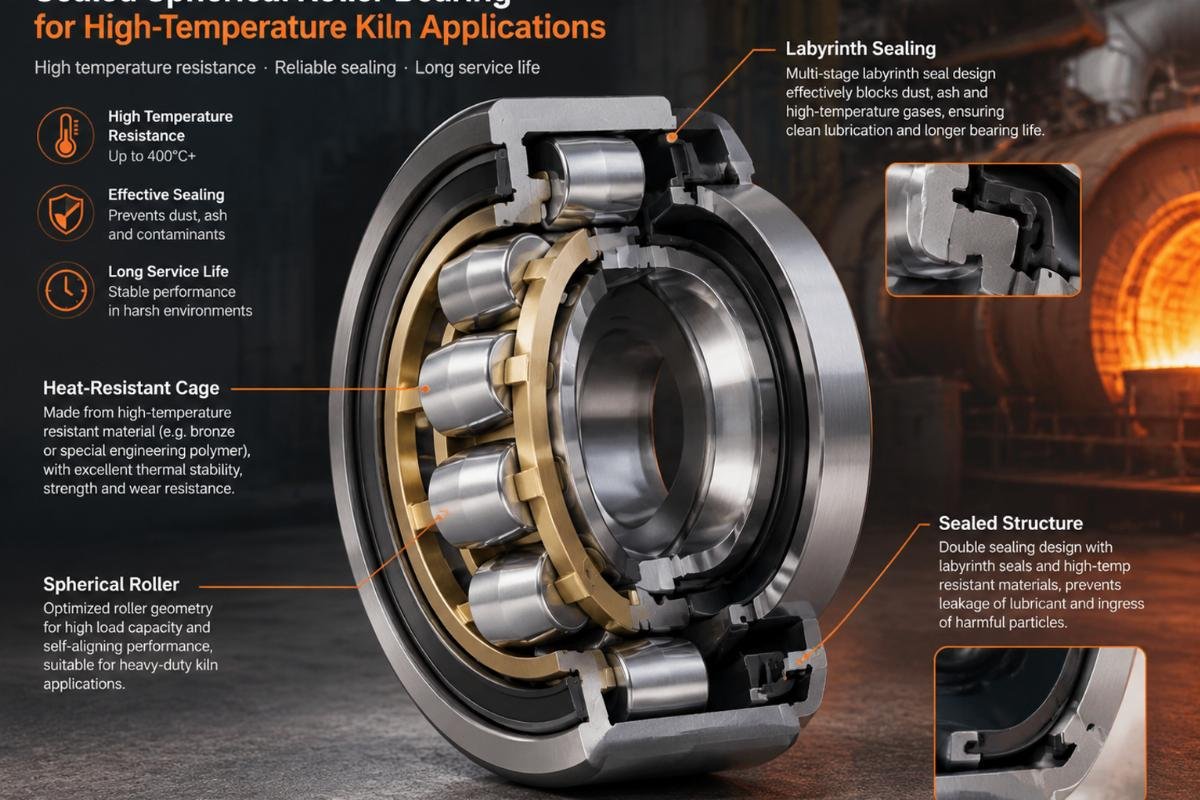
In a ceramic tile plant, two distinct zones demand different bearing strategies. The kiln section exposes components to sustained high temperatures, often exceeding the limits of standard lubricants. The press section subjects bearings to massive radial loads and constant exposure to fine, abrasive clay and brick dust.
The primary enemy in the kiln is heat. Standard bearing steels lose their hardness when exposed to temperatures beyond their design threshold. This leads to dimensional instability and premature fatigue. Furthermore, conventional lithium-based greases break down, leaving the bearing dry and vulnerable to seizure. [NEED_CITE: thermal limits of standard bearing steels and lubricants]
In the press area, the enemy is dust. Ceramic powder is incredibly fine and hard. If it breaches the seal, it mixes with the lubricant to form a grinding paste. This abrasive slurry destroys the raceways and rolling elements quickly. A standard rubber seal may harden and crack under the vibration and heat of the press, creating a direct path for contamination.

Many operators mistakenly believe that frequent re-lubrication can solve the dust problem. In reality, adding fresh grease to a contaminated bearing often pushes the abrasive particles deeper into the rolling contact area. The solution is not more maintenance; it is better protection. This is where the quality of the seal and the stability of the high-temperature lubricant become critical factors in choosing Ceramic Tile Plant Bearings.
How to select the right bearing types for kilns and presses?
Spherical and cylindrical roller bearings are the preferred choices due to their ability to handle heavy loads and accommodate thermal expansion.
Selecting the correct bearing type is not a matter of preference but of mechanical necessity. The operational conditions in ceramic plants dictate specific structural requirements.
| Bearing Type | Load Capacity | Misalignment Tolerance | Thermal Expansion Handling | Suitability for Kilns | Suitability for Presses |
|---|---|---|---|---|---|
| Deep Groove Ball | Moderate | Low | Poor | Low | Low |
| Cylindrical Roller | High Radial | Low | Good | Moderate | High |
| Spherical Roller | Very High Radial | High | Excellent | High | High |
| Tapered Roller | High Combined | Low | Moderate | Low | Moderate |
Cylindrical roller bearings are ideal for the press section where pure radial loads are dominant. They offer high load-carrying capacity and rigidity. However, they are sensitive to misalignment. In contrast, spherical roller bearings can accommodate shaft deflection and misalignment caused by thermal expansion in the kiln. Their self-aligning capability prevents edge loading, which is a common cause of premature failure in long kiln rollers. [NEED_CITE: load rating calculations and misalignment tolerance standards for roller bearings]
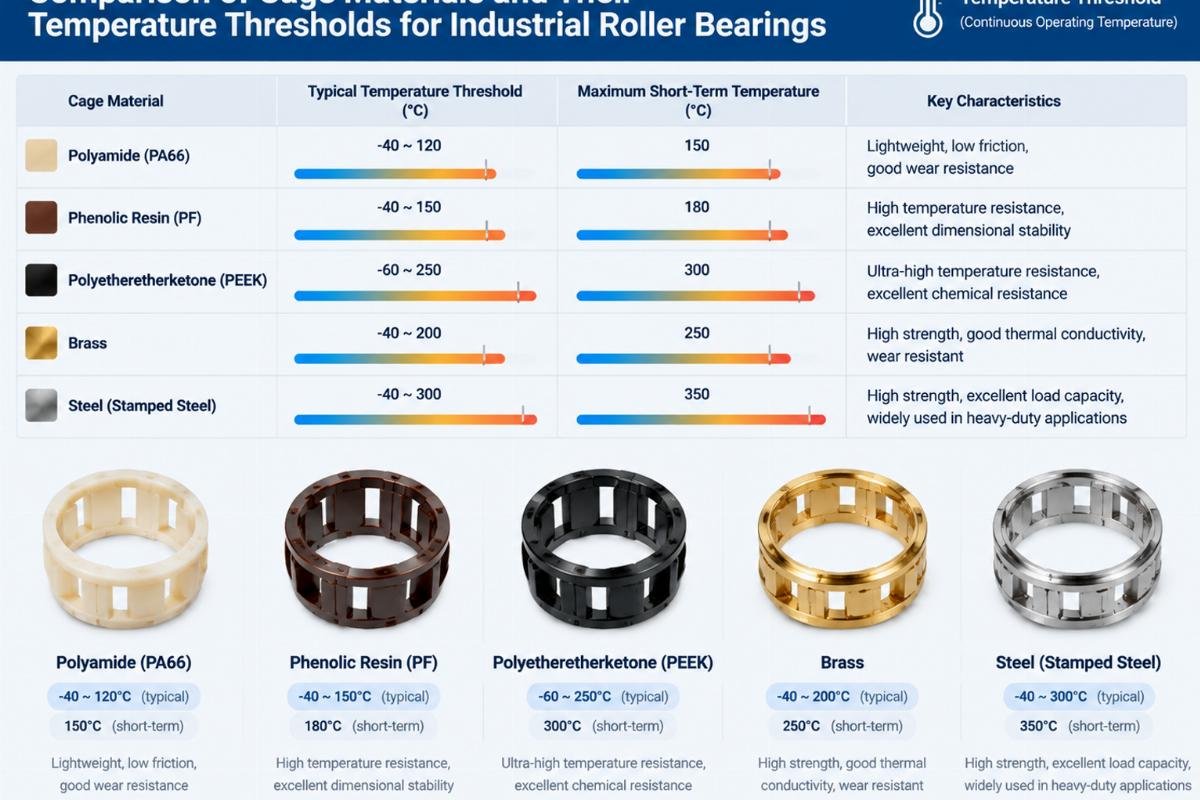
When sourcing Ceramic Tile Plant Bearings, it is essential to verify the cage material. In high-temperature zones, standard steel cages may expand differently than the rings, leading to binding. Brass or polyamide cages, depending on the temperature range, offer better compatibility. For extreme heat, solid lubrication or specialized high-temperature greases are mandatory. Standard grease simply cannot survive the kiln zone.
The key is matching the bearing geometry to the specific mechanical stress. Using a deep groove ball bearing in a heavy press application is a recipe for rapid failure. Similarly, using a bearing without adequate internal clearance in a kiln will result in seizure as the components expand.
Why do standard bearings fail in tile manufacturing?
Inadequate sealing allows abrasive brick dust to destroy lubrication, leading to catastrophic seizure.
The most common reason for bearing failure in tile manufacturing is not load or speed, but contamination. Standard industrial bearings often come with simple contact seals that are not designed for the fine, abrasive nature of ceramic dust. Once this dust enters the bearing, it compromises the lubricant film.
I recall a case where a plant switched to a cheaper alternative for their press bearings. Within weeks, the maintenance team reported increased vibration. Upon inspection, the bearings were filled with a grey, gritty paste. The seals had allowed microscopic clay particles to enter. The cost of the downtime to replace these bearings was significantly higher than the savings from the initial purchase. [NEED_CITE: impact of particulate contamination on bearing lubrication life]
Another frequent issue is the use of standard grease in high-temperature areas. As the temperature rises, the base oil separates from the thickener, leaving the bearing dry. This leads to metal-to-metal contact, rapid heating, and eventual welding of the rolling elements to the raceway. This is not a gradual wear process; it is a sudden, catastrophic failure that stops the line immediately.
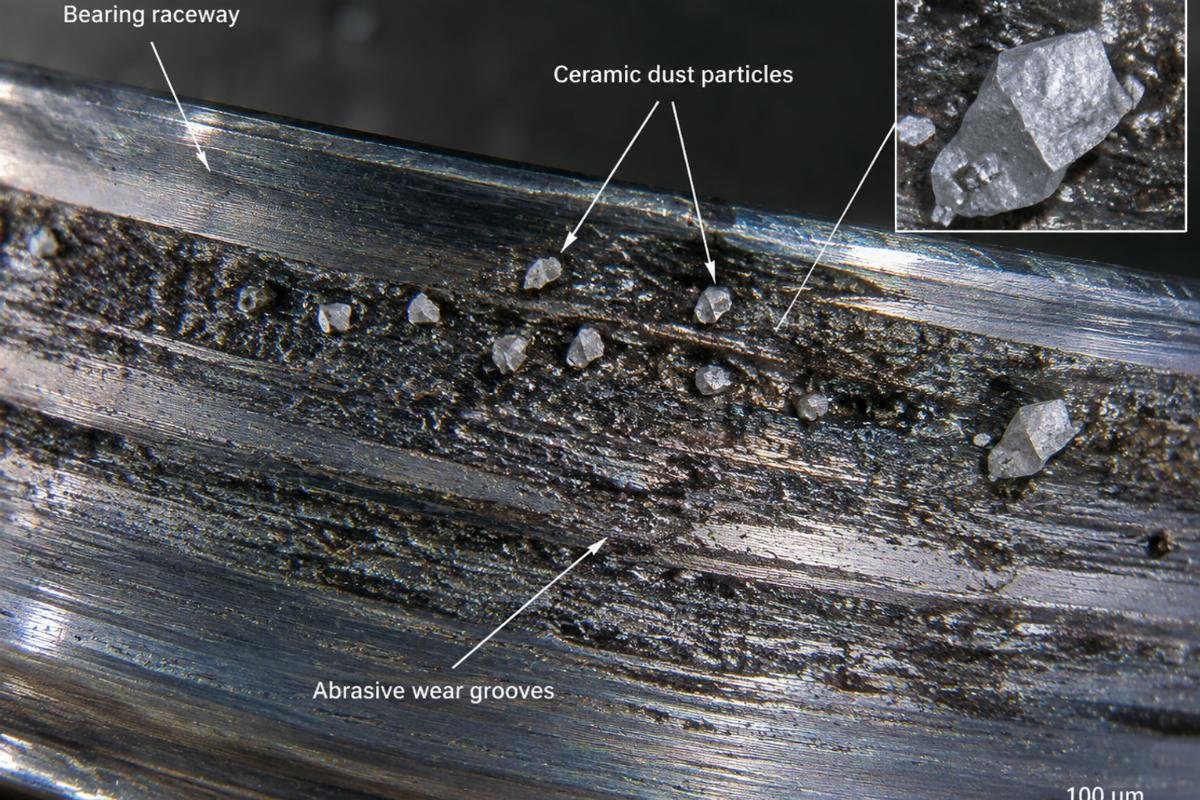
To prevent this, bearings must have robust sealing solutions. Labyrinth seals or combination seals that offer both contact and non-contact protection are essential. Additionally, the lubricant must be rated for the specific operating temperature. Using a general-purpose grease in a kiln application is ineffective. Specialized high-temperature lubricants or even solid lubricants are required to maintain a protective film under extreme thermal stress. This is a critical consideration when evaluating Ceramic Tile Plant Bearings.
How can plants optimize bearing maintenance and sourcing?
Implementing predictive maintenance and reliable multi-brand sourcing reduces unplanned downtime and total lifecycle costs.
Optimizing bearing performance is not just about selection; it is about management. Predictive maintenance techniques, such as vibration analysis and thermal imaging, can detect early signs of failure before they lead to a shutdown. Monitoring temperature trends in kiln rollers can indicate lubrication breakdown or seal failure. [NEED_CITE: best practices for predictive maintenance in heavy industry]
Sourcing strategy also plays a vital role. Relying on a single brand can lead to supply chain vulnerabilities. A mixed-brand approach, sourcing genuine products from multiple premium manufacturers like SKF, FAG, NSK, and TIMKEN, ensures availability and competitive pricing. This flexibility is crucial for MRO operations where urgent replacements are needed.
A Middle East distributor once shared how switching to a consolidated supplier for their Ceramic Tile Plant Bearings reduced their lead times significantly. Instead of managing multiple accounts and dealing with inconsistent stock levels, they had a single source for genuine bearings across various brands. This streamlined their procurement process and ensured they always had the right part available for emergency repairs.
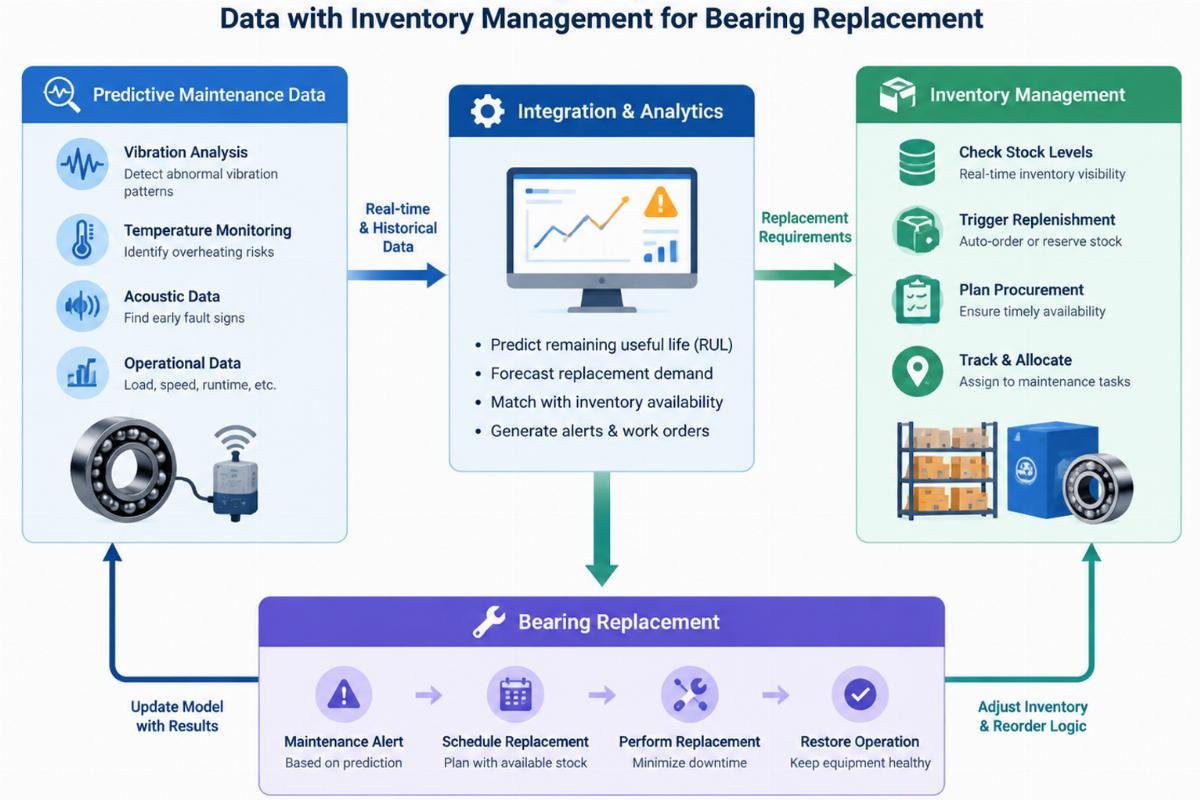
Furthermore, working with a supplier who offers technical support for model selection and cross-brand equivalence can prevent specification errors. Ensuring that the replacement bearing matches the original specifications in terms of load rating, clearance, and sealing is essential for maintaining reliability. This level of support transforms bearing procurement from a simple transaction into a strategic partnership for operational continuity.
Conclusion
Reliability in ceramic manufacturing depends on resisting heat and dust, not just supporting weight.
Choosing the right Ceramic Tile Plant Bearings means prioritizing sealing integrity and thermal stability over initial cost. Standard components cannot withstand the abrasive dust of presses or the extreme heat of kilns. By selecting genuine, specialized bearings from reputable global brands and implementing proactive maintenance strategies, plants can minimize unplanned downtime. The goal is not just to buy a bearing, but to secure continuous production.
Tagged

Written by
author
Editor covering global sourcing, supplier verification, and industrial product knowledge. Content is compiled from manufacturer specifications, industry standards, and hands-on experience with international B2B buyers. Every article is fact-checked before publishing to help procurement professionals make informed decisions.