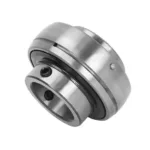
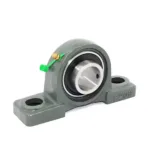
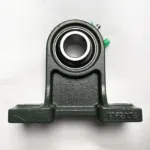
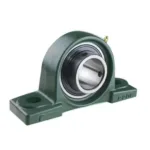
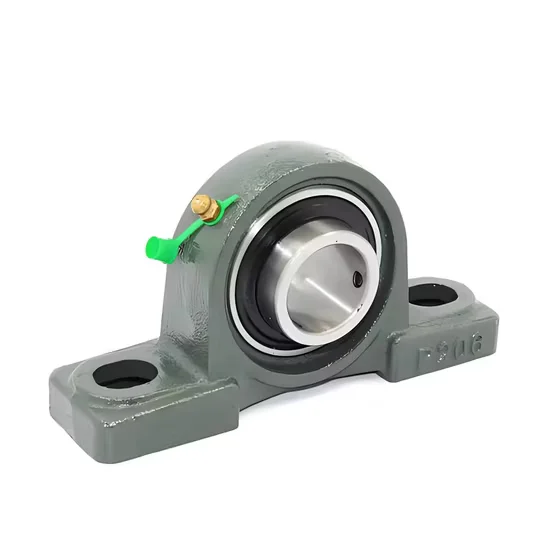
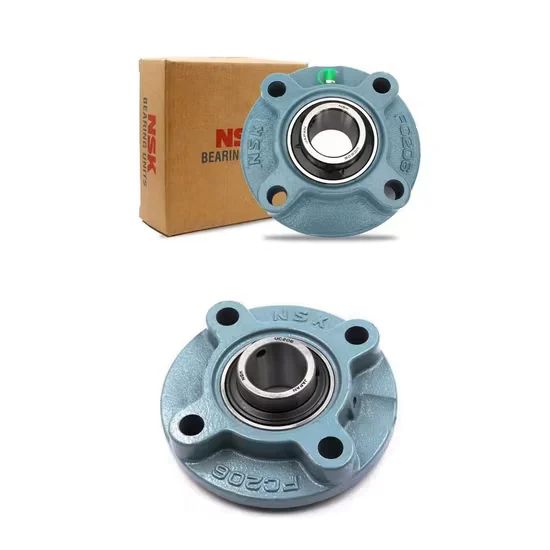
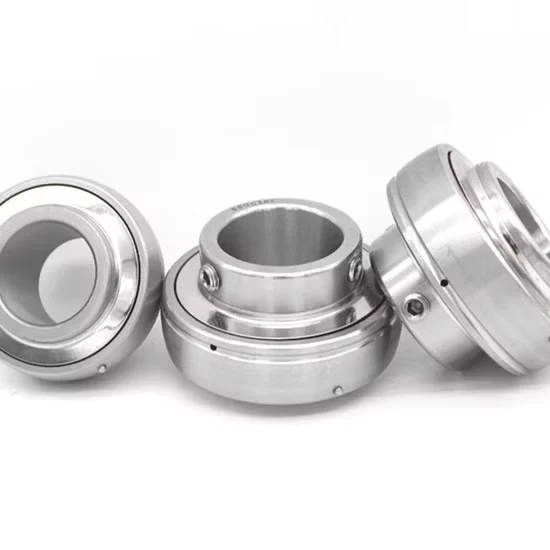
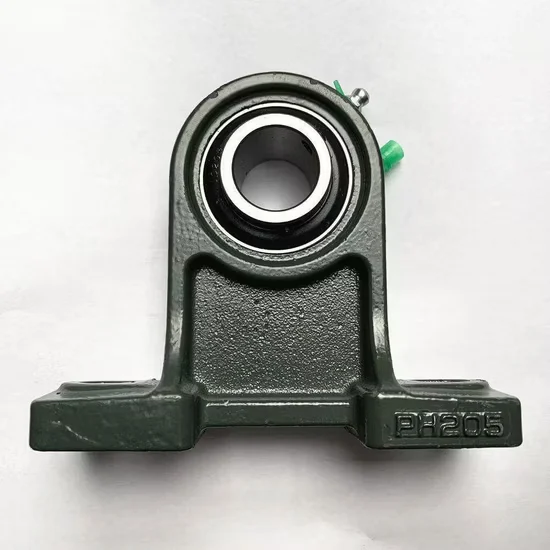
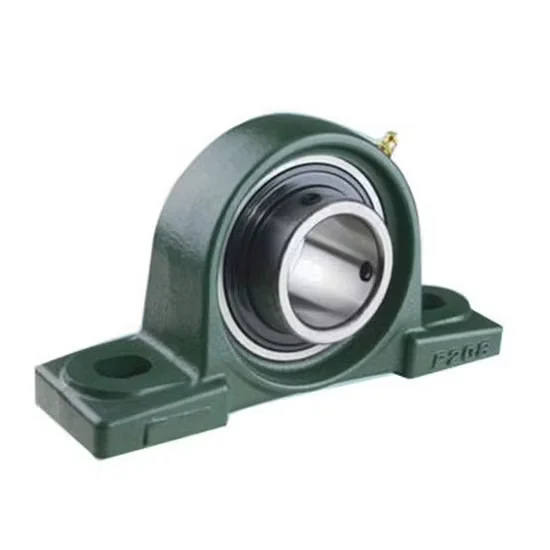
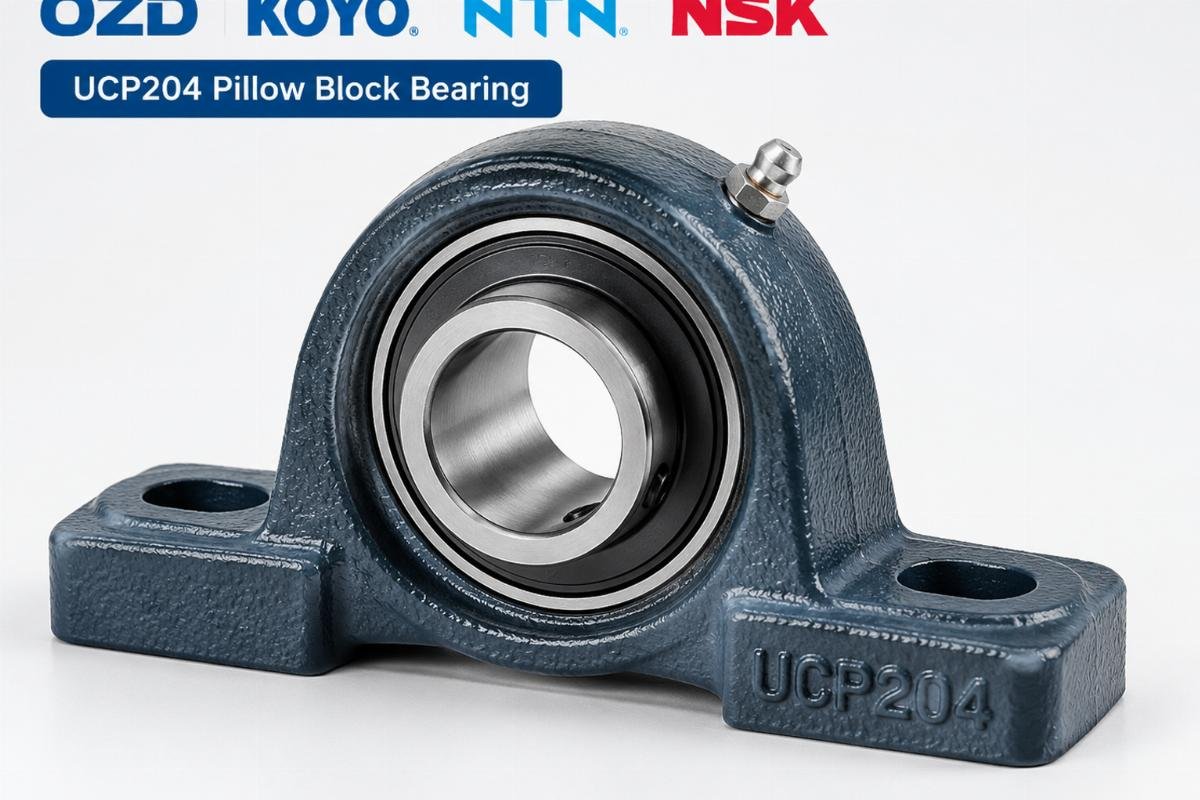
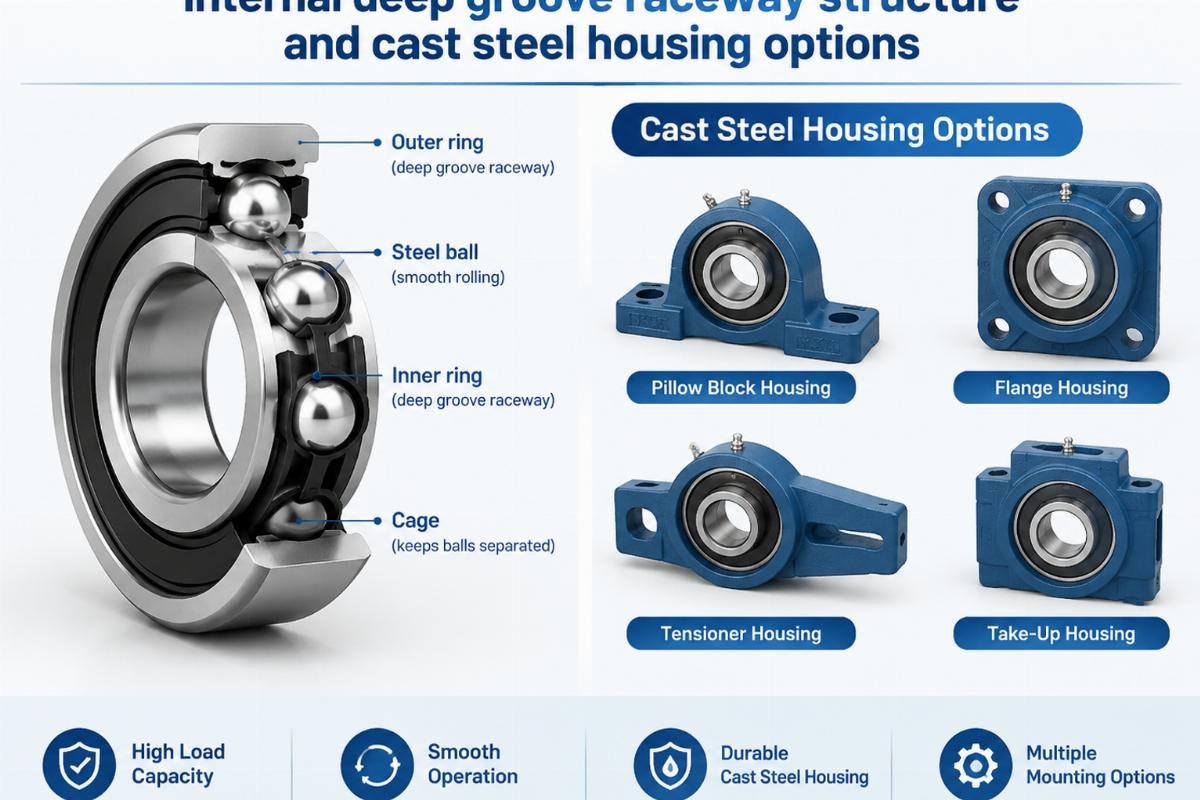
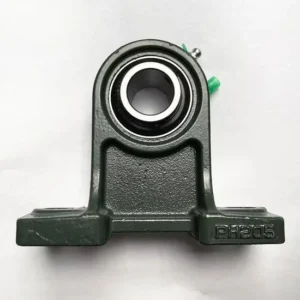
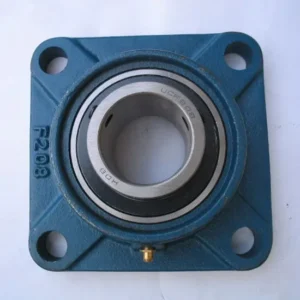
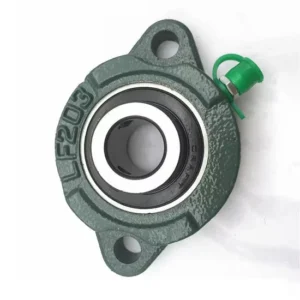
OZD KOYO NTN NSK UCP204, UCP205, UCP206, UCP207, etc. Pillow Block Bearing features durable cast steel housing and a deep groove raceway for stable, low-vibration crane operation. The single-row design ensures highly efficient performance in fixed machinery and conveyor systems.
Verify authenticity via official brand apps or QR codes to guarantee genuine product traceability.
Multi-Brand Sourcing Unified — Procure genuine OZD, KOYO, NTN, and NSK units in a single consolidated shipment without juggling multiple vendor accounts.
Technical Specifications
Parameter
Value
Designation
OZD KOYO NTN NSK UCP204, UCP205, UCP206, UCP207, etc.
Bearing Type
Pillow Block Bearing
Rows Number
Single
Raceway
Deep Groove Raceway
Material
Cast Steel
Bearing Block Model
P
Vibration
Low Vibration Design
Noise Level
Low Noise Running
Size
Customized
Service Life
Extended Life Design
Installation
Easy to Mount and Install
Feature
Corrosion Resistant, High Speed, Stable, and Efficient Operation
Origin
Shandong, China
Application Suitability
Industry
Typical Applications
Cranes
Hoisting drum shafts and trolley travel mechanisms
Fixed Machinery
Heavy-duty conveyor drive pulleys and idler supports
Agricultural Machinery
Combine harvester rotor shafts and grain auger bearings
Textile Machines
High-speed yarn guide rollers and loom beat-up mechanisms
Why Cast Steel Housings Outlast Standard Iron in Crane Hoists
When specifying an OZD KOYO NTN NSK UCP204 pillow block bearing for heavy lifting, housing material dictates survival.
Standard cast iron cracks under shock loads, whereas high-strength cast steel absorbs impact and prevents catastrophic housing split.
In Southeast Asian ports, I have dismantled countless hoist assemblies where standard housings fractured near the mounting bolts due to cyclic shock loading. The micro-cracks propagate rapidly in high-humidity environments, letting corrosive moisture reach the raceway and causing premature spalling. Upgrading to cast steel eliminates this structural weak point entirely [NEED_CITE: rolling bearing failure mode classification per ISO 15243].
Aligning Bearing Geometry with Hoisting Dynamics
The deep groove raceway in this OZD KOYO NTN NSK UCP204 pillow block bearing handles the combined radial and moderate axial loads typical of crane sheaves. By utilizing a single-row configuration with optimized internal clearance, the assembly maintains stable operation even when the wire rope experiences sudden tension spikes. Our engineering team cross-references the exact housing dimensions to ensure the P-block footprint matches your existing baseplate without requiring structural modifications.
Addressing Dust, Moisture, and Shock in Port Environments
Crane hoists operate in brutal conditions where airborne salt and silica dust constantly attack the sealing interfaces. A low vibration design is critical here, as excessive oscillation accelerates grease degradation and compromises the seal lip contact. Temperature fluctuations also dictate the internal clearance selection; thermal expansion from friction heat can reduce internal play to zero if not properly calculated. Furthermore, the cast steel construction provides superior corrosion resistance compared to standard materials, ensuring the mounting surfaces remain intact during relubrication cycles [NEED_CITE: environmental degradation of bearing housings in marine applications].
Decoding the P-Block and Deep Groove Integration
The P-type bearing block model indicates a standard parallel base design, which simplifies alignment on flat structural beams. Inside, the deep groove raceway geometry allows for high-speed capability while maintaining excellent radial load capacity. The single-row arrangement keeps the overall width compact, which is crucial when space between the crane girder and the drum is limited. Cast steel material provides the necessary structural rigidity to prevent housing distortion under heavy static loads. Easy-to-mount features, such as pre-drilled bolt holes and machined base surfaces, significantly reduce installation time during scheduled maintenance shutdowns.
The Financial Drain of Underspecified Housings
Selecting a housing material that lacks adequate impact resistance leads to unplanned downtime when the casing fractures under peak hoisting loads. This catastrophic damage often destroys the internal rolling elements and can cause the wire rope to derail, creating severe safety hazards. According to failure analysis frameworks, structural housing failure is a primary root cause for secondary component damage [NEED_CITE: housing fracture mechanisms in heavy lifting equipment per ISO 281]. Warranty voidance is almost guaranteed when OEM specifications for material grade are ignored in favor of cheaper alternatives.
Securing Traceable Quality for Critical Lifts
We maintain massive spot inventory covering thousands of standard part numbers, ensuring your urgent maintenance requirements are met without waiting for factory lead times. Our flexible MOQ allows you to order a single emergency spare for a specific crane or consolidate a full container of mixed sizes for a fleet overhaul. Every unit ships with complete traceability documentation, so you can verify the metallurgical origin of the cast steel housing. We provide cross-brand equivalent model consultation, helping you transition smoothly if a specific OEM part is discontinued. Furthermore, our technical selection support ensures the sealing and lubrication choices match your exact site conditions.
Documentation & Authenticity
Certificate of Conformity verifying the cast steel grade for the P-block housing.
Original batch traceability linking the deep groove insert to its forging lot.
Official app QR verification for authenticating the OZD, KOYO, NTN, or NSK branding.
Material inspection report confirming the corrosion-resistant properties of the housing.
Dimensional inspection report validating the customized size and bolt hole spacing.
Storage, Handling & Mounting
Keep the P-block units in original packaging to protect the low noise running surfaces from port humidity.
Store customized size units away from direct sunlight to prevent UV degradation of any external seals.
Use clean gloves when handling the deep groove raceway to avoid sweat-induced corrosion on the steel.
Align the cast steel base carefully during mounting to avoid inducing stress that ruins the low vibration design.
Follow the extended life design guidelines for initial grease fill and subsequent relubrication intervals.
Engineering Review for Your Hoist Application
To ensure the selected unit meets your exact crane requirements, please share the radial and axial loads, operating speeds, and ambient temperature ranges. Providing the OEM equipment number allows our team to perform precise cross-reference verification against the original specifications. Detailing the environmental exposure, such as salt spray or heavy silica dust, helps us confirm the optimal sealing configuration. This data enables our engineering team to calculate the theoretical L10 life and recommend the correct internal clearance class.
Frequently Asked Questions
Q: How to verify the authenticity of KOYO, NTN, or NSK pillow block bearings via official apps?
A: Download the respective manufacturer’s official verification application and scan the QR code printed on the product packaging. This process confirms the production batch and origin, ensuring you received genuine components rather than counterfeits. We supply all original packaging intact to facilitate this digital authentication for every OZD KOYO NTN NSK UCP204 pillow block bearing shipped.
Q: What are the cross-reference precautions for UCP series insert bearings regarding clearance and housing alignment?
A: When cross-referencing, ensure the internal clearance class matches the thermal expansion characteristics of your specific crane hoist application. Housing alignment is equally critical; mismatched base dimensions can induce pre-load on the outer ring, restricting the deep groove raceway from self-aligning properly and causing premature wear during continuous operation.
Q: How to select the right size and P-block housing model for heavy-duty crane applications?
A: Evaluate the maximum static and dynamic loads exerted on the hoisting drum shafts to determine the required load rating. The P-block model offers a flat base ideal for mounting on structural I-beams, but you must verify the bolt hole spacing and customized size parameters to ensure direct bolt-on replacement without welding.
Q: What is the recommended maintenance and relubrication cycle for UCP bearings in dusty environments?
A: In high-dust environments like ports or construction sites, the relubrication interval must be shortened to purge contaminants from the sealing interface. Monitor the low vibration design characteristics; an increase in oscillation or temperature indicates grease degradation. Always use compatible lithium-complex grease and avoid overfilling, which can blow out the seals.
Q: How does cast steel housing perform in heavy-duty applications compared to standard cast iron materials?
A: Cast steel provides substantially higher impact resistance and structural integrity under cyclic shock loads typical of crane operations. Unlike standard materials that may develop micro-cracks near mounting bolts, the cast steel construction absorbs these forces, maintaining the low noise running profile and preventing catastrophic housing failure in demanding industrial settings.
Shipping Information
EU Warehouse
3-7 working days (bonded stock)
Direct from China
Shanghai & Ningbo hubs (bulk / FCL)
Markets Served
DE · IT · PL · ES · NL · FR · EU+
Incoterms
DDP / DAP available on request
Minimum Order
Contact us for MOQ details
Documents Included with Every Shipment
EN and ISO Quality Certificates
Batch traceability and manufacturing standard
Material & Heat-Treatment Reports
Full material composition and process records
CE Declaration of Conformity
For bearing units and motion products
RoHS Compliance Declaration
Restriction of hazardous substances
EUR.1 Movement Certificate
Preferential origin for EU customs
Certificate of Origin
Country of manufacture documentation
Correct HS Codes
Pre-classified for smooth customs clearance
Commercial Invoice & Packing List
VAT-compliant intra-EU invoicing
Transparent Landed Cost with Tax Explanation
SKFEU provides full price transparency so EU buyers know exactly what they pay. No hidden duties, no surprise charges at customs.
VAT-Compliant Invoicing
All intra-EU transactions are invoiced with correct VAT treatment. B2B buyers with valid EU VAT numbers receive zero-rated invoices where applicable.
No Unexpected Import Duties
Goods shipped from our EU bonded warehouse arrive as intra-EU movements -- no import duties, no customs delays for EU-based buyers.
EUR.1 & Origin Docs Ready
For shipments direct from China, EUR.1 movement certificates and certificates of origin are prepared in advance to minimise customs clearance time.
DDP Pricing Available
Ask for Delivered Duty Paid quotations -- we absorb all import costs so your landed cost is fixed and predictable from day one.
Need a landed cost breakdown? Contact Sofia at
sofia@skfeu.com
or via WhatsApp for a full DDP quotation including freight, duties and VAT for your country.
Send Inquiry
Request Pricing & Availability
Share your requirements and Sofia will respond within one working day with pricing, lead time and full documentation details.