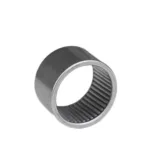
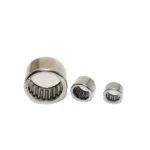
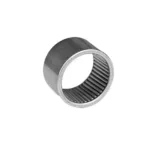
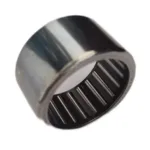
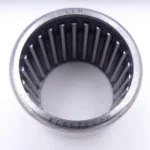
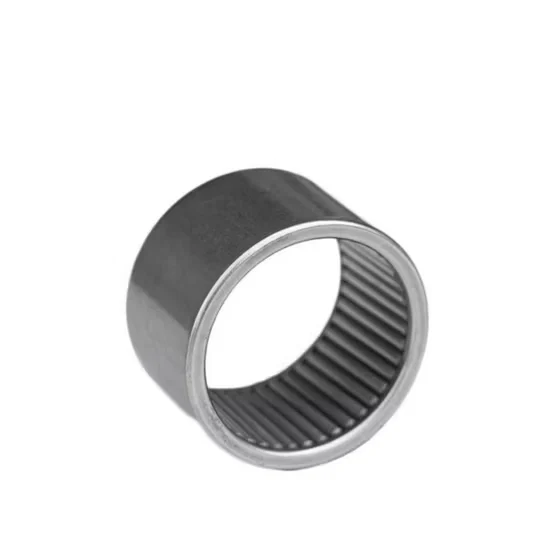
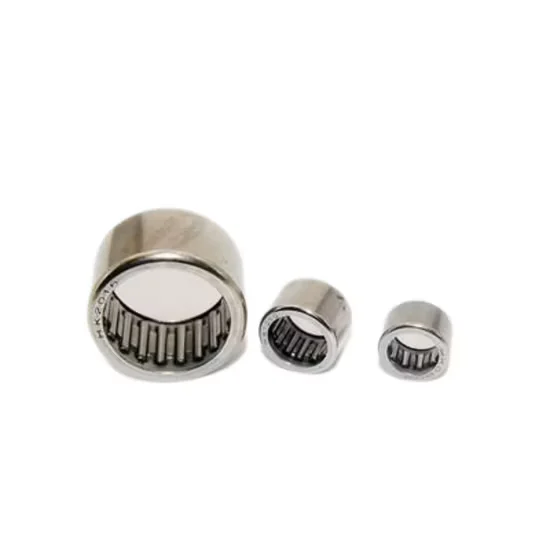
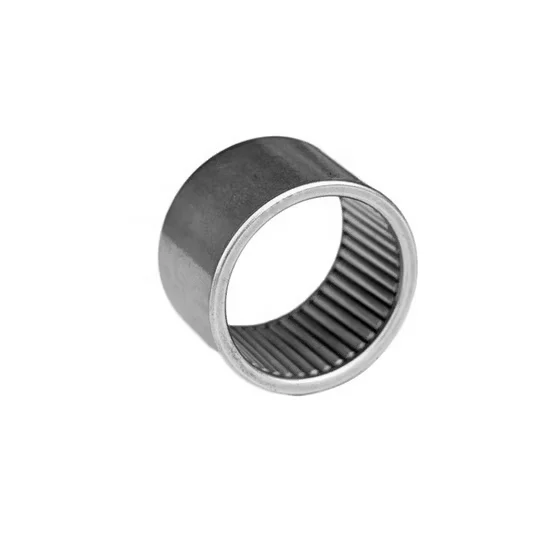
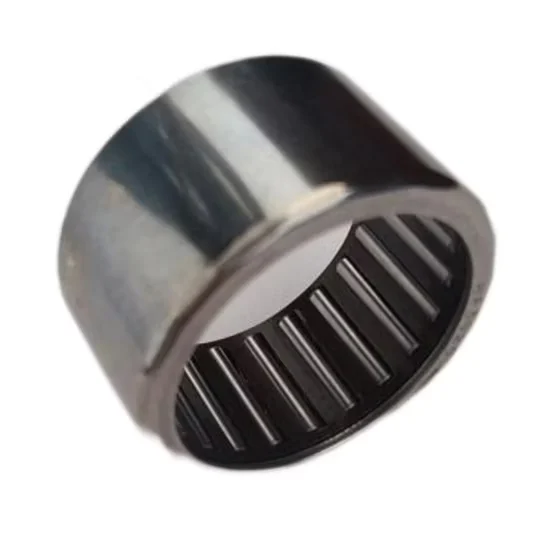
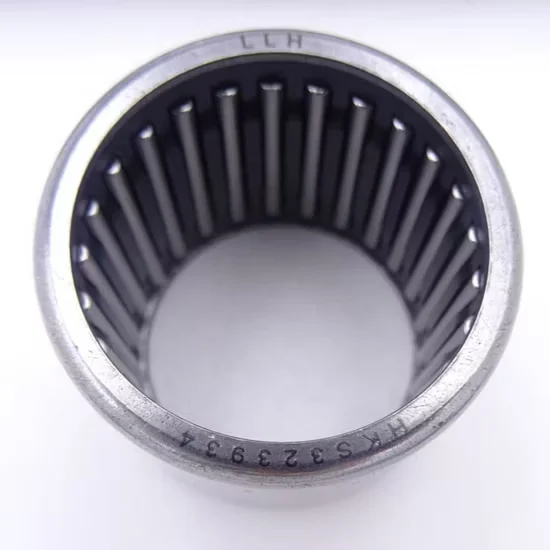
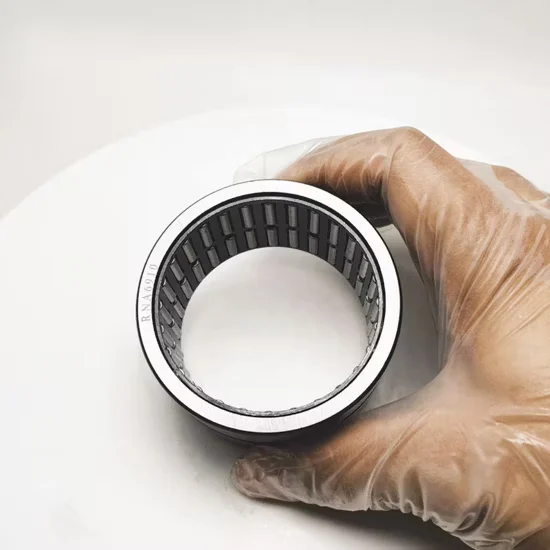
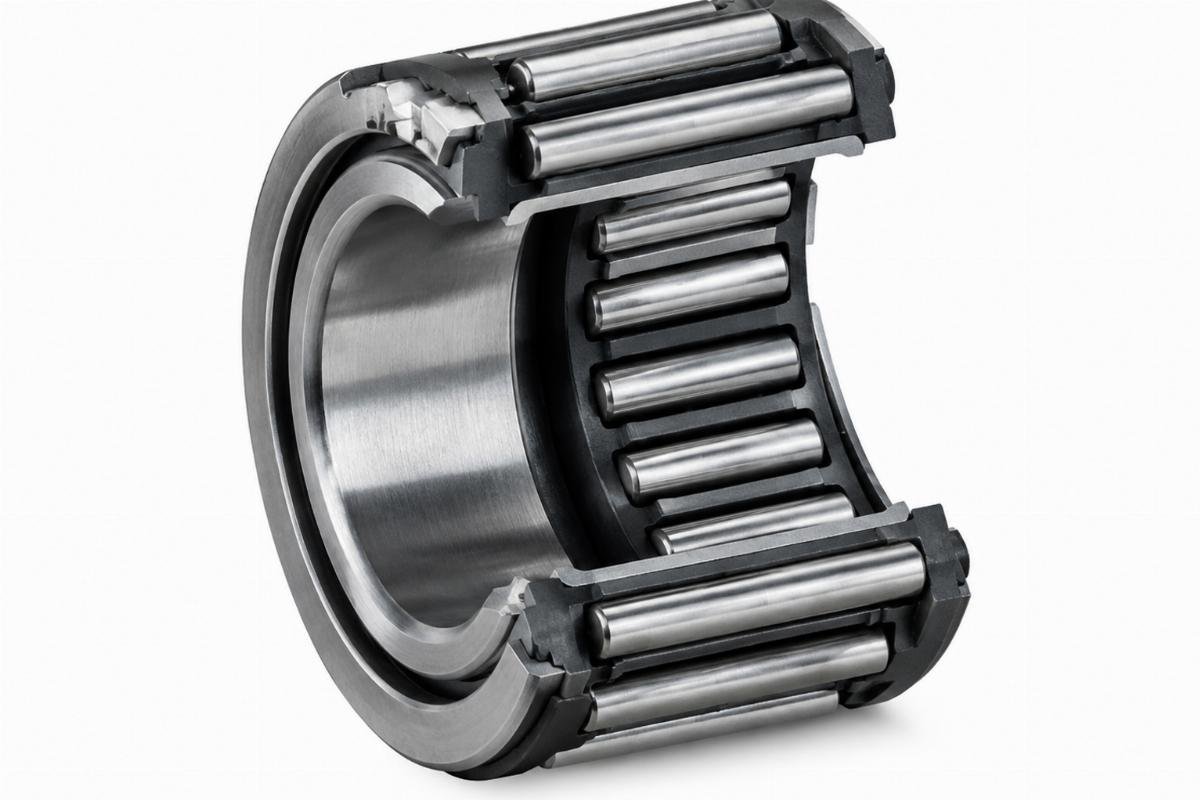
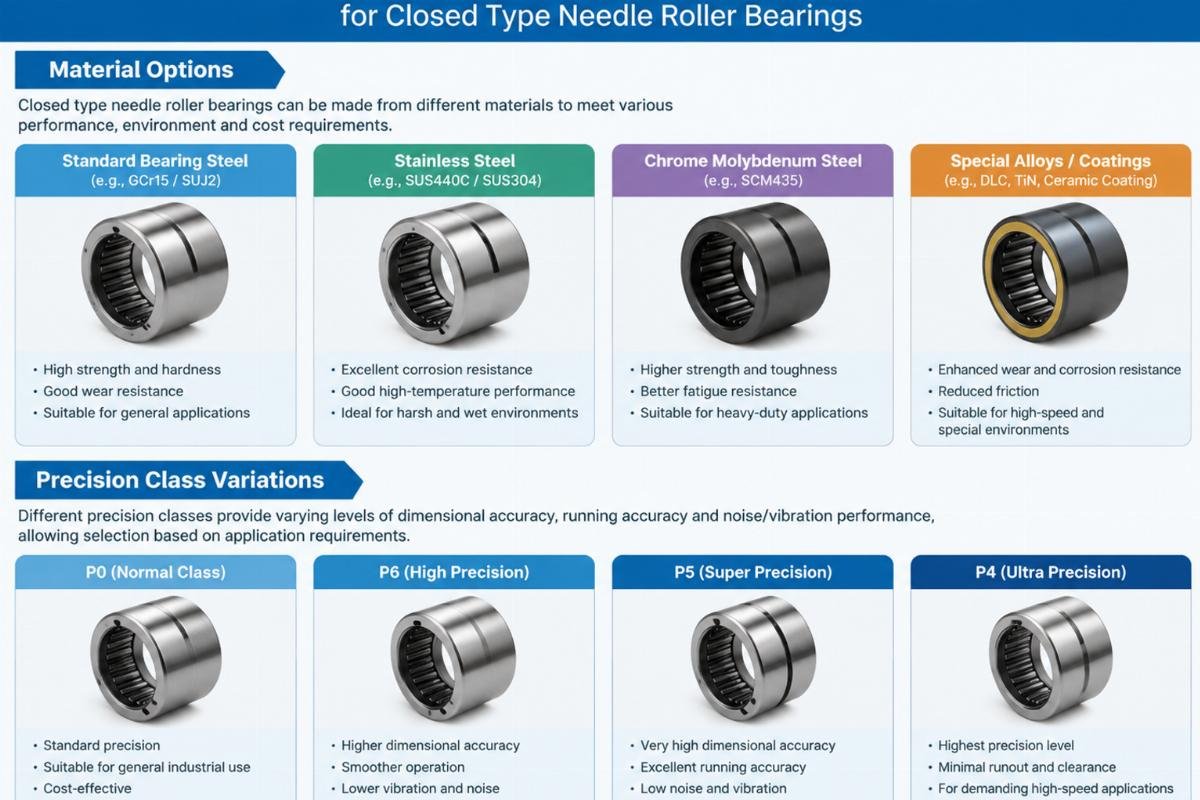
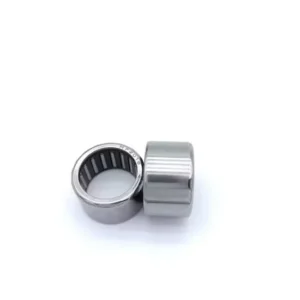
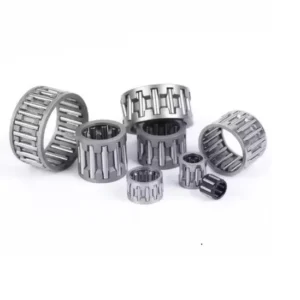
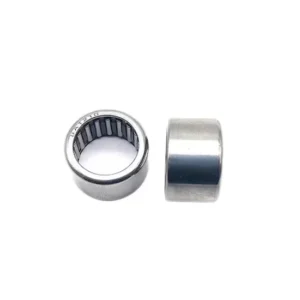
Precision Grade Needle Roller Bearing Without Outer Ring in Chrome Steel — Designed for space-constrained assemblies, this closed-type bearing enables direct shaft operation while delivering high load capacity. Available in P0, P6, and P5 precision classes, it ensures high-speed, low-noise performance for automotive transmissions and construction machinery. Verify authenticity instantly via our official app QR verification channel for every shipped unit.
Replies within 1 working day · Dedicated account manager
Specifications
Automotive TransmissionBuilding MaterialChrome SteelConstruction MachineryGenuine BearingNeedle Roller BearingWithout Outer Ring
Lead Time
3-7 working days
EU bonded warehouse · Fast-moving stock
Compliance
Full EU package
EN · ISO · CE · RoHS · EUR.1
Cross-Reference Alignment — Our engineering team aligns dimensional, load, and speed parameters across global catalogs to ensure exact fitment for your machinery.
Technical Specifications
Parameter
Value
Product Type
Needle Roller Bearing
Bearing Type
Needle Roller Bearing
Style
Without Outer Ring
Material Options
Chrome steel or alternative alloys based on operational needs
Type
Closed
Precision Classes Available
P0, P6, P5
Features
High speed capability, low noise operation
Certification
ISO-compliant quality assurance
Application Suitability
Industry
Typical Applications
Construction Machinery
Articulation joints and pivot points in heavy earthmoving equipment
Automotive Transmissions
Planetary gear sets and torque converter support assemblies
Machine Tools
High-speed spindle supports and linear motion guide mechanisms
Machinery Repair Shops
Replacement assemblies for industrial gearboxes and pump drives
Why Overlooking Clearance Suffixes Destroys High-Speed Spindles When Choosing a Precision Grade Needle Roller Bearing Supplier
Matching the exact internal clearance to the operational thermal expansion prevents catastrophic spindle seizure and protects your production schedule.
I learned this the hard way in Qingdao when a textile machine spindle seized because we only matched the basic dimensions and completely ignored the clearance suffix differences on a specific high-speed bearing. That single oversight caused the bearing to lock up at high speeds, burning out the main shaft entirely and halting the entire weaving line. Since then, verifying every suffix against the specific thermal and load profile has been non-negotiable to avoid such unplanned downtime. Procurement engineers often face immense pressure to reduce sourcing costs, but sacrificing technical verification for a lower price tag inevitably leads to severe financial penalties on the factory floor [NEED_CITE: rolling bearing failure mode classification per ISO 15243].
Aligning Without Outer Ring Designs with Compact Machinery Assemblies
Operating without an outer ring allows the bearing to run directly on the hardened shaft, optimizing space in tightly constrained automotive transmissions and machine tool assemblies. When you partner with a reliable precision grade needle roller bearing supplier, you gain access to closed-type constructions that shield internal components from heavy contamination in harsh environments. This direct-shaft operation demands precise grinding of the housing and shaft, ensuring the high-speed, low-noise features perform exactly as engineered. Failing to prepare the shaft surface adequately compromises the entire assembly, making technical guidance during the selection phase absolutely critical for long-term reliability.
Managing Radial Loads and Thermal Expansion in Confined Spaces
Needle roller bearings without outer rings primarily handle heavy radial loads in extremely compact cross-sections, making them highly sensitive to misalignment and shaft deflection. At elevated rotational speeds, friction generates significant heat that alters internal clearance, meaning the initial fit must account for thermal expansion to prevent binding under load. Proper lubrication is equally critical; while closed types offer contamination protection, they still require careful monitoring of grease degradation in high-temperature environments to maintain the protective film thickness [NEED_CITE: lubrication failure mechanisms in rolling element bearings]. Ensuring the shaft hardness and surface finish meet strict specifications prevents premature wear on the inner raceway, which acts as the functional inner ring in these specific configurations.
Decoding Material Options and Precision Tolerances for Demanding Environments
Selecting the right material variant depends heavily on the operating environment, maintenance capabilities, and specific load profiles of your machinery. Chrome steel provides excellent load capacity and fatigue resistance for standard industrial gearboxes and construction machinery operating under normal conditions. For applications exposed to moisture, chemical washdowns, or corrosive agents, stainless steel variants offer substantially higher corrosion resistance, albeit with slightly different dynamic load limitations. Ceramic rolling elements can be considered for specialized environments requiring electrical insulation or continuous operation beyond the thermal limits of standard bearing steel. Furthermore, choosing between P0, P6, and P5 precision classes directly impacts the running accuracy and noise levels, where P5 is typically reserved for high-speed machine tool spindles requiring minimal vibration and strict dimensional tolerances to ensure superior surface finishes on machined parts.
The Cascading Financial Impact of Incorrect Clearance and Material Selection
Selecting a bearing with inadequate internal clearance for a high-speed application leads to excessive friction, resulting in premature failure and catastrophic damage to the surrounding housing and drive components. Conversely, excessive clearance in a high-precision machine tool causes unacceptable vibration, degrading the surface finish of the machined parts and potentially voiding equipment warranties. These failure modes, systematically categorized under ISO 15243, often trace back to inadequate cross-referencing and poor technical consultation during the initial procurement phase. Relying on accurate engineering support prevents these hidden costs, avoids lengthy production stoppages, and noticeably extends the overall L10 life of the critical assembly [NEED_CITE: bearing life calculation principles per ISO 281].
Securing Authentic Components Through Rigorous Traceability and Technical Support
Sourcing genuine components requires more than just matching basic dimensions; it demands rigorous verification of the exact clearance and precision class to prevent the spindle seizures I witnessed early in my career. We provide complete batch traceability documentation, ensuring every chrome steel or alternative alloy bearing meets ISO-compliant standards before it leaves our consolidation facility. Our engineering team offers cross-brand equivalent model consultation, helping you transition from discontinued OEM parts to reliable alternatives without compromising the operational integrity of your equipment. With massive spot inventory covering thousands of standard part numbers, we efficiently accommodate both single-unit emergency MRO orders and full container consolidations for major plant overhauls. Furthermore, our global shipping consolidation and post-sales failure analysis support ensure your machinery stays operational across diverse international markets, backed by long-term technical guidance.
Documentation & Authenticity
Certificate of Conformity validating P0, P6, or P5 precision classes for high-speed applications.
Original manufacturer batch traceability linking chrome steel material lots to specific production runs.
Material inspection reports confirming metallurgical integrity for without outer ring shaft applications.
Dimensional and running accuracy inspection reports verifying closed-type tolerances before dispatch.
Official app QR verification available for select premium brand equivalents in our inventory.
Storage, Handling & Mounting
Store closed-type bearings in original packaging to prevent moisture ingress that compromises high-speed low-noise performance.
Use clean gloves when handling without outer ring variants to avoid contaminating the direct shaft contact surface.
Maintain strict temperature control in storage to preserve the factory-applied rust preventive coatings on chrome steel components.
Verify shaft hardness and surface finish before mounting to ensure proper support for the outer-ring-less design.
Follow precise induction heating protocols for adjacent housing components to avoid thermal shock to P5 precision elements.
Providing the Right Parameters for Exact Model Determination
To ensure we select the exact model for your application, please provide detailed equipment parameters including radial loads, operational speeds, and available installation space. Specify the operating environment, such as exposure to dust, moisture, or elevated temperatures, so we can recommend the appropriate material variant and seal configuration. Our engineering team will use this data to determine the optimal precision class and internal clearance, delivering a fully vetted technical proposal that aligns with your maintenance schedules and production goals.
Frequently Asked Questions
Q: How do I determine the exact needle roller bearing model based on my equipment parameters?
A: Determining the correct model requires analyzing your specific radial loads, rotational speeds, and thermal operating conditions. By sharing these parameters along with the available installation space, our engineering team can calculate the required dynamic load rating and select the appropriate precision class and internal clearance to ensure optimal performance and longevity.
Q: What are the common failure modes of needle roller bearings without outer rings?
A: Bearings without outer rings commonly fail due to inadequate shaft hardness, misalignment, or improper internal clearance leading to excessive friction. Contamination ingress and lubrication starvation also accelerate wear on the rolling elements. Regular inspection of the shaft surface finish and adherence to recommended relubrication intervals significantly mitigate these failure mechanisms.
Q: How should I choose between P0, P6, and P5 precision classes for specific applications?
A: The choice of precision class depends on the required running accuracy and operational speed of your machinery. P0 is suitable for general industrial applications, while P6 offers improved accuracy for standard gearboxes. P5 precision is essential for high-speed machine tool spindles and sensitive equipment where minimal vibration and strict dimensional tolerances are critical.
Q: What is the recommended maintenance and relubrication cycle for high-speed needle bearings?
A: Maintenance cycles vary significantly based on operational speed, load, and environmental contamination levels. High-speed applications typically require more frequent relubrication to dissipate friction heat and prevent grease degradation. We recommend establishing a condition-based monitoring schedule, utilizing vibration analysis and temperature tracking to optimize relubrication intervals and prevent unexpected downtime.
Q: How can I source genuine replacements when original OEM parts are discontinued?
A: When OEM parts are discontinued, our technical team provides cross-reference consultation to identify equivalent models from premium global brands. We match the exact dimensional specifications, load capacities, and precision classes of the original component. This ensures seamless integration into your existing machinery while maintaining full traceability and ISO-compliant quality assurance.
Shipping Information
EU Warehouse
3-7 working days (bonded stock)
Direct from China
Shanghai & Ningbo hubs (bulk / FCL)
Markets Served
DE · IT · PL · ES · NL · FR · EU+
Incoterms
DDP / DAP available on request
Minimum Order
Contact us for MOQ details
Documents Included with Every Shipment
EN and ISO Quality Certificates
Batch traceability and manufacturing standard
Material & Heat-Treatment Reports
Full material composition and process records
CE Declaration of Conformity
For bearing units and motion products
RoHS Compliance Declaration
Restriction of hazardous substances
EUR.1 Movement Certificate
Preferential origin for EU customs
Certificate of Origin
Country of manufacture documentation
Correct HS Codes
Pre-classified for smooth customs clearance
Commercial Invoice & Packing List
VAT-compliant intra-EU invoicing
Transparent Landed Cost with Tax Explanation
SKFEU provides full price transparency so EU buyers know exactly what they pay. No hidden duties, no surprise charges at customs.
VAT-Compliant Invoicing
All intra-EU transactions are invoiced with correct VAT treatment. B2B buyers with valid EU VAT numbers receive zero-rated invoices where applicable.
No Unexpected Import Duties
Goods shipped from our EU bonded warehouse arrive as intra-EU movements -- no import duties, no customs delays for EU-based buyers.
EUR.1 & Origin Docs Ready
For shipments direct from China, EUR.1 movement certificates and certificates of origin are prepared in advance to minimise customs clearance time.
DDP Pricing Available
Ask for Delivered Duty Paid quotations -- we absorb all import costs so your landed cost is fixed and predictable from day one.
Need a landed cost breakdown? Contact Sofia at
sofia@skfeu.com
or via WhatsApp for a full DDP quotation including freight, duties and VAT for your country.
Send Inquiry
Request Pricing & Availability
Share your requirements and Sofia will respond within one working day with pricing, lead time and full documentation details.