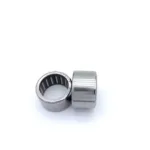
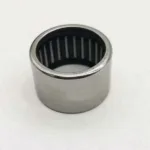
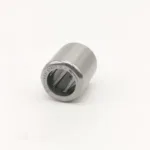
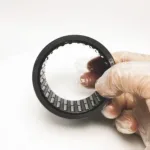
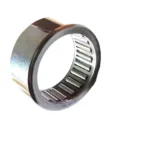
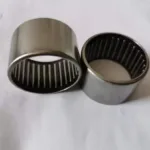
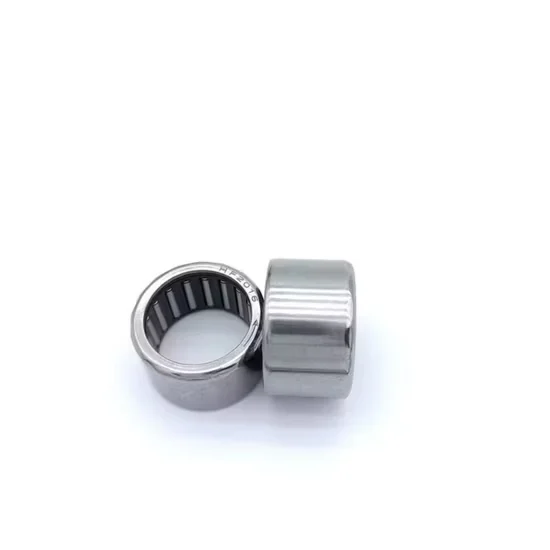
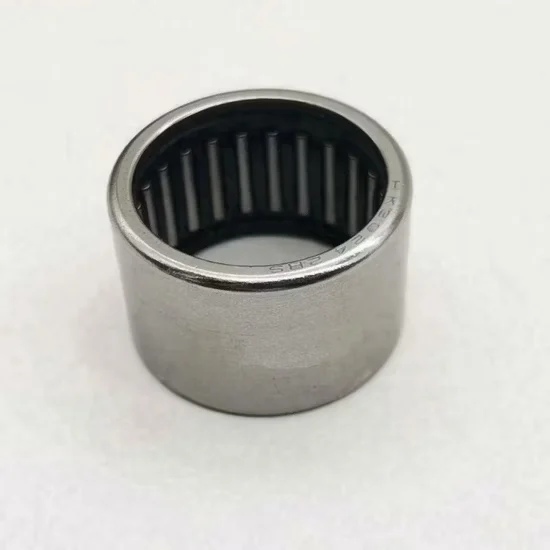
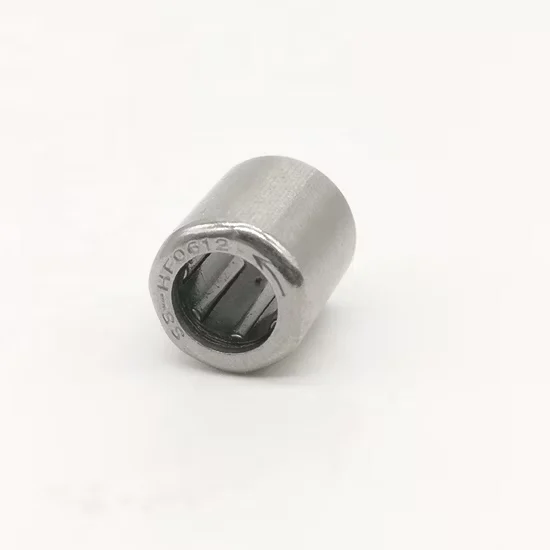
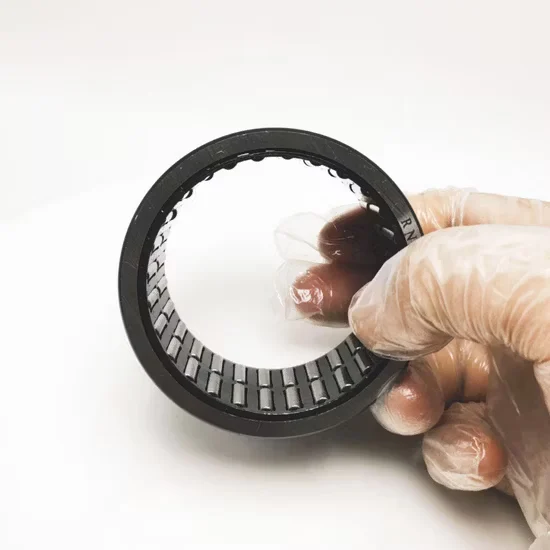
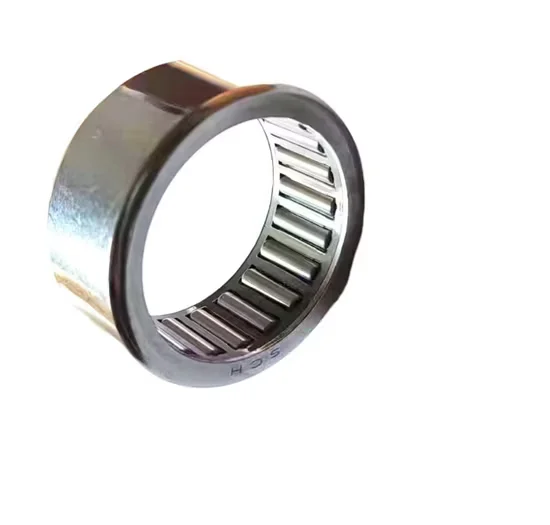
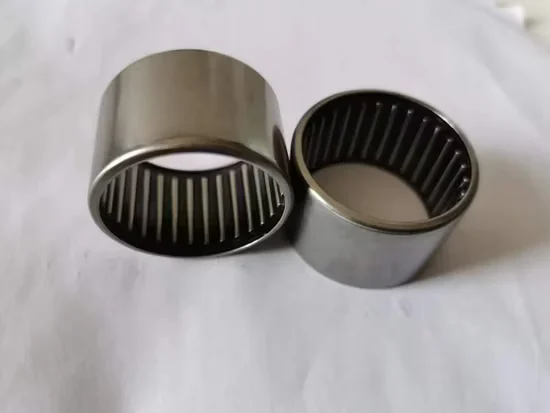
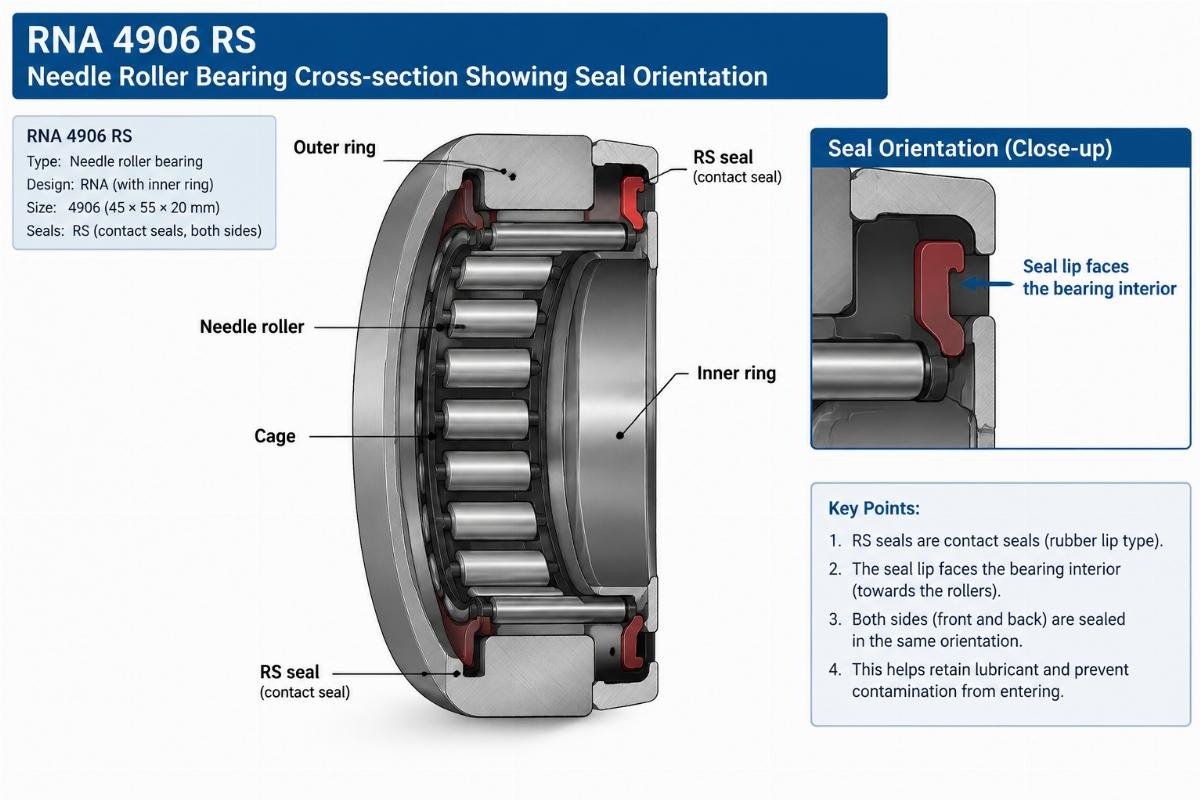
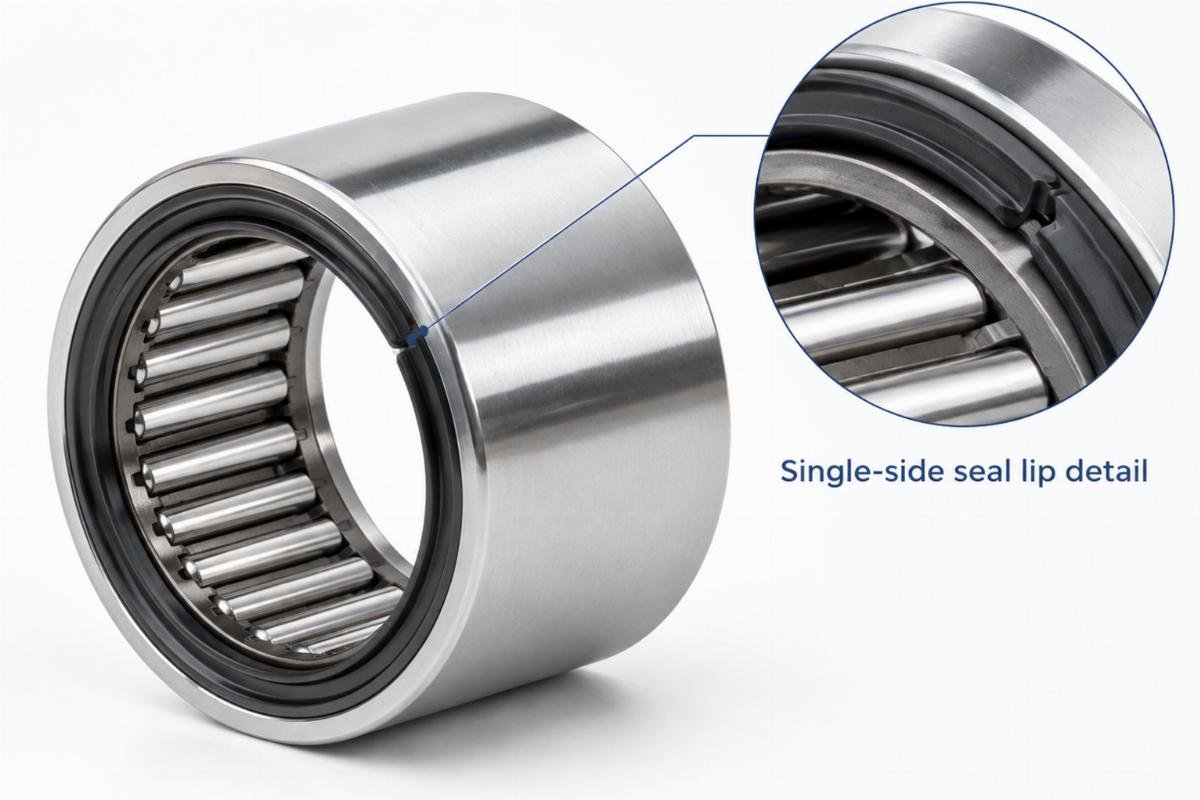
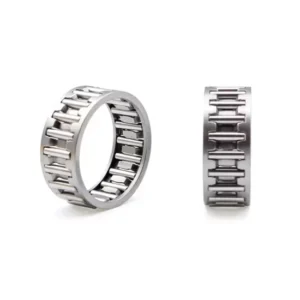
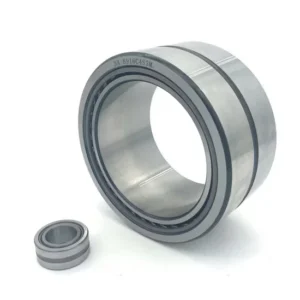
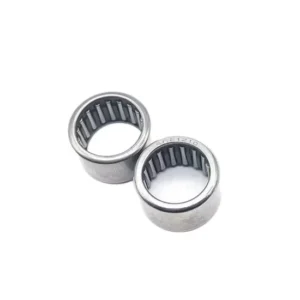
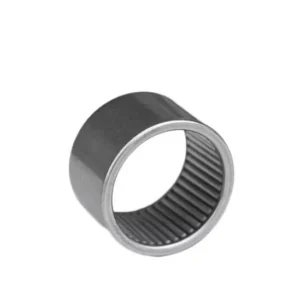
Rna 4906 RS Needle Roller Bearing 35x47x17 mm — engineered without an inner ring to maximize radial space efficiency in gearboxes, machine tools, and automotive transmissions.
Crafted from premium chrome steel to ensure reliable performance and durability under heavy radial loads.
Each shipment includes a complete document package with material certificates and dimensional inspection reports.
Replies within 1 working day · Dedicated account manager
Specifications
Chrome SteelGearboxGenuine BearingMachinery RepairNeedle Roller BearingRna 4906 RSWithout Inner Ring
Lead Time
3-7 working days
EU bonded warehouse · Fast-moving stock
Compliance
Full EU package
EN · ISO · CE · RoHS · EUR.1
Multi-Brand Sourcing — Consolidate your Rna 4906 RS needle roller bearing orders with other premium lines in a single shipment without juggling multiple vendors.
Technical Specifications
Parameter
Value
Designation
Rna 4906 RS
Bearing Type
Needle Roller Bearing
Bore Diameter (Fw)
35 mm
Outside Diameter (D)
47 mm
Width (C)
17 mm
Rows Number
Single
Material
Chrome Steel
Type
Closed
Precision Rating
P0 / P6 / P5
Seal Type
Single-side contact seal
Note: The RS suffix convention can vary between manufacturers; exact seal geometry is verified against the specific brand catalog prior to dispatch.
Application Suitability
Industry
Typical Applications
Building Material Shops
Compact conveyor rollers and mixing drum supports
Machinery Repair Shops
Gearbox shafts and pump drive mechanisms
Automotive
Transmission shafts and steering column joints
Why Single-Side Seals Fail in Dusty Environments for the Rna 4906 RS needle roller bearing
Misaligned seal lips invite abrasive particles directly into the rolling zone.
In palm oil mills and similar heavy industries, airborne dust easily bypasses a single lip if the seal faces the wrong direction. I have dismantled seized compact rollers where the rolling elements were completely scored because the unprotected side was exposed to severe contamination. Proper orientation and housing design prevent these catastrophic stoppages, ensuring the internal components remain shielded from destructive particulates throughout their operational lifespan. Understanding the exact environmental exposure allows maintenance teams to specify the correct sealing arrangement, ultimately reducing the frequency of unexpected breakdowns and extending the service intervals for critical production equipment. [NEED_CITE: contamination ingress as a primary cause of premature bearing failure]
Matching the Rna 4906 RS needle roller bearing to Compact Drive Systems
The compact cross-section of this unit makes it exceptionally suitable for space-constrained gearboxes, pump assemblies, and automotive transmission shafts. By utilizing the hardened shaft journal directly as the inner raceway, the design minimizes radial envelope dimensions while maximizing load distribution. Our global sourcing network ensures you receive Rna 4906 RS needle roller bearing units that maintain tight radial clearances even under continuous rotational loads. This precise matching guarantees reliable performance in demanding mechanical environments where spatial limitations dictate the component selection.
Managing Radial Loads and Contamination Risks
Needle roller designs excel at carrying heavy radial loads, but they remain highly sensitive to misalignment and edge stressing. When operating in dusty or wet environments, the sealing arrangement becomes the critical defense line for the internal components. A single-side seal requires careful installation to ensure the lip faces the contamination source, while the open side relies entirely on the housing design for secondary protection. Lubrication intervals must be strictly adjusted based on the operating temperature and the presence of abrasive particulates to maintain an effective protective film. [NEED_CITE: alignment sensitivity in needle roller bearing applications]
Decoding the Dimension Series and Precision Tolerances
The 4906 dimension series indicates a specific cross-sectional profile optimized for moderate speeds and high radial capacity in industrial machinery. The 35 mm bore diameter means the rolling elements run directly on the shaft, demanding that the shaft journal be hardened and ground to precise tolerances. Available in P0, P6, or P5 precision classes, the selection depends entirely on the required running accuracy and noise levels of the final assembly. The closed type construction provides structural rigidity, while the chrome steel material offers excellent wear resistance under standard operating temperatures.
The Hidden Costs of Ignoring Shaft Hardness Requirements
Installing a needle roller bearing without an inner ring on a soft shaft leads to rapid raceway spalling and catastrophic equipment failure. The shaft must meet specific hardness and surface finish criteria to function as a valid raceway for the rolling elements. Overlooking these fundamental requirements results in unplanned downtime, excessive vibration, and voided warranties. Proper verification of the shaft journal prevents these costly operational disruptions and ensures the assembly achieves its intended fatigue life. [NEED_CITE: shaft raceway hardness requirements per ISO 15243]
Securing Traceability and Technical Alignment
Sourcing the correct suffix and seal orientation is where many industrial supply chains fail to deliver consistent quality. We verify the exact sealing configuration against your environmental data before dispatch to prevent field failures. Our massive spot inventory covers thousands of standard part numbers, allowing flexible order quantities from single emergency spares to full container consolidations. Every shipment includes complete traceability documentation, ensuring the chrome steel metallurgy meets strict ISO standards. Furthermore, our technical team provides cross-reference consultation to validate dimensional equivalency across different premium global brands. This comprehensive approach eliminates the guesswork from your procurement process and guarantees that every component performs exactly as engineered.
Documentation & Authenticity
Certificate of Conformity confirming ISO-compliant chrome steel metallurgy for the 35x47x17 mm profile.
Original batch traceability records linking the specific production run to the manufacturer’s quality logs.
Dimensional inspection reports verifying the 35 mm bore and 47 mm outside diameter tolerances.
Running accuracy test results validating the selected P0, P6, or P5 precision class before dispatch.
Storage, Handling & Mounting
Keep the single-side sealed units in original packaging until mounting to prevent dust ingress into the open side.
Verify the shaft journal hardness and surface roughness before pressing the 35 mm bore elements onto the raceway.
Ensure the seal lip faces the primary contamination source during installation to protect the rolling zone.
Use induction heating for the outer ring if interference fit is required, avoiding direct flame on the chrome steel.
Apply the recommended grease volume through the housing, as the closed design restricts direct relubrication of the cage.
Engineering Review for Your Application
To ensure optimal performance and longevity, please share your radial load calculations, operating speeds, and environmental contamination levels. Providing the OEM equipment number allows our engineering team to perform a precise cross-reference check against existing assemblies. We will evaluate your shaft journal specifications to confirm compatibility with the inner-ring-less design and recommend the appropriate precision class for your specific machinery requirements.
Frequently Asked Questions
Q: What does the RS suffix indicate on this needle roller bearing?
A: The RS designation typically refers to a single-side contact seal designed to retain lubricant and exclude contaminants. Since suffix conventions can vary slightly between manufacturers, we always cross-verify the exact sealing configuration against the official catalog to ensure it matches your specific environmental requirements and housing design.
Q: Can I use this bearing if my shaft is not hardened?
A: No, the shaft journal must be hardened and ground to serve as the inner raceway. If your shaft lacks the required surface hardness and roughness, you must switch to a design with an inner ring. Using a soft shaft will cause rapid spalling and premature failure of the rolling elements.
Q: How do P0, P6, and P5 precision levels affect my selection?
A: P0 is the standard precision suitable for general machinery and moderate speeds. P6 and P5 offer tighter dimensional and running accuracy tolerances, which are necessary for high-speed gearboxes or applications requiring minimal vibration and noise. Selecting the correct class ensures optimal load distribution and extends the operational lifespan.
Q: What are the cross-reference considerations for this 35x47x17 mm size?
A: When substituting brands, you must verify the exact boundary dimensions, the internal clearance, and the seal design. Even if the basic 4906 size matches, differences in the seal lip geometry or rolling element count can alter the load capacity. We provide detailed equivalency checks to ensure proper integration into your existing assembly.
Shipping Information
EU Warehouse
3-7 working days (bonded stock)
Direct from China
Shanghai & Ningbo hubs (bulk / FCL)
Markets Served
DE · IT · PL · ES · NL · FR · EU+
Incoterms
DDP / DAP available on request
Minimum Order
Contact us for MOQ details
Documents Included with Every Shipment
EN and ISO Quality Certificates
Batch traceability and manufacturing standard
Material & Heat-Treatment Reports
Full material composition and process records
CE Declaration of Conformity
For bearing units and motion products
RoHS Compliance Declaration
Restriction of hazardous substances
EUR.1 Movement Certificate
Preferential origin for EU customs
Certificate of Origin
Country of manufacture documentation
Correct HS Codes
Pre-classified for smooth customs clearance
Commercial Invoice & Packing List
VAT-compliant intra-EU invoicing
Transparent Landed Cost with Tax Explanation
SKFEU provides full price transparency so EU buyers know exactly what they pay. No hidden duties, no surprise charges at customs.
VAT-Compliant Invoicing
All intra-EU transactions are invoiced with correct VAT treatment. B2B buyers with valid EU VAT numbers receive zero-rated invoices where applicable.
No Unexpected Import Duties
Goods shipped from our EU bonded warehouse arrive as intra-EU movements -- no import duties, no customs delays for EU-based buyers.
EUR.1 & Origin Docs Ready
For shipments direct from China, EUR.1 movement certificates and certificates of origin are prepared in advance to minimise customs clearance time.
DDP Pricing Available
Ask for Delivered Duty Paid quotations -- we absorb all import costs so your landed cost is fixed and predictable from day one.
Need a landed cost breakdown? Contact Sofia at
sofia@skfeu.com
or via WhatsApp for a full DDP quotation including freight, duties and VAT for your country.
Send Inquiry
Request Pricing & Availability
Share your requirements and Sofia will respond within one working day with pricing, lead time and full documentation details.