Tram & Metro Bearings: Traction Motors & Axles Wholesale Supplier
Selecting Tram and Metro Bearings requires prioritizing real-world harsh conditions over standard catalog specifications to prevent catastrophic failures. Learn how thermal decay, vibration, and contamination dictate true lifespan for traction motors and axles. Partner with suppliers offering genuine traceability and technical validation to minimize unplanned downtime.

Tram & Metro Bearings: Traction Motors & Axles Wholesale Supplier
Catalog load ratings are not a guarantee of survival in rail transit.
Selecting the correct Tram and Metro Bearings for traction motors and axles requires prioritizing real-world harsh conditions over standard catalog specifications to prevent catastrophic failures. Theoretical lifespan calculations often fail because they do not account for site-specific thermal decay, vibration frequencies, and contamination ingress rates that define actual operating environments.
I still remember the silence in the maintenance depot in Monterrey. It was not the peaceful quiet of a job well done, but the heavy, expensive silence of a stalled light rail line. We had supplied what we thought were standard deep-groove ball bearings for the traction motors, assuming the manufacturer’s basic rating would hold. The local climate, however, told a different story. High ambient temperatures combined with fine, abrasive dust bypassed the standard seals. Within months, the grease degraded, turning into a gritty paste that seized the motor shafts. The resulting downtime cost far more than the initial savings on premium sealing solutions. That failure taught me that in rail applications, the environment is always more lethal than the load. [NEED_CITE: impact of contamination on bearing life per ISO 15243]
Understanding this distinction is critical for any procurement team or engineer involved in rail transit projects. This guide breaks down why standard selections fail and how to choose components that withstand the rigors of daily urban transit operations.
Why Do Standard Bearings Fail in Tram Traction Motors?
Extreme heat and dust bypass standard seals, causing rapid grease degradation and motor seizure.
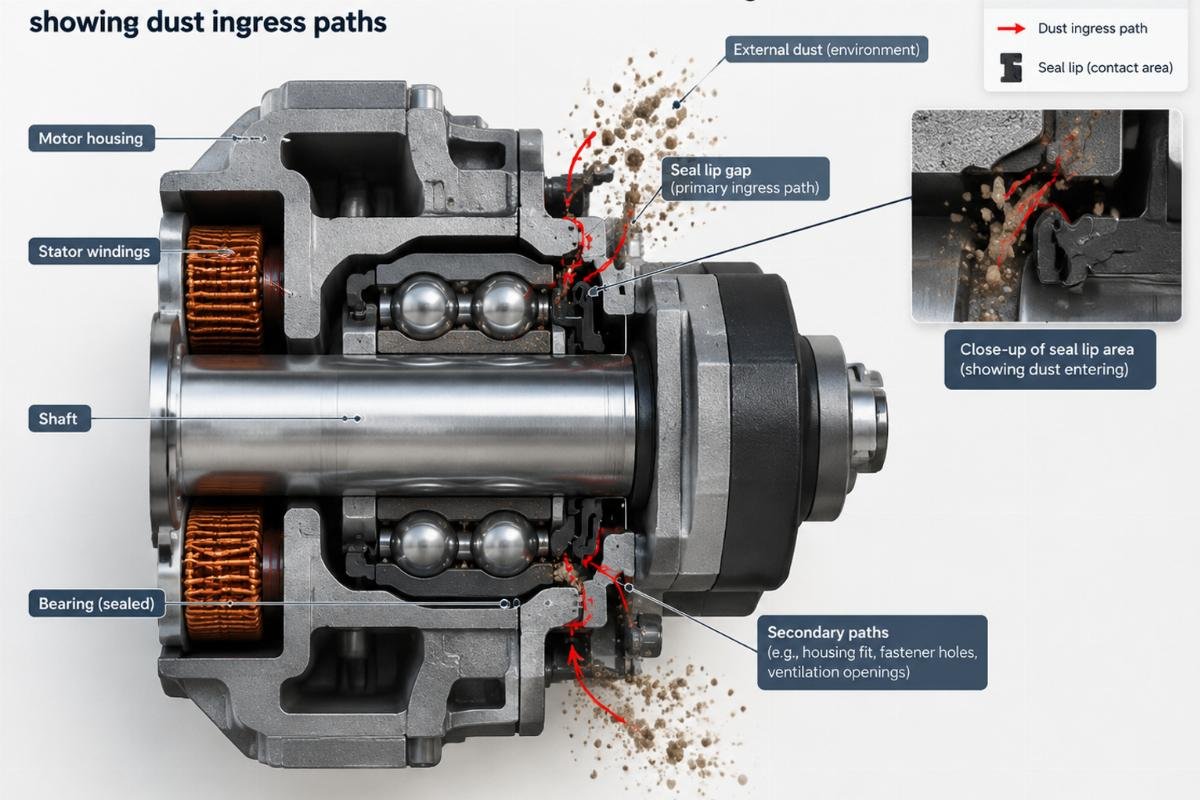
Traction motors in trams and metros operate in a unique thermal envelope. Unlike industrial motors fixed in climate-controlled factories, rail motors face direct solar radiation, brake heat soak, and tunnel ambient temperature spikes. When I reviewed the failed units from the Monterrey project, the damage was consistent: the standard rubber seals had hardened and cracked due to thermal cycling, allowing particulate matter to enter the raceway.
Standard deep-groove bearings are often specified because they are readily available and cost-effective. However, they lack the specialized sealing architectures required for high-contamination environments. In rail applications, the sealing system is as critical as the rolling elements themselves. A standard contact seal may offer adequate protection against water splash but fails against fine, dry dust that acts as an abrasive lapping compound. [NEED_CITE: tribology research on dust particle size vs seal lip geometry]
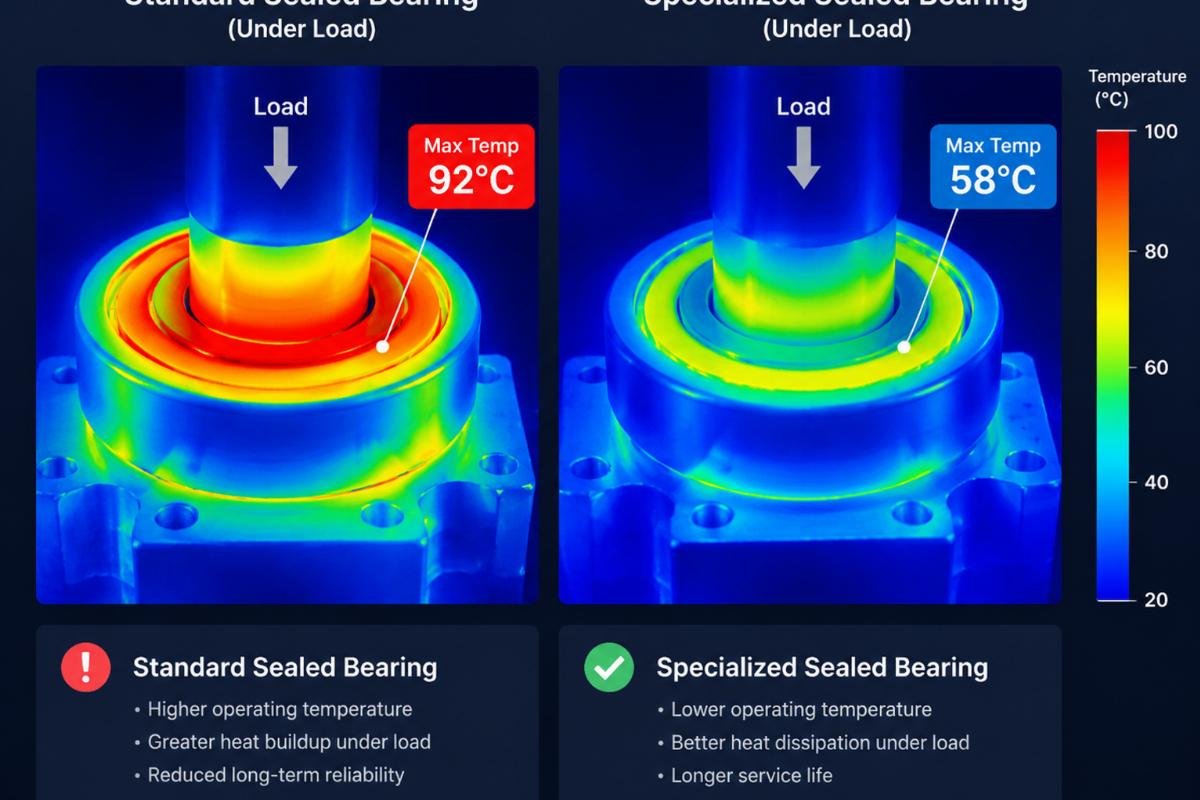
The failure mode is rarely sudden fracture. Instead, it is a progressive degradation. As contaminants enter, the lubricant film thickness decreases. This leads to increased friction, which generates more heat, further degrading the grease viscosity. It is a vicious cycle that ends in thermal runaway and shaft seizure. For Tram and Metro Bearings, the selection must prioritize high-temperature stable greases and labyrinthine or hybrid sealing designs that can handle both thermal expansion and particulate exclusion.
How to Select Metro Axle Bearings for Heavy-Load Conditions?
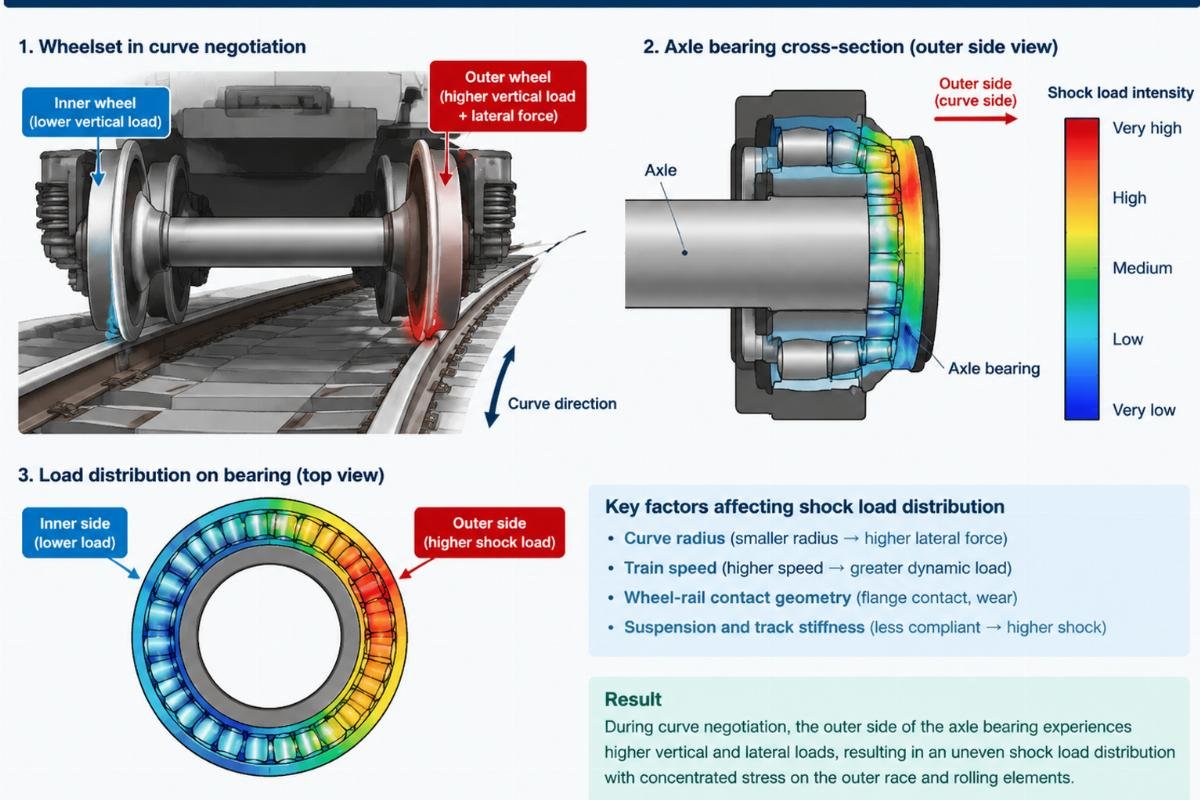
Axle bearings must account for dynamic shock loads and continuous vibration, not just static weight.
While traction motors drive the wheel, axle bearings carry the entire weight of the car body and passengers. The misconception here is that static load capacity is the primary selection criterion. In reality, the dynamic environment of a metro line introduces complex stress factors that static ratings do not capture.
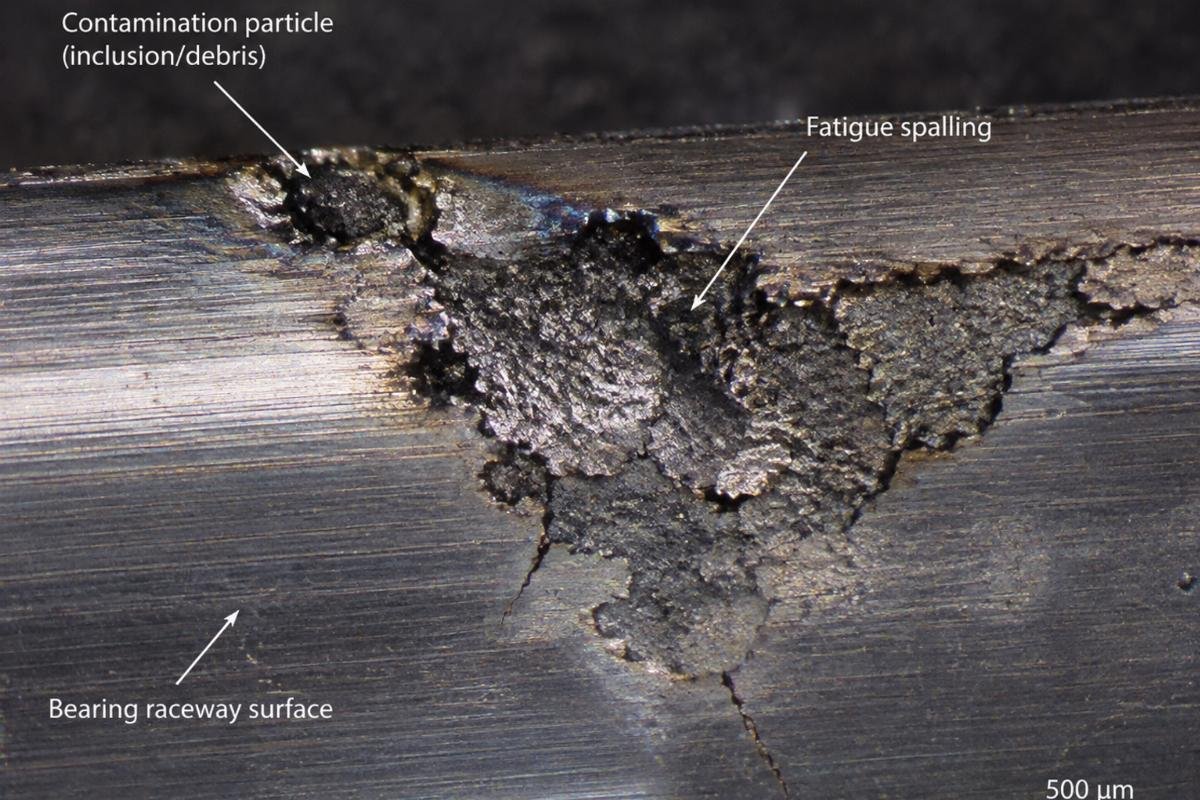
Metro lines often feature tight curves, frequent stops, and track irregularities. These conditions generate significant shock loads and varying vibration frequencies. I have seen axle bearings fail prematurely not because they were overloaded in terms of weight, but because the vibration caused lubrication breakdown. The constant micro-movements can pump grease out of the critical contact zones, leading to metal-to-metal contact and fatigue spalling. [NEED_CITE: vibration analysis thresholds for railway axle boxes]
When selecting Tram and Metro Bearings for axles, engineers must look beyond the basic dynamic load rating. The internal clearance, often referred to as C3 or C4, plays a vital role. Too tight, and thermal expansion causes binding; too loose, and vibration induces skidding. Furthermore, the cage material must withstand high centrifugal forces and potential misalignment. Spherical roller bearings are frequently preferred for their ability to accommodate minor misalignments caused by track deflection, whereas cylindrical roller bearings offer higher radial load capacity but require precise housing alignment.
| Feature | Standard Industrial Bearing | Rail-Specific Axle Bearing |
|---|---|---|
| Seal Type | Basic Rubber Contact | Labyrinthine or Hybrid High-Temp |
| Grease Stability | Standard Mineral Base | Synthetic High-Temp EP Additives |
| Clearance Control | Standard (C0/C2) | Pre-set for Thermal Expansion (C3/C4) |
| Vibration Resistance | Low | High (Optimized Cage Design) |
| Inspection Protocol | Visual/Sample | Full Batch Traceability & NDT |
This table highlights the qualitative differences that define reliability in rail service. Note that “High” or “Standard” refers to industry-accepted performance tiers rather than proprietary brand metrics.
What Environmental Factors Dictate Bearing Lifespan?
Actual site thermal decay and contamination levels override theoretical catalog load ratings.
Theoretical lifespan calculations, such as the L10 life rating, assume ideal operating conditions. They presume clean lubrication, stable temperatures, and perfect alignment. In the real world of urban transit, none of these assumptions hold true. The environment dictates the true longevity of Tram and Metro Bearings.
Temperature is the silent killer. Every increase in operating temperature accelerates the oxidation of the lubricant. In tropical or desert climates, ambient temperatures can exceed design expectations, especially when combined with heat generated by braking systems. I have observed cases where bearings installed in air-conditioned depots performed flawlessly during testing but failed rapidly once exposed to outdoor summer conditions. The thermal derating curves provided by manufacturers are essential tools here, yet they are often ignored in favor of nominal ratings. [NEED_CITE: thermal derating curves for railway bearing greases]
Contamination is equally destructive. Urban environments contain a mix of metallic wear debris from brakes, concrete dust from tunnels, and organic matter from tracks. These particles vary in hardness and size. Harder particles embed in the softer raceways, creating stress risers that initiate fatigue cracks. Softer particles can clog seals, causing pressure build-up and seal blowout. Therefore, the selection process must include a thorough analysis of the specific route environment. A metro line running mostly underground has different contamination risks compared to a tram line operating at street level in a dusty city center.
How to Source Reliable Rail Bearings Globally?
Partnering with multi-brand suppliers ensures genuine parts, cross-brand equivalents, and technical validation.
Sourcing bearings for rail applications is fraught with risk. The market is flooded with counterfeit products that look identical to genuine items but lack the material purity and precision manufacturing required for safety-critical applications. A failed bearing in a conveyor belt is an inconvenience; a failed bearing in a metro axle is a safety hazard.
Finding a reliable supplier involves more than checking price lists. It requires verifying traceability. Genuine bearings come with complete documentation linking the product back to the original manufacturing batch. This traceability is crucial for quality assurance and liability management. When I source Tram and Metro Bearings, I prioritize suppliers who can provide full certification packages, including material certificates and inspection reports. [NEED_CITE: ISO 9001 requirements for traceability in critical components]
Another critical aspect is the availability of cross-brand equivalents. Rail operators often maintain fleets with mixed equipment from different OEMs. Discontinued models or long lead times from original manufacturers can cause extended downtime. A knowledgeable supplier can identify technically equivalent replacements from other premium brands, ensuring compatibility without compromising performance. This requires deep technical expertise, not just sales capability. The supplier must understand the dimensional tolerances, internal clearances, and material specifications to validate the substitution.
Furthermore, global logistics play a role. Rail projects often have tight maintenance windows. The ability to consolidate shipments from multiple brands into a single container reduces customs complexity and shipping costs. It also ensures that all parts arrive simultaneously, preventing delays caused by partial deliveries. For MRO operators, having a partner who holds spot inventory of critical rail bearings can mean the difference between a few hours of downtime and weeks of waiting for production.

Conclusion
Real-world conditions, not catalog numbers, determine bearing success in rail transit.
Selecting Tram and Metro Bearings demands a shift from theoretical specification to practical application analysis. By accounting for thermal decay, vibration, and contamination, engineers and procurers can avoid costly failures and ensure safe, reliable operation. Partnering with suppliers who offer genuine traceability and technical validation is essential for navigating the complexities of global rail maintenance.
Tagged

Written by
author
Editor covering global sourcing, supplier verification, and industrial product knowledge. Content is compiled from manufacturer specifications, industry standards, and hands-on experience with international B2B buyers. Every article is fact-checked before publishing to help procurement professionals make informed decisions.